

 Visualizar em escala
 Enviar
 Compartilhar
 Ver detalhes
 Guia de Obras do Aluno

 Baixar imagem
 Semelhantes
 Raio X
 Apresentação de slides
 Estatísticas
Family Portrait
 Oil On Canvas
- WallArt
- Baroque Painting
 1664
1664 166.0 x 231.0 cm
 Museu Hermitage
 Ver mais
Giclée / Impressão de Arte
Impressão giclée ou em tela de qualidade de museu, com produção rápida e opções flexíveis de acabamento. ( Encomendar reprodução pintada à mão Ver Imagem Digital)




P118B €10

P118H €10

P118W €10

P438Z €10

P508JH €12

P508YH €12

P805H €10

P805Z €10

P919BZ €10

P919G €10

P919XJ €10

P959ZH €10

P968JZ €12

W106C €8

W218G €10

W218JH €8

W218Y €10

W307PJ €10

W316G €10

W316PJ €8

W316Y €10

W398PJ €8

W4111J €10

W500HY €15

W500JH €15

W692G €12

W849H €8

W940BG €15

W953PJ €8




Escolha entre os nossos tamanhos pré-definidos que respeitam as proporções originais da obra de arte.

Digite a largura e a altura de que necessita, para se ajustar à sua moldura ou à sua parede. Uma impressão só pode ser cortada, nunca ampliada além da imagem original, pelo que um tamanho com uma proporção diferente perderá parte da imagem. Enviamos-lhe uma maquete digital para aprovação antes de imprimirmos qualquer coisa. A imagem apresentada nesta página não mostra o corte real — apenas a maquete o faz.
Entrega mundial () em 2 semanas, em vez das 4/5 semanas padrão. (24 Outubro)

Envio expresso gratuito para todo o mundo

Tela de Linho Premium

Seguro de transporte total

Garantia de Reembolso de Impostos Alfandegários

Garantia de Fidelidade de Cor

Política de Devolução em 100 Dias (Apenas para Defeitos)

Garantia de reembolso de 100%

Desconto para múltiplas unidades
 A opção de vidro está disponível apenas para tamanhos inferiores a 110 cm

Family Portrait
Giclée / Impressão de Arte
Dimensões da Reprodução
-


Preço Total
€ 70
A Window into 17th-Century Polish Life: The Enduring Power of Daniel II Schultz’s “Family Portrait”
Daniel II Schultz’s “Family Portrait,” painted in Gdańsk around 1664, isn't merely a depiction of a family gathering; it’s a meticulously crafted window into the social and artistic landscape of mid-17th century Poland. This oil on canvas masterpiece, now residing within the hallowed halls of The Hermitage Museum in St. Petersburg, transcends its physical dimensions to offer a profound glimpse into the lives, values, and aspirations of a noble family during a pivotal era. Schultz, a master portraitist deeply influenced by the burgeoning Baroque style – particularly the realism and dramatic lighting favored by Rembrandt and the Dutch masters – skillfully captures not just likenesses but also an atmosphere of dignified formality and familial warmth.
The painting immediately draws the eye to the central figure: a distinguished gentleman, likely a patriarch, adorned in rich fabrics and elaborate attire characteristic of Polish nobility. His posture exudes authority and composure, while his family – a wife, children, and possibly a servant – surround him with an air of quiet grace. The inclusion of a dog adds a touch of domesticity and reinforces the familial bonds depicted. Notice the careful attention to detail: the textures of the clothing, the subtle expressions on each face, and the architectural backdrop—a classical structure hinting at wealth and status—all contribute to a remarkably immersive experience for the viewer.
The Baroque Brushstroke: Technique and Artistic Influence
Schultz’s mastery lies in his ability to seamlessly blend technical skill with expressive artistry. The painting is executed with a rich, layered application of oil paint, creating a sense of depth and luminosity that was revolutionary for its time. He employs chiaroscuro – the dramatic contrast between light and shadow – to sculpt the figures, lending them a three-dimensional quality and emphasizing their importance within the composition. The color palette is restrained yet sophisticated, dominated by warm browns, deep greens, and vibrant reds, all carefully balanced to create harmony and visual interest. The influence of Dutch portraiture is particularly evident in Schultz’s use of light and his focus on capturing individual character, while simultaneously adhering to the formal conventions of Baroque painting.
The background, featuring an architectural structure, isn't merely decorative; it serves to establish a sense of place and social context. The classical elements suggest the family’s connection to power and privilege, reinforcing their position within Polish society. Schultz’s meticulous attention to detail extends beyond the figures themselves, demonstrating his commitment to creating a believable and engaging scene.
A Legacy of Family and Patronage
“Family Portrait” represents more than just a snapshot of a single family; it embodies the values and aspirations of an entire era. The commissioning of such portraits was a significant investment, reflecting the importance placed on lineage, social standing, and the preservation of family history. Daniel Schultz’s work served as both a testament to his artistic skill and a means of solidifying the family's legacy for posterity. The painting’s journey from its creation to its current home in St. Petersburg is itself a fascinating story, reflecting the shifting political and cultural landscapes of Europe.
Today, reproductions of this iconic artwork offer art lovers an unparalleled opportunity to experience the beauty and emotional resonance of Schultz's masterpiece. Each meticulously crafted reproduction captures the essence of the original painting, allowing you to bring a touch of 17th-century Polish elegance into your own home or office. Explore the detailed information available on OriginalUniqueArt.com to discover how you can acquire a high-quality replica and connect with a rich artistic heritage.
Further Exploration: Delving Deeper into Schultz’s World
- Additional Research Links: Wikipedia - Family Portrait (Voyager)
- Preserving Generations: The Enduring Significance of Family Portraits as Legacy: Example Link to Article 1
- F.A.Q.: Family Portraits - A Guide for Elite Collectors: Example Link to Article 2
- Family Portrait (novel): Example Link to Novel
Perguntas e Respostas
Quem criou "Family Portrait"?
O artista por trás de "Family Portrait" é Daniel II Schultz. A obra está catalogada sob o nome de Daniel II Schultz.
A qual movimento artístico pertence "Family Portrait" de Daniel II Schultz?
O movimento associado a "Family Portrait" de Daniel II Schultz é Baroque Painting. Esta classificação situa a obra entre artistas e obras de arte relacionados.
O que "Family Portrait" de Daniel II Schultz retrata?
"Family Portrait" de Daniel II Schultz retrata: family, portraiture, 17th century, poland, baroque, schultz, dynasty, wealth.
Biografia do Artista
A Life Immersed in Baroque Splendor
Daniel II Schultz, a name resonating through the annals of Polish Baroque art, was born around 1615 in Gdańsk, a vibrant port city then part of Polish Prussia. Though known by several variations – Jerzy Daniel Schultz, Georg Daniel Schultz, and simply as Daniel Schultz the Younger – his artistic legacy remains unified by an exceptional talent for portraiture and a keen eye for capturing the grandeur of his era. His journey began within the workshop of his uncle, Daniel Schultz the Elder, where he honed foundational skills for approximately five years. This familial apprenticeship provided a crucial springboard, but young Daniel’s ambition extended beyond local boundaries. Following his uncle's passing, he embarked on an enriching period of study in France and the Netherlands from 1646 to 1649, immersing himself in the diverse artistic currents shaping Western Europe. These travels were transformative, exposing him to techniques and styles that would later infuse his own distinctive approach.At the Heart of Royal Patronage
Schultz’s ascent was swift and assured. By 1649, he had secured a coveted position as a private painter to King John II Casimir Vasa, marking the beginning of a long and fruitful relationship with the Polish court. This patronage continued under subsequent monarchs Michael Wiśniowiecki and John III Sobieski, solidifying Schultz’s role as *the* leading artist within Warsaw's royal circles. Around 1660, he returned to Gdańsk, yet maintained strong ties to the court, frequently undertaking commissions in Warsaw, particularly at the magnificent Wilanów Palace. This duality – a rootedness in his hometown combined with consistent engagement with royal projects – defined much of his career. He wasn’t merely a painter *of* the nobility; he was intimately woven into the fabric of their lives and power. His work became inextricably linked to the visual representation of Polish royalty and aristocracy during a pivotal period in the nation's history.A Master of Baroque Expression
Schultz’s artistic style is deeply rooted in the Baroque aesthetic, characterized by rich color palettes, dramatic compositions, and an emphasis on portraying emotion and grandeur. He wasn’t simply replicating likenesses; he was crafting narratives through paint, imbuing his subjects with personality and psychological depth. The influence of masters like Rembrandt is readily apparent, particularly in Schultz's masterful use of light and shadow – a technique known as chiaroscuro – to create dramatic effects and highlight the inner lives of his sitters. The king’s own passion for Dutch paintings also played a significant role in shaping Schultz’s artistic sensibilities. His oeuvre primarily consisted of portraits—of Polish nobility, members of the royal family, prominent Patricians like astronomer Johannes Hevelius—but also included depictions of animals and lively scenes of hunts. Among his most celebrated works are Crimean Falconer of King John II Casimir with his Family (c. 1664), a captivating depiction of Crimean Agha Dedesh and his family, commemorating a diplomatic exchange during wartime; the powerful propaganda portraits of King John II Casimir, showcasing him as a military leader; and the evocative Bielany Portrait, with Kraków burning dramatically in the background. Other notable pieces include the sadly missing *Saint Casimir*, originally intended for the abdicating king and displayed in Paris, and the poignant coffin portrait of John II Casimir, now residing at the Royal Castle in Warsaw as part of a collection honoring Polish monarchs.Legacy and Enduring Influence
Daniel II Schultz stands as one of the most important Baroque painters in Poland, celebrated for his exceptional skill in portraiture and his ability to capture the essence of an era. His portraits offer invaluable insights into the appearance, status, and personalities of Polish royalty and nobility during a time of significant political and social change. His works are now preserved in prestigious institutions worldwide – from the Wawel Castle State Art Collections and the National Museum in Warsaw to the Stockholm National Museum, the Hermitage Museum, and the Gdańsk National Museum—testifying to his enduring artistic merit. Furthermore, Schultz’s influence extended beyond his own brushstrokes; he collaborated with engraver Jeremias Falck, who created numerous prints based on Schultz's paintings, effectively disseminating his artistic vision to a wider audience. He left behind not just a body of stunning artwork but also a legacy that continues to inspire and inform our understanding of 17th-century Polish art and culture. His name remains synonymous with the Baroque splendor of the Polish–Lithuanian Commonwealth.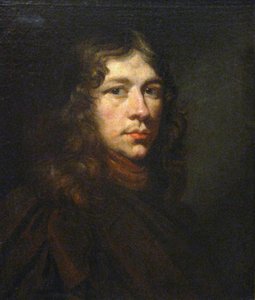
Daniel II Schultz
1615 - 1683 , Poland
Informações Rápidas
- Full Name: Daniel II Schultz
- Nationality: Polish-Lithuanian
- Date Of Birth: 1615
- Date Of Death: 1683
- Place Of Birth: Danice, Poland
- Notable Artworks:
- Crimean Falconer
- Bielany Portrait
- Saint Casimir
- Coffin Portrait
- Artistic Movement Or Style: Baroque
- Artists Who Influenced This Artist:
- Rembrandt
- Philippe de Champaigne
Artigos Relacionados

A Estética do Drama: A Grandiosidade e a Técnica da Arte Barroca no Século XVII
Descubra o drama e a técnica dos mestres do Barroco, de Caravaggio a Rubens. Explore a grandiosidade desta era agora.

Os 10 Mestres do Barroco: Obras-Primas que Moldaram a Arte e Decoram o Lar
Descubra os 10 maiores ícones do Barroco! Explore a história, técnica e emoção por trás de Caravaggio, Rembrandt, Bernini e outros mestres. Encontre reproduções de arte barroca para decorar seu lar com luxo em OriginalUniqueArt.com.
Drama and Light: A Definitive Guide to the Power and Emotion of Baroque Art
Explore the dramatic power of Baroque art through an expert guide to light, shadow, and emotion. Discover how the Counter-Reformation shaped 17th-century masterpieces and learn about the profound techniques used by the Old Masters to inspire awe.

Baroque Classicism: The Grandeur of Order and Drama in 17th-Century Art History
Explore the profound elegance of Baroque Classicism. Discover how 17th-century masters synthesized dramatic emotion with classical order through the lens of the Counter-Reformation and the works of legends like Carlo Maratta and Andrea Sacchi.

The Dramatic Flourish: Exploring the Baroque Movement's Enduring Legacy in Art History
Explore the dramatic world of Baroque art! Discover iconic artists like Caravaggio & Rubens, defining techniques, and its lasting impact on art history. Expert insights for collectors & enthusiasts at OriginalUniqueArt.