
 Preview
 Comprar impressão Comprar imagem em alta resolução
 Enviar
 Compartilhar
 Detalhes da obra
 Adicionar aos favoritos

 Baixar
 Semelhantes
 Raio X
 Slideshow
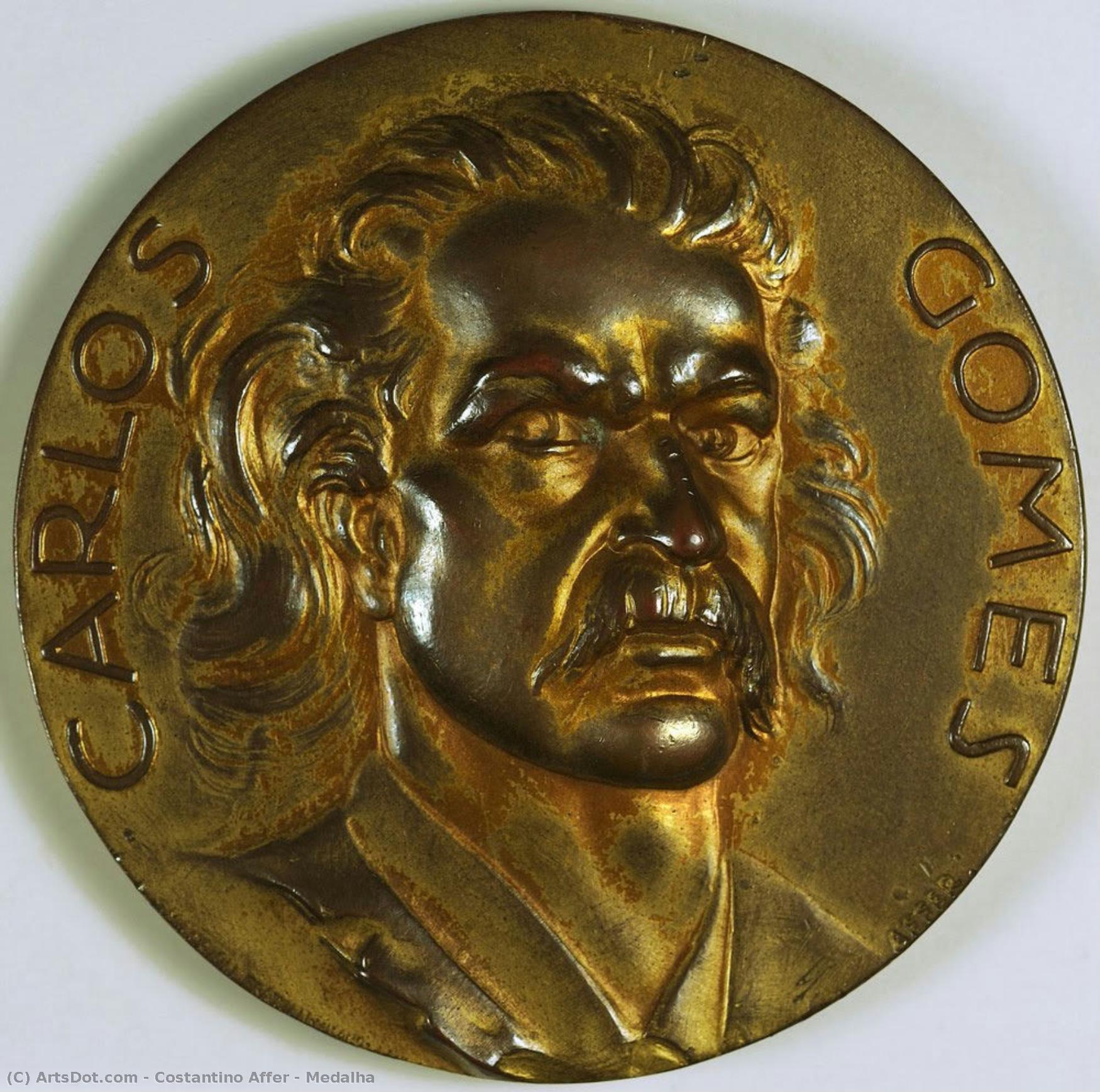
Medalha


 Ver mais
Reprodução em Óleo Feita à Mão
Óleo sobre tela pintado à mão no seu tamanho e moldura, feito sob encomenda pelos nossos artistas.




P118B $10

P118H $10

P118W $10

P438Z $10

P508JH $12

P508YH $12

P805H $10

P805Z $10

P919BZ $10

P919G $10

P919XJ $10

P959ZH $10

P968JZ $12

W106C $8

W218G $10

W218JH $8

W218Y $10

W307PJ $10

W316G $10

W316PJ $8

W316Y $10

W398PJ $8

W4111J $10

W500HY $15

W500JH $15

W692G $12

W849H $8

W940BG $15

W953PJ $8




Escolha entre os nossos tamanhos pré-definidos que respeitam as proporções originais da obra de arte.

Pode inserir as suas próprias dimensões para se adequar a uma moldura ou espaço específico. Se o tamanho selecionado não corresponder às proporções da imagem original, iremos cortar a obra de arte ou estender a pintura com elementos adicionais pintados à mão. Um esboço digital será enviado para sua aprovação antes do início da produção.
Tenha em atenção que a pré-visualização no ecrã não reflete o corte ou extensão real. Apenas o esboço mostrará com precisão a composição final.
Embora tamanhos personalizados estejam disponíveis, recomendamos selecionar uma dimensão da lista predefinida para preservar as proporções originais.
Após o pedido, a equipa OriginalUniqueArt.com enviará um e-mail ao cliente para solicitar instruções e fornecer uma prévia do esboço.
Entrega Mundial () em 3 a 4 semanas, em vez das 5 semanas padrão. (26 Julho). Sem comprometer a qualidade.

Envio Expresso Gratuito para todo o Mundo

Tela de Linho Premium

Seguro de envio completo

Garantia de Reembolso de Impostos Alfandegários

Garantia de Fidelidade de Cores

Política de Devolução de 60 Dias (Apenas para Defeitos)

Garantia de 100% de Reembolso

Desconto para múltiplas unidades
 A opção de vidro está disponível apenas para tamanhos inferiores a 110 cm

Medalha
Técnica de Reprodução
Dimensões da Reprodução
-


Preço Total Final
-
Descrição da Obra
Uma Medalha em Alto Relevo: Uma Celebração da Arte e da História
A obra "Medalha", atribuída ao escultor italiano Costantino Affer (1906-1987), representa um pequeno monumento de bronze que transcende apenas sua estética formal para comunicar uma mensagem poderosa sobre o espírito da época e a importância da memória artística. Criada em torno de 1956, como parte das medalhas oficiais dos Jogos Olímpicos Invernais realizados naquele ano em Melbourne, Austrália, esta peça exemplifica o estilo característico do artista: uma meticulosa atenção aos detalhes e uma maestria técnica que conferem à imagem uma sensação de profundidade e presença física. O escultor Affer, influenciado pela tradição artística italiana e pelo legado de artistas como Cézanne, explorou profundamente as possibilidades da escultura em relevo, buscando capturar não apenas a aparência externa do objeto representado, mas também suas características internas e sua relação com o espaço circundante. Sua abordagem inovadora refletiu o clima intelectual da época pós-guerra, marcada pela busca por novas formas de expressão artística que pudessem transmitir emoções e ideias complexas. A imagem em si é fascinante: um retrato em alto relevo de uma moeda que celebra a conquista olímpica australiana. O rosto masculino esculpido com precisão demonstra uma expressão austera e determinada, enfatizada pelo uso inteligente das lentes que o escultor empregou para capturar os olhos do sujeito. Os detalhes da barba e dos fios de cabelo são trabalhados com cuidado extremo, evidenciando o domínio técnico de Affer e sua capacidade de transmitir uma sensação de textura e movimento à obra. Além disso, a composição geral da moeda é equilibrada e harmoniosa, criando uma imagem que convida à contemplação e à reflexão sobre os valores da competição esportiva e da busca pelo conhecimento científico.- Estilo: Escultura em relevo
- Material: Bronze
- Técnica: Modelagem escultórica tradicional, utilizando ferramentas manuais para criar uma imagem tridimensional que captura a luz e o movimento.
Biografia do Artista
Paul Cézanne: Bridging Impressionism and Modernity
Paul Cézanne, born in Aix-en-Provence, France, on January 19, 1839, was a pivotal figure in the transition from late 19th-century Impressionism to the burgeoning movements of early 20th-century modern art. His life, though relatively short – he died on October 22, 1906 – profoundly impacted the course of painting, establishing new principles of form, color, and perspective that would resonate deeply with artists like Picasso, Matisse, and Braque. Cézanne’s legacy isn't simply one of stylistic innovation; it represents a fundamental shift in how artists perceived and represented the world around them.Early Influences and Artistic Development
Cézanne’s early artistic training was rooted in traditional academic styles, influenced by his father, who worked for the French railway system. He initially studied law at the École Normale Supérieure in Paris but quickly abandoned this path to pursue his passion for art. His early works, particularly those created during his time in Italy (1865-1870), reveal a strong admiration for Italian Renaissance masters like Raphael and Titian. These paintings demonstrate a meticulous attention to detail and a skillful rendering of form – characteristics inherited from the academic tradition. However, even in these early pieces, Cézanne began to experiment with color and composition, hinting at the radical changes that were yet to come. He was deeply affected by the Impressionist movement, particularly the work of Monet and Pissarro, but he never fully embraced its emphasis on fleeting impressions. Instead, he sought a more enduring representation of reality, one rooted in underlying structure and geometric forms.The Mont Sainte-Victoire Series and Formal Exploration
Perhaps Cézanne’s most significant contribution lies in his tireless exploration of a single subject: Mont Sainte-Victoire, the towering mountain that dominates the landscape near Aix-en-Provence. Over six decades, he painted this mountain countless times, each iteration revealing a deepening understanding of its form and a relentless pursuit of formal perfection. These paintings are not merely depictions of a landscape; they are investigations into the very nature of seeing. Cézanne broke with traditional perspective by flattening space, reducing depth to a series of overlapping planes. He employed a limited palette of earthy tones – ochres, browns, greens, and blues – to create a sense of solidity and weight. His brushstrokes were often short, broken, and deliberately visible, contributing to the textured surface of his canvases. The Mont Sainte-Victoire series is a testament to Cézanne’s dedication to distilling the essence of form from its observed appearance.Connections to Surrealism and Beyond
While Cézanne predates the formal emergence of Surrealism, his work profoundly influenced artists associated with the movement. The emphasis on inner vision, the exploration of psychological space, and the use of symbolic imagery in his later paintings resonated with Surrealist principles. Figures like André Breton recognized Cézanne as a precursor to their own explorations of the unconscious mind. Furthermore, Cézanne’s influence extended far beyond the realm of Surrealism. His innovations in color theory, composition, and brushwork paved the way for Cubism, which sought to deconstruct objects into geometric forms and represent them from multiple viewpoints simultaneously. Artists like Picasso and Braque directly studied Cézanne's work, adapting his techniques to create their revolutionary new style.Legacy and Historical Significance
Paul Cézanne’s impact on the history of art is undeniable. He fundamentally altered our understanding of what painting could be, moving beyond mere representation towards a more conceptual and structural approach. His emphasis on form, color, and perspective laid the groundwork for modern abstraction and continues to inspire artists today. Cézanne's relentless pursuit of formal perfection, coupled with his profound connection to the natural world, cemented his place as one of the most important and influential figures in the history of Western art. His work remains a powerful reminder of the transformative potential of artistic innovation and the enduring power of observation.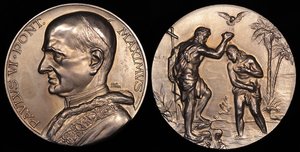
costantino affer
1906 - 1987 , Italy
Informações Rápidas
- Artistic Movement Or Style: Post-Impressionism
- Artists Or Movements Influenced By This Artist:
- Cubism
- Impressionism
- Artists Who Influenced This Artist:
- Jean-Auguste-Dominique Ingres
- William-Adolphe Bouguereau
- Date Of Birth: January 19, 1839
- Date Of Death: October 22, 1906
- Full Name: Paul Cézanne
- Nationality: French
- Notable Artworks:
- The Card Players
- The Bathers
- Mont Sainte-Victoire
- Place Of Birth: Paris, France
Artigos Relacionados
Metropolitan Museum of Art: 25 Obras-Primas Essenciais para Amantes da Arte
Descubra as 25 obras-primas do Metropolitan Museum of Art em Nova York! Explore a história de Van Gogh, Monet e outros artistas renomados. Encontre reproduções de arte exclusivas para decorar sua casa com elegância. OriginalUniqueArt.com – Sua fonte de inspiração artística.

As 10 Obras em Bronze Mais Icônicas que Transformaram a História da Arte | OriginalUniqueArt
Descubra as 10 esculturas em bronze mais influentes da história! Explore a arte de Rodin, Michelangelo e outros mestres. Reproduções de alta qualidade para decorar sua casa com elegância. OriginalUniqueArt.
Os 25 Tesouros da National Gallery of Art: Arte, História e Decoração Exclusiva
Descubra os 25 tesouros da National Gallery of Art, Washington! Explore a história de Cézanne, Matisse, Picasso e outros mestres. Encontre reproduções de arte exclusivas para decorar sua casa com elegância. Inspire-se e explore a coleção completa em OriginalUniqueArt.com.
25 Obras-Primas do DIA: Arte, História e Decoração Inspiradora em Detroit
Descubra as 25 obras-primas do Detroit Institute of Arts! Explore a história de Van Gogh, Monet e outros artistas icônicos. Encontre reproduções de arte de alta qualidade para decorar sua casa com elegância. OriginalUniqueArt.com: A sua fonte de inspiração artística.

James Abbott McNeill Whistler: As 25 Obras-Primas que Definem um Mestre da Arte
Descubra as 25 obras-primas de James Abbott McNeill Whistler, o mestre do Impressionismo e dos 'Nocturnes'. Explore a história por trás de cada pintura, cores e técnicas. Encontre reproduções de arte exclusivas para decorar sua casa com elegância em OriginalUniqueArt.com!


