

 Visualizar em escala
 Enviar
 Compartilhar
 Ver detalhes
 Guia de Obras do Aluno

 Baixar imagem
 Semelhantes
 Raio X
 Apresentação de slides
 Estatísticas
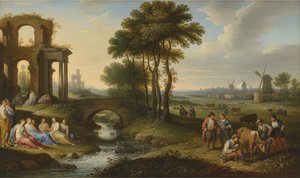
PAYSAGE AUX CINQ BAIGNEUSES


 Ver mais
Giclée / Impressão de Arte
Impressão giclée ou em tela de qualidade de museu, com produção rápida e opções flexíveis de acabamento. ( Encomendar reprodução pintada à mão Ver Imagem Digital)




P118B $10

P118H $10

P118W $10

P438Z $10

P508JH $12

P508YH $12

P805H $10

P805Z $10

P919BZ $10

P919G $10

P919XJ $10

P959ZH $10

P968JZ $12

W106C $8

W218G $10

W218JH $8

W218Y $10

W307PJ $10

W316G $10

W316PJ $8

W316Y $10

W398PJ $8

W4111J $10

W500HY $15

W500JH $15

W692G $12

W849H $8

W940BG $15

W953PJ $8




Escolha entre os nossos tamanhos pré-definidos que respeitam as proporções originais da obra de arte.

Você pode inserir suas próprias dimensões para se ajustar a uma moldura ou espaço específico. Se o tamanho selecionado não corresponder às proporções da imagem original, iremos recortar a obra de arte ou estender a imagem com uma borda espelhada ou preenchimento sólido. Um mockup digital será enviado para sua aprovação antes do início da produção.
Por favor, observe que a visualização na tela não reflete o recorte ou a extensão real. Apenas o mockup mostrará com precisão a composição final.
Embora tamanhos personalizados estejam disponíveis, recomendamos selecionar uma dimensão da lista predefinida para preservar as proporções originais.
Entrega mundial () em 2 semanas, em vez das 4/5 semanas padrão. (27 Setembro)

Envio expresso gratuito para todo o mundo

Tela de Linho Premium

Seguro de transporte total

Garantia de Reembolso de Impostos Alfandegários

Garantia de Fidelidade de Cor

Política de Devolução em 100 Dias (Apenas para Defeitos)

Garantia de reembolso de 100%

Desconto para múltiplas unidades
 A opção de vidro está disponível apenas para tamanhos inferiores a 110 cm

PAYSAGE AUX CINQ BAIGNEUSES
Giclée / Impressão de Arte
Dimensões da Reprodução
-


Preço Total
$ 80
A Symphony of Light and Myth
In the quiet, golden glow of an idealized Roman hillside, Cornelis van Poelenburch’s Paysage aux cinq baigneuses (Landscape with Five Bathers) invites the viewer into a realm where time seems to suspend itself. Executed between 1627 and 1630, this exquisite oil on copper masterpiece serves as a profound meditation on the harmony between humanity and the natural world. As one gazes upon the lush foliage and rugged rocky outcrops, there is an immediate sense of serenity, a palpable stillness that transcends the centuries. The painting does not merely depict a scene; it orchestrates an atmosphere, using a warm, diffused light to bathe five nude figures in a soft, ethereal radiance that suggests a moment of divine grace captured in the fleeting seconds of a summer afternoon.
The narrative woven into this landscape is deeply rooted in the humanist ideals of the seventeenth century. By portraying men and women engaged in the ritual of bathing amidst nymphs and satyrs, Van Poelenburch draws directly from the wellspring of classical mythology. This choice of subject matter elevates the work from a simple pastoral scene to a symbolic exploration of desire, beauty, and contemplation. The figures, rendered with a delicate grace, embody the Renaissance preoccupation with the human body as a vessel of both intellect and aesthetic perfection. For the discerning collector or interior designer, this piece offers more than visual splendor; it provides a window into an era that sought to find the sacred within the sensual, making it a captivating centerpiece for any space dedicated to reflection and elegance.
Mastery of the Baroque Brush
Technically, the work is a triumph of the Dutch Baroque tradition, showcasing Van Poelenburch’s ability to balance the dramatic tension of Mannerism with the clarity of the emerging Baroque style. The artist employs a sophisticated technique of layering oil paint to build a sense of profound depth and volume. While one might detect subtle distortions in form—a lingering influence from his Mannerist predecessors—the overall composition is defined by an exquisite equilibrium. The perspective recedes thoughtfully into hazy, distant mountains, creating a spatial ambiguity that draws the eye deeper into the landscape, while the organic shapes of trees and stone are anchored by a balanced, classical structure.
The color palette is a masterclass in understated luxury, dominated by earthy ochres, deep browns, and muted greens that ground the mythological fantasy in a sense of tangible reality. These somber tones are brilliantly punctuated by highlights of gold and pale blues in the sky, mirroring the way sunlight filters through a forest canopy. The texture of the skin is rendered with such smoothness that it almost invites a tactile response, contrasting beautifully with the ruggedness of the landscape. For those seeking to adorn a sophisticated interior, this painting offers a versatile emotional impact; its warm tones and tranquil subject matter can evoke feelings of peace and classical grandeur, seamlessly integrating into both traditional and contemporary settings as a testament to timeless artistic excellence.
Biografia do Artista
primeiros anos e formação
cornelis van poelenburgh, um proeminente pintor de paisagens holandês, nasceu em utrecht, na holanda, em 1594. seus primeiros passos no mundo das artes foram guiados pelo mestre abraham bloemaert, um artista de renome na época. este aprendizado fundamental foi o alicerce sobre o qual van poelenburch construiu seu futuro sucesso artístico.carreira artística e influências
as viagens de van poelenburch a roma, no início do século XVII, exerceram uma influência profunda em sua obra, consolidando-o como um dos principais representantes da primeira geração de pintores de paisagens holandeses que atuaram na Itália. suas pinturas de pequena escala, que frequentemente apresentam paisagens italianizadas habitadas por pequenas figuras encenando cenas bíblicas ou mitológicas, revelam um estilo único e encantador. obras notáveis:- satyrs spying on nymphs (após 1627), um exemplo característico do trabalho de van poelenburch, apresentando paisagens arcaicas com figuras em banho. (ver no OriginalUniqueArt)
- council of the gods (c. 1630), uma pintura que exibe a paisagem montanhosa idealizada de van poelenburch e deusas inspiradas no mundo romano, atualmente preservada no mauritshuis (haia, holanda). (ver no OriginalUniqueArt)
legado e últimos anos
a obra de van poelenburch era altamente estimada por seus contemporâneos, incluindo o grão-duque da toscana e o stadholder holandês. ele retornou posteriormente a utrecht, onde faleceu em 1667, apenas alguns anos após seu antigo mestre abraham bloemaert. pontos principais:- nascido em utrecht, holanda, em 1594
- treinado com abraham bloemaert
- influenciado por seu período em roma
- conhecido por paisagens italianizadas de pequena escala com figuras
- faleceu em utrecht em 1667 ver obras de cornelis van poelenburch no OriginalUniqueArt saiba mais sobre cornelis van poelenburgh na wikipedia

Cornelis Van Poelenburch
1594 - 1667 , Países Baixos
Informações Rápidas
- Artistic Movement Or Style: Paisagem Holandesa, Romanista
- Artists Or Movements Influenced By This Artist: ['Claude Lorraine']
- Artists Who Influenced This Artist: ['Abraham Bloemaert']
- Date Of Birth: 1594, Utrecht, Países Baixos
- Date Of Death: 1667, Utrecht, Países Baixos
- Full Name: Cornelis van Poelenburgh
- Nationality: Holandesa
- Notable Artworks:
- Sátiros espiando ninfas
- Conselho dos deuses
- Place Of Birth: Utrecht, Países Baixos
Artigos Relacionados

Masterpieces of Light: A Definitive Guide to the Landscapes of the Dutch Golden Age
Discover the luminous mastery of Dutch Golden Age landscapes. Our expert guide explores the atmospheric realism of masters like Van Goyen and Cuyp. Elevate your space with museum-quality, hand-painted oil reproductions from OriginalUniqueArt.com. Art history, beautifully realized.
Cornelis van Poelenburch: Bridging Mannerism & the Dutch Baroque Landscape
Discover Cornelis van Poelenburch, a pivotal Dutch Baroque landscape painter bridging Mannerism & Italianate styles. Explore his life, key works, and lasting influence on 17th-century art with OriginalUniqueArt.

Rembrandt van Rijn: As 25 Obras-Primas que Definem um Mestre da Luz e Sombra | OriginalUniqueArt
Descubra as 25 obras-primas de Rembrandt van Rijn, o mestre da luz e sombra! Explore a história por trás de 'A Ronda Noturna', seus auto-retratos e muito mais. Encontre reproduções de arte exclusivas para decorar sua casa com OriginalUniqueArt.com.

Golden Light & Dutch Skies: The Timeless Magic of Dutch Golden Age Landscapes
Discover the breathtaking beauty of Dutch Golden Age landscapes. Explore the mastery of light, chiaroscuro, and 17th-century realism through an expert art history lens, celebrating the enduring legacy of the Dutch Masters for discerning collectors and art lovers.

Jan van Goyen: Master of Dutch Landscape & Atmospheric Perspective
Discover Jan van Goyen, the master of Dutch landscape painting. Explore his subtle technique, atmospheric realism & lasting influence on art history. Learn about this 17th-century pioneer at OriginalUniqueArt.