
 Visualizar em escala
 Enviar
 Compartilhar
 Ver detalhes

 Baixar
 Semelhantes
 Raio X
 Apresentação de slides
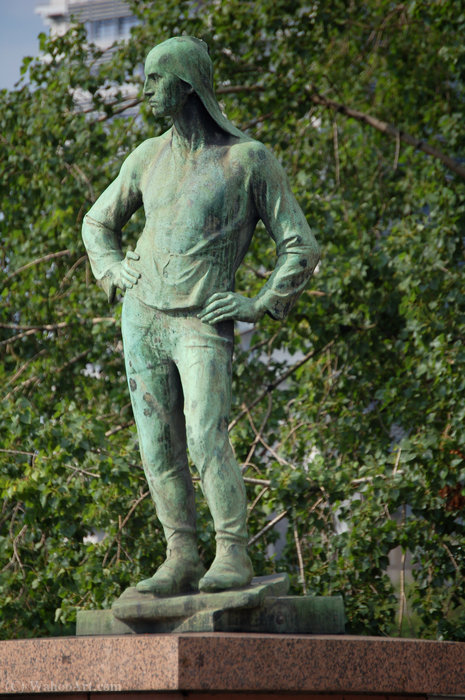
Der hafenarbeiter
 Ver mais
Reprodução em Óleo Feita à Mão
Óleo sobre tela pintado à mão no seu tamanho e moldura, feito sob encomenda pelos nossos artistas. ( Encomendar impressão Comprar imagem em alta resolução)




































Escolha entre os nossos tamanhos pré-definidos que respeitam as proporções originais da obra de arte.

Pode inserir as suas próprias dimensões para se adequar a uma moldura ou espaço específico. Se o tamanho selecionado não corresponder às proporções da imagem original, iremos cortar a obra de arte ou estender a pintura com elementos adicionais pintados à mão. Um esboço digital será enviado para sua aprovação antes do início da produção.
Tenha em atenção que a pré-visualização no ecrã não reflete o corte ou extensão real. Apenas o esboço mostrará com precisão a composição final.
Embora tamanhos personalizados estejam disponíveis, recomendamos selecionar uma dimensão da lista predefinida para preservar as proporções originais.
Após o pedido, a equipa OriginalUniqueArt.com enviará um e-mail ao cliente para solicitar instruções e fornecer uma prévia do esboço.
Entrega mundial () em 3 a 4 semanas, em vez das 5 semanas padrão. (21 Agosto). Sem comprometer a qualidade.

Envio Expresso Gratuito para todo o Mundo

Tela de Linho Premium

Seguro de transporte total

Garantia de Reembolso de Impostos Alfandegários

Garantia de Fidelidade de Cor

Política de Devolução de 60 Dias (Apenas para Defeitos)

Garantia de reembolso de 100%

Desconto para múltiplas unidades
 A opção de vidro está disponível apenas para tamanhos inferiores a 110 cm

Der hafenarbeiter
Técnica de Reprodução
Dimensões da Reprodução
-


Preço Total
$ 300
Biografia do Artista
A Life Forged in Industry: The World of Constantin Meunier
Constantin Meunier, born in the Brussels suburb of Etterbeek in 1831, was an artist profoundly shaped by the burgeoning industrial revolution and its impact on the human spirit. His life story is one interwoven with hardship and a deep-seated empathy for the working class—a narrative that would become the defining characteristic of his artistic output. The shadow of personal tragedy fell early; his father’s suicide cast a long pall over his childhood, instilling in him perhaps a heightened sensitivity to suffering and vulnerability. This formative experience, coupled with growing up amidst the factories and laborers of Brussels, fueled a lifelong commitment to portraying the dignity and struggle inherent in manual labor. Initially drawn to sculpture, studying at the Academy of Fine Arts in Brussels under Louis Jehotte and Charles-Auguste Fraikin, Meunier’s artistic path took an unexpected turn after encountering Gustave Courbet's groundbreaking realism. The raw honesty of “The Stone Breakers” resonated deeply, leading him to believe that painting offered a more potent medium for addressing the pressing social issues of his time. For nearly three decades, from 1857 to 1884, he dedicated himself primarily to this art form, meticulously documenting the lives unfolding around him.From Social Realism to Monumental Visions
Meunier’s early paintings reveal a keen observational eye and an emerging concern for everyday life. Works like “The Salle St Roch” (1857) and “A Trappist Funeral” (1860) demonstrate his ability to capture the atmosphere of ordinary moments, but it was his immersion into the world of industry that truly ignited his artistic vision. He became a chronicler of the working class—the miners descending into the earth’s depths, the dockworkers straining under heavy loads, the steelworkers battling the fiery furnace. Paintings such as “Melting Steel at the Factory at Seraing” (1882) and “Returning from the Pit” (1884) are not merely depictions of labor; they are powerful statements about human endurance, resilience, and the often-brutal realities of industrial life. These works weren’t simply representations of physical exertion but attempts to convey the emotional toll of a demanding existence—the weariness, the hope, and the quiet dignity found in the faces of those who labored. A period in Spain, commissioned by the Belgian government in 1882, offered a temporary shift towards religious themes—paintings like “The Café Concert,” “Procession on Good Friday,” and “The Tobacco Factory at Seville” showcasing his versatility. However, this detour proved fleeting. Around 1885, Meunier felt an irresistible pull back to sculpture, recognizing its unique capacity to convey the physicality and monumental presence of labor. This return marked a new phase in his career, one characterized by powerfully emotive works like “The Puddler” (1886), “Firedamp” (1889), and “Le Débardeur,” each capturing the raw energy and inherent dignity of working men.Influences and Artistic Development
Meunier’s artistic development was shaped by a confluence of factors. His early exposure to Courbet's realism instilled in him a desire to depict the world as he saw it, without romanticizing or idealizing. The changing industrial landscape of Belgium itself provided a constant source of inspiration, offering a wealth of subject matter and a compelling narrative for his art. However, Meunier wasn’t merely a documentarian; he possessed a unique ability to imbue his subjects with a sense of dignity and pathos. He didn't shy away from depicting the harshness of labor, but he always emphasized the inherent worth and resilience of those who performed it. The tragic loss of his father profoundly impacted his artistic sensibility, fostering a deep empathy for the vulnerable and marginalized—a theme that consistently permeated his work. Furthermore, Meunier’s time spent studying sculpture under Jehotte and Fraikin provided him with a foundational understanding of form and technique, which he later adapted to his painting style. He was influenced by the Romantic movement's focus on emotion and individualism, but ultimately forged his own distinct voice—one rooted in social realism and a profound respect for the dignity of labor.The Monument to Labour: A Lasting Legacy
Perhaps Meunier’s most ambitious undertaking was the “Monument to Labour,” a sprawling, multi-faceted work acquired by the Belgian state. This monumental project wasn't simply a sculpture; it was an entire artistic ecosystem designed to celebrate the contributions of the working class. It comprised four stone bas-reliefs representing industry, mining, harvest, and the harbor—each panel teeming with figures engaged in their respective trades. Complementing these were four bronze statues: the sower, the smith, the miner, and the ancestor—archetypal representations of labor through the ages. At the heart of it all stood a poignant bronze group titled “Maternity,” acknowledging the vital role of women and family within this world. The "Monument to Labour" wasn’t just about depicting work; it was about elevating it, imbuing it with a sense of nobility and recognizing its fundamental importance to society. This monumental work served as a powerful statement on the social value of labor—a testament to the contributions of ordinary people who shaped the nation's economy and identity.Historical Significance and Artistic Impact
Constantin Meunier’s work holds significant historical importance, representing a pivotal moment in the development of Belgian art and reflecting broader European trends toward social realism. His unflinching portrayal of industrial workers challenged prevailing artistic conventions and brought attention to the plight of the working class—a subject often overlooked by mainstream artists. Meunier's commitment to depicting labor with dignity and respect paved the way for later generations of socially conscious artists, both in Belgium and beyond. The “Monument to Labour,” in particular, stands as a powerful symbol of social progress and a lasting tribute to the contributions of working people. His art continues to be studied and admired for its emotional depth, technical skill, and profound engagement with contemporary social issues. Meunier’s legacy endures not only through his paintings and sculptures but also through the Museum Constantin Meunier in Brussels, which preserves and celebrates his artistic achievements—a testament to a life dedicated to capturing the spirit of an era.
Constantin Meunier
1831 - 1905 , Bélgica
Informações Rápidas
- Artistic Movement Or Style: Realismo Social
- Artists Or Movements Influenced By This Artist: ['Social Realism']
- Artists Who Influenced This Artist: ['Courbet']
- Date Of Birth: 1831
- Date Of Death: 1905
- Full Name: Constantin Meunier
- Nationality: Bélgica
- Notable Artworks:
- Salle St Roch
- Ret.
- Puddler
- Place Of Birth: Etterbeek, Bélgica


