
() ·
Uma pintura feita para você, à mão
Reprodução em Óleo Feita à Mão
Óleo sobre tela pintado à mão no tamanho e moldura de sua escolha, feito sob encomenda pelos nossos artistas. ( Alternar para Impressão Alternar para Imagem Digital)
Descrição do Item
Discover "Sibyl" by Conrad Meit (1532). A stunning Gothic-Renaissance sculpture of a serene figure. Explore this masterpiece's intricate details & historical context.
Biografia do Artista
German sculptor Conrad Meit (1485-1551) bridged late Gothic & Renaissance styles. Known for emotive figures, royal tombs & anatomical realism in wood & alabaster.
 Ler mais
de ·
Capítulo 1
Qual deve ser o tamanho?
Deslize para alterar o tamanho; a imagem à esquerda mostra a moldura em sua largura real. As proporções originais são mantidas.
Escolha entre os nossos tamanhos pré-definidos que respeitam as proporções originais da obra de arte.

Insira a largura e a altura desejadas para se ajustarem à sua moldura ou parede. Como esta obra é pintada à mão, para um tamanho com proporções diferentes, o artista poderá pintar um pouco mais ao redor da imagem ou reduzir ligeiramente a composição — você escolhe. Enviamos uma maquete digital para sua aprovação antes de iniciar a pintura. A imagem exibida nesta página não representa o resultado real — apenas a maquete mostra o resultado final.
Capítulo 2
Como deve chegar?
Escolha as bordas da tela esticada
Escolha sua moldura

Branco €1

Bordas esfumaçadas €1

Bordas estendidas €1

P118B €10

P118H €10

P118W €10

P438Z €10

P508JH €12

P508YH €12

P805H €10

P805Z €10

P919BZ €10

P919G €10

P919XJ €10

P959ZH €10

P968JZ €12

W106C €8

W218G €10

W218JH €8

W218Y €10

W307PJ €10

W316G €10

W316PJ €8

W316Y €10

W398PJ €8

W4111J €10

W500HY €15

W500JH €15

W692G €12

W849H €8

W940BG €15

W953PJ €8

H24-GOLD €30

H24-SILVER €30

H36-GOLD €45

H36-SILVER €45
Com moldura
Moldura: . Dimensões totais com a moldura: .
Capítulo 3
Quem o pinta, e deveria algo mudar?
Após o pedido, a equipe da OriginalUniqueArt.com enviará um e-mail ao cliente para instruções e fornecerá uma prévia da montagem
Entrega mundial () em 3 a 4 semanas, em vez das 5 semanas padrão. (21 Novembro). Sem comprometer a qualidade.
Capítulo 4
Os retoques finais
Uma placa de identificação, como em um museu?
Detalhes da Placa de Bronze Gravada
This elegant plaque features the artist's name and the title of the artwork, finely engraved for a timeless presentation.
It is made from bronze with a refined, elegant finish. The text is precisely laser-engraved for a sharp and permanent result. Measuring 9x2 cm, the plaque is compact yet easy to read. It's built to be durable and scratch-resistant, offering a professional, museum-quality look. Mounting is simple thanks to the included adhesive backing.
Detalhes da Placa de Acrílico Transparente
The plaque includes essential engraved details such as the artist's name, the title of the artwork, the date it was created, the type of media used-like oil on canvas or watercolor-a brief description of the piece, and a QR code that links to the complete artwork information.
It is crafted from clear acrylic, offering a sleek, modern appearance. The text is UV-engraved in black to ensure strong visual contrast. With a size of 10x15 cm, it ensures optimal readability. It comes equipped with two metal hooks for secure wall mounting. The plaque is designed to be weather-resistant, making it suitable for various environments, and it includes interactive features that work seamlessly with smartphone scanning.
Detalhes da Placa de Acrílico Preto
This elegant plaque includes engraved information such as the artist's name, the title of the artwork, the date it was created, the type of media used (like oil on canvas or watercolor), a short description of the artwork, and a QR code for quick access to more information.
The plaque itself is made from refined black acrylic with a premium finish. The text is laser-engraved in white for high contrast and readability. Its size is 10x15 cm, designed to be easy to read. It comes with two metal hooks for professional mounting. The design is sleek and fits any interior style. It is also weather-resistant and durable, with built-in digital integration for mobile compatibility.
Um verniz protetor?
Para quando você precisa?
Capítulo 5
A sua pintura, conforme encomendada

Sibyl
Técnica de Reprodução
Tamanho da Reprodução
-

Artista Sênior de Elite
Mais detalhes, refinamento e tempo de produção adicional
-

Moldura para Reprodução
-
-
Para obras de arte ou reproduções com mais de 105 cm (aproximadamente 41 polegadas) em qualquer um dos lados, a moldura será enviada como um kit desmontado. Este método garante uma entrega segura e evita danos durante o transporte.
Montagem profissional necessária — este não é um produto DIY (faça você mesmo).
O kit deve ser montado e a tela esticada por um profissional de molduraria experiente, utilizando cola de madeira (não inclusa), um alicate de esticar tela e grampos para manter as travessas alinhadas enquanto a cola seca. A montagem incorreta ou a tensão desigual da tela podem danificar permanentemente a obra de arte e não estão cobertas pela nossa garantia.
 Para obras de arte ou reproduções com mais de 105 cm (aproximadamente 41 polegadas) em qualquer um dos lados, a moldura será enviada como um kit desmontado. Este método garante uma entrega segura e evita danos durante o transporte.
Todas as barras de madeira maciça estão incluídas, precisamente cortadas ao tamanho certo.
Montado com os parafusos fornecidos, além de cola para madeira para as junções dos cantos, que não está inclusa e deve ser providenciada pelo seu moldurista.
São necessárias ferramentas profissionais não incluídas: um alicate de estiramento de tela (esticador) e grampos para manter as ripas alinhadas enquanto a cola seca.
Importante:
As junções dos cantos requerem cola para madeira, as ripas devem ser mantidas com grampos até que a cola esteja completamente seca, e o estiramento da tela na moldura montada requer um alicate de esticar tela. Nenhum destes itens está incluído no kit. Por favor, certifique-se de contar com um profissional de molduraria experiente antes de encomendar este tamanho.

Etiqueta de identificação
-
-

Verniz de Proteção
Verniz brilhante (realça as cores e protege contra a luz e a umidade)
-

Personalizar minha obra
Exemplos de alterações possíveis: Substituir o rosto por uma foto do cliente; Adicionar um animal de estimação (ex.: substituir gato por cachorro); Incluir uma mensagem oculta no fundo; Alterar a paisagem ou os elementos do fundo.
-

Urgente
Entrega mundial () em 3 a 4 semanas, em vez das 5 semanas padrão. (21 Novembro). Sem comprometer a qualidade.
-
Envio Expresso
Entrega mundial para em 5 semanas. (28 Novembro).
Com envio incluído
Preço Total
€ 267
A opção de vidro está disponível apenas para tamanhos inferiores a 110 cm
Incluído em todos os pedidos
- Envio expresso gratuito para todo o mundo
- Tela de Linho de Alta Qualidade
- Seguro de transporte completo
- Garantia de Reembolso de Impostos Alfandegários
- Garantia de Fidelidade Cromática
- Política de Devolução em 100 Dias (Apenas para Defeitos)
- Garantia de reembolso de 100%
- Oferta de desconto por quantidade


 Visualizar na parede
 Compartilhar
 Compartilhar
 Detalhes
 Guia
Guia

 Baixar imagem
 Semelhantes
 Raio X
 Ver diaporama
 Perguntas e Respostas
 Estatísticas
Em números
- 1532o ano em que foi pintada
- 29molduras para escolher
- tamanhos padrão, em suas próprias proporções
- 5semanas para pintar e entregar
Sobre o original


Conrad Meit
1485 - 1551, Germany
Informações rápidas sobre Conrad Meit
- Full Name: Alessandro di Mariano Filipepi
- Nationality: Italian
- Date Of Birth: 1485
- Date Of Death: 1551
- Place Of Birth: Germany
- Notable Artworks:
- Birth of Venus
- Primavera
- Artistic Movement Or Style: Early Renaissance, Renaissance
- Artists Who Influenced This Artist: ['Filippo Lippi']
- Artists Or Movements Influenced By This Artist: ['Giorgio Vasari']
Biografia do Artista
Sandro Botticelli: The Poet of Florence
Alessandro di Mariano Filipepi, better known as Sandro Botticelli, remains one of the most beloved and instantly recognizable figures in the history of Western art. Born in Florence in 1445, he emerged from a family deeply rooted in the Florentine artisan world – his father was a tanner, a craft intimately connected to the city’s identity. While initially apprenticed to a goldsmith, Botticelli's true passion lay in painting, a path guided by the influential master Filippo Lippi, whose dynamic style and mastery of technique profoundly shaped the young artist’s development. This early exposure to Lippi’s approach—characterized by a vibrant palette, expressive figures, and a keen awareness of linear perspective—laid the foundation for Botticelli's distinctive artistic voice. Botticelli’s formative years were marked by a deliberate study of classical antiquity, a trend increasingly prevalent in Renaissance Florence. He meticulously examined sculptures from the Roman era, absorbing their idealized forms and graceful compositions. This fascination with the past would become a defining characteristic of his work, informing his choice of subjects and influencing his artistic style. His early works demonstrate a clear debt to the Gothic tradition, yet they quickly evolved into something uniquely his own—a synthesis of classical ideals and Renaissance innovation. The name Botticelli itself is derived from “Botticello,” a diminutive form of Giovanni Botticeli, his elder brother who operated as a pawnbroker.The Birth of Venus and Primavera: Defining the Florentine Renaissance
Botticelli’s artistic reputation soared with the creation of two monumental works that have become synonymous with the spirit of the Florentine Renaissance: *The Birth of Venus* (1486) and *Primavera* (c. 1477-1482). *The Birth of Venus*, depicting the goddess Venus emerging from a giant scallop shell, captivated audiences with its ethereal beauty and allegorical complexity. The painting’s delicate colors, flowing drapery, and graceful figures embody the Renaissance fascination with classical mythology and humanism. Similarly, *Primavera* is a complex tapestry of mythological figures—Venus, Flora, Zephyrus, Mercury, and Cupid—arranged within a lush, idealized landscape. The painting's intricate details, vibrant hues, and symbolic references to Neoplatonic philosophy reflect Botticelli’s engagement with contemporary intellectual currents. These works weren’t merely decorative; they were carefully constructed narratives designed to evoke profound emotions and convey complex ideas.A Painter of Patrons and Portraits
Botticelli's career was inextricably linked to the patronage system that flourished in Renaissance Florence. He served several prominent families, including the Medici, the de’ Medici, and the Pitti, providing them with a continuous stream of commissions for religious paintings, allegorical scenes, and portraits. His portraiture, particularly his depictions of members of the Medici family, is notable for its psychological depth and subtle elegance. He captured not just physical likenesses but also conveyed a sense of character and personality—a remarkable achievement for the time. Botticelli’s ability to adapt his style to suit the tastes of his patrons demonstrates his versatility as an artist and his understanding of the social dynamics of Renaissance Florence.Later Years and Legacy
As Botticelli aged, his artistic style underwent a subtle transformation. His later works, such as *Adoration of the Magi* (1482), exhibit a greater emphasis on linear clarity and a more restrained palette compared to his earlier, more exuberant paintings. Some scholars believe that this shift reflects a growing disillusionment with the political turmoil and religious conflicts that plagued Florence during his later years. Despite these changes, Botticelli’s artistic legacy remains undiminished. His paintings continue to inspire awe and admiration for their beauty, grace, and profound symbolic meaning. He is remembered not only as one of the greatest painters of the Florentine Renaissance but also as a poet—a master of visual storytelling who captured the spirit of his age with unparalleled skill and sensitivity. Botticelli died in Florence in 1510 at the age of 65, leaving behind a body of work that continues to resonate with audiences centuries later. His influence on subsequent generations of artists is undeniable, cementing his place as a pivotal figure in the history of Western art.Artigos Relacionados

25 Must-See Masterpieces at Budapest's Szépművészeti Múzeum
Explore 25 iconic masterpieces from Budapest's Szépművészeti Múzeum. Discover timeless art legends on OriginalUniqueArt.com.

25 Must-See Masterpieces at the Szépművészeti Múzeum in Budapest
Explore 25 iconic masterpieces from Budapest's Szépművészeti Múzeum. Discover museum-quality art on OriginalUniqueArt.com.

25 Must-See Masterpieces at Budapest's Szépművészeti Múzeum
Explore 25 iconic European masterpieces at Budapest's Szépművészeti Múzeum. Discover the full collection online at OriginalUniqueArt.com.
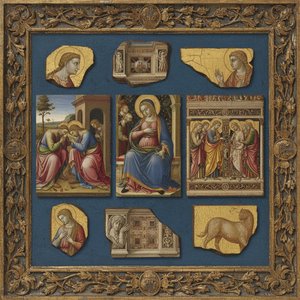
Proto-Renascimento: 10 Obras-Primas que Moldaram a Arte Moderna | OriginalUniqueArt
Descubra as 10 obras-primas do Proto-Renascimento que revolucionaram a arte! Explore Giotto, Duccio e Cimabue. Encontre reproduções de alta qualidade para decorar sua casa com OriginalUniqueArt.com. Inspire-se!