
 Visualizar na parede
 Compartilhar
 Compartilhar
 Detalhes
 Guia
Guia

 Baixar imagem
 Semelhantes
 Raio X
 Ver diaporama
 Perguntas e Respostas
 Estatísticas
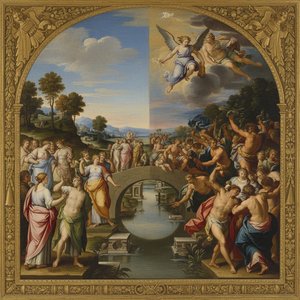
Laudatory epigraph for Agostino Carracci


 Ler mais
Giclée / Impressão de Arte
Impressão giclée ou em tela de qualidade de museu, com produção rápida e opções flexíveis de acabamento. ( Comprar pintura feita à mão Alternar para Imagem Digital)




































Escolha entre os nossos tamanhos pré-definidos que respeitam as proporções originais da obra de arte.

Insira a largura e a altura desejadas para se ajustarem à sua moldura ou parede. Uma impressão pode ser apenas cortada, nunca ampliada além da imagem original; portanto, um tamanho com proporções diferentes resultará na perda de parte da imagem. Enviamos uma maquete digital para sua aprovação antes de realizarmos a impressão. A imagem exibida nesta página não mostra o corte real — apenas a maquete o faz.
Entrega mundial () em 2 semanas, em vez das 4/5 semanas padrão. (3 Novembro)

Envio expresso gratuito para todo o mundo

Tela de Linho de Alta Qualidade

Seguro de transporte completo

Garantia de Reembolso de Impostos Alfandegários

Garantia de Fidelidade Cromática

Política de Devolução em 100 Dias (Apenas para Defeitos)

Garantia de reembolso de 100%

Oferta de desconto por quantidade
 A opção de vidro está disponível apenas para tamanhos inferiores a 110 cm

Laudatory epigraph for Agostino Carracci
Giclée / Impressão de Arte
Tamanho da Reprodução
-


Preço Total
€ 72
Perguntas e Respostas
Posso encomendar uma reprodução a óleo de "Laudatory epigraph for Agostino Carracci"?
Reproduções pintadas à mão de "Laudatory epigraph for Agostino Carracci", de Cláudio Achilino podem ser adquiridas no este site: uma reprodução a óleo pintada à mão sobre tela de linho, através da sua página de encomendas Reprodução Pintada à Mão.
"Laudatory epigraph for Agostino Carracci" está disponível como uma impressão fine art?
"Laudatory epigraph for Agostino Carracci" está disponível como uma impressão fine art em tela de algodão ou papel canvas de arquivo. Os pedidos podem ser feitos na página de Impressão Fine Art, no tamanho de sua escolha.
Posso ver "Laudatory epigraph for Agostino Carracci", de Cláudio Achilino na minha própria parede antes de comprar?
A página de Prévia em RA de "Laudatory epigraph for Agostino Carracci", de Cláudio Achilino utiliza realidade aumentada para mostrar a obra em seu próprio espaço, através de um dispositivo compatível.
Biografia do Artista
Claudius Achillinus: The Baroque Poet of Bologna
Claudius Achillinus (latin claudius achillinus; 18 september 1574 – 1 october 1640) was an italian philosopher, theologian, mathematician, poet, and jurist. He is a major figure in the history of italian baroque poetry, celebrated for his masterful Latin verse that captured the spirit of its time—a period marked by dramatic artistic innovation and fervent religious fervor. Born in Bologna, Italy, Achillinus descended from a distinguished legal family, shaping his intellectual pursuits accordingly. His formative years instilled within him a profound appreciation for logic and argumentation, which would later permeate his poetic endeavors.Early Life & Education: A Foundation of Scholarly Excellence
Achillinus’s upbringing fostered an environment of scholarly excellence. He studied law at Bologna University, gaining renown as a brilliant jurist—a profession that provided him with invaluable experience in interpreting legal texts and formulating persuasive arguments. This grounding in jurisprudence undoubtedly influenced his stylistic choices in poetry, prioritizing clarity and precision alongside emotional depth. His dedication to intellectual pursuits would become the cornerstone of his artistic legacy.Philosophical Influences: Cartesian Rationalism & Metaphysical Exploration
Achillinus’s intellectual journey extended beyond law into the realm of philosophy. He embraced Cartesian rationalism, aligning himself with the dominant philosophical currents of his era. Descartes' emphasis on deductive reasoning—starting from fundamental axioms—provided Achillinus with a framework for exploring metaphysical questions and constructing intricate conceptual structures within his poems. This commitment to reasoned thought profoundly shaped his poetic vision—a reflection of the Baroque’s fascination with intellectual puzzles and its pursuit of universal truths.Literary Career: Latin Verse & The Baroque Aesthetic
Achillinus’s poetic output consisted primarily of Latin verses, reflecting the prestige accorded to classical scholarship during the Baroque period. He skillfully employed elaborate metaphors and rhetorical devices—techniques favored by poets like Marino—to convey complex ideas with breathtaking artistry. His work exemplifies the baroque penchant for grandeur and theatricality, mirroring the opulent architectural styles and dramatic narratives characteristic of the era. Notably, he penned an epigraph for Agostino Carracci’s monumental fresco cycle in Palazzo Farnese, Rome—a testament to his artistic prowess and his embrace of humanist ideals.Notable Achievements & Recognition: Patronage & Literary Prestige
Achillinus achieved considerable acclaim during his lifetime, securing professorships at Bologna, Parma, and Ferrara—positions that cemented his reputation as a leading intellectual figure. His work garnered admiration from fellow scholars and artists alike, including Giambattista Marino, whose style he imitated, adopting similar stylistic choices. The generous reward bestowed upon him by Cardinal Richelieu for his sonnet dedicated to Louis XIII underscores the esteem in which he was held—a symbol of Baroque patronage and literary prestige.Legacy & Significance: An Enduring Voice of Baroque Poetry
Achillinus’s influence on italian baroque poetry is undeniable. He served as an inspiration for poets like Marino, fostering a stylistic tradition that prioritized intellectual rigor alongside emotional intensity. His poems continue to be studied today, offering insights into the philosophical debates and artistic innovations of the seventeenth century—a testament to his enduring contribution to literary history. Achillinus’s masterful Latin verse remains a cornerstone of Baroque scholarship, securing his place as one of the most celebrated poets of his time.
Cláudio Achilino
1574 - 1640 , Itália
Dados Rápidos
- Artistic Movement Or Style: Barroco Poético
- Artists Or Movements Influenced By This Artist: ['Giambattista Marino']
- Artists Who Influenced This Artist:
- Giovanni Filoteo Achillini
- Alessandro Achillini
- Date Of Birth: 1574
- Date Of Death: 1640
- Full Name: Claudius Achillinus
- Nationality: Italiano
- Notable Artworks: ['Epígrafe para Agostino Carracci']
- Place Of Birth: Bologna, Itália
Artigos Relacionados

Baroque Classicism: The Grandeur of Order and Drama in 17th-Century Art History
Explore the profound elegance of Baroque Classicism. Discover how 17th-century masters synthesized dramatic emotion with classical order through the lens of the Counter-Reformation and the works of legends like Carlo Maratta and Andrea Sacchi.

Os 10 Mestres do Barroco: Obras-Primas que Moldaram a Arte e Decoram o Lar
Descubra os 10 maiores ícones do Barroco! Explore a história, técnica e emoção por trás de Caravaggio, Rembrandt, Bernini e outros mestres. Encontre reproduções de arte barroca para decorar seu lar com luxo em OriginalUniqueArt.com.

The Dramatic Flourish: Exploring the Baroque Movement's Enduring Legacy in Art History
Explore the dramatic world of Baroque art! Discover iconic artists like Caravaggio & Rubens, defining techniques, and its lasting impact on art history. Expert insights for collectors & enthusiasts at OriginalUniqueArt.

Barroco Brasileiro: Opulência e Emoção para Interiores Contemporâneos
Descubra como o Barroco brasileiro pode transformar seus interiores! Explore a história, elementos-chave e dicas para integrar este estilo luxuoso e cheio de emoção em sua casa.
Annibale Carracci: Bridging Renaissance Ideals & Baroque Innovation
Explore the life & art of Annibale Carracci, a pivotal figure bridging Renaissance ideals with Baroque innovation. Discover his masterpieces and lasting influence on Italian painting.