Alternar para Impressão
 Ler mais







































 Para obras de arte ou reproduções com mais de 105 cm (aproximadamente 41 polegadas) em qualquer um dos lados, a moldura será enviada como um kit desmontado. Este método garante uma entrega segura e evita danos durante o transporte.


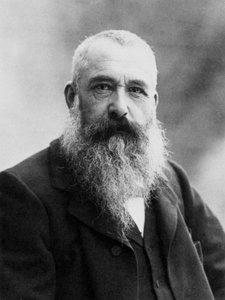
Claude Monet’s Introspective Self-Portrait – A Window into Impressionism
Claude Monet's “Self-Portrait,” painted in 1917 at the age of seventy-six, transcends mere representation; it embodies a profound exploration of aging, memory, and the very essence of artistic perception. Housed within the prestigious Musée d’Orsay in Paris, this oil on canvas stands as a testament to Monet's unwavering dedication to capturing fleeting moments – a cornerstone of Impressionism and a poignant reflection on his life’s journey. The painting immediately commands attention with its quiet solemnity, eschewing grand gestures or flamboyant displays of youthful vigor for an honest, almost vulnerable portrayal of the artist himself. It is a portrait not just of a man, but of a mind wrestling with time and experience. The composition deliberately prioritizes simplicity, yet achieves remarkable effectiveness. Monet presents himself before a muted backdrop – subtly illuminated by two figures presumed to be family members or companions – an element that speaks volumes about his domestic life and familial connections. His gaze, unwavering and direct, holds an enigmatic quality; it’s imbued with melancholy tempered by gentle curiosity, hinting perhaps at wry amusement. This deliberate focus on the viewer establishes a connection between artist and observer, inviting contemplation of the self and its place within the world. Monet's masterful use of brushstrokes is equally noteworthy. Short, fractured dashes of color – characteristic of his mature style – are applied with meticulous precision, prioritizing economy and capturing the ephemeral dance of light. Unlike traditional painters who strive for seamless blending, Monet allows individual pigments to retain their vibrancy, creating a shimmering surface that perfectly embodies Impressionism’s core principle: the depiction of atmospheric conditions rather than precise detail. The texture of the oil paint contributes significantly to the artwork's emotional impact, conveying immediacy and depth – qualities vital to appreciating the artist’s vision. Delving deeper into the historical context reveals Monet’s profound influence on artistic thought during his time. He emerged from a movement that rejected academic conventions in favor of capturing subjective experience—a radical departure from established artistic traditions. The Impressionists sought to depict not what they *saw*, but how light and color transformed their perceptions, prioritizing feeling over factual accuracy. This approach was revolutionary for its era and continues to inspire artists today. Furthermore, the painting’s symbolism resonates with themes of introspection and contemplation. Monet's beard and mustache – emblems of age and wisdom – serve as visual reminders of the passage of time and the accumulation of life experiences. The subtle inclusion of familial figures underscores the importance of human connection and memory in shaping our understanding of selfhood. Ultimately, “Self-Portrait” is more than just a depiction; it’s an invitation to engage with Monet's artistic philosophy—a celebration of light, color, and the beauty found within quiet contemplation. It remains a powerful emblem of Impressionism’s legacy and continues to captivate viewers who appreciate its understated elegance and profound emotional resonance. A reproduction from OriginalUniqueArt.com allows you to bring this masterpiece into your home and experience its timeless allure.Perguntas e Respostas
Qual cor predomina na composição de "Retrato de Autor", de Claude Monet?
A cor que mais se destaca em "Retrato de Autor" é Café expresso (#462326). A cor dominante é útil ao combinar uma obra de arte com um ambiente interno.
Qual ambiente combina com as cores de "Retrato de Autor", de Claude Monet?
Com sua paleta de cores Tons neutros, "Retrato de Autor" é uma sugestão ideal para um(a) Sala de Estar.
Em que parte da casa uma reprodução de "Retrato de Autor" ficaria bem?
"Retrato de Autor", de Claude Monet é recomendado para um(a) Sala de Estar. Esta sugestão baseia-se no tema, nas cores e na atmosfera da obra.
 Visualizar na parede
 Compartilhar
 Compartilhar
 Detalhes
 Guia
Guia

 Baixar imagem
 Semelhantes
 Raio X
 Ver diaporama
 Perguntas e Respostas
 Estatísticas