

 Visualizar em escala
 Enviar
 Compartilhar
 Ver detalhes
 Guia de Obras do Aluno

 Baixar imagem
 Semelhantes
 Raio X
 Apresentação de slides
 Estatísticas
Satyrs
 Acrílico sobre tela
- Arte de Parede
- Neoclassical Style
 1700
1700 41.0 x 52.0 cm
 Fundação Calouste Gulbenkian
 Ver mais
Giclée / Impressão de Arte
Impressão giclée ou em tela de qualidade de museu, com produção rápida e opções flexíveis de acabamento. ( Encomendar reprodução pintada à mão Ver Imagem Digital)




P118B €10

P118H €10

P118W €10

P438Z €10

P508JH €12

P508YH €12

P805H €10

P805Z €10

P919BZ €10

P919G €10

P919XJ €10

P959ZH €10

P968JZ €12

W106C €8

W218G €10

W218JH €8

W218Y €10

W307PJ €10

W316G €10

W316PJ €8

W316Y €10

W398PJ €8

W4111J €10

W500HY €15

W500JH €15

W692G €12

W849H €8

W940BG €15

W953PJ €8




Escolha entre os nossos tamanhos pré-definidos que respeitam as proporções originais da obra de arte.

Digite a largura e a altura de que necessita, para se ajustar à sua moldura ou à sua parede. Uma impressão só pode ser cortada, nunca ampliada além da imagem original, pelo que um tamanho com uma proporção diferente perderá parte da imagem. Enviamos-lhe uma maquete digital para aprovação antes de imprimirmos qualquer coisa. A imagem apresentada nesta página não mostra o corte real — apenas a maquete o faz.
Entrega mundial () em 2 semanas, em vez das 4/5 semanas padrão. (24 Outubro)

Envio expresso gratuito para todo o mundo

Tela de Linho Premium

Seguro de transporte total

Garantia de Reembolso de Impostos Alfandegários

Garantia de Fidelidade de Cor

Política de Devolução em 100 Dias (Apenas para Defeitos)

Garantia de reembolso de 100%

Desconto para múltiplas unidades
 A opção de vidro está disponível apenas para tamanhos inferiores a 110 cm

Satyrs
Giclée / Impressão de Arte
Dimensões da Reprodução
-


Preço Total
€ 70
Uma Abençoada União Mitológica: Uma Análise da Obra “Satyrs” de Claude Michel Clodion
Claude Michel Clodion (1738 – 1814), um escultor francês cuja vida foi marcada por uma extraordinária jornada entre o mundo artístico e experiências transatlânticas, permanece como uma figura fascinante na história da arte neoclássica. Sua trajetória iniciou-se em Nancy, onde nasceu sob a influência de uma família dedicada à arte – um ambiente que proporcionou uma compreensão profunda das relações humanas e da observação meticulosa do mundo natural, habilidades que se traduziram em obras que capturam emoções e personagens com rara beleza. Diferentemente de muitos artistas contemporâneos que recebiam treinamento formalizado, Clodion era autodidata, uma demonstração notável de talento inato e dedicação incansável. Essa abordagem singular, combinada com um olhar atento aos detalhes refinado pela natureza, estabeleceu as bases para uma carreira que transcendeu fronteiras nacionais e o consagrou como um dos primeiros artistas americanos a alcançar reconhecimento internacional. A obra em questão, “Satyrs” (1781), exemplifica o estilo neoclássico de Clodion com maestria. Esta escultura em relevo apresenta duas figuras mitológicas – satyrus masculinos – envoltas em uma postura íntima e acolhedora. O artista demonstra um profundo conhecimento da estética clássica, buscando inspiração na beleza idealizada da antiguidade greco-romana para transmitir uma sensação de serenidade e equilíbrio emocional. A composição dinâmica da escultura captura o movimento suave das figuras, enquanto suas expressões faciais revelam uma profunda conexão entre os homens envolvidos. A técnica utilizada por Clodion é particularmente impressionante. Trabalhando principalmente em terracota – um material escolhido por sua capacidade de reproduzir formas complexas com precisão e delicadeza – ele domina o processo escultórico, utilizando ferramentas manuais para moldar o barro com habilidade excepcional. O resultado é uma obra que possui uma textura rica e realista, capaz de transmitir a sensação do contato físico entre os satyrus. Além disso, Clodion emprega uma paleta cromática limitada, predominando tons terrosos que reforçam a atmosfera calma e contemplativa da cena. O contexto histórico em que “Satyrs” foi criada é fundamental para compreender sua importância artística. O período neoclássico, que floresceu na França entre o final do século XVIII e início do XIX, buscava retornar aos valores estéticos da antiguidade clássica como reação ao estilo barroco exuberante e emocionalmente carregado que havia dominado o século XVII. Clodion, como artista comprometido com essa estética renovadora, incorporou elementos da mitologia grega em suas obras, explorando temas relacionados à beleza idealizada, à razão e à ordem moral. A escultura reflete uma profunda compreensão dos princípios filosóficos do neoclassicismo, que valorizavam a simplicidade formal e a busca pela perfeição estética como meios para alcançar o equilíbrio emocional e intelectual. “Satyrs” não apenas apresenta uma imagem visualmente atraente, mas também convida o espectador à reflexão sobre questões existenciais relacionadas ao amor, à beleza e à natureza humana. Sua presença em museus renomados como o Museu Calouste Gulbenkian em Lisboa testemunha o legado duradouro de Clodion e sua capacidade de capturar a essência da cultura neoclássica em uma obra de arte extraordinária.Perguntas e Respostas
Quais são os direitos de reprodução de "Satyrs" no Fundação Calouste Gulbenkian?
A obra original "Satyrs" encontra-se no Fundação Calouste Gulbenkian, e a obra está em em domínio público - seus direitos autorais expiraram.
Qual ambiente é sugerido para "Satyrs" de Claude Michel?
Uma reprodução de "Satyrs" fica muito bem em um(a) Sala de Estar.
Como posso descobrir obras de arte semelhantes a "Satyrs" de Claude Michel?
A página Semelhantes de "Satyrs" de Claude Michel apresenta obras relacionadas.
Biografia do Artista
The Master of Clay: The Life and Art of Clodion
Born in Nancy, France, the sculptor known to history as Clodion—or Claude Michel—emerged as one of the most captivating figures of the late eighteenth century. His journey into the heart of the French art world began in 1755 when he arrived in Paris, entering the prestigious workshop of his maternal uncle, Lambert-Sigisbert Adam. This early immersion in a lineage of skilled sculptors provided him with a foundation of technical excellence that would later allow him to transcend the boundaries of traditional medium. While many of his contemporaries sought permanence in marble or bronze, Clodion found his true voice in the tactile, intimate world of terracotta.
His development was profoundly shaped by his travels and his encounters with the classical past. After winning the prestigious Prix de Rome, he moved to Italy, where he shared a studio with the renowned Jean-Antoine Houdon. It was during this period that Clodion deeply studied the nuances of antique, Renaissance, and Baroque sculpture. This exposure to the grace of antiquity infused his work with a sense of timelessness, even as he remained firmly rooted in the playful, light-hearted spirit of the Rococo style. He possessed an extraordinary gift for capturing fleeting emotions and dynamic movement within the soft, malleable confines of clay, creating works that felt alive even before they were fully realized.
Mythology and the Spirit of Rococo
Clodion’s oeuvre is a testament to his ability to blend classical mythology with a palpable sense of human vitality. His sculptures often feature mythological figures—satyrs, nymphs, and bacchantes—engaged in scenes of Dionysian ecstasy or tender interaction. In works such as Satyr and Bacchante, one can observe the masterful interplay between earthly passion and idealized beauty. He had a unique talent for modeling musculature with anatomical precision while maintaining an ethereal grace that prevented his figures from feeling heavy or static.
The themes of his work often reflected the era's fascination with the pastoral and the mythological, blending several artistic sensibilities:
- Rococo Elegance: A focus on light-heartedness, charm, and fluid movement.
- Neoclassical Influence: An aspiration for idealized beauty and a deep reverence for Greek and Roman narratives.
- Romantic Sensibilities: An exploration of emotion, instinct, and the primal energy found in nature.
Whether depicting the mischievous deities of Greek mythology or the serene intimacy of a pastoral scene, Clodion’s work captures a moment where primal instinct blends seamlessly with contemplative grace. His mastery of the terracotta medium allowed him to emphasize the tactile qualities of his subjects, creating a sense of warmth and life that remains as captivating today as it was during the height of the ancien régime.

Claude Michel
1738 - 1814 , France
Informações Rápidas
- Artistic Movement Or Style: Rococo and Neoclassical
- Artists Or Movements Influenced By This Artist: ['Joseph Charles Marin']
- Artists Who Influenced This Artist: ['Lambert-Sigisbert Adam']
- Full Name: Claude Michel
- Notable Artworks:
- Satyr and Bacchante
- Satyrs
- Nymph and Faun
- The Intoxication of Wine
- Place Of Birth: Nancy, France
- Date Of Birth: 1738
- Date Of Death: 1814
Artigos Relacionados

The Enduring Form: Exploring Themes & Techniques in Sculpture Across Historical Periods
Explore the rich history of sculpture from ancient masterpieces to contemporary innovations. Discover key techniques, influential artists & investment potential for discerning art collectors.

The Enduring Form: Sculpture Across History, Technique & Emotional Resonance
Explore the rich history of sculpture with OriginalUniqueArt. Discover key techniques, influential artists & investment potential for discerning collectors. Expert insights into valuing and collecting timeless masterpieces.

As 10 Obras em Bronze Mais Icônicas que Transformaram a História da Arte | OriginalUniqueArt
Descubra as 10 esculturas em bronze mais influentes da história! Explore a arte de Rodin, Michelangelo e outros mestres. Reproduções de alta qualidade para decorar sua casa com elegância. OriginalUniqueArt.
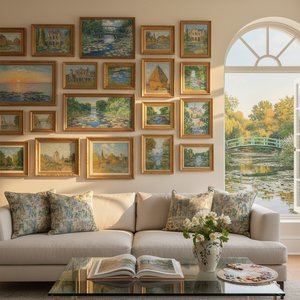
Claude Monet: As 25 Obras-Primas Essenciais para Amantes da Arte e Decoração
Descubra as 25 obras-primas de Claude Monet, o mestre do Impressionismo! Explore a história por trás dos nenúfares, paisagens e cores vibrantes que revolucionaram a arte. Encontre reproduções de alta qualidade para decorar sua casa com a beleza atemporal de Monet em OriginalUniqueArt.com.

Esculturas em Bronze Icônicas: 10 Obras que Revolucionaram a Arte | OriginalUniqueArt
Descubra as 10 esculturas em bronze mais icônicas da história! Explore a arte de Rodin, Michelangelo e outros mestres. Encontre reproduções de alta qualidade para sua casa em OriginalUniqueArt.com.
