

 Visualizar na parede
 Compartilhar
 Compartilhar
 Detalhes
 Guia
Guia

 Baixar imagem
 Semelhantes
 Raio X
 Ver diaporama
 Estatísticas
Rachel Weeping


 Ler mais
Reprodução em Óleo Feita à Mão
Óleo sobre tela pintado à mão no tamanho e moldura de sua escolha, feito sob encomenda pelos nossos artistas. ( Alternar para Impressão Alternar para Imagem Digital)




P118B €10

P118H €10

P118W €10

P438Z €10

P508JH €12

P508YH €12

P805H €10

P805Z €10

P919BZ €10

P919G €10

P919XJ €10

P959ZH €10

P968JZ €12

W106C €8

W218G €10

W218JH €8

W218Y €10

W307PJ €10

W316G €10

W316PJ €8

W316Y €10

W398PJ €8

W4111J €10

W500HY €15

W500JH €15

W692G €12

W849H €8

W940BG €15

W953PJ €8




Escolha entre os nossos tamanhos pré-definidos que respeitam as proporções originais da obra de arte.

Insira a largura e a altura desejadas para se ajustarem à sua moldura ou parede. Como esta obra é pintada à mão, para um tamanho com proporções diferentes, o artista poderá pintar um pouco mais ao redor da imagem ou reduzir ligeiramente a composição — você escolhe. Enviamos uma maquete digital para sua aprovação antes de iniciar a pintura. A imagem exibida nesta página não representa o resultado real — apenas a maquete mostra o resultado final.
Após o pedido, a equipa OriginalUniqueArt.com enviará um e-mail ao cliente para solicitar instruções e fornecer uma prévia do esboço.
Entrega mundial () em 3 a 4 semanas, em vez das 5 semanas padrão. (28 Outubro). Sem comprometer a qualidade.

Envio expresso gratuito para todo o mundo

Tela de Linho de Alta Qualidade

Seguro de transporte completo

Garantia de Reembolso de Impostos Alfandegários

Garantia de Fidelidade Cromática

Política de Devolução em 100 Dias (Apenas para Defeitos)

Garantia de reembolso de 100%

Oferta de desconto por quantidade
 A opção de vidro está disponível apenas para tamanhos inferiores a 110 cm

Rachel Weeping
Técnica de Reprodução
Tamanho da Reprodução
-


Preço Total
€ 264
The Haunting Beauty of Loss
Charles Willson Peale’s “Rachel Weeping,” painted in 1772, isn't merely a portrait; it’s a visceral embodiment of sorrow, a poignant meditation on loss and the enduring bonds of family. The painting depicts Rachel Peale, Charles’s wife, mourning the death of their child – a tragedy that struck deeply within the heart of this prominent American artist and his family. Yet, despite its subject matter, “Rachel Weeping” transcends mere grief to become a powerful statement about resilience, faith, and the enduring nature of love.
Peale’s decision to immortalize this moment of profound sorrow was revolutionary for its time. Rather than shy away from depicting the raw emotion of bereavement, he embraced it with unflinching honesty. The composition immediately draws the viewer in – a woman enveloped in shadow, cradling her lifeless infant, a scene both heartbreaking and strangely dignified. It’s a stark departure from the idealized depictions of motherhood prevalent in earlier art, offering instead an intimate glimpse into the depths of human suffering.
Neoclassical Elegance Meets Emotional Intensity
Stylistically, “Rachel Weeping” masterfully blends elements of Neoclassicism with Romanticism. Peale’s training under Benjamin West, a leading figure in the British Neoclassical movement, is evident in the painting's carefully rendered details – the delicate folds of Rachel’s garments, the precise modeling of her face, and the restrained palette dominated by muted browns, grays, and creams. However, beneath this formal elegance lies an undeniable surge of emotional intensity. The use of chiaroscuro—the dramatic contrast between light and shadow—heightens the sense of drama and underscores the painting’s central theme of grief. Notice how the light gently illuminates Rachel's face, highlighting her sorrowful expression while leaving much of the background shrouded in darkness.
Peale’s technique is remarkably skillful. He employs a loose brushstroke to create a sense of movement and immediacy, capturing the raw emotion of the scene with remarkable sensitivity. The positioning of the child – nestled close to Rachel's chest, its head resting on her shoulder – speaks volumes about the profound connection between mother and child, further amplifying the painting’s emotional impact.
Symbolism and a Testament to Family
The symbolism within “Rachel Weeping” is layered and deeply resonant. The inclusion of other figures in the background—a man standing behind Rachel and another positioned further back on the right—suggests a wider family circle, emphasizing the communal nature of grief. The presence of medical bottles hints at the era’s limited understanding of illness and death, adding a layer of historical context to the scene. Most powerfully, Rachel's posture – her head bowed in sorrow, her hands clasped protectively around the child—evokes the iconography of the Madonna and Child, transforming her grief into a sacred act of mourning.
Peale’s decision to paint this image after the loss of his own children underscores the profound personal connection he felt to the subject matter. “Rachel Weeping” is not simply a portrait; it's a deeply felt expression of love, loss, and the enduring strength of the human spirit. It remains a hauntingly beautiful testament to the complexities of family life and the universal experience of grief.
A Legacy of Emotional Depth
“Rachel Weeping” holds a significant place in American art history as one of the earliest examples of a portrait confronting difficult emotions with such directness. Its emotional honesty and technical skill continue to resonate with viewers today, prompting reflection on themes of loss, family, and the enduring power of human connection. Reproductions of this iconic painting offer a powerful opportunity to experience Peale’s masterful artistry and contemplate the profound beauty that can be found even in moments of deepest sorrow.
Perguntas e Respostas
Em que ano foi criado "Rachel Weeping", de Charles Willson Peale?
"Rachel Weeping", de Charles Willson Peale foi criado em 1772.
Quantas pessoas visualizam "Rachel Weeping"?
As estatísticas sobre "Rachel Weeping", de Charles Willson Peale encontram-se na página de Estatísticas da obra: visitas mensais da obra, visitas às obras do artista e o detalhamento por país e idioma dos visitantes recentes.
Posso visualizar "Rachel Weeping", de Charles Willson Peale antes de fazer o pedido?
A página de Pré-visualização de "Rachel Weeping" permite visualizar a obra de arte antes de fazer o pedido.
Biografia do Artista
Charles Willson Peale: Um Pintor Revolucionário, Cientista e Ídolo da Primeira América
Charles Willson Peale (1741-1827) foi um artista americano cuja vida transcendeu a pintura tradicional para abraçar uma paixão pela ciência e uma profunda conexão com o espírito da época revolucionária americana. Sua obra permanece como um testemunho único do período, combinando beleza estética com rigor intelectual e um desejo de registrar o mundo ao seu redor com precisão e emoção.Infância Difícil e Primeiros Passos na Arte
A vida inicial de Peale foi marcada por dificuldades financeiras após a morte prematura de seu pai. Após uma breve carreira como sapateador, ele descobriu um talento nato pela arte durante seus estudos iniciais com John Hesselius e posteriormente com o renomado pintor John Singleton Copley em Boston. Essas experiências proporcionaram uma compreensão fundamental das técnicas tradicionais da pintura inglesa e americana, estabelecendo as bases para seu estilo artístico futuro. Uma influência particularmente significativa foi sua estadia em Londres entre 1767 e 1770, onde estudou sob Benjamin West, um artista que defendia o neoclassicismo e buscava inspiração na arte greco-romana. Esta exposição a estilos europeus moldou profundamente sua visão estética e seu desejo de criar obras que refletissem os valores da razão e da ordem.Carreira Artística e Obras Emblemáticas
Peale alcançou reconhecimento internacional como pintor retratista, especialmente por suas imagens de figuras importantes da Revolução Americana. Sua obra mais famosa é a série de pinturas de George Washington, que compreende quase sessenta obras distintas. Essas pinturas não apenas celebram o líder revolucionário americano, mas também são documentos históricos preciosos que capturam os aspectos psicológicos e físicos do primeiro presidente dos Estados Unidos. Peale empregou uma abordagem meticulosa na criação dessas imagens, buscando reproduzir com fidelidade a aparência física de Washington e transmitir sua personalidade através da composição e da expressão facial. Além das pinturas de Washington, Peale criou obras significativas como "O Grupo Escadaria" (c. 1795), um exemplo impressionante de trompe l'oeil que desafia os limites entre pintura e arquitetura, criando uma ilusão espacial que envolve o espectador e reforça a sensação de presença artística. Essas obras demonstram sua habilidade técnica excepcional e seu domínio das técnicas inovadoras da época.Além da Pintura: Uma Mente Científica Pioneira
Embora Peale seja celebrado principalmente como pintor, ele também foi um cientista dedicado que desempenhou um papel fundamental na formação do pensamento científico americano. Sua paixão pela natureza o levou a organizar expedições científicas para estudar animais e plantas em diversas regiões dos Estados Unidos, coletando amostras e realizando desenhos detalhados que enriqueceram o conhecimento científico da época. Em 1784, Peale fundou o Museu Americano em Filadélfia, uma instituição inovadora que se tornou um dos primeiros museus públicos nos Estados Unidos. O museu abrigava uma coleção extraordinária de objetos naturais e arqueológicos, incluindo esqueletos de animais pré-históricos como mastodonte, que atraíram visitantes de todo o mundo e estimularam o interesse pela ciência e pela educação. Além disso, Peale desempenhou um papel importante na divulgação do conhecimento científico através da publicação de livros ilustrados e da organização de palestras públicas, contribuindo para a formação de uma cultura científica nas camadas mais altas da sociedade americana. Sua iniciativa inspirou outros cientistas e artistas a promover o estudo da natureza e a compartilhar suas descobertas com o público em geral.Legado Histórico e Influência Duradoura
O legado artístico e científico de Charles Willson Peale permanece relevante até hoje, refletindo os valores do Iluminismo e o espírito crítico que caracterizaram o período revolucionário americano. Sua obra é considerada um marco da pintura neoclássica americana e influenciou gerações de artistas posteriores, que buscaram inspiração em seu estilo elegante e preciso. Além disso, Peale é reconhecido como um pioneiro na criação do museu público nos Estados Unidos, estabelecendo um modelo para instituições culturais que celebram o conhecimento científico e a beleza artística. Sua vida e obra são exemplos de como a arte e a ciência podem se complementar para promover o desenvolvimento intelectual e cultural de uma sociedade.
Charles Willson Peale
1741 - 1827 , Reino Unido
Dados Rápidos
- Artistic Movement Or Style: Pintura neoclássica
- Artists Who Influenced This Artist:
- John Hesselius
- John Singleton Copley
- Benjamin West
- Date Of Birth: 1741
- Date Of Death: 1827
- Full Name: Charles Willson Peale
- Nationality: Americano
- Notable Artworks:
- Grupo Escadaria
- Retratos de George Washington
- Place Of Birth: Chester, Reino Unido
Artigos Relacionados

Titian Ramsay Peale II: A Legacy of Botanical Precision & Artistic Innovation
Explore the life & art of Titian Ramsay Peale II, a master of botanical precision and wildlife painting. Discover his legacy bridging art & natural history at OriginalUniqueArt.

Echoes of Loss: Exploring Representations of Grief Across Art History
Explore the profound history of grief in art, from Renaissance masterpieces to Baroque drama. Discover how artists captured loss, mourning & faith through powerful imagery. Expert insights at OriginalUniqueArt.

Echoes of Absence: Loss & Grief in Visual Art Through the Ages
Explore the profound history of grief in art, from Renaissance masterpieces to contemporary expressions. Discover how artists have captured loss, mourning, and mortality through powerful imagery & symbolism. OriginalUniqueArt offers expert insights.

Charles Willson Peale: Portraiture, Enlightenment Ideals & Shaping American Identity
Explore the life & art of Charles Willson Peale – Revolutionary portraitist, scientist, and founder of America’s first museum. Discover his iconic paintings of Washington & the Enlightenment ideals that shaped a nation.
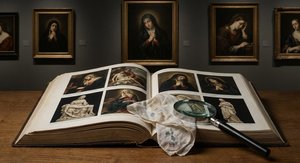
The Visceral Language of Loss: Exploring Grief's Depiction in Art History
Explore the profound history of grief in art with OriginalUniqueArt. Discover Renaissance & Baroque masterpieces depicting loss, mourning, and faith. Expert insights & handmade reproductions available.

