
 Visualizar na parede
 Compartilhar
 Compartilhar
 Detalhes
 Guia
Guia

 Baixar imagem
 Semelhantes
 Raio X
 Ver diaporama
 Q&A
Q&A Estatísticas
The Red Bow


 Ler mais
Giclée / Impressão de Arte
Impressão giclée ou em tela de qualidade de museu, com produção rápida e opções flexíveis de acabamento. ( Comprar pintura feita à mão Alternar para Imagem Digital)




P118B €10

P118H €10

P118W €10

P438Z €10

P508JH €12

P508YH €12

P805H €10

P805Z €10

P919BZ €10

P919G €10

P919XJ €10

P959ZH €10

P968JZ €12

W106C €8

W218G €10

W218JH €8

W218Y €10

W307PJ €10

W316G €10

W316PJ €8

W316Y €10

W398PJ €8

W4111J €10

W500HY €15

W500JH €15

W692G €12

W849H €8

W940BG €15

W953PJ €8




Escolha entre os nossos tamanhos pré-definidos que respeitam as proporções originais da obra de arte.

Insira a largura e a altura desejadas para se ajustarem à sua moldura ou parede. Uma impressão pode ser apenas cortada, nunca ampliada além da imagem original; portanto, um tamanho com proporções diferentes resultará na perda de parte da imagem. Enviamos uma maquete digital para sua aprovação antes de realizarmos a impressão. A imagem exibida nesta página não mostra o corte real — apenas a maquete o faz.
Entrega mundial () em 2 semanas, em vez das 4/5 semanas padrão. (1 Novembro)

Envio expresso gratuito para todo o mundo

Tela de Linho de Alta Qualidade

Seguro de transporte completo

Garantia de Reembolso de Impostos Alfandegários

Garantia de Fidelidade Cromática

Política de Devolução em 100 Dias (Apenas para Defeitos)

Garantia de reembolso de 100%

Oferta de desconto por quantidade
 A opção de vidro está disponível apenas para tamanhos inferiores a 110 cm

The Red Bow
Giclée / Impressão de Arte
Tamanho da Reprodução
-


Preço Total
€ 71
The Enigmatic Beauty of “The Red Bow” by Charles Webster Hawthorne
Charles Webster Hawthorne’s “The Red Bow,” painted in 1902, is more than just a portrait; it's a carefully constructed tableau of quiet contemplation and subtle symbolism, deeply rooted in the artist’s profound connection to the rugged beauty of Maine. Hawthorne, a pivotal figure in the Cape Cod School of Art movement, masterfully employs an impressionistic style—a deliberate departure from strict realism—to capture not just the likeness of his subject but also the very essence of her mood and the atmosphere surrounding her. The painting immediately draws the eye with its rich, layered application of oil paint, a hallmark of Hawthorne’s technique, creating a palpable sense of texture that invites close inspection. Thick impasto strokes build up the folds of the woman's dark green dress, while lighter washes define the shadowed doorway and indistinct background, suggesting a room bathed in soft, diffused light—a characteristic feature of his plein air approach to painting.A Portrait Steeped in New England Tradition
Hawthorne’s work is inextricably linked to the traditions of American landscape painting, particularly the Luminist movement, which emphasized capturing the effects of light and atmosphere. However, unlike many Luminists who focused solely on landscapes, Hawthorne brought a distinctly human element into his art. “The Red Bow” exemplifies this fusion, presenting a solitary figure within a domestic setting—a deliberate choice that speaks to the core themes of introspection and quiet dignity prevalent in New England artistic circles at the turn of the 20th century. The subject’s obscured face, partially veiled by a red headscarf, adds an intriguing layer of mystery, prompting viewers to project their own interpretations onto her expression—is she lost in thought, weary from labor, or simply observing the world around her? The painting's composition subtly echoes the traditions of portraiture found in Dutch masters, particularly Rembrandt, with its dramatic use of light and shadow to define form and mood.Technique and Symbolism: A Dance of Color and Texture
Hawthorne’s masterful technique is evident in every brushstroke. He utilizes a limited palette—primarily deep greens, browns, and the vibrant red of the headscarf—to create a harmonious yet emotionally resonant scene. The careful layering of paint, achieved through meticulous blending and building up texture, contributes significantly to the painting's depth and luminosity. Notice how the light catches on the folds of the dress, creating an almost sculptural effect. The use of impasto – applying thick layers of paint directly onto the canvas – not only adds visual interest but also emphasizes the materiality of the artwork itself. Beyond its technical brilliance, “The Red Bow” is laden with symbolic potential. The red headscarf, a striking element against the muted greens and browns, could represent passion, remembrance, or perhaps even a hint of melancholy. The shadowed doorway suggests a transition—a moment of pause between one state of being and another.A Window into Early 20th-Century New England
“The Red Bow” offers a poignant glimpse into the social and artistic landscape of early 20th-century New England. Hawthorne’s association with the Cape Cod School of Art fostered a community dedicated to capturing the beauty of the region's natural world while simultaneously exploring themes of human experience. His work reflects a growing interest in psychological realism—a desire to delve beneath the surface and reveal the inner lives of his subjects. The painting’s quiet intimacy, coupled with its masterful execution, makes it a compelling example of American art at the dawn of a new century. It's a piece that invites contemplation, sparking questions about identity, memory, and the enduring power of visual storytelling. Reproductions of this evocative work can bring a touch of New England’s timeless beauty to any space, offering a subtle yet profound connection to a rich artistic heritage.Perguntas e Respostas
Que humor e emoção se unem em "The Red Bow"?
A atmosfera de "The Red Bow", de Charles Webster Hawthorne é Dramatic, e seu tom emocional é Melancholic.
Qual tamanho de impressão de "The Red Bow", de Charles Webster Hawthorne se adequa ao ambiente recomendado?
Para um(a) Living Room, o tamanho de impressão recomendado para "The Red Bow", de Charles Webster Hawthorne é Medium.
A obra "The Red Bow", de Charles Webster Hawthorne, pertencente ao acervo do Brooklyn Museum, pode ser reproduzida legalmente?
"The Red Bow", de Charles Webster Hawthorne, pertencente ao Brooklyn Museum, está em em domínio público — seus direitos autorais expiraram. Este status determina se reproduções da imagem podem ser feitas.
Biografia do Artista
A Luminist da Costa Nova Inglaterra
Charles Webster Hawthorne, nascido em Lodi, Illinois, em 1872, emerge como uma figura central na arte americana durante um período de transição e crescente identidade nacional. Embora seus primeiros anos tenham se desenrolado no interior, a costeira rochosa do Maine – para onde seus pais o retornaram logo após seu nascimento – moldou profundamente sua visão artística. Essa conexão profunda com o mar, instilada por experiências infantis com a profissão de seu pai como capitão de navio e fazendeiro de gelo, tornou-se um tema recorrente em sua obra, influenciando tanto os temas quanto a sensibilidade estética. A jornada de Hawthorne para se tornar um renomado pintor de retratos e paisagens foi uma de estudo dedicado, compromisso inabalável com a captura da essência da luz e da forma, e uma abordagem inovadora à educação artística que deixaria um legado duradouro na pintura americana. Inicialmente, ele buscou formação formal em Nova York, equilibrando as exigências do trabalho como aprendiz de escritório com aulas noturnas na Art Students League sob George de Forest Brush e H. Siddons Mowbray, seguidas por estudos na National Academy of Design. Crucialmente, sua exposição a William Merritt Chase – primeiro como aluno e depois como assistente em Shinnecock Hills – provou ser transformadora, inculcando-lhe uma profunda apreciação pela pintura *en plein air* e o potencial expressivo do pincel. Essas experiências formativas lançaram as bases para o estilo distinto de Hawthorne, caracterizado por seu manuseio robusto da tinta e qualidades tonais luminosas.A Escola de Cape Cod e uma Filosofia da Pintura
A influência de Hawthorne se estendeu muito além de suas próprias telas; ele também foi um professor excepcionalmente influente, impulsionado pelo desejo de promover uma visão artística genuína em seus alunos. Em 1899, reconhecendo a necessidade de um espaço dedicado onde os artistas pudessem mergulhar na observação direta da natureza, ele fundou a Cape Cod School of Art em Provincetown, Massachusetts. Esta instituição rapidamente se tornou um refúgio para pintores aspirantes, atraindo estudantes de todo o país e estabelecendo Provincetown como uma colônia artística próspera – um farol para aqueles que buscavam uma alternativa ao treinamento acadêmico tradicional. A abordagem pedagógica de Hawthorne era incomum, mas profundamente eficaz. Ele enfatizou a simplificação das formas, o foco nos valores tonais e a captura dos efeitos fugazes da luz – princípios enraizados em sua própria prática artística. Sua instrução não visava impor uma técnica específica, mas sim encorajar os alunos a desenvolverem sua visão individual por meio de observação rigorosa e experimentação ousada. Ele frequentemente os aconselhava a “sair como um selvagem”, abraçando uma abordagem fresca e desinibida à pintura, descartando concepções pré-concebidas e permitindo que a experiência imediata guiasse sua mão. Entre seus alunos notáveis estava Norman Rockwell, que passou um período formativo estudando com Hawthorne, absorvendo lições que informariam seu próprio icônico trabalho americano. Bertha Noyes, outro aluno proeminente, tornou-se uma figura significativa na comunidade artística de Washington, D.C. A Escola de Cape Cod de Art floresceu sob a orientação de Hawthorne por trinta anos, deixando uma marca duradoura na educação artística americana e fomentando uma geração de artistas que valorizavam a observação direta, a expressão pessoal e uma profunda conexão com o mundo natural.Capturando Luz e Vida: Temas e Técnicas
As pinturas de Hawthorne são imediatamente reconhecíveis por suas paletas de cores vibrantes e manuseio magistral da luz. Ele frequentemente retratava cenas do litoral ao redor de Provincetown, pintando pescadores, famílias e a vida cotidiana com uma sensibilidade notável à atmosfera e aos personagens. Seus retratos se destacam em particular por sua profundidade psicológica e pinceladas expressivas. Ele não estava interessado apenas na semelhança, mas sim buscava capturar a essência interior de seus assuntos – suas personalidades, suas histórias, sua conexão com o mundo ao seu redor. Ele alcançou isso através da observação cuidadosa da luz e das sombras, usando variações tonais para modelar a forma e criar uma sensação de volume. Sua técnica frequentemente envolvia a aplicação da tinta com pinceladas amplas e confiantes, permitindo que a textura da tela contribuísse para o efeito geral. Essa abordagem, influenciada tanto por Chase quanto pelos mestres holandeses que ele encontrou durante suas viagens – particularmente Frans Hals – resultou em pinturas que são simultaneamente realistas e pictóricas. O trabalho de Hawthorne também reflete um interesse pela pintura de gênero, retratando cenas da vida cotidiana com um olhar atento ao detalhe e ao comentário social. Ele encontrava beleza no ordinário, elevando assuntos humildes ao nível da arte por meio de sua execução habilidosa e representação empática. Por exemplo, *His First Voyage* captura um momento pungente de potencial juvenil, enquanto obras como *The Red Dress* demonstram sua capacidade de imbuir até mesmo composições simples com ressonância emocional.Legado e Influência Duradoura
Charles Webster Hawthorne faleceu em Baltimore, Maryland, em 1930, deixando um rico legado artístico que continua a ressoar hoje. Sua esposa, Marion Campbell Hawthorne, desempenhou um papel crucial na preservação de seu trabalho e ideias, publicando seus escritos no influente livro *Hawthorne on Painting* em 1938. Esta coleção oferece insights valiosos sobre sua filosofia artística e métodos de ensino, fornecendo uma janela para a mente de um mestre pintor. Suas obras agora são mantidas em coleções prestigiadas como o Art Institute of Chicago, o Metropolitan Museum of Art em Nova York e o Smithsonian American Art Museum em Washington, D.C., garantindo seu acesso às gerações futuras. A influência de Hawthorne pode ser vista no trabalho de inúmeros artistas que o seguiram, particularmente aqueles associados à Escola de Cape Cod e ao movimento impressionista americano mais amplo. Ele permanece uma figura celebrada por suas pinturas luminosas, manuseio magistral da tinta e compromisso duradouro com a educação artística – um testemunho de sua crença de que a arte deve ser enraizada na observação direta, na expressão pessoal e em uma profunda conexão com o mundo natural.- Nascido: 8 de janeiro de 1872, Lodi, Illinois
- Fundou a Escola de Cape Cod de Art: 1899
- Faleceu: 29 de novembro de 1930, Baltimore, Maryland

Charles Webster Hawthorne
1872 - 1930 , Estados Unidos da América
Dados Rápidos
- Artistic Movement Or Style: Impressionismo, Luminismo
- Artists Or Movements Influenced By This Artist: ['Norman Rockwell']
- Artists Who Influenced This Artist: ['William Merritt Chase']
- Date Of Birth: 8 de janeiro de 1872
- Date Of Death: 29 de novembro de 1930
- Full Name: Charles Webster Hawthorne
- Nationality: Americano
- Notable Artworks:
- Primeira Viagem
- Vestido Vermelho
- Place Of Birth: Lodi, Illinois, EUA
Artigos Relacionados

Os 10 Mestres do Pós-Impressionismo: Obras que Transformaram a Arte e Decoram o Lar
Descubra os 10 quadros pós-impressionistas que revolucionaram a arte! Explore Van Gogh, Monet e Cézanne. Encontre reproduções de alta qualidade para decorar sua casa com obras atemporais em OriginalUniqueArt.com.

Além da Luz e Cor: Impressionismo vs. Pós-Impressionismo para o Colecionador Exigente
Descubra as nuances entre Impressionismo e Pós-Impressionismo! Guia completo para colecionadores exigentes, com artistas, história e dicas de investimento. Explore o legado da arte moderna.
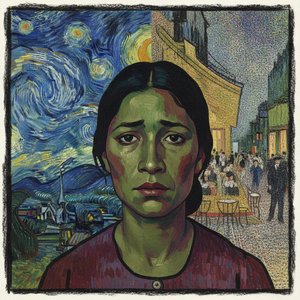
Beyond the Brush: How Post-Impressionism Recharged Modern Art with Bold Color and Raw Emotion
Dive into the high-energy revolution of Post-Impressionism. Discover how masters like Cézanne and Van Gogh traded fleeting light for bold colors and raw emotion, forever recharging modern art with the vibrant, structural intensity that defines today's most iconic visual aesthetics.
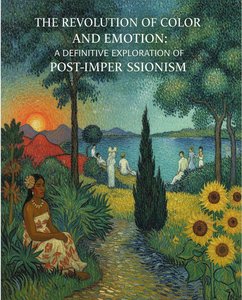
The Revolution of Color and Emotion: A Definitive Exploration of Post-Impressionism
Explore the profound revolution of Post-Impressionism. Delve into the history, techniques, and emotional depth of masters like Van Gogh and Seurat. Discover how to transform your space with museum-quality, hand-painted oil reproductions of these iconic masterpieces.

Beyond Impressionism: Exploring the Emotional Depth of Post-Impressionist Painting
Explore the profound emotional depth & innovative techniques of Post-Impressionism with OriginalUniqueArt. Discover Cézanne, Van Gogh, Gauguin & more – and their lasting impact on modern art.
