

 Visualizar na parede
 Compartilhar
 Compartilhar
 Detalhes
 Guia
Guia

 Baixar imagem
 Semelhantes
 Raio X
 Ver diaporama
 Q&A
Q&A Estatísticas
Taking in the Lobster Pots
 Oil On Canvas
- WallArt
- Irish academic realism
 Modern
 49.0 x 59.0 cm
 Ler mais
Obtenha um arquivo pronto para impressão que vai muito além da visualização na web. Cada imagem digital que vendemos provém de um arquivo mestre de alta resolução em nosso banco de dados — geralmente entre 5.000 e 15.000 pixels de largura — para que você possa imprimir em grandes formatos, realizar cortes precisos ou reproduzir detalhes minuciosos com total confiança.
Nenhum arquivo sai do nosso estúdio sem passar por um cuidadoso processo de revisão. Um especialista digital verifica as cores em relação à pintura original e as corrige se necessário, aumentando então a clareza e o detalhe com ferramentas profissionais de retoque — sempre mantendo a fidelidade às pinceladas e ao estilo do artista. O resultado é uma imagem que se assemelha à pintura, e não a um scan com filtros.
Aprovação antes da finalização: nosso especialista enviará a imagem por e-mail em até 72 horas para sua revisão. Não ficou satisfeito? Solicite melhorias ou correções, ou peça o reembolso caso a qualidade não atenda às suas expectativas.
Esta é a qualidade em que confiam editoras, estúdios de design, galerias e gráficas.
Imagem Digital
Baixe um arquivo de alta resolução para exibição pessoal, impressão e projetos criativos. ( Alternar para Impressão Comprar pintura feita à mão)
Incluído em cada compra de imagem digital
Entrega Digital Especializada e Garantida
Ao escolher o OriginalUniqueArt.com, você não está apenas adquirindo uma imagem — você está recebendo uma obra de arte digital profissionalmente aprimorada, elaborada com precisão e com garantia de satisfação. Aqui está tudo o que acompanha seu pedido, automaticamente:

Entrega rápida por e-mail
O seu arquivo de imagem digital em alta resolução será enviado por e-mail em até 72 horas após o pedido — pronto para uso imediato.

Arquivo Digital com IA Otimizado
Sua obra de arte é otimizada profissionalmente por meio de ferramentas avançadas de IA e edição manual, garantindo o máximo de detalhes, clareza e precisão de cores.

Reenvio gratuito vitalício
Apagou ou perdeu o seu ficheiro acidentalmente? Não se preocupe – nós reenviamos para si a qualquer momento, gratuitamente.

Sem Taxas de Importação - Sempre
Desfrute da sua obra de arte instantaneamente, sem taxas alfandegárias, impostos ou custos de entrega — downloads digitais são sempre isentos de taxas.

Garantia de Fidelidade de Cores
Garantimos que sua imagem digital reflita as cores originais com a maior fidelidade possível, utilizando ferramentas profissionais e gerenciamento de cores.

Garantia de satisfação de 100 dias
Se não estiver satisfeito com a sua imagem digital, nós a revisaremos ou reembolsaremos 100% dentro de 100 dias — sem perguntas.

Garantia de Reembolso 100%
Não está satisfeito? Receba o reembolso total em até 100 dias após o recebimento do seu arquivo digital — sem perguntas.

Descontos para pedidos em lote
Compre 3 imagens, economize 10% - Compre 5, economize 15% - Compre 10+, economize 20%. Ideal para projetos criativos, galerias e agências.
The Rhythm of the Shoreline
In this oil on canvas, we find ourselves drawn to a moment of shared labor along a quiet dock. A group of men is gathered, their bodies engaged in the heavy, repetitive task of loading lobster pots onto a boat. The vessel itself sits toward the right of the frame, its hold already partially filled with the woven traps. There is a certain groundedness to the scene, a sense of weight and purpose that comes from watching hands work in unison. Amidst this human industry, two cows wander through the composition—one positioned near the center-right and another further to the left—adding a layer of pastoral stillness to the maritime activity. The presence of these animals suggests a landscape where the sea and the land are not separate worlds, but parts of a single, breathing existence.
The brushwork here is controlled yet broad. There is a restrained use of impasto that builds a tactile texture across the surface, allowing the viewer to feel the physical presence of the dock and the ruggedness of the equipment. The light does not demand attention through brilliance; instead, it settles softly over the scene, illuminating the textures of the wood and the heavy clothing of the workers. It is an approach that favors substance over ornament.
A Study of Coastal Life
The painting captures a way of life defined by the tides and the seasonal rhythms of the coast. There is no pretense in the depiction of these men; their toil is presented with a quiet dignity, stripped of any unnecessary drama. The composition focuses on the reality of the work—the movement of the pots, the positioning of the figures on the dock, and the steady presence of the livestock nearby. It reflects a period when the traditions of fishing communities were deeply intertwined with the local landscape.
Through this work, we see an interest in documenting the textures of a specific environment. The artist uses a palette that feels connected to the earth and the sea, avoiding anything too theatrical. By focusing on these ordinary, repetitive tasks, the painting achieves a sense of permanence. It is a quiet observation of a moment caught between the labor of the day and the coming evening, preserved through a technique that respects the gravity of the subject matter.
Perguntas e Respostas
Qual tamanho de impressão de "Taking in the Lobster Pots", de Charles Lamb se adequa ao ambiente recomendado?
A combinação recomendada para "Taking in the Lobster Pots", de Charles Lamb: uma impressão de Small em um(a) Coffee Shop.
Como o meio e o movimento se combinam em "Taking in the Lobster Pots"?
Em "Taking in the Lobster Pots", a técnica de Oil On Canvas encontra o movimento Irish academic realism.
Qual é o tom emocional de "Taking in the Lobster Pots", de Charles Lamb?
"Taking in the Lobster Pots" está associada a um sentimento Nostalgic. O tom emocional descreve a impressão que a obra transmite.
Biografia do Artista
The Apprentice of Portadown
A young man works under his father in the streets of Portadown, County Armagh. The air carries the scent of fresh paint and plaster as Charles Vincent Lamb learns the trade of a housepainter and decorator. This early apprenticeship provides more than just technical skill; it builds a foundation for a life defined by texture and surface. By 1913, his precision earns him a gold medal as Housepainter of the Year.
The evening hours belong to the Belfast School of Art. Here, he studies life drawing, honing an eye for the human form. A scholarship in 1917 shifts his trajectory toward the Dublin Metropolitan School of Art. Under the guidance of Seán Keating, his vision begins to expand beyond the borders of Ulster. He moves through a period of intense formal study, absorbing the techniques that will later define his approach to the canvas.
The Connemara Light
A first visit to Carraroe in 1921 changes everything. The rugged landscape of the West of Ireland presents a new reality of stone, sea, and tradition. He returns repeatedly, eventually building a cottage in Carrarō in 1935. This is no longer just a place of study; it is his home. He finds a deep connection to the Gaeltacht, documenting the rhythms of fishing families and the dignity of those engaged in maritime labor.
The brushwork reflects this environment. He works rapidly on warm-toned surfaces, attempting to catch the shifting moods of the Atlantic coast. His technique utilizes a controlled yet broad application of paint, with restrained impasto that gives physical depth to rocks and wooden piers. In works like Curragh and Hookers at a Pier, Connemara, the stillness of the water meets the heavy texture of the boats. He captures the way light interacts with the surface, mimicking the clarity of a coastal day.
A Record of Identity
His canvases do more than depict scenery; they document a way of life. Through portraits and landscapes, he chronicles the traditions of the Aran Islands and the coastal communities that seemed under threat from modernity. He paints the locals with a sense of heroism, contributing to a specific national identity within the context of the Irish Free State. His subjects—fishermen, women knitting, or dancers at a crossroads—are treated with a steady, unhurried gaze.
His career reaches significant milestones through various institutions and exhibitions:
- Royal Hibernian Academy: Elected as an Associate in 1923 and receiving full membership in 1938.
- Royal Ulster Academy: Achieved membership within this prestigious body.
- International Presence: Exhibited his work in London, New York, Chicago, and Los Angeles.
- Major Collections: His paintings reside in the National Gallery of Ireland, the Hugh Lane Gallery, and the Ulster Museum.
By the time he settles permanently in the West, his style has matured into a blend of academic realism and an expressive, modernist touch. He remains a painter of the landscape and its people until his death in 1964.
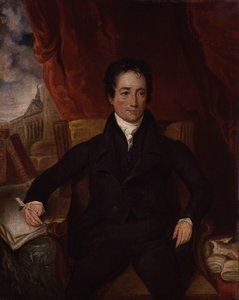
Breve Biografia
- Artistic Movement Or Style: Academic Realism
- Artists Who Influenced This Artist:
- Seán Keating
- Edouard Manet
- Date Of Birth: 30 August 1893
- Date Of Death: 15 December 1964
- Full Name: Charles Vincent Lamb
- Nationality: Irish
- Notable Artworks:
- A Lough Neagh Fisherman
- Curragh and Hookers at a Pier, Connemara
- A Connemara Lake
- The Turf Cutter
- Gathering Seaweed
- Place Of Birth: Portadown, Northern Ireland