Visualizar em escala
 Enviar
 Compartilhar
 Ver detalhes
 Guia de Obras do Aluno

 Baixar imagem
 Semelhantes
 Raio X
 Apresentação de slides
 Estatísticas
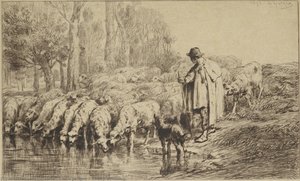
The Sheepfold
 Barbizon School
 1857
1857 46.0 x 92.0 cm
 Ver mais
Giclée / Impressão de Arte
Impressão giclée ou em tela de qualidade de museu, com produção rápida e opções flexíveis de acabamento. ( Encomendar reprodução pintada à mão Ver Imagem Digital)




































Escolha entre os nossos tamanhos pré-definidos que respeitam as proporções originais da obra de arte.

Digite a largura e a altura de que necessita, para se ajustar à sua moldura ou à sua parede. Uma impressão só pode ser cortada, nunca ampliada além da imagem original, pelo que um tamanho com uma proporção diferente perderá parte da imagem. Enviamos-lhe uma maquete digital para aprovação antes de imprimirmos qualquer coisa. A imagem apresentada nesta página não mostra o corte real — apenas a maquete o faz.
Entrega mundial () em 2 semanas, em vez das 4/5 semanas padrão. (24 Outubro)

Envio expresso gratuito para todo o mundo

Tela de Linho Premium

Seguro de transporte total

Garantia de Reembolso de Impostos Alfandegários

Garantia de Fidelidade de Cor

Política de Devolução em 100 Dias (Apenas para Defeitos)

Garantia de reembolso de 100%

Desconto para múltiplas unidades
 A opção de vidro está disponível apenas para tamanhos inferiores a 110 cm

The Sheepfold
Giclée / Impressão de Arte
Dimensões da Reprodução
-


Preço Total
€ 70
Perguntas e Respostas
As cores de "The Sheepfold" de Charles-Émile Jacque são saturadas ou suaves?
"The Sheepfold" de Charles-Émile Jacque é registrado com uma saturação de Subtle Color.
Qual é a identidade cromática de "The Sheepfold" de Charles-Émile Jacque?
A identidade cromática de "The Sheepfold" de Charles-Émile Jacque: uma paleta Earthy, dominada por Espresso (#583b1c).
Como as cores de "The Sheepfold" se relacionam entre si?
A harmonia de cores de "The Sheepfold" é registrada como Unified Palette.
Biografia do Artista
Uma Vida Enraizada no Campo Francês
Charles-Émile Jacque, nascido em Paris em 1813, não estava destinado a um caminho artístico convencional. Sua vida inicial tomou um rumo inesperado com sete anos de serviço no exército francês. No entanto, mesmo dentro da estrutura regrada da vida militar, seu talento inato encontrou expressão – não inicialmente através da pintura, mas por meio da habilidade meticulosa da gravura de mapas. Este treinamento fundamental, que exigia precisão e observação, provaria ser surpreendentamente crucial para seus empreendimentos artísticos posteriores, instilando uma dedicação ao detalhe que se tornou a marca registrada de sua obra. Foi um começo improvável para um pintor que se tornaria sinônimo da beleza idílica da França rural, mas isso diz muito sobre a adaptabilidade e a arte inerente de Jacque. Ao deixar o exército, ele buscou brevemente a ilustração e a caricatura, contribuindo para periódicos parisienses antes de encontrar sua verdadeira vocação no reino da água-forte e da pintura.Abraçando Barbizon e uma Visão Pastoral
O meio do século XIX viu Jacque ser atraído por Barbizon, uma pequena aldeia que se tornaria o epicentro de um movimento artístico revolucionário. Fugindo das epidemias de cólera que assolavam Paris, ele juntou-se a Jean-François Millet e outros artistas de ideias semelhantes na busca por inspiração diretamente da natureza. Isso marcou uma mudança decisiva em relação às convenções acadêmicas e em direção a um retrato mais honesto e realista da vida. Jacque abraçou de todo o coração essa nova abordagem, dedicando-se a capturar a essência da existência rural – a dignidade silenciosa dos pastores cuidando de seus rebanhos, o ritmo suave do trabalho agrícola, a beleza simples do gado em campos salpicados pelo sol. Suas pinturas não eram meras representações de cenas; elas eram imbuídas de um profundo senso de tranquilidade e harmonia, refletindo uma profunda apreciação pelo mundo natural. Ele não estava simplesmente pintando ovelhas ou celeiros; ele estava transmitindo um sentimento, uma atmosfera — uma reverência pela vida pastoral que ressoava profundamente com o público.Mestre de Meios: Pintura e Gravura
A proeza artística de Jacque estendia-se para além da pintura. Ele tornou-se renomado como um mestre da água-forte e do gravador, revivendo técnicas do século XVII e expandindo os limites da gravura. Suas águas-fortes foram louvadas por sua audácia e temática bem concebida, rendendo-lhe elogios de críticos como Charles Baudelaire. Henri Béraldi distinguiu dois períodos distintos no trabalho gráfico de Jacque: uma fase inicial inspirada em vinhetas holandesas, caracterizada pela espontaneidade, e um período posterior marcado por placas maiores e mais detalhadas, demonstrando um artesanato meticuloso. Esse domínio duplo – tanto do pincel quanto do buril – permitiu-lhe alcançar um público mais amplo e consolidar sua reputação como uma figura significativa no mundo da arte. Ele não via a pintura e a gravura como disciplinas separadas, mas sim como caminhos complementares para expressar sua visão artística. Suas ilustrações para clássicos literários, incluindo edições de O Vigário de Wakefield, de Goldsmith, e Picturesque Greece, de Wordsworth, demonstraram ainda mais sua versatilidade e habilidade.Legado e Influência Duradoura
Charles-Émile Jacque faleceu em 1894, deixando para trás um rico legado artístico que continua a cativar os espectadores até hoje. Ele desempenhou um papel vital na formação do desenvolvimento do Realismo na arte francesa, abrindo caminho para futuras gerações de artistas que buscavam retratar a vida com honestidade e sensibilidade. Sua dedicação em retratar a vida rural elevou a pintura de gênero – cenas da existência cotidiana – a uma posição de destaque no cenário artístico.- Um Pioneiro do Renascimento da Água-Forte: O renascimento das técnicas de água-forte do século XVII por Jacque impactou significativamente a gravura.
- Influência sobre Millet: Seu trabalho inicial e suas gravuras influenciaram profundamente seu amigo e colega da Escola de Barbizon, Jean-François Millet.
- Defensor da Vida Rural: Ele imortalizou a beleza e a dignidade da vida rural na França, criando um registro visual duradouro de uma forma de existência que estava desaparecendo.

Charles-Émile Jacque
1813 - 1894 , França
Informações Rápidas
- Artistic Movement Or Style: Escola de Barbizon
- Artists Or Movements Influenced By This Artist: ['Realismo']
- Artists Who Influenced This Artist: ['Adriaen van Ostade']
- Date Of Birth: 1813
- Date Of Death: 1894
- Full Name: Charles-Émile Jacque
- Nationality: Francês
- Notable Artworks:
- O Menino Azul
- O Curral
- A Pastora
- Place Of Birth: Paris, França
Artigos Relacionados
The Barbizon School: A Professional Guide to Naturalism and Landscape Mastery for Interior Designers
Explore the Barbizon School's mastery of naturalism. An expert guide for hotel designers and procurement managers on sourcing high-quality landscape reproductions to elevate hospitality and corporate interiors with authentic, large-scale fine art solutions.
The Barbizon School: Pioneering Realism & the Pastoral Vision in 19th-Century French Painting
Explore the Barbizon School's pivotal role in 19th-century French painting. Discover how these artists revolutionized landscape art with their commitment to Realism and a profound connection to nature. Learn about key figures like Rousseau, Millet & Corot.

The Hague School: Realism, Atmosphere & the Dawn of Dutch Impressionism
Explore the Hague School's pivotal role in Dutch art history. Discover realism, atmospheric landscapes & its influence on Impressionism. Learn about key artists like Mauve & Maris with OriginalUniqueArt.
Charles-François Daubigny: Pioneering Atmospheric Light & Barbizon Realism
Explore the life & art of Charles-François Daubigny, a pivotal Barbizon School painter. Discover his innovative landscapes, mastery of light, and influence on Impressionism. High-quality reproductions available.
The Barbizon School: The Soulful Origins of Impressionism's Natural Light and Atmospheric Mastery
Discover the profound influence of the Barbizon School on Impressionism. Explore how these masters captured natural light and atmospheric beauty through plein air painting, paving the way for Monet and Renoir. A journey into the soulful origins of landscape art history.