Visualizar na parede
 Compartilhar
 Compartilhar
 Detalhes
 Guia
Guia

 Baixar imagem
 Semelhantes
 Raio X
 Ver diaporama
 Estatísticas
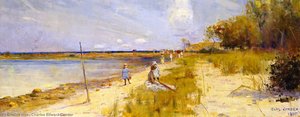
Ricketts Point, Beaumaris
 Oil
Oil- WallArt
- Impressionism
 1890
1890- 19th Century
 215.0 x 120.0 cm
 National Gallery of Australia
 Ler mais
Reprodução em Óleo Feita à Mão
Óleo sobre tela pintado à mão no tamanho e moldura de sua escolha, feito sob encomenda pelos nossos artistas. ( Alternar para Impressão Alternar para Imagem Digital)




P118B €10

P118H €10

P118W €10

P438Z €10

P508JH €12

P508YH €12

P805H €10

P805Z €10

P919BZ €10

P919G €10

P919XJ €10

P959ZH €10

P968JZ €12

W106C €8

W218G €10

W218JH €8

W218Y €10

W307PJ €10

W316G €10

W316PJ €8

W316Y €10

W398PJ €8

W4111J €10

W500HY €15

W500JH €15

W692G €12

W849H €8

W940BG €15

W953PJ €8




Escolha entre os nossos tamanhos pré-definidos que respeitam as proporções originais da obra de arte.

Insira a largura e a altura desejadas para se ajustarem à sua moldura ou parede. Como esta obra é pintada à mão, para um tamanho com proporções diferentes, o artista poderá pintar um pouco mais ao redor da imagem ou reduzir ligeiramente a composição — você escolhe. Enviamos uma maquete digital para sua aprovação antes de iniciar a pintura. A imagem exibida nesta página não representa o resultado real — apenas a maquete mostra o resultado final.
Após o pedido, a equipa OriginalUniqueArt.com enviará um e-mail ao cliente para solicitar instruções e fornecer uma prévia do esboço.
Entrega mundial () em 3 a 4 semanas, em vez das 5 semanas padrão. (27 Outubro). Sem comprometer a qualidade.

Envio expresso gratuito para todo o mundo

Tela de Linho de Alta Qualidade

Seguro de transporte completo

Garantia de Reembolso de Impostos Alfandegários

Garantia de Fidelidade Cromática

Política de Devolução em 100 Dias (Apenas para Defeitos)

Garantia de reembolso de 100%

Oferta de desconto por quantidade
 A opção de vidro está disponível apenas para tamanhos inferiores a 110 cm

Ricketts Point, Beaumaris
Técnica de Reprodução
Tamanho da Reprodução
-


Preço Total
€ 264
A Sun-Drenched Moment in Australian Impressionism
In the luminous masterpiece Ricketts Point, Beaumaris, Charles Edward Conder invites us to step into a world of pure, unadulterated joy. Painted in 1890, this sweeping composition captures more than just a coastal landscape; it captures the very essence of a summer afternoon on the shores of Melbourne. The scene is an exquisite study of light and leisure, where the reflective shallows of the foreground act as a mirror to the sky, drawing the viewer’s eye through the shimmering water toward the distant horizon. Conder, a pivotal figure of the Heidelberg School, demonstrates his profound ability to translate the subtle moods of nature into a vibrant visual language. As we gaze upon the rhythmic movement of the waves and the gentle activity along the shoreline, we are transported to a time when the simple pleasure of watching a sailboat drift across the bay was enough to stir the soul.
The technical brilliance of this work lies in Conder’s bold application of paint and his masterful command of color. Eschewing rigid outlines for a more fluid, impressionistic touch, he uses light to define form and atmosphere. The composition is masterfully balanced; while much of the canvas is dedicated to the expansive, tranquil ocean, the strip of sand and rock provides a grounded stage for human connection. One can almost feel the warmth of the sun through the artist's energetic brushstrokes. The way the light dances upon the wet sand and catches the edges of the figures creates a sense of immediacy, as if the scene were captured in a fleeting heartbeat. For the collector or interior designer, this painting offers a profound sense of openness and vitality, making it an ideal centerpiece for spaces that crave a breath of fresh, coastal air.
The Poetry of Everyday Life
Beyond its technical prowess, Ricketts Point, Beaumaris serves as a poignant narrative of social harmony and the poetic qualities of the natural world. Conder populates his landscape with figures that feel deeply integrated into the environment rather than merely placed upon it. Women in long, flowing dresses wander the shoreline in search of seashells, their movements echoing the gentle ebb and flow of the tide, while a small child plays near the water's edge, embodying the innocent wonder of discovery. This interplay between humanity and nature is central to Conder’s vision; he does not depict man conquering the landscape, but rather finding a rhythmic, peaceful coexistence within it. The presence of the distant sailboat adds a layer of movement and aspiration, suggesting the broader world beyond this intimate coastal retreat.
Historically, this work stands as a testament to the flourishing Australian Impressionist movement, born from the creative synergy between Conder and his contemporaries, Tom Roberts and Arthur Streeton. It reflects a period of intense artistic exploration where the light of the Australian landscape was being redefined through a new, modern lens. To possess a reproduction of such a piece is to hold a fragment of art history—a window into a nostalgic, golden era of Australian life. The emotional impact of the painting is one of profound serenity and optimism; it is a work that celebrates the beauty of the present moment, offering a timeless escape for anyone seeking inspiration, peace, or a touch of classical elegance in their personal surroundings.
Perguntas e Respostas
A qual movimento artístico pertence "Ricketts Point, Beaumaris", de Charles Edward Conder?
"Ricketts Point, Beaumaris" é uma obra do Impressionism. O movimento indica a tradição artística da qual a obra faz parte.
Quais são as dimensões da obra original "Ricketts Point, Beaumaris"?
As dimensões registradas de "Ricketts Point, Beaumaris", de Charles Edward Conder são 215 x 120 cm. Reproduções podem ser encomendadas em outros tamanhos, mantendo as mesmas proporções.
O que representa "Ricketts Point, Beaumaris"?
Os temas de "Ricketts Point, Beaumaris" são beach, seascape, impressionism, coastal life, leisure, australia, summer day.
Biografia do Artista
early life and artistic journey
Charles Edward Conder (1868 - 1909) foi um pintor, litógrafo e designer inglês nascido em Londres, filho do segundo de seis filhos, James Conder, engenheiro civil e Mary Ann Ayres. Passou anos na Índia como criança antes da morte de sua mãe em 14 maio 1873 em Bombaim, quando ele tinha apenas quatro anos; foi enviado de volta à Inglaterra e frequentou várias escolas incluindo uma escola preparatória em Eastbourne, onde estudou desde 1877. Abandonou a escola aos quinze anos e seu pai religioso, contra suas naturais inclinações artísticas, decidiu que deveria seguir seus passos como engenheiro civil.
artistic career in australia
Em 1884, aos dezesseis anos, foi enviado para Sydney, Austrália, onde trabalhou para seu tio, um topógrafo do governo da Nova Gales do Sul. No entanto, ele não gostou do trabalho, preferindo desenhar o cenário em vez de realizar levantamentos. Em 1886, deixou o emprego e tornou-se artista para o *Illustrated Sydney News*, onde estava na companhia de outros artistas como Albert Henry Fullwood, Frank Mahony e Benjamin Edwin Minns. Também frequentou as aulas de pintura de Alfred James Daplyn e juntou-se à Sociedade Artística da Nova Gales do Sul, participando de excursões pictóricas com Julian Ashton.
the heidelberg school and notable works
Conder tornou-se um pintor australiano importante no início do século XX. Sua obra mais famosa é *Departure of the Orient – Circular Quay* (1888), uma cena portuária que captura o movimento e a luz da hora do pôr do sol em Sydney Cove. Esta pintura foi adquirida pelo Art Gallery of New South Wales, marcando seu primeiro trabalho a entrar em uma coleção pública e consolidando sua posição como um dos principais artistas da Escola Heidelberg.
legacy and later life
Conder passou seus últimos anos na Europa, principalmente Inglaterra, mas visitou França várias vezes. Sua saúde deteriorou-se constantemente devido à sífilis, que o acompanhou até o fim de sua vida e impediu que ele continuasse pintando. Apesar disso, Conder produziu obras significativas que permanecem como testemunhos de uma época e um artista excepcional.

Charles Edward Conder
1868 - 1909 , Reino Unido
Dados Rápidos
- Artistic Movement Or Style: Heidelberg School
- Artists Who Influenced This Artist:
- Alfred Daplyn
- Victor Mann
- Julian Ashton
- Date Of Birth: October 24, 1868
- Date Of Death: February 9, 1909
- Full Name: Charles Edward Conder
- Nationality: British
- Notable Artworks:
- Departure of the Orient – Circular Quay
- A holiday at Mentone
- Under The Southern Sun
- Place Of Birth: Tottenham, United Kingdom
Artigos Relacionados

Paisagens Impressionistas Icônicas: 10 Obras que Mudaram a Arte | OriginalUniqueArt
Descubra as 10 obras impressionistas que revolucionaram a arte! Explore Monet, Renoir e outros mestres da paisagem. Encontre reproduções de alta qualidade para decorar sua casa com a beleza do Impressionismo em OriginalUniqueArt.com.

Impressionistic Realism's Finest: 10 Masterpieces for Your Home | OriginalUniqueArt
Journey through Impressionistic Realism with 10 iconic masterpieces by Monet, Renoir & Van Gogh. Explore art history, techniques & find museum-quality reproductions for your home at OriginalUniqueArt.com. Discover all masterpieces online!
Capturing Light: A Masterclass in the Ethereal Beauty of Impressionistic Landscapes
Explore the ethereal beauty of Impressionist landscapes. Discover how masters like Monet captured fleeting light through color and texture, and learn to curate these timeless, luminous masterpieces for your home collection.
Renoir: As 25 Obras-Primas do Mestre Impressionista | OriginalUniqueArt
Descubra as 25 obras-primas de Renoir, o mestre do Impressionismo! Explore a história, cores vibrantes e emoção por trás de quadros icônicos como 'Bal au moulin de la Galette'. Encontre reproduções de arte exclusivas para decorar sua casa com elegância em OriginalUniqueArt.com.

Os 10 Mestres do Impressionismo e a Paisagem que Mudou a Arte | OriginalUniqueArt
Descubra os 10 quadros impressionistas que revolucionaram a arte! Explore Monet, Renoir e outros mestres da paisagem francesa. Encontre reproduções de alta qualidade para decorar sua casa com beleza e história em OriginalUniqueArt.com.