

 Visualizar em escala
 Enviar
 Compartilhar
 Ver detalhes
 Guia de Obras do Aluno

 Baixar imagem
 Semelhantes
 Raio X
 Apresentação de slides
 Estatísticas
Venus and Amor
 Oil
Oil- WallArt
- Rococo Style
 1740
1740- Early Modern
 40.0 x 31.0 cm
 Kunsthalle Bremen
 Ver mais
Adquira uma imagem digital de alta resolução e aprimorada, muito superior à prévia online.
Cada arquivo é meticulosamente preparado por nossos especialistas internos, utilizando ferramentas avançadas e retoques manuais de alta precisão. Garantimos que cada imagem apresente clareza excepcional, fidelidade de cores e detalhes minuciosos.
O arquivo final é entregue por e-mail em até 72 horas, otimizado para uso imediato em ambientes profissionais, editoriais e de impressão. Esta é a mesma qualidade utilizada por estúdios de design de alto nível, editoras e galerias.
Imagem Digital
Baixe um arquivo de alta resolução para exibição pessoal, impressão e projetos criativos. ( Alternar para Impressão Encomendar reprodução pintada à mão)
Incluído em cada pedido de imagem digital
Entrega Digital Especializada e Garantida
Ao escolher o OriginalUniqueArt.com, você não está apenas adquirindo uma imagem — você está recebendo uma obra de arte digital profissionalmente aprimorada, elaborada com precisão e com garantia de satisfação. Aqui está tudo o que acompanha seu pedido, automaticamente:

Entrega rápida por e-mail
O seu arquivo de imagem digital em alta resolução será enviado por e-mail em até 72 horas após o pedido — pronto para uso imediato.

Arquivo Digital com IA Otimizado
Sua obra de arte é otimizada profissionalmente por meio de ferramentas avançadas de IA e edição manual, garantindo o máximo de detalhes, clareza e precisão de cores.

Reenvio gratuito vitalício
Apagou ou perdeu o seu ficheiro acidentalmente? Não se preocupe – nós reenviamos para si a qualquer momento, gratuitamente.

Sem Taxas de Importação - Sempre
Desfrute da sua obra de arte instantaneamente, sem taxas alfandegárias, impostos ou custos de entrega — downloads digitais são sempre isentos de taxas.

Garantia de Precisão de Cores
Garantimos que sua imagem digital reflita as cores originais com a maior fidelidade possível, utilizando ferramentas profissionais e gerenciamento de cores.

Garantia de satisfação de 100 dias
Se não estiver satisfeito com a sua imagem digital, nós a revisaremos ou reembolsaremos 100% dentro de 100 dias — sem perguntas.

Garantia de Reembolso 100%
Não está satisfeito? Receba o reembolso total em até 100 dias após o recebimento do seu arquivo digital — sem perguntas.

Descontos para pedidos em lote
Compre 3 imagens, economize 10% - Compre 5, economize 15% - Compre 10+, economize 20%. Ideal para projetos criativos, galerias e agências.
A Symphony of Tenderness: The Rococo Grace of Venus and Amor
In the soft, luminous glow of Charles André van Loo’s 1740 masterpiece, Venus and Amor, we are invited into a realm where divinity meets the most intimate of human emotions. This exquisite painting serves as a quintessential emblem of the Rococo era, a period defined by its departure from the heavy, dramatic shadows of the Baroque in favor of light, air, and an almost ethereal elegance. As the eye wanders across the canvas, it is immediately captured by the serene interaction between the goddess of love and her young cherub. Van Loo does not merely depict a mythological scene; he captures a profound moment of maternal reverence, where the celestial and the terrestrial dissolve into a single, breathless heartbeat of affection.
The composition is a masterclass in the Rococo aesthetic, characterized by its delicate balance and flowing, curvilinear lines. Venus rests upon a rugged yet soft-edged rocky outcrop, her posture suggesting a quiet, contemplative stillness. Her gaze, directed downward toward the infant Amor, radiates a protective warmth that transcends her divine status. This tender connection is mirrored in the surrounding landscape, where scattered birds flit through the air, adding a subtle sense of movement and life to the otherwise tranquil scene. The artist’s use of a pastel-driven palette—dominated by creamy whites, blush pinks, and muted, mossy greens—creates an atmosphere of dreamlike tranquility, making the artwork feel less like a static image and more like a fleeting, beautiful memory.
Masterful Technique and Symbolic Resonance
Beyond its surface beauty, Venus and Amor reveals a sophisticated technical prowess that continues to inspire collectors and decorators alike. Van Loo employs advanced glazing techniques, layering thin, translucent veils of paint to achieve a luminous, pearlescent quality on the skin of the figures. This method allows light to appear as if it is emanating from within the canvas itself, highlighting the soft textures of drapery and the delicate features of the cherub. Every brushstroke is intentional, contributing to an overall sense of refinement and luxury that was highly prized in the French courts of Louis XV.
Symbolically, the painting is rich with layers of meaning that resonate deeply with the themes of renewal and innocence. The presence of the birds serves as a metaphor for freedom and the cyclical nature of life, while the very choice of subject matter—the goddess of love nurturing her offspring—speaks to the universal sanctity of the maternal bond. For the discerning interior designer or art enthusiast, this piece offers more than just visual appeal; it provides an emotional anchor. Whether placed in a sun-drenched morning room or a sophisticated gallery space, a high-quality reproduction of this work brings with it an aura of classical sophistication and a timeless sense of peace, making it an incomparable centerpiece for any curated collection.
Perguntas e Respostas
"Venus and Amor", de Charles André van Loo, está em domínio público? E por quê?
"Venus and Amor" de Charles André van Loo está em em domínio público - seus direitos autorais expiraram. Os termos de direitos autorais são calculados a partir do falecimento do artista, e Charles André van Loo faleceu em 1765.
Qual era a idade de Charles André van Loo ao criar "Venus and Amor" em 1740?
Quando "Venus and Amor" foi criada em 1740, Charles André van Loo — nascido(a) em 1705 — tinha 35 anos.
Como posso descobrir obras de arte semelhantes a "Venus and Amor" de Charles André van Loo?
A página Semelhantes de "Venus and Amor" de Charles André van Loo apresenta obras relacionadas.
Biografia do Artista
Primeira Vida e Formação
- Nascimento: 15 de fevereiro de 1705, em Nice, França
- Origem Familiar: Filho de Louis-Abraham van Loo e irmão mais novo de Jean-Baptiste van Loo. Membro de uma bem-sucedida dinastia de pintores holandeses.
- Educação Inicial: Formação inicial em Turim, seguida por estudos em Roma (1712) sob a tutela de Benedetto Luti e Pierre Legros.
- Estudos Parisienses: Frequentou a Académie royale, conquistando o primeiro prêmio de desenho em 1723 e de pintura histórica em 1727.
Carreira Artística e Obras Notáveis
- Estilo: Reconhecido primordialmente como um pintor Rococó, caracterizado pela elegância, graça e detalhes ornamentados.
- Temática: Uma gama diversificada que inclui retratos, cenas mitológicas, pinturas históricas, alegorias e cenas de gênero.
- Obras Significativas:
- Vênus e Amor (Kunsthalle Bremen) - Demonstra o domínio do estilo Rococó.
- A Parada da Caça (The Metropolitan Museum of Art) – Captura as atividades aristocráticas.
- Retrato de Marie Leszczynska, Rainha da França – Um notável retrato real.
- Júpiter e Alcione - Exibe temas mitológicos.
- Autorretrato – Oferece uma visão sobre a autopercepção do artista.
- Perseu e Andrômeda (múltiplas versões) – Ilustra a habilidade em retratar a mitologia clássica.
- Mademoiselle Clairon como Medeia (versão pequena) - Um cativante retrato Rococó de 1760.
Patrocínio e Reconhecimento Real
- Patrocínio Real: Desfrutou do patrocínio de Madame de Pompadour e da corte francesa.
- Nomeação à Corte: Tornou-se Primeiro Pintor do Rei Luís XV em 1762, um cargo de grande prestígio.
- Ordem de São Miguel: Condecorado com a Ordem de São Miguel, simbolizando o favor real.
Influências e Legado
- Influência Familiar: Fortemente influenciado por seu pai e seu irmão, ambos pintores realizados.
- Rivalidade: Competiu com François Boucher, outro proeminente artista do Rococó.
- Escola Francesa Moderna: Sua "simplicidade de estilo e correção de desenho" influenciou significativamente a escola moderna de pintura francesa.
- Sorte Crítica: Embora seu prestígio crítico tenha oscilado ao longo do tempo, sua habilidade e a amplitude de sua obra impõem respeito.
Coleções de Museus e Exploração Adicional
- Presença em Museus: Suas obras estão presentes em museus renomados, incluindo o Louvre (O Casamento da Virgem), Kunsthalle Bremen e The Metropolitan Museum of Art.
- Recursos Adicionais:
- Página de Charles-André van Loo na OriginalUniqueArt: https://www.OriginalUniqueArt.com/artists/charles-andre-van-loo/
- Página dos Maiores Artistas de Todos os Tempos da OriginalUniqueArt: https://www.OriginalUniqueArt.com/greatest-artists
- Museu Virtual OriginalUniqueArt: https://www.OriginalUniqueArt.com/
- Artigo na Wikipedia: https://en.wikipedia.org/wiki/Charles-Andr%C3%A9_van_Loo
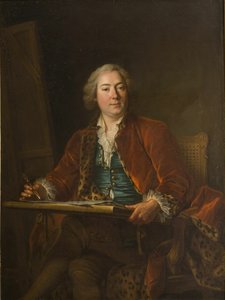
Charles André van Loo
1705 - 1765 , França
Informações Rápidas
- Artistic Movement Or Style: Rococo
- Artists Or Movements Influenced By This Artist: ['Escola Francesa Moderna']
- Artists Who Influenced This Artist:
- Benedetto Luti
- Pierre Le Gros
- Date Of Birth: 15 fevereiro 1705
- Full Name: Charles André van Loo
- Nationality: Francês
- Notable Artworks:
- Venus e Amor
- Halt da Caça
- Retrato de Maria Leszczynska
- Place Of Birth: Nice, França