

 Visualizar em escala
 Enviar
 Compartilhar
 Ver detalhes
 Guia de Obras do Aluno

 Baixar imagem
 Semelhantes
 Raio X
 Apresentação de slides
 Estatísticas
Life of St Augustine Saint Augustine Disputing with the Donatists
 Oil On Canvas
- WallArt
- Rococo Style
 1753
1753- Early Modern
 400.0 x 550.0 cm
 Basilique Notre
 Ver mais
Adquira uma imagem digital de alta resolução e aprimorada, muito superior à prévia online.
Cada arquivo é meticulosamente preparado por nossos especialistas internos, utilizando ferramentas avançadas e retoques manuais de alta precisão. Garantimos que cada imagem apresente clareza excepcional, fidelidade de cores e detalhes minuciosos.
O arquivo final é entregue por e-mail em até 72 horas, otimizado para uso imediato em ambientes profissionais, editoriais e de impressão. Esta é a mesma qualidade utilizada por estúdios de design de alto nível, editoras e galerias.
Imagem Digital
Baixe um arquivo de alta resolução para exibição pessoal, impressão e projetos criativos. ( Alternar para Impressão Encomendar reprodução pintada à mão)
Incluído em cada pedido de imagem digital
Entrega Digital Especializada e Garantida
Ao escolher o OriginalUniqueArt.com, você não está apenas adquirindo uma imagem — você está recebendo uma obra de arte digital profissionalmente aprimorada, elaborada com precisão e com garantia de satisfação. Aqui está tudo o que acompanha seu pedido, automaticamente:

Entrega rápida por e-mail
O seu arquivo de imagem digital em alta resolução será enviado por e-mail em até 72 horas após o pedido — pronto para uso imediato.

Arquivo Digital com IA Otimizado
Sua obra de arte é otimizada profissionalmente por meio de ferramentas avançadas de IA e edição manual, garantindo o máximo de detalhes, clareza e precisão de cores.

Reenvio gratuito vitalício
Apagou ou perdeu o seu ficheiro acidentalmente? Não se preocupe – nós reenviamos para si a qualquer momento, gratuitamente.

Sem Taxas de Importação - Sempre
Desfrute da sua obra de arte instantaneamente, sem taxas alfandegárias, impostos ou custos de entrega — downloads digitais são sempre isentos de taxas.

Garantia de Precisão de Cores
Garantimos que sua imagem digital reflita as cores originais com a maior fidelidade possível, utilizando ferramentas profissionais e gerenciamento de cores.

Garantia de satisfação de 100 dias
Se não estiver satisfeito com a sua imagem digital, nós a revisaremos ou reembolsaremos 100% dentro de 100 dias — sem perguntas.

Garantia de Reembolso 100%
Não está satisfeito? Receba o reembolso total em até 100 dias após o recebimento do seu arquivo digital — sem perguntas.

Descontos para pedidos em lote
Compre 3 imagens, economize 10% - Compre 5, economize 15% - Compre 10+, economize 20%. Ideal para projetos criativos, galerias e agências.
A Window Into Enlightenment: The Intellectual Drama of Van Loo
In the grand tapestry of eighteenth-century art, few works capture the electric tension between faith and reason as masterfully as Charles-André van Loo’s 1753 masterpiece, Life of St Augustine Saint Augustine Disputing with the Donatists. This expansive oil on canvas is far more than a mere historical reconstruction; it is a meticulously crafted tableau that breathes life into the intellectual fervor of the Enlightenment era. As the eye wanders across the vast composition, it is immediately arrested by the central figure of Saint Augustine, whose animated posture and fervent expression embody a relentless pursuit of truth. Surrounded by companions engaged in spirited debate, the scene transcends its theological subject matter to mirror the philosophical dialogues that defined the reign of Louis XV, inviting every viewer to witness a moment where dogma meets scrutiny.
The setting itself serves as a silent protagonist in this drama. Arranged around a table laden with heavy books and scattered documents, the figures exist within an atmosphere of academic rigor and spiritual urgency. Van Loo utilizes the dramatic technique of chiaroscuro—the masterful interplay of light and shadow—to heighten the emotional stakes of the dispute. The light does not merely illuminate; it carves out the importance of each participant’s stance, casting deep shadows that suggest the gravity of the Donatist heresy and the weight of the theological consequences at stake. This strategic use of light creates a sense of depth and movement, pulling the observer into the very heart of the conversation.
Rococo Elegance and the Art of the Brush
While the subject matter is heavy with historical significance, Van Loo executes the scene with the unmistakable grace of the Rochoco style. The painting is a triumph of delicate brushwork and a luxurious, luminous palette. Eschewing the somber tones often associated with religious history painting, Van Loo embraces a spectrum of pastel hues—creams, golds, soft pinks, and ethereal blues—to create an atmosphere that feels both regal and transcendent. This lightness of color provides a breathtaking contrast to the darker architectural elements, lending the work an almost dreamlike quality that is characteristic of the era's refined ornamentation.
For the discerning collector or interior designer, this piece offers a profound sense of prestige and narrative depth. The artist’s ability to render the intricate folds of drapery and the subtle nuances of facial expressions demonstrates a level of technical virtuosity that commands attention in any grand space. Whether placed in a library, a formal study, or a sophisticated gallery setting, the painting acts as a focal point of conversation. It does not merely decorate a wall; it anchors a room with its historical weight and aesthetic splendor, offering a timeless connection to an age where art, intellect, and divinity were inextricably entwined.
Perguntas e Respostas
De que material é feita a obra "Life of St Augustine Saint Augustine Disputing with the Donatists" e em qual estilo?
"Life of St Augustine Saint Augustine Disputing with the Donatists" é feita em Oil On Canvas, no estilo Rococo Style.
"Life of St Augustine Saint Augustine Disputing with the Donatists" apresenta contrastes fortes entre luz e sombra?
O contraste entre claro e escuro de "Life of St Augustine Saint Augustine Disputing with the Donatists" é registrado como Balanced. O contraste descreve a intensidade da diferença entre as áreas claras e escuras.
Qual é o lugar de "Life of St Augustine Saint Augustine Disputing with the Donatists" de Charles André van Loo na história da arte?
Historicamente, "Life of St Augustine Saint Augustine Disputing with the Donatists" é uma obra Rococo Style da mais ampla era Early Modern.
Biografia do Artista
Primeira Vida e Formação
- Nascimento: 15 de fevereiro de 1705, em Nice, França
- Origem Familiar: Filho de Louis-Abraham van Loo e irmão mais novo de Jean-Baptiste van Loo. Membro de uma bem-sucedida dinastia de pintores holandeses.
- Educação Inicial: Formação inicial em Turim, seguida por estudos em Roma (1712) sob a tutela de Benedetto Luti e Pierre Legros.
- Estudos Parisienses: Frequentou a Académie royale, conquistando o primeiro prêmio de desenho em 1723 e de pintura histórica em 1727.
Carreira Artística e Obras Notáveis
- Estilo: Reconhecido primordialmente como um pintor Rococó, caracterizado pela elegância, graça e detalhes ornamentados.
- Temática: Uma gama diversificada que inclui retratos, cenas mitológicas, pinturas históricas, alegorias e cenas de gênero.
- Obras Significativas:
- Vênus e Amor (Kunsthalle Bremen) - Demonstra o domínio do estilo Rococó.
- A Parada da Caça (The Metropolitan Museum of Art) – Captura as atividades aristocráticas.
- Retrato de Marie Leszczynska, Rainha da França – Um notável retrato real.
- Júpiter e Alcione - Exibe temas mitológicos.
- Autorretrato – Oferece uma visão sobre a autopercepção do artista.
- Perseu e Andrômeda (múltiplas versões) – Ilustra a habilidade em retratar a mitologia clássica.
- Mademoiselle Clairon como Medeia (versão pequena) - Um cativante retrato Rococó de 1760.
Patrocínio e Reconhecimento Real
- Patrocínio Real: Desfrutou do patrocínio de Madame de Pompadour e da corte francesa.
- Nomeação à Corte: Tornou-se Primeiro Pintor do Rei Luís XV em 1762, um cargo de grande prestígio.
- Ordem de São Miguel: Condecorado com a Ordem de São Miguel, simbolizando o favor real.
Influências e Legado
- Influência Familiar: Fortemente influenciado por seu pai e seu irmão, ambos pintores realizados.
- Rivalidade: Competiu com François Boucher, outro proeminente artista do Rococó.
- Escola Francesa Moderna: Sua "simplicidade de estilo e correção de desenho" influenciou significativamente a escola moderna de pintura francesa.
- Sorte Crítica: Embora seu prestígio crítico tenha oscilado ao longo do tempo, sua habilidade e a amplitude de sua obra impõem respeito.
Coleções de Museus e Exploração Adicional
- Presença em Museus: Suas obras estão presentes em museus renomados, incluindo o Louvre (O Casamento da Virgem), Kunsthalle Bremen e The Metropolitan Museum of Art.
- Recursos Adicionais:
- Página de Charles-André van Loo na OriginalUniqueArt: https://www.OriginalUniqueArt.com/artists/charles-andre-van-loo/
- Página dos Maiores Artistas de Todos os Tempos da OriginalUniqueArt: https://www.OriginalUniqueArt.com/greatest-artists
- Museu Virtual OriginalUniqueArt: https://www.OriginalUniqueArt.com/
- Artigo na Wikipedia: https://en.wikipedia.org/wiki/Charles-Andr%C3%A9_van_Loo
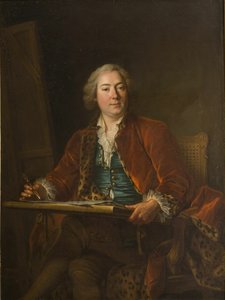
Charles André van Loo
1705 - 1765 , França
Informações Rápidas
- Artistic Movement Or Style: Rococo
- Artists Or Movements Influenced By This Artist: ['Escola Francesa Moderna']
- Artists Who Influenced This Artist:
- Benedetto Luti
- Pierre Le Gros
- Date Of Birth: 15 fevereiro 1705
- Full Name: Charles André van Loo
- Nationality: Francês
- Notable Artworks:
- Venus e Amor
- Halt da Caça
- Retrato de Maria Leszczynska
- Place Of Birth: Nice, França