

 Visualizar na parede
 Compartilhar
 Compartilhar
 Detalhes
 Guia
Guia

 Baixar imagem
 Semelhantes
 Raio X
 Ver diaporama
 Q&A
Q&A Estatísticas
Jahel e Tamah (Estudo)


 Ler mais
Giclée / Impressão de Arte
Impressão giclée ou em tela de qualidade de museu, com produção rápida e opções flexíveis de acabamento. ( Comprar pintura feita à mão Alternar para Imagem Digital)




P118B €10

P118H €10

P118W €10

P438Z €10

P508JH €12

P508YH €12

P805H €10

P805Z €10

P919BZ €10

P919G €10

P919XJ €10

P959ZH €10

P968JZ €12

W106C €8

W218G €10

W218JH €8

W218Y €10

W307PJ €10

W316G €10

W316PJ €8

W316Y €10

W398PJ €8

W4111J €10

W500HY €15

W500JH €15

W692G €12

W849H €8

W940BG €15

W953PJ €8




Escolha entre os nossos tamanhos pré-definidos que respeitam as proporções originais da obra de arte.

Insira a largura e a altura desejadas para se ajustarem à sua moldura ou parede. Uma impressão pode ser apenas cortada, nunca ampliada além da imagem original; portanto, um tamanho com proporções diferentes resultará na perda de parte da imagem. Enviamos uma maquete digital para sua aprovação antes de realizarmos a impressão. A imagem exibida nesta página não mostra o corte real — apenas a maquete o faz.
Entrega mundial () em 2 semanas, em vez das 4/5 semanas padrão. (31 Outubro)

Envio expresso gratuito para todo o mundo

Tela de Linho de Alta Qualidade

Seguro de transporte completo

Garantia de Reembolso de Impostos Alfandegários

Garantia de Fidelidade Cromática

Política de Devolução em 100 Dias (Apenas para Defeitos)

Garantia de reembolso de 100%

Oferta de desconto por quantidade
 A opção de vidro está disponível apenas para tamanhos inferiores a 110 cm

Jahel e Tamah (Estudo)
Giclée / Impressão de Arte
Tamanho da Reprodução
-


Preço Total
€ 71
Jahel and Tamah (study): A Rococo Drama Captured in Paint
“Jahel and Tamah,” attributed to Charles-André van Loo, stands as a testament to the opulent aesthetic sensibilities of 18th-century France – specifically, the Rococo movement. This captivating study delves into a narrative brimming with tension and emotion, skillfully rendered by Van Loo’s masterful hand.
Born in Nice in 1705, Charles André van Loo descended from a distinguished lineage of Dutch painters, inheriting artistic talent and establishing himself as a prominent figure within the Parisian art scene. His formative years were spent honing his skills under luminaries like Benedetto Luti and Pierre Legros in Turin, followed by intensive studies at the Académie royale where he swiftly ascended to prominence, securing first prize for drawing and later for historical painting.
Van Loo’s artistic style epitomized Rococo grandeur. Characterized by delicate ornamentation, pastel hues, asymmetrical compositions, and an emphasis on graceful curves—a deliberate rejection of the rigid formality of Baroque art—his paintings sought to evoke feelings of pleasure and refinement. He excelled in portraying aristocratic life, mythological narratives, and portraits imbued with psychological depth.
The depicted scene portrays a dramatic confrontation between two figures: one prone upon a pillow, suggesting injury or vulnerability, while the other stands above him wielding a weapon—likely a sword—expressing determination and perhaps even aggression. The artist’s meticulous attention to detail—from the draped fabric framing the composition to the expressive faces of the subjects—creates an immersive experience for the viewer.
The color palette is rich and saturated, mirroring the emotional intensity of the depicted moment. Van Loo skillfully employs chiaroscuro – dramatic contrasts between light and shadow – to sculpt form and heighten visual impact. This technique underscores the psychological complexity of the scene, inviting contemplation on themes of power, conflict, and human emotion.
“Jahel and Tamah” exemplifies Van Loo’s contribution to the “Modern French School,” influencing subsequent generations of artists with its elegance and precision. Its legacy continues to resonate in museums worldwide—particularly the Louvre and Kunsthalle Bremen—where reproductions offer a glimpse into the artistic dynamism of Louis XV's court.
Would you like to explore commissioning a high-quality reproduction of this remarkable artwork? Visit OriginalUniqueArt.com today!
Perguntas e Respostas
Qual é a luminosidade percebida de "Jahel e Tamah (Estudo)", de Charles André van Loo?
Em termos de luminosidade percebida, "Jahel e Tamah (Estudo)", de Charles André van Loo é sombras profundas.
Por quais outros nomes ou pseudônimos Charles André van Loo é conhecido?
Charles André van Loo também é conhecido pelos nomes Carle van Loo, Carlevanloo, Charles andre van loo, Charles-andre van loo.
Quem criou "Jahel e Tamah (Estudo)" e em qual estilo se encontra?
Por trás de "Jahel e Tamah (Estudo)" estão Charles André van Loo e o movimento Rococo Painting.
Biografia do Artista
Primeira Vida e Formação
- Nascimento: 15 de fevereiro de 1705, em Nice, França
- Origem Familiar: Filho de Louis-Abraham van Loo e irmão mais novo de Jean-Baptiste van Loo. Membro de uma bem-sucedida dinastia de pintores holandeses.
- Educação Inicial: Formação inicial em Turim, seguida por estudos em Roma (1712) sob a tutela de Benedetto Luti e Pierre Legros.
- Estudos Parisienses: Frequentou a Académie royale, conquistando o primeiro prêmio de desenho em 1723 e de pintura histórica em 1727.
Carreira Artística e Obras Notáveis
- Estilo: Reconhecido primordialmente como um pintor Rococó, caracterizado pela elegância, graça e detalhes ornamentados.
- Temática: Uma gama diversificada que inclui retratos, cenas mitológicas, pinturas históricas, alegorias e cenas de gênero.
- Obras Significativas:
- Vênus e Amor (Kunsthalle Bremen) - Demonstra o domínio do estilo Rococó.
- A Parada da Caça (The Metropolitan Museum of Art) – Captura as atividades aristocráticas.
- Retrato de Marie Leszczynska, Rainha da França – Um notável retrato real.
- Júpiter e Alcione - Exibe temas mitológicos.
- Autorretrato – Oferece uma visão sobre a autopercepção do artista.
- Perseu e Andrômeda (múltiplas versões) – Ilustra a habilidade em retratar a mitologia clássica.
- Mademoiselle Clairon como Medeia (versão pequena) - Um cativante retrato Rococó de 1760.
Patrocínio e Reconhecimento Real
- Patrocínio Real: Desfrutou do patrocínio de Madame de Pompadour e da corte francesa.
- Nomeação à Corte: Tornou-se Primeiro Pintor do Rei Luís XV em 1762, um cargo de grande prestígio.
- Ordem de São Miguel: Condecorado com a Ordem de São Miguel, simbolizando o favor real.
Influências e Legado
- Influência Familiar: Fortemente influenciado por seu pai e seu irmão, ambos pintores realizados.
- Rivalidade: Competiu com François Boucher, outro proeminente artista do Rococó.
- Escola Francesa Moderna: Sua "simplicidade de estilo e correção de desenho" influenciou significativamente a escola moderna de pintura francesa.
- Sorte Crítica: Embora seu prestígio crítico tenha oscilado ao longo do tempo, sua habilidade e a amplitude de sua obra impõem respeito.
Coleções de Museus e Exploração Adicional
- Presença em Museus: Suas obras estão presentes em museus renomados, incluindo o Louvre (O Casamento da Virgem), Kunsthalle Bremen e The Metropolitan Museum of Art.
- Recursos Adicionais:
- Página de Charles-André van Loo na OriginalUniqueArt: https://www.OriginalUniqueArt.com/artists/charles-andre-van-loo/
- Página dos Maiores Artistas de Todos os Tempos da OriginalUniqueArt: https://www.OriginalUniqueArt.com/greatest-artists
- Museu Virtual OriginalUniqueArt: https://www.OriginalUniqueArt.com/
- Artigo na Wikipedia: https://en.wikipedia.org/wiki/Charles-Andr%C3%A9_van_Loo
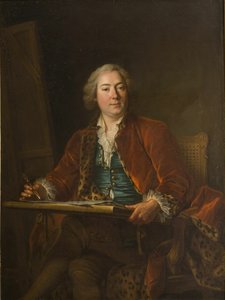
Charles André van Loo
1705 - 1765 , França
Dados Rápidos
- Artistic Movement Or Style: Rococo
- Artists Or Movements Influenced By This Artist: ['Escola Francesa Moderna']
- Artists Who Influenced This Artist:
- Benedetto Luti
- Pierre Le Gros
- Date Of Birth: 15 fevereiro 1705
- Full Name: Charles André van Loo
- Nationality: Francês
- Notable Artworks:
- Venus e Amor
- Halt da Caça
- Retrato de Maria Leszczynska
- Place Of Birth: Nice, França
Artigos Relacionados

Rococó: 10 Obras-Primas que Definiram um Movimento Artístico Elegante | OriginalUniqueArt.com
Descubra as 10 obras-primas do Rococó! Explore a elegância de Fragonard, Boucher e Watteau. A arte do século XVIII ganha vida com cores pastel e detalhes luxuosos. Encontre reproduções de alta qualidade em OriginalUniqueArt.com.

Rembrandt van Rijn: As 25 Obras-Primas que Definem um Mestre da Luz e Sombra | OriginalUniqueArt
Descubra as 25 obras-primas de Rembrandt van Rijn, o mestre da luz e sombra! Explore a história por trás de 'A Ronda Noturna', seus auto-retratos e muito mais. Encontre reproduções de arte exclusivas para decorar sua casa com OriginalUniqueArt.com.

The Rococo Aesthetic: Opulence, Rebellion & the Pursuit of Pleasure in 18th-Century Art
Explore the opulent world of Rococo art! Discover its origins, key artists like Watteau & Boucher, and lasting influence on design. Expert insights for collectors & enthusiasts.

Charles-André van Loo: A Study in Rococo Portraiture & the French Court's Artistic Dynamics
Explore the elegant world of Charles-André van Loo, a master of Rococo portraiture at the French court. Discover his life, techniques, and enduring influence on 18th-century art. Hand-painted reproductions available.
Charles Le Brun: Master of French Baroque Classicism & His Enduring Legacy
Explore the life & art of Charles Le Brun, master of French Baroque Classicism. Discover his royal commissions, influence on Versailles, and enduring legacy through detailed analysis & stunning artworks.


