

 Visualizar em escala
 Enviar
 Compartilhar
 Ver detalhes
 Guia de Obras do Aluno

 Baixar imagem
 Semelhantes
 Raio X
 Apresentação de slides
 Estatísticas
Aeneas Carrying Anchises
 Oil On Canvas
- WallArt
- Rococo
 1729
1729 110.0 x 105.0 cm
 Museu do Louvre
 Ver mais
Giclée / Impressão de Arte
Impressão giclée ou em tela de qualidade de museu, com produção rápida e opções flexíveis de acabamento. ( Encomendar reprodução pintada à mão Ver Imagem Digital)




P118B €10

P118H €10

P118W €10

P438Z €10

P508JH €12

P508YH €12

P805H €10

P805Z €10

P919BZ €10

P919G €10

P919XJ €10

P959ZH €10

P968JZ €12

W106C €8

W218G €10

W218JH €8

W218Y €10

W307PJ €10

W316G €10

W316PJ €8

W316Y €10

W398PJ €8

W4111J €10

W500HY €15

W500JH €15

W692G €12

W849H €8

W940BG €15

W953PJ €8




Escolha entre os nossos tamanhos pré-definidos que respeitam as proporções originais da obra de arte.

Digite a largura e a altura de que necessita, para se ajustar à sua moldura ou à sua parede. Uma impressão só pode ser cortada, nunca ampliada além da imagem original, pelo que um tamanho com uma proporção diferente perderá parte da imagem. Enviamos-lhe uma maquete digital para aprovação antes de imprimirmos qualquer coisa. A imagem apresentada nesta página não mostra o corte real — apenas a maquete o faz.
Entrega mundial () em 2 semanas, em vez das 4/5 semanas padrão. (21 Outubro)

Envio expresso gratuito para todo o mundo

Tela de Linho Premium

Seguro de transporte total

Garantia de Reembolso de Impostos Alfandegários

Garantia de Fidelidade de Cor

Política de Devolução em 100 Dias (Apenas para Defeitos)

Garantia de reembolso de 100%

Desconto para múltiplas unidades
 A opção de vidro está disponível apenas para tamanhos inferiores a 110 cm

Aeneas Carrying Anchises
Giclée / Impressão de Arte
Dimensões da Reprodução
-


Preço Total
€ 70
Aeneas Carrying Anchises: A Testament to Roman Heroism and Rococo Elegance
Charles-André van Loo’s “Aeneas Carrying Anchises,” painted in 1729, is more than just a depiction of a pivotal moment from Virgil's *Aeneid*; it’s a masterful distillation of the Rococo style, imbued with a profound sense of drama and classical gravitas. This artwork, now meticulously reproduced on hand-painted canvas by OriginalUniqueArt, offers a captivating glimpse into 18th-century French artistic sensibilities – a world where mythological narratives intertwined seamlessly with aristocratic life and an exquisite attention to detail reigned supreme.
The scene unfolds within a classically inspired architectural setting, reminiscent of the Temple of Venus or perhaps even the Parthenon, lending an air of timeless grandeur. Van Loo skillfully employs atmospheric perspective – the subtle blurring of details in the background – to draw the viewer’s eye towards the central figures: Aeneas, the Trojan hero, and his aged father, Anchises. The composition is carefully balanced, utilizing a pyramidal structure that reinforces the importance of these two patriarchs. Note the deliberate use of light; it illuminates Aeneas's determined face and the weight of responsibility he carries, while casting a softer glow upon Anchises, suggesting both vulnerability and profound wisdom.
The Rococo Palette: Color, Texture, and Ornamentation
As a leading figure in the Rococo movement, Van Loo’s signature style is immediately recognizable. The painting bursts with rich, layered colors – deep reds, blues, and golds dominate the palette, creating an opulent and luxurious atmosphere. The artist's meticulous brushwork reveals a remarkable attention to texture; from the folds of Aeneas’s cloak to the weathered skin of Anchises, every surface is rendered with incredible realism. Observe how he uses shimmering highlights to capture the light reflecting off polished marble columns and the fabric of their garments – a hallmark of Rococo technique.
The decorative elements are equally noteworthy. The architectural details, while rooted in classical forms, are embellished with intricate moldings, garlands, and subtle flourishes characteristic of the era. Van Loo’s mastery extends to portraying the human form; Aeneas and Anchises are depicted with a graceful elegance that reflects the ideals of beauty prevalent during the Rococo period. The inclusion of other figures in the background – soldiers, attendants, and perhaps even a veiled woman – adds depth and narrative complexity to the scene, hinting at the broader context of the Trojan War and its aftermath.
Symbolism and Narrative Resonance
Beyond its aesthetic beauty, “Aeneas Carrying Anchises” is rich in symbolic meaning. The act of Aeneas carrying his father represents not only filial devotion but also the burden of leadership and the transmission of legacy. Anchises, a descendant of Aeneas and the rightful heir to Troy, embodies the continuity of Roman civilization. The setting itself – a temple or monumental structure – elevates the scene to a realm of mythic importance, suggesting that Aeneas’s journey is not merely a personal quest but a destiny ordained by the gods.
Furthermore, the presence of the woman in the background has been interpreted as representing Fides (Faith) or perhaps even Venus herself, subtly reinforcing the themes of duty, honor, and divine guidance. The painting's overall mood is one of solemn determination tempered with a poignant sense of loss – a reminder of the sacrifices required to fulfill a noble purpose. OriginalUniqueArt’s faithful reproduction captures this nuanced emotional depth, allowing viewers to fully appreciate the artistry and storytelling embedded within Van Loo’s masterpiece.
Bringing “Aeneas Carrying Anchises” Home
Whether you're an art enthusiast, a collector seeking to enrich your collection, or simply someone looking for a stunning addition to your interior décor, OriginalUniqueArt’s hand-painted reproduction of “Aeneas Carrying Anchises” offers the perfect opportunity to own a piece of 18th-century artistic history. The meticulous detail and vibrant colors faithfully recreate Van Loo's original vision, while the canvas medium provides a timeless quality that will endure for generations to come. Explore our selection of sizes and framing options to find the ideal representation for your space – and experience the enduring power of this iconic artwork.
Perguntas e Respostas
Onde posso encontrar obras de arte semelhantes a "Aeneas Carrying Anchises" de Charles André van Loo?
A página Semelhantes de "Aeneas Carrying Anchises" de Charles André van Loo apresenta obras relacionadas.
Como "Aeneas Carrying Anchises" se encaixa nos temas e no estilo de Charles André van Loo?
"Aeneas Carrying Anchises" pertence à obra Rococo de Charles André van Loo, cujos temas recorrentes incluem italian baroque influence, mythological, roman themes, courtly patronage, luxury, dynasty’s artistic legacy, classical narrative depiction.
Que tom emocional acompanha o estilo Rococo de "Aeneas Carrying Anchises"?
"Aeneas Carrying Anchises" carrega um tom emocional Melancholic dentro do movimento Rococo.
Biografia do Artista
Primeira Vida e Formação
- Nascimento: 15 de fevereiro de 1705, em Nice, França
- Origem Familiar: Filho de Louis-Abraham van Loo e irmão mais novo de Jean-Baptiste van Loo. Membro de uma bem-sucedida dinastia de pintores holandeses.
- Educação Inicial: Formação inicial em Turim, seguida por estudos em Roma (1712) sob a tutela de Benedetto Luti e Pierre Legros.
- Estudos Parisienses: Frequentou a Académie royale, conquistando o primeiro prêmio de desenho em 1723 e de pintura histórica em 1727.
Carreira Artística e Obras Notáveis
- Estilo: Reconhecido primordialmente como um pintor Rococó, caracterizado pela elegância, graça e detalhes ornamentados.
- Temática: Uma gama diversificada que inclui retratos, cenas mitológicas, pinturas históricas, alegorias e cenas de gênero.
- Obras Significativas:
- Vênus e Amor (Kunsthalle Bremen) - Demonstra o domínio do estilo Rococó.
- A Parada da Caça (The Metropolitan Museum of Art) – Captura as atividades aristocráticas.
- Retrato de Marie Leszczynska, Rainha da França – Um notável retrato real.
- Júpiter e Alcione - Exibe temas mitológicos.
- Autorretrato – Oferece uma visão sobre a autopercepção do artista.
- Perseu e Andrômeda (múltiplas versões) – Ilustra a habilidade em retratar a mitologia clássica.
- Mademoiselle Clairon como Medeia (versão pequena) - Um cativante retrato Rococó de 1760.
Patrocínio e Reconhecimento Real
- Patrocínio Real: Desfrutou do patrocínio de Madame de Pompadour e da corte francesa.
- Nomeação à Corte: Tornou-se Primeiro Pintor do Rei Luís XV em 1762, um cargo de grande prestígio.
- Ordem de São Miguel: Condecorado com a Ordem de São Miguel, simbolizando o favor real.
Influências e Legado
- Influência Familiar: Fortemente influenciado por seu pai e seu irmão, ambos pintores realizados.
- Rivalidade: Competiu com François Boucher, outro proeminente artista do Rococó.
- Escola Francesa Moderna: Sua "simplicidade de estilo e correção de desenho" influenciou significativamente a escola moderna de pintura francesa.
- Sorte Crítica: Embora seu prestígio crítico tenha oscilado ao longo do tempo, sua habilidade e a amplitude de sua obra impõem respeito.
Coleções de Museus e Exploração Adicional
- Presença em Museus: Suas obras estão presentes em museus renomados, incluindo o Louvre (O Casamento da Virgem), Kunsthalle Bremen e The Metropolitan Museum of Art.
- Recursos Adicionais:
- Página de Charles-André van Loo na OriginalUniqueArt: https://www.OriginalUniqueArt.com/artists/charles-andre-van-loo/
- Página dos Maiores Artistas de Todos os Tempos da OriginalUniqueArt: https://www.OriginalUniqueArt.com/greatest-artists
- Museu Virtual OriginalUniqueArt: https://www.OriginalUniqueArt.com/
- Artigo na Wikipedia: https://en.wikipedia.org/wiki/Charles-Andr%C3%A9_van_Loo
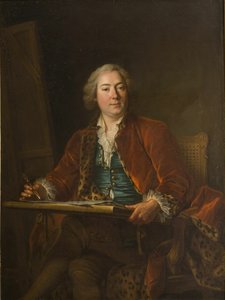
Charles André van Loo
1705 - 1765 , França
Informações Rápidas
- Artistic Movement Or Style: Rococo
- Artists Or Movements Influenced By This Artist: ['Escola Francesa Moderna']
- Artists Who Influenced This Artist:
- Benedetto Luti
- Pierre Le Gros
- Date Of Birth: 15 fevereiro 1705
- Full Name: Charles André van Loo
- Nationality: Francês
- Notable Artworks:
- Venus e Amor
- Halt da Caça
- Retrato de Maria Leszczynska
- Place Of Birth: Nice, França
Artigos Relacionados

Rococó: 10 Obras-Primas que Definiram um Movimento Artístico Elegante | OriginalUniqueArt.com
Descubra as 10 obras-primas do Rococó! Explore a elegância de Fragonard, Boucher e Watteau. A arte do século XVIII ganha vida com cores pastel e detalhes luxuosos. Encontre reproduções de alta qualidade em OriginalUniqueArt.com.
Renascimento Primitivo Flamenco: 10 Obras-Primas Essenciais para Decorar com Arte
Descubra as 10 obras-primas do Renascimento Primitivo Flamenco! Explore a arte de Jan van Eyck, Robert Campin e outros mestres. Reproduções de alta qualidade para decorar sua casa com beleza e história. Explore a coleção completa em OriginalUniqueArt.com

Charles-André van Loo: A Study in Rococo Portraiture & the French Court's Artistic Dynamics
Explore the elegant world of Charles-André van Loo, a master of Rococo portraiture at the French court. Discover his life, techniques, and enduring influence on 18th-century art. Hand-painted reproductions available.

Os 10 Mestres da Pintura Primitiva Flamenga que Moldaram a Arte
Descubra os 10 quadros que revolucionaram a Pintura Primitiva Flamenga! Explore Jan van Eyck, Rogier van der Weyden e outros mestres renascentistas. Encontre reproduções de alta qualidade para decorar sua casa com arte atemporal em OriginalUniqueArt.com.

Rembrandt van Rijn: As 25 Obras-Primas que Definem um Mestre da Luz e Sombra | OriginalUniqueArt
Descubra as 25 obras-primas de Rembrandt van Rijn, o mestre da luz e sombra! Explore a história por trás de 'A Ronda Noturna', seus auto-retratos e muito mais. Encontre reproduções de arte exclusivas para decorar sua casa com OriginalUniqueArt.com.


