
 Enviar
 Compartilhar
 Ver detalhes

 Baixar
 Semelhantes
 Apresentação de slides
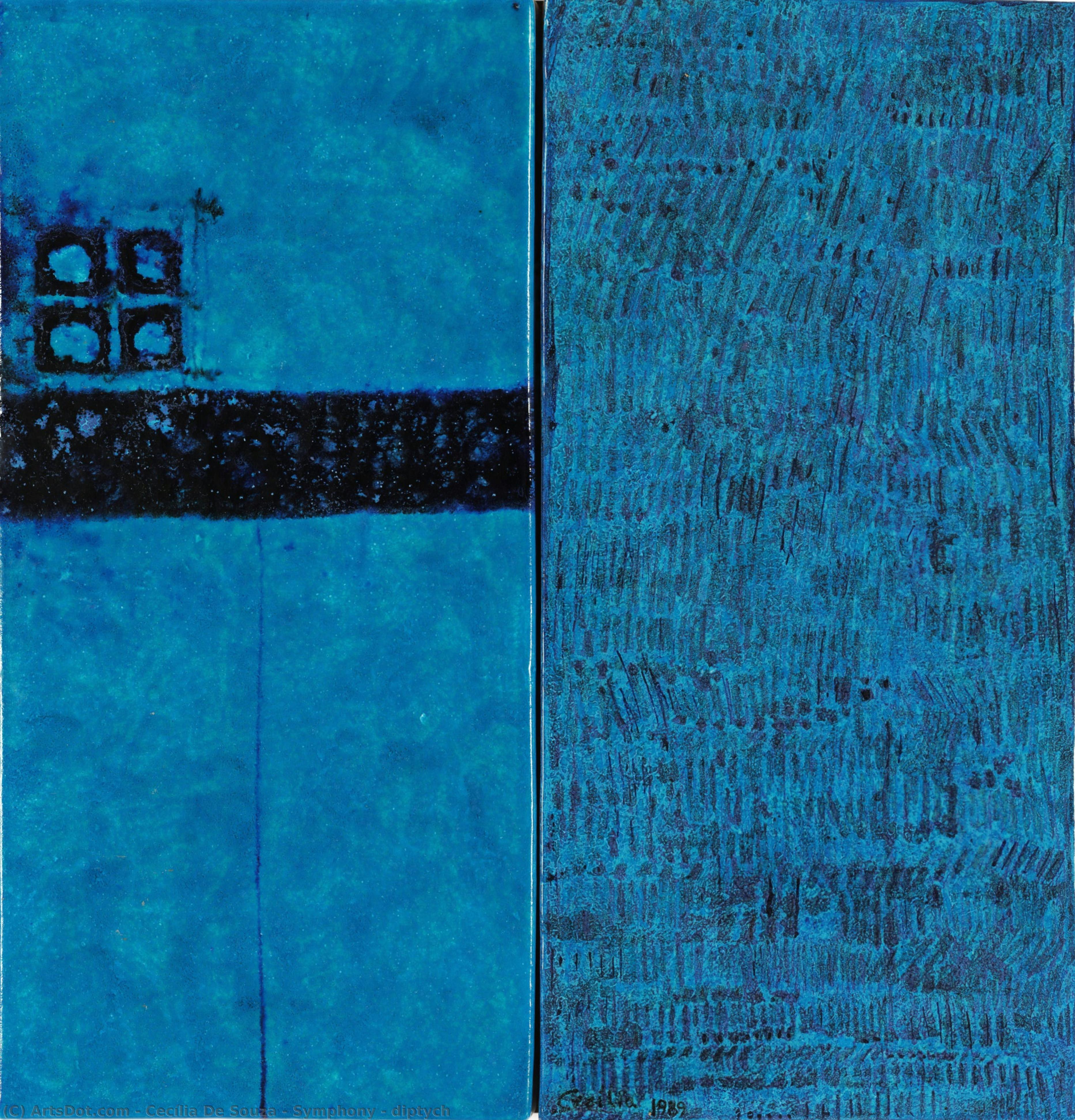
Symphony - diptych
 Ceramics
- Contemporary Art
 1989
1989- Contemporary
 64.0 x 62.0 cm
 Museu Nacional do Azulejo
 Ver mais
Reprodução em Óleo Feita à Mão
Óleo sobre tela pintado à mão no seu tamanho e moldura, feito sob encomenda pelos nossos artistas. ( Encomendar impressão Comprar imagem em alta resolução)




































Escolha entre os nossos tamanhos pré-definidos que respeitam as proporções originais da obra de arte.

Pode inserir as suas próprias dimensões para se adequar a uma moldura ou espaço específico. Se o tamanho selecionado não corresponder às proporções da imagem original, iremos cortar a obra de arte ou estender a pintura com elementos adicionais pintados à mão. Um esboço digital será enviado para sua aprovação antes do início da produção.
Tenha em atenção que a pré-visualização no ecrã não reflete o corte ou extensão real. Apenas o esboço mostrará com precisão a composição final.
Embora tamanhos personalizados estejam disponíveis, recomendamos selecionar uma dimensão da lista predefinida para preservar as proporções originais.
Após o pedido, a equipa OriginalUniqueArt.com enviará um e-mail ao cliente para solicitar instruções e fornecer uma prévia do esboço.
Entrega mundial () em 3 a 4 semanas, em vez das 5 semanas padrão. (18 Agosto). Sem comprometer a qualidade.

Envio Expresso Gratuito para todo o Mundo

Tela de Linho Premium

Seguro de transporte total

Garantia de Reembolso de Impostos Alfandegários

Garantia de Fidelidade de Cor

Política de Devolução de 60 Dias (Apenas para Defeitos)

Garantia de reembolso de 100%

Desconto para múltiplas unidades
 A opção de vidro está disponível apenas para tamanhos inferiores a 110 cm

Symphony - diptych
Técnica de Reprodução
Dimensões da Reprodução
-


Preço Total
$ 300
Descrição da Obra
A Dance of Form and Fragment: The Soul of Symphony
In the quiet dialogue between structure and dissolution, Symphony - diptych emerges as a profound meditation on balance. Created in 1989 by the esteemed Portuguese master Cecília de Sousa, this work transcends its medium to offer a visual rhythm that resonates with the very essence of musical composition. The piece is not merely a painting but a dualistic exploration of space, where the left panel presents a disciplined arrangement of four squares anchored above a bar, suggesting an architectural or industrial order. As the eye travels across the divide to the right half, this rigid geometry begins to dematerialize, surrendering its solid form to a series of quick, parallel lines that evoke a sense of motion and ephemeral grace.
The emotional impact of the work lies in this delicate tension between the known and the unknown. There is a palpable sense of movement, as if the viewer is witnessing a moment of transformation where matter turns into spirit. For the collector or interior designer, this diptych offers a sophisticated focal point that brings a contemplative depth to any space. It invites the observer to linger on the interplay of blue tones and the rhythmic patterns of circles, creating an atmosphere of serene complexity that can anchor a modern gallery wall or provide a soulful counterpoint to minimalist decor.
The Alchemy of Clay and Pigment
To understand the visual language of Symphony, one must look toward the artist's deep-rooted connection to the earth. Cecília de Sousa’s mastery was forged in the heat of the kiln and the tactile reality of ceramic technology. Having worked intimately with industrial equipment at the legendary Fábrica Viúca Lamego, she brought a unique, structural sensibility to her two-dimensional works. This piece serves as a brilliant translation of ceramic principles onto canvas, utilizing the judicious application of oxides and pigments to achieve a depth that feels almost sculptural.
The technique employed here is a masterclass in controlled abstraction. The deep, evocative blues create an oceanic sense of depth, while the black borders provide a sharp, definitive frame that contains the swirling energy within. The use of circular motifs adds a layer of intricate texture, breaking the linear momentum with soft, rhythmic interruptions. This interplay of heavy, grounded elements and light, sweeping strokes mirrors the artist's lifelong pursuit: finding the poetic potential within the industrial and the permanent within the transient.
A Legacy of Modernist Harmony
Born in Lisbon in 1937, de Sousa was a central figure in the post-war modernist movement in Portugal. Her education under masters like Manuel Cargaleiro instilled in her a respect for the transformative power of materials. In Symphony - diptych, we see the culmination of decades of experimentation with form and surface. The work stands as a testament to a period when Portuguese art was finding its unique voice—one that blended traditional craftsmanship with the avant-garde spirit of abstraction.
For those seeking to acquire a high-quality reproduction of this masterpiece, it represents an opportunity to possess a fragment of ceramic history reimagined through fine art. Whether placed in a contemporary residence or a professional studio, the diptych acts as a bridge between the tactile world of clay and the ethereal world of pure thought, making it an enduring choice for those who value art that speaks to both the intellect and the heart.
Biografia do Artista
A Legacy Forged in Clay: The Ceramic World of Cecília de Sousa
Cecília de Sousa, born in Lisbon, Portugal, in 1937, stands as a pivotal figure in the landscape of 20th-century Portuguese ceramics. More than simply a practitioner of an ancient craft, she is an artist who has profoundly shaped its trajectory, pushing boundaries and imbuing clay with a unique expressive power. Her journey began at the António Arroio School in Lisbon, where she first encountered the transformative potential of ceramic materials under the guidance of Manuel Cargaleiro, a significant influence in her early development. This foundational training was further enriched by studies alongside Lino António, setting the stage for a career dedicated to exploring the depths of this medium.Early Influences and Artistic Development
The post-war period in Portugal witnessed a burgeoning interest in modernism, and de Sousa found herself at the heart of this creative ferment. Her initial work was deeply connected to the architectural landscape of Lisbon, collaborating with various architects on projects that integrated ceramic elements into building designs. This early exposure instilled in her an understanding of ceramics not merely as decorative objects but as integral components of larger spatial concepts. However, de Sousa’s artistic vision quickly transcended functional applications. She began a sustained exploration of the material itself—its textures, its colors, and its inherent plasticity. Her time at the Viúva Lamego Ceramics Factory proved particularly formative, providing her with intimate knowledge of ceramics technology and inspiring a series of works that directly engage with the industrial processes she observed. This period marked a shift towards a more personal artistic language, one characterized by subtle nuances and evocative forms.The Language of Form and Texture
De Sousa’s work is distinguished by its remarkable sensitivity to material. She doesn't impose her will upon the clay but rather collaborates with it, allowing its natural properties to inform the final outcome. Her pieces often feature a restrained palette, favoring earthy tones and muted colors that emphasize texture and form over vibrant display. This deliberate choice reflects a deep respect for the inherent qualities of ceramics—its ability to capture light, its tactile richness, and its enduring connection to the earth. While her earlier works demonstrate a clear engagement with abstract forms, de Sousa’s later creations often hint at figuration, suggesting human presence or evoking organic shapes found in nature. Her drawings, such as “Untitled” featuring an intimate exchange between generations, reveal a keen observational skill and a talent for capturing emotional depth through minimalist lines. Another drawing, also titled "Untitled", showcases masked figures in a claustrophobic setting, hinting at the psychological complexities that underlie her work.Recognition and Lasting Impact
Throughout her career, Cecília de Sousa has been a consistent presence in national and international exhibitions and biennials. These platforms have not only showcased her artistic achievements but also facilitated valuable exchanges with other artists and practitioners, broadening her perspective and enriching her creative process. Her contributions extend beyond the realm of individual artworks; she is recognized for her dedication to advancing ceramics technology and fostering a deeper understanding of this art form. Today, de Sousa’s work is represented in numerous collections and institutions both within Portugal and abroad, solidifying her position as one of the most important ceramic artists of the 20th century. Her legacy lies not only in the beauty and originality of her creations but also in her unwavering commitment to exploring the boundless possibilities of clay—a testament to the enduring power of artistic vision and technical mastery. Her work continues to inspire a new generation of ceramists, ensuring that her influence will be felt for years to come.A Continuing Dialogue with Clay
Cecília de Sousa’s art is not simply about creating objects; it's about establishing a dialogue—a conversation between the artist, the material, and the viewer. Her pieces invite contemplation, prompting us to consider the inherent beauty of imperfection, the enduring power of tradition, and the transformative potential of human creativity. As she continues her artistic journey, de Sousa remains a vital force in the world of ceramics, pushing boundaries and challenging conventional notions of form and expression.
cecília de souza
1937 - , Portugal
Informações Rápidas
- Artistic Movement Or Style: Ceramic Art
- Date Of Birth: 1937
- Full Name: Cecília de Souza
- Nationality: Portuguese
- Notable Artworks: ['Untitled']
- Place Of Birth: Lisbon, Portugal
Artigos Relacionados

As 10 Obras Mais Famosas em Tons de Azul Ardósia | OriginalUniqueArt.com
Descubra as 10 pinturas mais emblemáticas em tons de azul ardósia! Explore a história, artistas como Monet e Van Gogh, e o significado da cor na arte. Encontre reproduções de alta qualidade para decorar sua casa com OriginalUniqueArt.com.
The Allure of Azure: Exploring the Symbolic & Aesthetic Depths of Blue in Art History
Explore the rich history of blue in art! Discover its symbolism, from ancient pigments to modern masterpieces by Kandinsky & Seurat. Uncover the psychological impact and cultural meanings behind this captivating hue.

Abstração Geométrica: 10 Obras-Primas que Moldaram a Arte Moderna | OriginalUniqueArt.com
Descubra as 10 obras-primas da Abstração Geométrica que revolucionaram a arte moderna! Explore Kandinsky, Mondrian e outros artistas icônicos. Encontre reproduções de alta qualidade para decorar sua casa com OriginalUniqueArt.com.
The Art of Ceramics: A Guide to Mastery, Texture, and Timeless Form for the Discerning Collector
Explore the profound elegance of ceramic art. From master glazes to sculptural forms, our expert guide offers discerning collectors deep insights into the mastery, texture, and timeless value of fine ceramics for sophisticated collections and luxury interiors.
Fernand Léger: As 25 Obras-Primas que Definem um Ícone da Arte Moderna | OriginalUniqueArt
Descubra as 25 obras-primas de Fernand Léger, pioneiro do tubismo e da arte moderna. Explore a história, cores vibrantes e técnicas inovadoras por trás de seus quadros icônicos. Encontre reproduções de alta qualidade para decorar sua casa com estilo em OriginalUniqueArt.com.

