 Visualizar em escala
 Enviar
 Compartilhar
 Ver detalhes

 Baixar
 Semelhantes
 Raio X
 Apresentação de slides
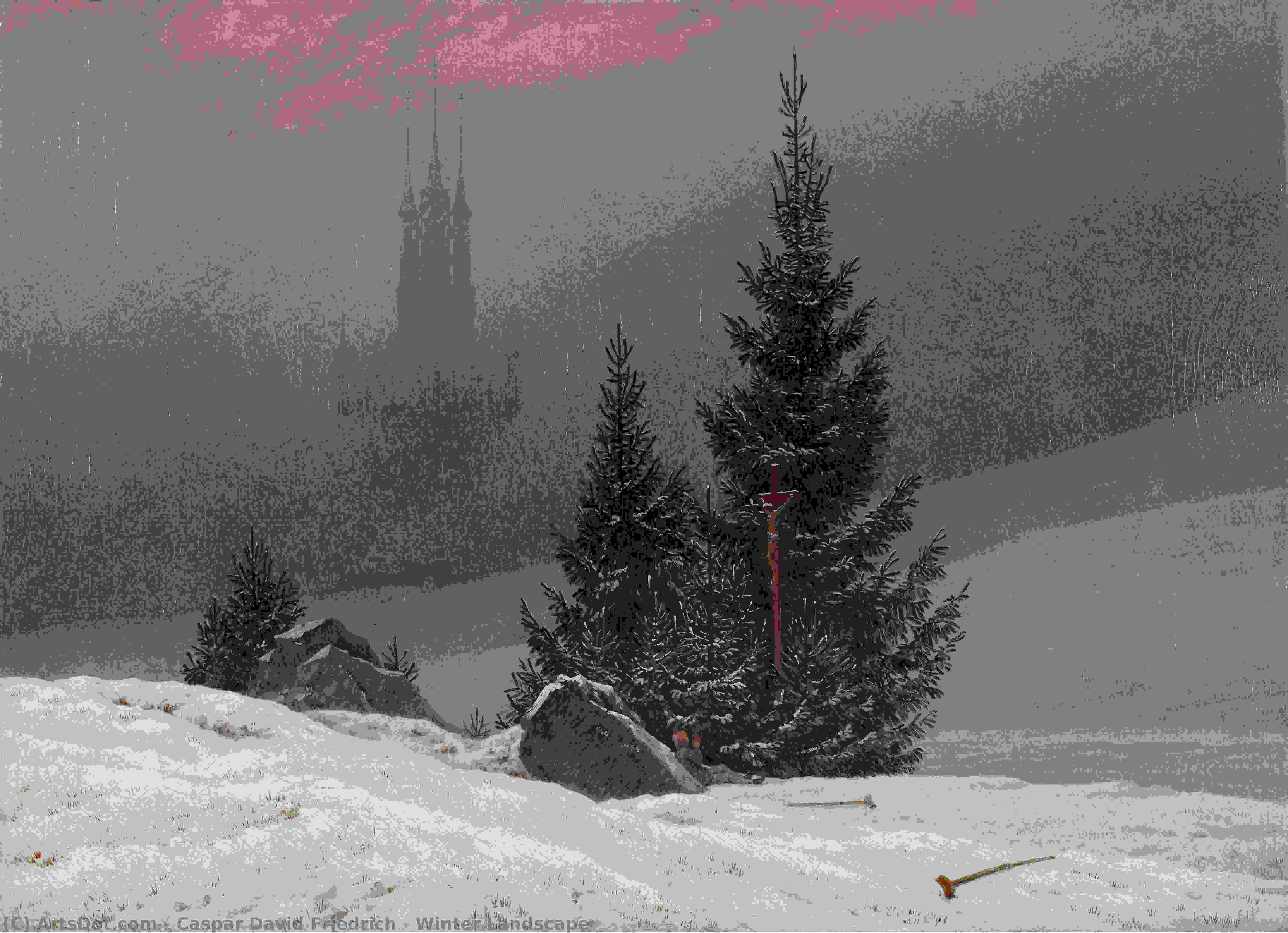
Paisagem Invernal
 Acrílico sobre tela
- Arte de Parede
- Romanticismo
 1811
1811- Século XIX
 32.0 x 45.0 cm
 National Gallery
 Ver mais
Giclée / Impressão de Arte
Impressão giclée ou em tela de qualidade de museu, com produção rápida e opções flexíveis de acabamento. ( Encomendar reprodução pintada à mão Comprar imagem em alta resolução)




P118B $10

P118H $10

P118W $10

P438Z $10

P508JH $12

P508YH $12

P805H $10

P805Z $10

P919BZ $10

P919G $10

P919XJ $10

P959ZH $10

P968JZ $12

W106C $8

W218G $10

W218JH $8

W218Y $10

W307PJ $10

W316G $10

W316PJ $8

W316Y $10

W398PJ $8

W4111J $10

W500HY $15

W500JH $15

W692G $12

W849H $8

W940BG $15

W953PJ $8




Escolha entre os nossos tamanhos pré-definidos que respeitam as proporções originais da obra de arte.

Você pode inserir suas próprias dimensões para se ajustar a uma moldura ou espaço específico. Se o tamanho selecionado não corresponder às proporções da imagem original, iremos recortar a obra de arte ou estender a imagem com uma borda espelhada ou preenchimento sólido. Um mockup digital será enviado para sua aprovação antes do início da produção.
Por favor, observe que a visualização na tela não reflete o recorte ou a extensão real. Apenas o mockup mostrará com precisão a composição final.
Embora tamanhos personalizados estejam disponíveis, recomendamos selecionar uma dimensão da lista predefinida para preservar as proporções originais.
Entrega mundial () em 2 semanas, em vez das 4/5 semanas padrão. (21 Agosto)

Envio Expresso Gratuito para todo o Mundo

Tela de Linho Premium

Seguro de transporte total

Garantia de Reembolso de Impostos Alfandegários

Garantia de Fidelidade de Cor

Política de Devolução de 60 Dias (Apenas para Defeitos)

Garantia de reembolso de 100%

Desconto para múltiplas unidades
 A opção de vidro está disponível apenas para tamanhos inferiores a 110 cm

Paisagem Invernal
Giclée / Impressão de Arte
Dimensões da Reprodução
-


Preço Total
$ 80
Descrição do Item
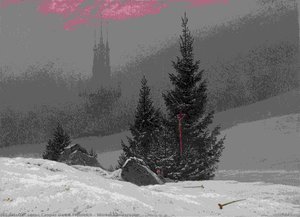
Um Sereno Mundo de Inverno
Imersa na beleza tranquila desta cativante paisagem de inverno, a obra apresenta tons suaves e contrastes marcantes que criam uma cena assustadoramente serena. A composição destaca três árvores coníferas adornadas com fitas cor-de-rosa, erguendo-se majestosamente contra um pano de fundo nevado. Ao longe, silhuetas de edifícios ou estruturas adicionam um toque de presença humana a este quadro, que de outra forma seria puramente natural.Composição Mestra e Paleta de Cores
A paleta predominantemente monocromática da obra, com tons de cinza, branco e preto, é pontuada por matizes rosa vibrantes no céu e nas fitas. Este contraste entre os cinzas e brancos frios e o rosa quente cria um efeito visualmente envolvente que atrai o olhar para o interior da cena. As linhas verticais das árvores guiam o espectador para cima, enquanto elementos horizontais e diagonais conferem um equilíbrio dinâmico à composição.Técnica e Estilo
Esta peça exemplifica uma fusão entre o realismo e o impressionismo, capturando a essência da paisagem invernal com foco na textura e na profundidade. Técnicas como sobreposição, mistura e texturização são empregadas para criar uma sensação de atmosfera e distância. A qualidade digital ou pictórica das texturas adiciona um toque moderno a este tema atemporal.Contexto Histórico
Criada em 1811, esta obra é um testemunho da ênfase do movimento Romântico no poder sublime da natureza e na experiência humana dentro dela. Caspar David Friedrich, uma figura proeminente do Romantismo alemão, frequentemente retratava paisagens que evocavam profunda contemplação e reflexão espiritual. Esta peça continua essa tradição, oferecendo um vislumbre da habilidade do artista em transmitir emoção através de cenas naturais.Simbolismo e Impacto Emocional
As fitas cor-de-rosa nas árvores servem como um ponto focal de cor e simbolismo, sugerindo temas de esperança, memória ou celebração em meio ao cenário austero do inverno. O clima geral é contemplativo e sereno, com um toque de melancolia que convida os espectadores a refletir sobre a beleza e a transitoriedade da natureza.Por Que Esta Obra se Destaca
Esta paisagem de inverno é mais do que uma simples representação de uma cena nevada; é uma meditação sobre a relação entre a humanidade e a natureza. Os sutis indícios de presença humana nas estruturas ao fundo criam uma cena harmoniosa, porém instigante, que ressoa com o público em múltiplos níveis.Perfeita para Qualquer Ambiente
Seja você um amante da arte, um colecionador ou um designer de interiores, esta reprodução de alta qualidade de "Paisagem Invernal" é uma adição deslumbrante a qualquer espaço. Seu clima sereno e contemplativo torna-a ideal para criar uma atmosfera calmante em salas de estar, escritórios ou galerias. A beleza atemporal desta obra garante que ela será uma peça estimada por muitos anos.Leve Esta Obra-Prima para Casa
Experimente a magia do inverno com esta reprodução requintada. Eleve o seu espaço com uma peça que combina maestria artística e profundidade emocional, oferecendo um lembrete diário da beleza duradoura da natureza.Biografia do Artista
A Solitary Vision: The Life and Art of Caspar David Friedrich
Born in the Baltic port city of Greifswald in 1774, Caspar David Friedrich’s life was steeped in a melancholic atmosphere that would profoundly shape his artistic vision. His early years were marked by loss – the deaths of his mother and siblings cast a long shadow, fostering a sensitivity to mortality and transience that became central themes in his work. Initially educated by his older brother Christian in drawing, Friedrich’s formal training began at the University of Leipzig, where he pursued both art and theology, though neither degree was completed. This dual interest – a fascination with the visual world alongside a deep spiritual questioning – would prove crucial to his development as an artist. Further studies in Copenhagen honed his technical skills, exposing him to landscape painting traditions that would serve as a foundation for his unique style, yet it was not imitation he sought but rather expression—a means of conveying inner emotional states through the language of nature.The Birth of Romantic Landscape
Friedrich’s artistic journey wasn't merely about depicting scenery; it was about imbuing landscapes with profound symbolic meaning. He moved away from the meticulous detail favored by earlier artists, embracing a more personal and expressive approach. His paintings are characterized by an emphasis on the sublime – evoking feelings of awe, terror, and spiritual connection in the face of nature’s grandeur. The use of *Rückenfiguren*, figures seen from behind, became a signature element, inviting viewers to step into the scene and share in the contemplative experience. Natural elements like ancient trees, towering mountains, swirling fog, and crumbling ruins weren't simply picturesque details; they were potent symbols representing life’s cycles, spiritual longing, and the weight of history. His palette, often muted with blues, grays, and browns, further enhanced the mood of introspection and solemnity that pervades his work. He pioneered a way to depict landscapes not as mere views but as reflections of the human soul—a revolutionary concept for its time.Iconic Works and Enduring Themes
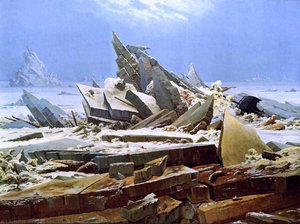
Several paintings stand out as defining examples of Friedrich’s artistic achievement. “The Abbey in the Oakwood” (1809-1810), a haunting image of a ruined churchyard enveloped by bare trees, speaks powerfully to themes of mortality and spiritual decay. It portrays a desolate landscape dominated by decaying structures—a deliberate contrast to idealized depictions of pastoral beauty—and invites contemplation on the passage of time and the inevitability of ruin. Perhaps his most famous work, “Wanderer Above the Sea of Fog” (c. 1818), encapsulates the Romantic ideal of the individual confronting the vastness and mystery of existence. The figure, silhouetted against a swirling sea of mist, embodies both human aspiration and insignificance—a poignant reminder of our vulnerability in the face of overwhelming natural forces. “Chalk Cliffs on Rügen” (1818) demonstrates his mastery of atmospheric effects and subtly conveys a sense of national identity—a growing concern in the fragmented political landscape of early 19th-century Germany. The dramatic interplay of light and shadow captures the rugged beauty of the Baltic coast, symbolizing resilience and fortitude amidst challenging circumstances. Even more evocative is “The Sea of Ice” (1824), a chilling depiction of an Arctic wasteland, representing nature’s immense power and indifference to human fate. Friedrich's meticulous attention to detail—the icy textures, the desolate expanse—creates a visceral experience for the viewer, prompting reflection on humanity’s insignificance in comparison to the forces of geological time. Recurring throughout his oeuvre are themes of nature as a manifestation of the divine, the fragility of humanity in the face of cosmic forces, melancholy, solitude, spiritual yearning, and a burgeoning sense of German nationalism.Influences and Artistic Style
Friedrich’s artistic style was profoundly shaped by several influences—primarily Dutch Golden Age landscape painting, particularly the works of Jacob van Ruisdael, which instilled in him a commitment to capturing atmospheric effects and conveying emotional depth. He also drew inspiration from the philosophical writings of Immanuel Kant, whose concept of transcendental idealism challenged conventional notions of perception and encouraged Friedrich to explore subjective experience as a pathway to spiritual understanding. Furthermore, his own personal experiences with loss—the premature deaths of his family members—fueled his artistic preoccupation with mortality and imbued his paintings with an unmistakable sense of melancholy. He rejected the academic conventions of his time, prioritizing expressive brushwork and tonal modulation over precise representation. His technique involved layering thin washes of color to create luminous surfaces that subtly suggest depth and texture—a method he honed during his studies in Copenhagen.Legacy and Rediscovery
Friedrich’s art resonated deeply with audiences throughout his lifetime, though its popularity waned after his death in Dresden in 1840. However, he experienced a significant rediscovery in the late 20th century, becoming widely recognized as one of the most important figures in German Romanticism—a movement that championed emotion, imagination, and individualism as alternatives to Enlightenment rationalism. His pioneering approach to landscape painting influenced generations of artists who sought to express inner feelings through visual means—particularly Symbolists and Surrealists—and continues to inspire contemplation on the relationship between humanity and nature. He remains a pivotal figure whose work transcends time, reminding us of the enduring power of art to evoke wonder, sorrow, and profound spiritual insight.
Caspar David Friedrich
1774 - 1840 , Alemanha
Informações Rápidas
- Artistic Movement Or Style: Romantismo
- Artists Or Movements Influenced By This Artist:
- Simbolistas
- Surrealistas
- Artists Who Influenced This Artist:
- Pintores Holandeses
- J.C. Dahl
- Date Of Birth: 5 setembro 1774
- Full Name: Caspar David Friedrich
- Nationality: Alemão
- Notable Artworks:
- Abbey na Oliveira
- Peregrino sobre o Mar de Névoa
- Falésias Calcárias em Rüügen
- O Mar de Gelo
- Place Of Birth: Greifswald, Alemanha
Artigos Relacionados

Os 10 Mestres da Paisagem Romântica: Arte para Inspirar a Sua Casa
Descubra os 10 quadros mais emblemáticos da Paisagem Romântica! Explore a história de Turner, Friedrich e outros mestres. Encontre reproduções de arte exclusivas para inspirar sua decoração em OriginalUniqueArt.com.

Caspar David Friedrich: Romanticism's Master of Landscape & the Sublimity of Inner Experience
Explore the profound landscapes of Caspar David Friedrich, a master of German Romanticism. Discover the symbolism, themes & enduring influence of this iconic artist. A deep dive into his life and work.
Beyond the Canvas: Monetize Your Digital Vision Through OriginalUniqueArt’s Global Digital Licensing Revolution
Unlock your creative potential with OriginalUniqueArt Digital Licensing. Transform your digital masterpieces into a sustainable passive income stream by leveraging our global platform of collectors and professionals. Turn your vision into a timeless legacy today.

Mastering Digital Collage: An Expert Guide to Layering Art, Texture, and Imagination
Elevate your digital artistry with our expert guide to mastering collage. Learn professional techniques for layering textures, blending imagery, and creating profound visual narratives through advanced digital composition and modern creative workflows.

Own the Unrepeatable: Discover Exclusive Original Artist NFTs and Digital Masterpieces at OriginalUniqueArt
Elevate your digital portfolio with exclusive, unrepeatable original artist NFTs at OriginalUniqueArt. Discover a curated selection of premium digital masterpieces and generative abstractions designed for the discerning collector seeking true scarcity and artistic prestige.