 Visualizar na parede
 Compartilhar
 Compartilhar
 Detalhes
 Guia
Guia

 Baixar imagem
 Semelhantes
 Raio X
 Ver diaporama
 Perguntas e Respostas
 Estatísticas
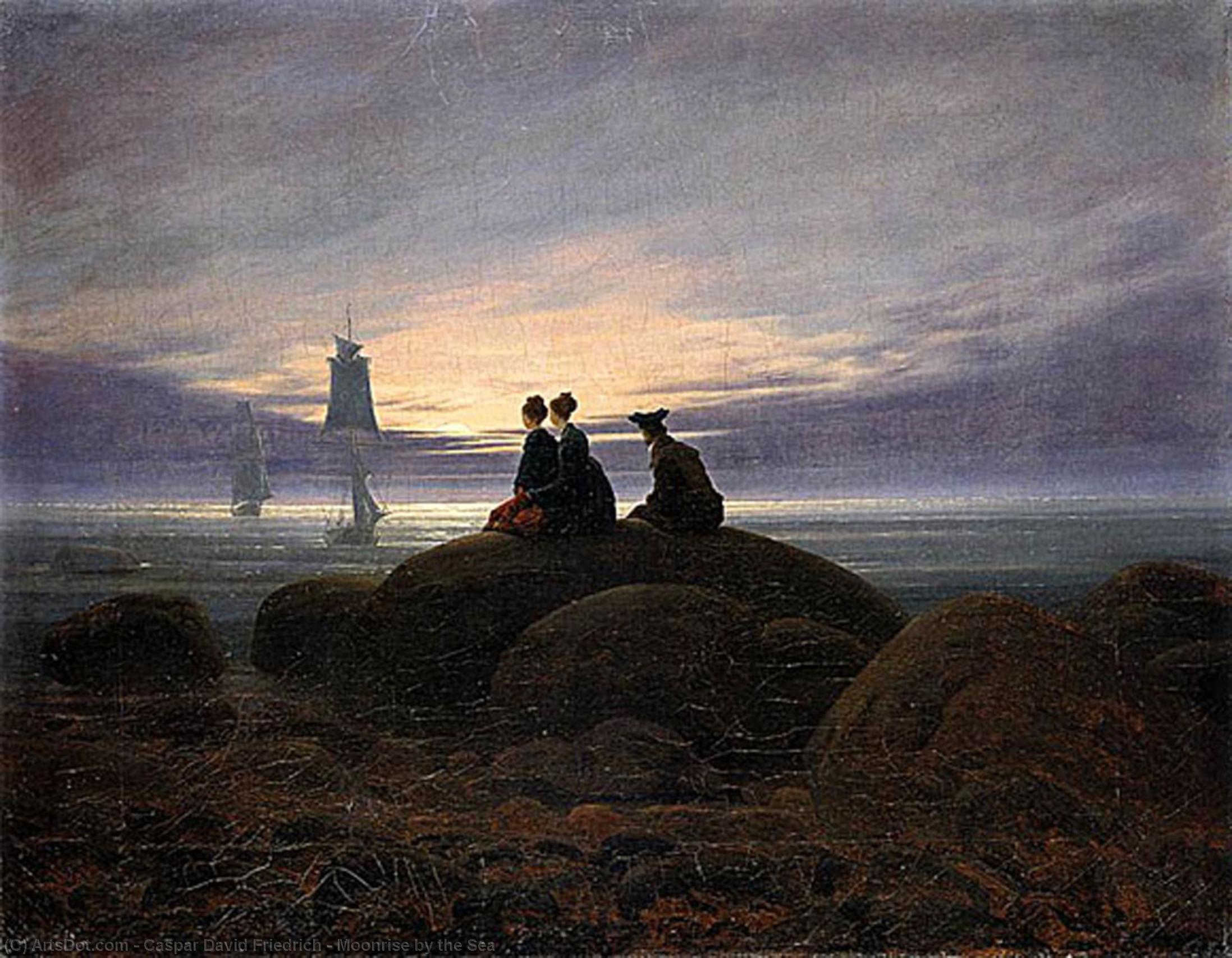
Lua nas Águas do Mar

- 55.0 x 71.0 cm


 Ler mais
Obtenha um arquivo pronto para impressão que vai muito além da visualização na web. Cada imagem digital que vendemos provém de um arquivo mestre de alta resolução em nosso banco de dados — geralmente entre 5.000 e 15.000 pixels de largura — para que você possa imprimir em grandes formatos, realizar cortes precisos ou reproduzir detalhes minuciosos com total confiança.
Nenhum arquivo sai do nosso estúdio sem passar por um cuidadoso processo de revisão. Um especialista digital verifica as cores em relação à pintura original e as corrige se necessário, aumentando então a clareza e o detalhe com ferramentas profissionais de retoque — sempre mantendo a fidelidade às pinceladas e ao estilo do artista. O resultado é uma imagem que se assemelha à pintura, e não a um scan com filtros.
Aprovação antes da finalização: nosso especialista enviará a imagem por e-mail em até 72 horas para sua revisão. Não ficou satisfeito? Solicite melhorias ou correções, ou peça o reembolso caso a qualidade não atenda às suas expectativas.
Esta é a qualidade em que confiam editoras, estúdios de design, galerias e gráficas.
Imagem Digital
Baixe um arquivo de alta resolução para exibição pessoal, impressão e projetos criativos. ( Alternar para Impressão Comprar pintura feita à mão)
Incluído em cada compra de imagem digital
Entrega Digital Especializada e Garantida
Ao escolher o OriginalUniqueArt.com, você não está apenas adquirindo uma imagem — você está recebendo uma obra de arte digital profissionalmente aprimorada, elaborada com precisão e com garantia de satisfação. Aqui está tudo o que acompanha seu pedido, automaticamente:

Entrega rápida por e-mail
O seu arquivo de imagem digital em alta resolução será enviado por e-mail em até 72 horas após o pedido — pronto para uso imediato.

Arquivo Digital com IA Otimizado
Sua obra de arte é otimizada profissionalmente por meio de ferramentas avançadas de IA e edição manual, garantindo o máximo de detalhes, clareza e precisão de cores.

Reenvio gratuito vitalício
Apagou ou perdeu o seu ficheiro acidentalmente? Não se preocupe – nós reenviamos para si a qualquer momento, gratuitamente.

Sem Taxas de Importação - Sempre
Desfrute da sua obra de arte instantaneamente, sem taxas alfandegárias, impostos ou custos de entrega — downloads digitais são sempre isentos de taxas.

Garantia de Fidelidade de Cores
Garantimos que sua imagem digital reflita as cores originais com a maior fidelidade possível, utilizando ferramentas profissionais e gerenciamento de cores.

Garantia de satisfação de 100 dias
Se não estiver satisfeito com a sua imagem digital, nós a revisaremos ou reembolsaremos 100% dentro de 100 dias — sem perguntas.

Garantia de Reembolso 100%
Não está satisfeito? Receba o reembolso total em até 100 dias após o recebimento do seu arquivo digital — sem perguntas.

Descontos para pedidos em lote
Compre 3 imagens, economize 10% - Compre 5, economize 15% - Compre 10+, economize 20%. Ideal para projetos criativos, galerias e agências.
Uma Sinfonia de Crepúsculo e Transcendência
Na transição silenciosa entre o dia e a noite, “Lua nas Águas do Mar” (1822), de Caspar David Friedrich, ergue-se como um emblema quintessencial da pintura de paisagem romântica. Esta obra-prima captura um momento suspenso no tempo, onde as fronteiras entre o mundo físico e o infinito espiritual começam a se confundir. A cena é dominada por um céu expansivo, em chamas com os tons suaves e dramáticos do laranja e violeta crepuscular, contrastando profundamente contra as silhuetas escuras e irregulares de três figuras empoleiradas sobre rochas desgastadas. Enquanto esses indivíduos fitam intensamente o horizonte, uma lua crescente ascende, lançando um brilho suave e etéreo sobre as águas turbulentas do Mar Báltico abaixo. Duas embarcações a vela deslizam silenciosamente pela superfície do mar, com suas formas distantes adicionando à profunda sensação de profundidade e beleza tranquila da pintura.
A ressonância emocional da obra reside em sua capacidade de evocar um sentimento de melancolia contemplativa e reverência. Friedrich utiliza a perspectiva atmosférica para intensificar a ilusão de um espaço sem limites, diminuindo a vivacidade dos objetos distantes para atrair o espectador para a vastidão do cenário marítimo. A composição é magistralmente estruturada em torno de um forte eixo horizontal, enfatizando a escala imensa do mar e do céu, enquanto as bordas verticais e irregulares das rochas em primeiro plano proporcionam um contraste tátil e aterrador. Esta justaposição entre a solidez da terra e a fluidez da água serve para evocar sentimentos de permanência e, simultaneamente, de vulnerabilidade humana.
Simbolismo e o Espírito Romântico
Além de seu esplendor visual, “Lua nas Águas do Mar” é uma profunda meditação sobre a condição humana e nossa relação com o cosmos. A própria lua atua como um símbolo potente de transição, iluminação e contemplação espiritual — um motivo recorrente na obra de Friedrich enquanto ele explorava questões de fé e mortalidade. As figuras, vistas de costas na tradição das Rückenfiguren, convidam o espectador a colocar-se em seu lugar e compartilhar de sua observação introspectiva. Sua pequenez diante da grandiosidade do mundo natural reflete a preocupação romântica com o sublime — aquela percepção inspiradora do imenso poder da natureza e de sua capacidade de inspirar uma profunda reflexão espiritual.
Tecnicamente, a obra é um triunfo do óleo sobre tela, caracterizada por pinceladas visíveis que contribuem para uma riqueza textural e profundidade. Friedrich renderiza meticulosamente os contornos irregulares das rochas com pinceladas texturizadas, espelhando o peso físico da paisagem contra a luz suave e difusa do céu crepuscular. Para colecionadores e designers de interiores, esta peça oferece mais do que mera decoração; ela proporciona uma janela atmosférica para a alma. Seja colocada em um escritório tranquilo ou em um grande espaço de convivência, uma reprodução de alta qualidade desta obra traz uma sensação de beleza serena e profundidade intelectual, servindo como um poderoso lembrete de nossa conexão com algo muito maior do que nós mesmos.
Perguntas e Respostas
De que técnica é feita a obra "Lua nas Águas do Mar"?
"Lua nas Águas do Mar" é executada em Óleo sobre tela.
Posso ver "Lua nas Águas do Mar" como um slideshow em tela cheia?
O diaporama de "Lua nas Águas do Mar" pode ser visualizado na página Apresentação de imagens da obra.
Posso ver "Lua nas Águas do Mar", de Caspar David Friedrich na minha própria parede antes de comprar?
"Lua nas Águas do Mar" possui uma prévia em realidade aumentada: a página de Prévia em RA da obra permite visualizá-la no seu próprio espaço através de um dispositivo compatível.
Biografia do Artista
A Solitary Vision: The Life and Art of Caspar David Friedrich
Born in the Baltic port city of Greifswald in 1774, Caspar David Friedrich’s life was steeped in a melancholic atmosphere that would profoundly shape his artistic vision. His early years were marked by loss – the deaths of his mother and siblings cast a long shadow, fostering a sensitivity to mortality and transience that became central themes in his work. Initially educated by his older brother Christian in drawing, Friedrich’s formal training began at the University of Leipzig, where he pursued both art and theology, though neither degree was completed. This dual interest – a fascination with the visual world alongside a deep spiritual questioning – would prove crucial to his development as an artist. Further studies in Copenhagen honed his technical skills, exposing him to landscape painting traditions that would serve as a foundation for his unique style, yet it was not imitation he sought but rather expression—a means of conveying inner emotional states through the language of nature.The Birth of Romantic Landscape
Friedrich’s artistic journey wasn't merely about depicting scenery; it was about imbuing landscapes with profound symbolic meaning. He moved away from the meticulous detail favored by earlier artists, embracing a more personal and expressive approach. His paintings are characterized by an emphasis on the sublime – evoking feelings of awe, terror, and spiritual connection in the face of nature’s grandeur. The use of *Rückenfiguren*, figures seen from behind, became a signature element, inviting viewers to step into the scene and share in the contemplative experience. Natural elements like ancient trees, towering mountains, swirling fog, and crumbling ruins weren't simply picturesque details; they were potent symbols representing life’s cycles, spiritual longing, and the weight of history. His palette, often muted with blues, grays, and browns, further enhanced the mood of introspection and solemnity that pervades his work. He pioneered a way to depict landscapes not as mere views but as reflections of the human soul—a revolutionary concept for its time.Iconic Works and Enduring Themes
Several paintings stand out as defining examples of Friedrich’s artistic achievement. “The Abbey in the Oakwood” (1809-1810), a haunting image of a ruined churchyard enveloped by bare trees, speaks powerfully to themes of mortality and spiritual decay. It portrays a desolate landscape dominated by decaying structures—a deliberate contrast to idealized depictions of pastoral beauty—and invites contemplation on the passage of time and the inevitability of ruin. Perhaps his most famous work, “Wanderer Above the Sea of Fog” (c. 1818), encapsulates the Romantic ideal of the individual confronting the vastness and mystery of existence. The figure, silhouetted against a swirling sea of mist, embodies both human aspiration and insignificance—a poignant reminder of our vulnerability in the face of overwhelming natural forces. “Chalk Cliffs on Rügen” (1818) demonstrates his mastery of atmospheric effects and subtly conveys a sense of national identity—a growing concern in the fragmented political landscape of early 19th-century Germany. The dramatic interplay of light and shadow captures the rugged beauty of the Baltic coast, symbolizing resilience and fortitude amidst challenging circumstances. Even more evocative is “The Sea of Ice” (1824), a chilling depiction of an Arctic wasteland, representing nature’s immense power and indifference to human fate. Friedrich's meticulous attention to detail—the icy textures, the desolate expanse—creates a visceral experience for the viewer, prompting reflection on humanity’s insignificance in comparison to the forces of geological time. Recurring throughout his oeuvre are themes of nature as a manifestation of the divine, the fragility of humanity in the face of cosmic forces, melancholy, solitude, spiritual yearning, and a burgeoning sense of German nationalism.Influences and Artistic Style
Friedrich’s artistic style was profoundly shaped by several influences—primarily Dutch Golden Age landscape painting, particularly the works of Jacob van Ruisdael, which instilled in him a commitment to capturing atmospheric effects and conveying emotional depth. He also drew inspiration from the philosophical writings of Immanuel Kant, whose concept of transcendental idealism challenged conventional notions of perception and encouraged Friedrich to explore subjective experience as a pathway to spiritual understanding. Furthermore, his own personal experiences with loss—the premature deaths of his family members—fueled his artistic preoccupation with mortality and imbued his paintings with an unmistakable sense of melancholy. He rejected the academic conventions of his time, prioritizing expressive brushwork and tonal modulation over precise representation. His technique involved layering thin washes of color to create luminous surfaces that subtly suggest depth and texture—a method he honed during his studies in Copenhagen.Legacy and Rediscovery
Friedrich’s art resonated deeply with audiences throughout his lifetime, though its popularity waned after his death in Dresden in 1840. However, he experienced a significant rediscovery in the late 20th century, becoming widely recognized as one of the most important figures in German Romanticism—a movement that championed emotion, imagination, and individualism as alternatives to Enlightenment rationalism. His pioneering approach to landscape painting influenced generations of artists who sought to express inner feelings through visual means—particularly Symbolists and Surrealists—and continues to inspire contemplation on the relationship between humanity and nature. He remains a pivotal figure whose work transcends time, reminding us of the enduring power of art to evoke wonder, sorrow, and profound spiritual insight.
Caspar David Friedrich
1774 - 1840 , Alemanha
Breve Biografia
- Artistic Movement Or Style: Romantismo
- Artists Or Movements Influenced By This Artist:
- Simbolistas
- Surrealistas
- Artists Who Influenced This Artist:
- Pintores Holandeses
- J.C. Dahl
- Date Of Birth: 5 setembro 1774
- Full Name: Caspar David Friedrich
- Nationality: Alemão
- Notable Artworks:
- Abbey na Oliveira
- Peregrino sobre o Mar de Névoa
- Falésias Calcárias em Rüügen
- O Mar de Gelo
- Place Of Birth: Greifswald, Alemanha