
 Visualizar na parede
 Compartilhar
 Compartilhar
 Detalhes
 Guia
Guia

 Baixar imagem
 Semelhantes
 Raio X
 Ver diaporama
 Q&A
Q&A Estatísticas
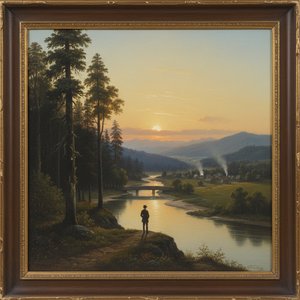
Castle Rock, Columbia River

- 39.0 x 52.0 cm


 Ler mais
Giclée / Impressão de Arte
Impressão giclée ou em tela de qualidade de museu, com produção rápida e opções flexíveis de acabamento. ( Comprar pintura feita à mão Alternar para Imagem Digital)




P118B €10

P118H €10

P118W €10

P438Z €10

P508JH €12

P508YH €12

P805H €10

P805Z €10

P919BZ €10

P919G €10

P919XJ €10

P959ZH €10

P968JZ €12

W106C €8

W218G €10

W218JH €8

W218Y €10

W307PJ €10

W316G €10

W316PJ €8

W316Y €10

W398PJ €8

W4111J €10

W500HY €15

W500JH €15

W692G €12

W849H €8

W940BG €15

W953PJ €8




Escolha entre os nossos tamanhos pré-definidos que respeitam as proporções originais da obra de arte.

Insira a largura e a altura desejadas para se ajustarem à sua moldura ou parede. Uma impressão pode ser apenas cortada, nunca ampliada além da imagem original; portanto, um tamanho com proporções diferentes resultará na perda de parte da imagem. Enviamos uma maquete digital para sua aprovação antes de realizarmos a impressão. A imagem exibida nesta página não mostra o corte real — apenas a maquete o faz.
Entrega mundial () em 2 semanas, em vez das 4/5 semanas padrão. (1 Novembro)

Envio expresso gratuito para todo o mundo

Tela de Linho de Alta Qualidade

Seguro de transporte completo

Garantia de Reembolso de Impostos Alfandegários

Garantia de Fidelidade Cromática

Política de Devolução em 100 Dias (Apenas para Defeitos)

Garantia de reembolso de 100%

Oferta de desconto por quantidade
 A opção de vidro está disponível apenas para tamanhos inferiores a 110 cm

Castle Rock, Columbia River
Giclée / Impressão de Arte
Tamanho da Reprodução
-


Preço Total
€ 71
A Vista of Majesty: Carleton Watkins’ “Castle Rock, Columbia River”
Carleton Watkins' "Castle Rock, Columbia River," painted in 1867, isn’t merely a landscape photograph; it’s a portal to the American West as it was perceived and captured during a pivotal moment of national identity. This albumen print, rendered in the muted tones characteristic of mid-19th century photographic processes, transports us to the heart of the Columbia River Valley – a region simultaneously rugged and profoundly beautiful. The scene unfolds with an almost overwhelming sense of scale; towering basalt cliffs, sculpted by millennia of glacial activity and relentless river currents, dominate the horizon, their jagged edges softened by atmospheric haze. Below, the broad expanse of the Columbia River snakes its way through a verdant valley, reflecting the sky in shimmering bands of light and shadow. It’s a vista that speaks to both the grandeur of nature and the nascent spirit of exploration that defined America at the time.
Watkins, a pioneer of American landscape photography, wasn't simply documenting scenery; he was actively shaping how Americans understood their vast territory. His work, particularly his images of Yosemite Valley, played a crucial role in galvanizing support for its preservation as a national park – a testament to the power of visual representation to influence public opinion and policy. “Castle Rock” embodies this mission, presenting a carefully composed scene that emphasizes the sublime qualities of the wilderness, aligning with the tenets of the American Romantic movement. The composition itself is deliberate: the strong horizontal format underscores the breadth of the landscape, while the prominent tree on the right acts as a grounding vertical element, drawing the eye into the immense depth of the image.
The Alchemy of Wet Plate Collodion
To truly appreciate “Castle Rock,” one must understand the technical process behind its creation. Watkins utilized the wet plate collodion method – a demanding and intricate photographic technique that required immediate execution. The photographer had to coat a glass plate with a light-sensitive emulsion, expose it within minutes, and develop it while the plate was still wet, all before the chemicals dried. This meant working outdoors in challenging conditions, often battling inclement weather and limited time. The resulting image is characterized by its fine grain, subtle tonal variations, and a remarkable level of detail – qualities that are particularly evident in the textures of the rock formations and the foliage along the riverbank.
The albumen printing process further contributes to the photograph’s distinctive aesthetic. Albumen prints utilize egg whites as a binder for silver salts, creating a richly textured surface with deep blacks and luminous whites. This technique lends a painterly quality to Watkins' work, enhancing the sense of depth and atmosphere. The sepia tones – achieved through the addition of iron salts during development – add a layer of nostalgia and timelessness, evoking the spirit of the American frontier.
Symbolism in Stone and Water
Beyond its technical brilliance, “Castle Rock” is rich in symbolic meaning. The imposing basalt cliffs represent both strength and resilience—a visual metaphor for the enduring power of nature. Their sheer scale dwarfs the human presence within the frame, reminding us of our relative insignificance in the face of geological time. The Columbia River itself symbolizes movement, change, and the relentless forces that shape the landscape. Its winding course reflects the journey of westward expansion, connecting disparate communities and cultures.
The lone tree on the right side of the composition adds a subtle element of human presence—a reminder of the settlers who were beginning to stake their claims in this wild land. However, it’s positioned at the edge of the frame, suggesting a respectful distance from the overwhelming power of nature. The photograph doesn't depict conquest or domination; instead, it celebrates the beauty and majesty of the wilderness – inviting contemplation and fostering a sense of awe.
A Legacy in Reproduction
Reproductions of “Castle Rock” capture much of the original’s evocative quality, offering a tangible connection to this pivotal moment in American art history. OriginalUniqueArt's meticulous hand-painted reproductions strive to faithfully recreate Watkins’ masterful composition and tonal range, ensuring that the photograph’s emotional impact is preserved for contemporary audiences. The choice of materials – archival paper and pigments – guarantees the longevity of these reproductions, allowing them to be enjoyed for generations to come. “Castle Rock” isn't just a beautiful image; it’s a window into the past—a testament to the power of photography to shape our understanding of America’s wild spaces.
Perguntas e Respostas
O que representa "Castle Rock, Columbia River"?
"Castle Rock, Columbia River", de Carleton Watkins retrata: american west, river valley landscape, mountain photography, 19th century art, vast wilderness, sepia tone image, early photography.
Qual é a recomendação de impressão para "Castle Rock, Columbia River" — qual tamanho e qual orientação?
Para "Castle Rock, Columbia River", o formato de impressão recomendado é o tamanho Medium com orientação Landscape.
Qual é a técnica e as dimensões de "Castle Rock, Columbia River", de Carleton Watkins?
A obra original "Castle Rock, Columbia River", de Carleton Watkins é um trabalho em Acrylic On Canvas com dimensões de 39 x 52 cm. A técnica e o tamanho referem-se ao objeto original.
Biografia do Artista
Carleton Watkins: Pioneiro da Fotografia de Paisagem
Primeiros Anos e Origens (1829-1851)
- Nascimento: 11 de novembro de 1829, em Oneonta, Nova York.
- Carleton E. Watkins era o primogênito de oito filhos do casal John e Julia Watkins, um carpinteiro e uma estalajadeira, respectivamente.
- Desfrutou de uma criação rural, desenvolvendo habilidades como caçador e pescador, além de participar de atividades locais, como o grupo de canto e o coro da igreja presbiteriana.
- Em 1851, impulsionado pela promessa de fortuna, Watkins partiu para San Francisco acompanhado de seu amigo de infância, Collis Huntington.
Início de Carreira e Primeiros Passos na Fotografia (1851-1861)
- Embora inicialmente não tenham encontrado o ouro, tanto Watkins quanto Huntington alcançaram o sucesso em seus respectivos campos.
- Watkins começou trabalhando como entregador de suprimentos para operações mineiras antes de se tornar balconista na livraria de George Murray.
- Um momento crucial: Uma vaga inesperada no estúdio do daguerreotipista Robert H. Vance levou Watkins a um aprendizado, apesar de não possuir experiência fotográfica prévia.
- Ele rapidamente dominou a forma de arte, superando seu instrutor e estabelecendo uma reputação de trabalho de alta qualidade.
- Em 1858, Watkins estabeleceu seu próprio negócio fotográfico, assumindo encomendas como a ilustração da Califórnia para James Mason Hutchings e o registro de propriedades mineiras.
Yosemite e a Era das Placas Gigantes (1861-1867)
- O ponto de virada: Em julho de 1861, Watkins viajou para o Vale de Yosemite, equipado com sua câmera de placas gigantes (utilizando placas de vidro de 18x22 polegadas) e uma câmera estereoscópica.
- Ele capturou algumas das primeiras fotografias detalhadas de Yosemite, apresentando sua grandiosidade ao público do leste americano.
- Essas imagens foram fundamentais para convencer o Congresso a preservar o Vale de Yosemite como um parque nacional – um testemunho do poder da documentação visual.
- Em 1864, foi contratado pelo Levantamento Geológico do Estado da Califórnia para fotografar Yosemite.
- Abriu sua primeira galeria pública em 1867 e exibiu seu trabalho na Exposição Universal em Paris, onde conquistou uma medalha por sua obra.
Sucesso, Reviravoltas e Vida Posterior (1867-1916)
- A “Yosemite Art Gallery” de Watkins exibia mais de cem vistas grandiosas da Costa do Pacífico e milhares de imagens estereoscópicas.
- Desafios Comerciais: Apesar do sucesso artístico, Watkins enfrentou dificuldades na gestão de negócios e perdeu sua galeria para o credor J.J. Cook, que então reproduziu seu trabalho sem dar os devidos créditos, devido à ausência de leis de direitos autorais para fotografias na época.
- Ele respondeu criando uma “Nova Série” de imagens, tentando recuperar sua visão artística.
- Watkins casou-se com Frances Sneed em 1879 e teve dois filhos: Julia (nascida em 1881) e Collis (nascido em 1883).
- A perda progressiva da visão prejudicou seu trabalho na década de 1890, culminando na incapacidade de concluir uma encomenda de Phoebe Hearst.
Anos Finais e Legado
- As dificuldades financeiras levaram a família Watkins a viver em um vagão de trem por dezoito meses.
- O terremoto e o incêndio de San Francisco em 1906 destruíram seu estúdio, junto com inúmeras fotografias e negativos.
- Watkins retirou-se para Capay Ranch e foi declarado incapaz em 1910, sendo internado no Hospital Estadual de Napa para Loucos.
- Falecimento: Ele morreu em 1916 e foi sepultado em uma sepultura sem marca nos terrenos do hospital.
- O legado de Watkins perdura como um pioneiro da fotografia de paisagem, cujas imagens não apenas capturaram a beleza do Oeste Americano, mas também desempenharam um papel crucial em sua preservação.

Carleton Watkins
1829 - 1916 , Estados Unidos
Dados Rápidos
- Birth Date: 11 de novembro de 1829
- Birth Place: Oneonta, Nova York
- Death Date: 1916
- Influenced: Esforços de conservação dos Estados Unidos
- Influenced By: Robert H. Vance
- Movement: Fotografia de Paisagem Americana
- Name: Carleton Watkins
- Nationality: Americano
- Notable Works:
- The Devil
- Pohono, Bridal Veil, 900 Feet, Yosemite
- Castle Rock, Columbia River
Artigos Relacionados
Asher Brown Durand: Luminism, Landscape & the American Ideal – A Comprehensive Exploration
Explore the life & art of Asher Brown Durand, a founding member of the Hudson River School. Discover his masterful landscapes, Luminist techniques, and lasting impact on American painting. Learn about key works like 'Kindred Spirits' & collecting Durand today.
Capturing the American Spirit: A Journey Through Iconic Landscapes and the Legacy of the Hudson River School
Explore the profound beauty of American art history. From the Hudson River School to iconic landscapes, discover a curated journey through the masterpieces that defined a nation's spirit and the enduring legacy of American Romanticism.
As 10 Obras-Primas que Definiram a Escola do Rio Hudson | Arte e Decoração de Luxo
Descubra as 10 obras-primas da Escola do Rio Hudson! Explore a beleza das paisagens americanas de Thomas Cole, Frederic Church e outros mestres. Encontre reproduções de arte exclusivas para decorar sua casa com elegância em OriginalUniqueArt.com.
The Sublime Landscape: Exploring the Hudson River School Movement
Explore the captivating world of the Hudson River School! Discover the history, artists, and defining characteristics of this iconic American art movement. Learn about Romanticism's influence & find inspiration for your collection.
Robert Spencer: Luminism, Narrative & the American Landscape Tradition
Explore the captivating world of Luminism & the Hudson River School with our expert analysis. Discover the history, artists, and enduring beauty of 19th-century American landscape painting. Find museum-quality reproductions at OriginalUniqueArt.