
 Visualizar em escala
 Enviar
 Compartilhar
 Ver detalhes

 Baixar
 Semelhantes
 Raio X
 Apresentação de slides
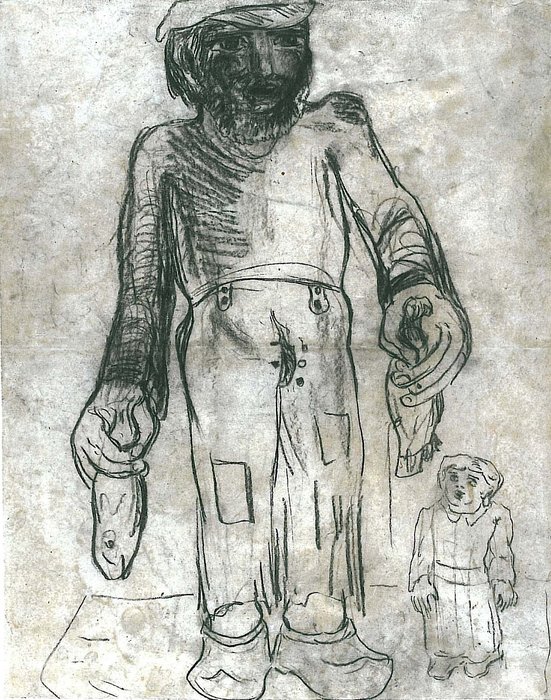
Untitled (217)
 Ver mais
Reprodução em Óleo Feita à Mão
Óleo sobre tela pintado à mão no seu tamanho e moldura, feito sob encomenda pelos nossos artistas. ( Encomendar impressão Comprar imagem em alta resolução)




































Escolha entre os nossos tamanhos pré-definidos que respeitam as proporções originais da obra de arte.

Pode inserir as suas próprias dimensões para se adequar a uma moldura ou espaço específico. Se o tamanho selecionado não corresponder às proporções da imagem original, iremos cortar a obra de arte ou estender a pintura com elementos adicionais pintados à mão. Um esboço digital será enviado para sua aprovação antes do início da produção.
Tenha em atenção que a pré-visualização no ecrã não reflete o corte ou extensão real. Apenas o esboço mostrará com precisão a composição final.
Embora tamanhos personalizados estejam disponíveis, recomendamos selecionar uma dimensão da lista predefinida para preservar as proporções originais.
Após o pedido, a equipa OriginalUniqueArt.com enviará um e-mail ao cliente para solicitar instruções e fornecer uma prévia do esboço.
Entrega mundial () em 3 a 4 semanas, em vez das 5 semanas padrão. (19 Agosto). Sem comprometer a qualidade.

Envio Expresso Gratuito para todo o Mundo

Tela de Linho Premium

Seguro de transporte total

Garantia de Reembolso de Impostos Alfandegários

Garantia de Fidelidade de Cor

Política de Devolução de 60 Dias (Apenas para Defeitos)

Garantia de reembolso de 100%

Desconto para múltiplas unidades
 A opção de vidro está disponível apenas para tamanhos inferiores a 110 cm

Untitled (217)
Técnica de Reprodução
Dimensões da Reprodução
-


Preço Total
$ 325
Biografia do Artista
Carl Fredrik Hill: A Landscape Painter Haunted by Darkness
Carl Fredrik Hill (1849–1911) stands as a singular figure in Swedish art history—a painter whose extraordinary talent was tragically overshadowed by debilitating mental illness. Born into the intellectual milieu of Lund University, his father’s insistence on a pragmatic career path contrasted sharply with Hill's innate passion for capturing the beauty and drama of the natural world. Despite familial reservations, he pursued formal training at Stockholm Royal Academy of Fine Arts, subsequently immersing himself in the artistic fervor of Paris, where he encountered the profound impact of Barbizon School aesthetics championed by Camille Corot. Hill’s formative years were marked by a fervent belief that “art has no other goal than the truth, le vrai,” rejecting mere naturalism for an exploration of genuine emotion and psychological depth. Seeking inspiration in diverse locations—Montigny, Champagne, and Normandy—he meticulously documented landscapes imbued with atmospheric subtleties and evocative textures. His artistic ambition was considerable; he famously confessed, "I give myself no peace," driven by a relentless desire to hone his craft. Yet, despite unwavering dedication, Hill’s work remained largely unrecognized during his lifetime, rejected repeatedly at the Paris Salon – a testament to the pervasive prejudice against avant-garde expression in its time. A devastating psychotic episode at the age of 28 abruptly halted his artistic trajectory, culminating in hospitalization and subsequent diagnosis with hallucinations and paranoia. Remarkably, Hill's life took an unexpected turn upon returning home to Sweden, where he found solace under the care of his mother and sister for nearly three decades before succumbing to illness in 1911. His death certificate recorded him as “former landscape painter,” encapsulating a poignant reflection of his artistic legacy—a brilliant artist whose potential was tragically curtailed by mental instability. However, Hill’s creative spirit endured beyond his formal career, entering a second period of prolific output during which he produced approximately four drawings daily. These drawings drew upon imagination and memory alongside references to older art and illustrations, representing a deliberate assertion of control over a world transformed from the one he knew as a young man. As Ragnar Josephson eloquently describes it, “the second great period of his life as a painter,” Hill’s artistic endeavors continued unabated—a testament to his unwavering commitment to visual expression. Hill's distinctive style evolved during this latter phase, characterized by meticulous draughtsmanship and an exploration of unsettling psychological themes. His drawings frequently depicted nude figures rendered in drypoint etching, employing dynamic lines and dramatic shadows to convey emotion and intimacy. These works stand apart from the idyllic landscapes of his early years, reflecting a preoccupation with inner turmoil and confronting viewers with visions of darkness and vulnerability—a profound contribution to Expressionist drawing and a poignant reminder of the artist’s struggle against mental illness. His enduring legacy resides not only in his stunning visual creations but also in their unflinching portrayal of human experience at its most fragile.
Carl Fredrik Hill
1849 - 1911
Informações Rápidas
- Artistic Movement Or Style: Barbizon School, Expressionism
- Artists Or Movements Influenced By This Artist: ['Impressionism']
- Artists Who Influenced This Artist: ['Camille Corot']
- Date Of Birth: 1849
- Date Of Death: 1911
- Full Name: Carl Fredrik Hill
- Nationality: Swedish
- Notable Artworks:
- Untitled (709)
- Untitled (336)
- Untitled (852)
- Place Of Birth: Sweden

