Romantic Industrialization · 1823
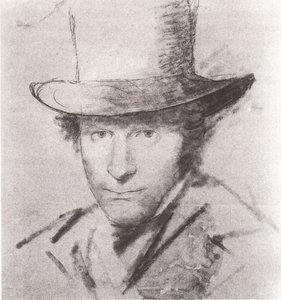
Self-Portrait (Karl Blechen, 1823)
Karl Blechen (1798–1840) criou Self-Portrait. Data de 1823. Pertence ao movimento Romantic Industrialization. É feito em Acrylic. Está conservada no Nationalgalerie, em Berlim, Alemanha. Mede 26 × 20 cm.
- 1823
- Acrylic
- 26 × 20 cm
- Nationalgalerie, Berlim

 Visualizar na parede

 Pintura a Óleo Feita à Mão
 Compartilhar
 Compartilhar
 Ficha técnica


 Baixar imagem
 Semelhantes
 Raio X
 Ver diaporama
 Perguntas e Respostas

 Estatísticas
Self-Portrait, em resumo
- Título
- Self-Portrait
- Artista
- Karl Blechen (1798–1840)
- Artista nascido em
- Cottbus, Alemanha
- Data
- 1823
- Técnica
- Acrylic
- Dimensões
- 26 × 20 cm
- Onde ver
- Nationalgalerie, Berlim, Alemanha
- Movimento
- Romantic Industrialization
- Tema
- self-portrait, landscape painting, romanticism, german art, baroque style, artist’s vision
O que Self-Portrait retrata?
A Visionary Encounter with Industry’s Dawn
- Subject Matter: This striking self-portrait by Carl Blechen captures a contemplative gaze directed downwards, presenting an image of intellectual introspection amidst the burgeoning industrial landscape. The artist's posture exudes seriousness and thoughtfulness—a deliberate contrast to the prevailing Romantic preoccupation with sublime landscapes.
- Style: Blechen’s work exemplifies the Romantic Industrialization movement, marking a pivotal shift away from traditional artistic conventions. While rooted in Romantic ideals of emotion and imagination, he simultaneously confronts the realities of industrial progress with unflinching honesty. The portrait eschews idealized beauty for a psychologically nuanced depiction.
- Technique: Executed in black and white lithograph printing, Blechen skillfully employs tonal gradation to convey depth and texture. Lithography, a relatively new technique at the time, allowed for precise reproductions of detail—a testament to Blechen’s artistic vision and his willingness to experiment with innovative methods.
- Historical Context: Created in 1823, this portrait emerged during a period of intense social and intellectual ferment. The Industrial Revolution was reshaping Europe, prompting artists like Blechen to grapple with questions of modernity, alienation, and the human condition. It reflects a broader artistic dialogue concerning how nature and humanity coexist within an evolving world.
- Symbolism: Beyond its formal representation, the self-portrait carries symbolic weight. The downward gaze suggests introspection and contemplation—a desire to reconcile Romantic idealism with the tangible pressures of industrial society. Furthermore, the suit symbolizes professionalism and social responsibility, mirroring Blechen’s own aspirations as he navigated his artistic career.
Lithograph Printing: A Revolutionary Medium
The choice of lithograph printing was particularly significant for Blechen's time. Unlike oil paints or watercolor—the dominant mediums of the Romantic era—lithography offered unparalleled precision and tonal control. Developed in France during the preceding decade, it allowed artists to achieve photographic realism without resorting to camera obscura techniques. This method ensured that Blechen’s portrait would retain its intricate detail and expressive atmosphere for generations to come.Romantic Industrialization: Bridging Imagination and Reality
Blechen's artistic trajectory represents a fascinating intersection between Romantic idealism and the burgeoning realities of industrialization. While acknowledging the sublime beauty of nature—a hallmark of Romantic art—he simultaneously recognized its vulnerability to encroachment by technological advancements. This duality is powerfully conveyed in his self-portrait, prompting viewers to consider the complexities inherent in reconciling aesthetic ideals with societal transformations.Emotional Resonance: A Portrait of Quiet Contemplation
Ultimately, Blechen’s self-portrait transcends mere visual representation; it communicates a profound emotional resonance. The artist's gaze—directed downwards—suggests a preoccupation with internal reflection and a yearning for understanding amidst the turbulent currents of his era. It invites contemplation on themes of identity, purpose, and the enduring human spirit—a timeless message that continues to captivate audiences today.Em qual museu se encontra Self-Portrait?
Nationalgalerie
Berlim, Alemanha
A História da Nationalgalerie de Berlim A Nationalgalerie é um componente fundamental dos Museus Estatais de Berlim. Suas origens remontam à coleção inicialmente conhecida como Wagenersche und Nationalgalerie, uma fundação que serviu de base para um repositório dedicado à arte dos séculos XIX, XX e XXI. Ao longo do tempo, a instituição expandiu seu alcance através de diversas localizações, incluindo a Alte Nationalgalerie, situada na Ilha dos Museus, e a Neue Nationalgalerie, no Kulturforum.


Imagens em alta resolução de Self-Portrait

Karl Blechen, Self-Portrait (1823), Nationalgalerie. Domínio público.
Perguntas sobre Self-Portrait respondidas
Onde "Self-Portrait", de Karl Blechen está em exibição hoje?
A obra original "Self-Portrait", de Karl Blechen encontra-se no Nationalgalerie, Berlim, Alemanha. Uma reprodução permite que a obra seja exibida em sua casa.
Em que ano foi criada a obra "Self-Portrait", de Karl Blechen?
"Self-Portrait" data de 1823. A data situa a obra na carreira de Karl Blechen e em sua época.
De que técnica é feita a obra "Self-Portrait"?
A técnica de "Self-Portrait", de Karl Blechen é Acrylic. As reproduções visam reproduzir a aparência desta técnica.
Quais são as dimensões de "Self-Portrait", de Karl Blechen na vida real?
A obra original "Self-Portrait", de Karl Blechen mede 26 x 20 cm.
O que representa "Self-Portrait"?
Os temas de "Self-Portrait" são self-portrait, landscape painting, romanticism, german art, baroque style, artist’s vision, psychological depth.
A imagem de "Self-Portrait", de Karl Blechen pode ser reproduzida livremente?
Quanto aos direitos autorais, "Self-Portrait" está em em domínio público — seus direitos autorais expiraram.
Quem é o artista por trás de "Self-Portrait"?
O artista por trás de "Self-Portrait" é Karl Blechen. A obra está catalogada sob o nome de Karl Blechen.
A qual movimento artístico pertence "Self-Portrait", de Karl Blechen?
"Self-Portrait" é uma obra do Romantic Industrialization. O movimento indica a tradição artística da qual a obra faz parte.
A que fase da trajetória de Karl Blechen "Self-Portrait" pertence?
"Self-Portrait" representa o Early Romanticism de Karl Blechen.
Sobre o artista, Karl Blechen
1798–1840, Alemanha
Karl Blechen
Um Pioneiro da Industrialização Romântica: A Vida e a Arte de Carl Blechen Carl Eduard Ferdinand Blechen, nascido em Cottbus, Alemanha, em 1798, ocupa uma posição singular e frequentemente negligenciada na tradição da pintura paisagística. Sua vida foi marcada tanto por brilhantismo artístico quanto por turbulências pessoais, uma dualidade que moldou profundamente seu trabalho evocativo e inovador. Inicialmente destinado a uma carreira pragmática no setor bancário devido às restrições financeiras familiares, as inclinações artísticas inerentes de Blechen acabaram prevalecendo. Ele buscou estudos na Academia de Artes de Berlim em 1822, embarcando em um caminho que o levaria a se tornar um dos primeiros artistas a enfrentar os desafios estéticos – e as possibilidades – apresentados pela industrialização inicial.
Também de Karl Blechen
 Sanssouci Palace1830
 The Interior of the Palm House on the Pfaueninsel Near Potsdam1834
 Tarantella1830
 Afternoon on Capri1829
Ensaios sobre Self-Portrait
 The Echo of Self: Reflectivity as a Core Theme in Art History & Contemporary PracticeExplore the rich history of self-representation in art, from Renaissance masters to modern innovators. Discover how artists use portraiture…
 The Inner Landscape: Exploring Themes of Introspection in Visual Art Across Movements & ErasExplore the captivating world of introspective art! Discover how artists across eras – from Rembrandt to Kahlo – used self-portraiture to r…
 Romantic Realism's Finest: 10 Masterpieces for Your Home | OriginalUniqueArtExplore 10 defining masterpieces of Romantic Realism! Discover Courbet, Millet & Daumier's powerful paintings—capturing emotion and social …