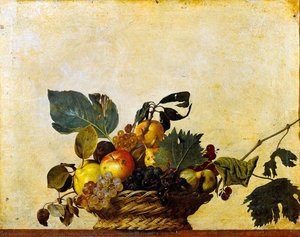
Visualizar na parede
 Compartilhar
 Compartilhar
 Detalhes
 Guia
Guia

 Baixar imagem
 Semelhantes
 Raio X
 Ver diaporama
 Q&A
Q&A Estatísticas
O Sacrifício de Isaac (Caravaggio)

- 104.0 x 135.0 cm


 Ler mais
Giclée / Impressão de Arte
Impressão giclée ou em tela de qualidade de museu, com produção rápida e opções flexíveis de acabamento. ( Comprar pintura feita à mão Alternar para Imagem Digital)




P118B €10

P118H €10

P118W €10

P438Z €10

P508JH €12

P508YH €12

P805H €10

P805Z €10

P919BZ €10

P919G €10

P919XJ €10

P959ZH €10

P968JZ €12

W106C €8

W218G €10

W218JH €8

W218Y €10

W307PJ €10

W316G €10

W316PJ €8

W316Y €10

W398PJ €8

W4111J €10

W500HY €15

W500JH €15

W692G €12

W849H €8

W940BG €15

W953PJ €8




Escolha entre os nossos tamanhos pré-definidos que respeitam as proporções originais da obra de arte.

Insira a largura e a altura desejadas para se ajustarem à sua moldura ou parede. Uma impressão pode ser apenas cortada, nunca ampliada além da imagem original; portanto, um tamanho com proporções diferentes resultará na perda de parte da imagem. Enviamos uma maquete digital para sua aprovação antes de realizarmos a impressão. A imagem exibida nesta página não mostra o corte real — apenas a maquete o faz.
Entrega mundial () em 2 semanas, em vez das 4/5 semanas padrão. (31 Outubro)

Envio expresso gratuito para todo o mundo

Tela de Linho de Alta Qualidade

Seguro de transporte completo

Garantia de Reembolso de Impostos Alfandegários

Garantia de Fidelidade Cromática

Política de Devolução em 100 Dias (Apenas para Defeitos)

Garantia de reembolso de 100%

Oferta de desconto por quantidade
 A opção de vidro está disponível apenas para tamanhos inferiores a 110 cm

O Sacrifício de Isaac (Caravaggio)
Giclée / Impressão de Arte
Tamanho da Reprodução
-


Preço Total
€ 71
A Moment Suspended: Unveiling Caravaggio’s *The Sacrifice of Isaac*
Caravaggio's 1601 masterpiece, *The Sacrifice of Isaac*, is a visceral and profoundly moving depiction of one of the most dramatic narratives in the Old Testament. Housed within the esteemed Galleria degli Uffizi in Florence, this oil on canvas (104 x 135 cm) continues to captivate viewers with its raw emotionality and revolutionary artistic approach. It’s a painting that transcends mere representation; it strives to capture the very essence of faith, fear, and agonizing decision—themes that resonate powerfully across centuries.Biblical Narrative & Historical Context
The painting illustrates the biblical story of God’s test of Abraham's faith – a command to sacrifice his beloved son, Isaac. Created during the Counter-Reformation, Caravaggio’s interpretation resonated with the era’s emphasis on religious fervor and personal piety. However, unlike earlier depictions that often glorified the divine intervention, Caravaggio focuses intensely on the *human* drama of the moment – Abraham's internal struggle and Isaac’s vulnerability. The artist meticulously researched the biblical text, striving to convey not just what happened but how it felt—a palpable tension between duty and compassion. This meticulous attention to detail reflects a broader trend in Baroque art toward portraying human experience with unprecedented realism and psychological depth.A Masterclass in Baroque Realism
Caravaggio’s style is immediately recognizable for its dramatic realism and groundbreaking use of light and shadow—a technique known as *tenebrism*. He eschewed idealized forms, instead portraying his figures with unflinching honesty, revealing their age, imperfections, and emotional turmoil. This departure from Mannerist conventions was revolutionary. The composition isn't grand or sweeping; it’s intimate and claustrophobic, drawing the viewer directly into the heart of the scene. Caravaggio deliberately minimized ornamentation, prioritizing clarity of form and expressive gesture—a stylistic choice that prioritized conveying emotion over visual spectacle.Decoding the Artistic Technique
- Chiaroscuro & Tenebrism: The stark contrast between intensely lit areas and deep shadows isn’t merely aesthetic; it heightens the emotional tension, focusing our attention on Abraham's hand with the knife and Isaac’s resigned expression. It creates a theatrical spotlight effect that underscores the drama unfolding before us.
- Naturalistic Detail: Note the meticulous rendering of textures – the rough fabric of Abraham’s clothing, the smooth skin of Isaac, and even the subtle details of their hands. This commitment to realism grounds the scene in tangible reality—a characteristic hallmark of Caravaggio's oeuvre.
- Compositional Focus: The figures are tightly grouped, almost filling the canvas, which amplifies the sense of immediacy and psychological pressure. The angel’s arm, reaching down from the darkness, acts as a powerful diagonal line that disrupts the impending act—a deliberate compositional element designed to heighten visual impact.
- Direct Observation: Caravaggio famously worked directly from life models, eschewing preparatory sketches. This approach lends an unparalleled authenticity to his figures and contributes significantly to their expressive power.
Symbolism & Emotional Resonance
Beyond the literal depiction of the biblical story, *The Sacrifice of Isaac* is rich in symbolism. Abraham’s aged face and hesitant posture suggest not triumphant faith, but agonizing internal conflict—a reflection of the human condition itself. Isaac's youthful vulnerability underscores the tragedy of the potential loss—a poignant reminder of mortality and parental love. The angel isn’t portrayed as a radiant being, but as a human figure emerging from shadow – a subtle yet powerful representation of divine intervention that feels both immediate and relatable. The painting evokes feelings of fear, sorrow, faith, and ultimately, relief—a complex tapestry of emotions skillfully conveyed through Caravaggio's masterful technique.A Lasting Legacy & Collecting Considerations
*The Sacrifice of Isaac* is a cornerstone of Baroque art, profoundly influencing generations of artists. Its dramatic intensity, psychological depth, and innovative technique continue to inspire awe and admiration. For collectors and interior designers seeking a statement piece that embodies both artistic mastery and emotional power, a high-quality reproduction of this work offers an opportunity to bring a fragment of art history into any space. The painting’s somber palette and powerful imagery lend themselves well to a variety of interiors, adding depth and sophistication to both traditional and contemporary settings. Consider framing it in a dark wood frame to accentuate the chiaroscuro effect—a gesture that honors Caravaggio's artistic vision and elevates its visual impact. Photo Description: --Overall Impression-- The artwork is a dramatic oil painting depicting the biblical scene of Isaac's sacrifice by his father Abraham. It’s characterized by intense emotionality and a stark realism typical of Caravaggio’s style. The composition is dynamic, with figures clustered closely together in the foreground, creating a sense of immediacy and urgency. Light plays a crucial role, dramatically illuminating the central action while casting deep shadows that heighten the scene's tension. Lines are used to define strong contours and create a sense of volume, particularly in the figures’ musculature and drapery. Shapes are predominantly organic – human forms, animal shapes (the ram), and natural elements like trees and mountains. Textures appear smooth due to the oil paint technique, but there is also a visible layering that contributes to the depth. The lighting is chiaroscuro, with strong contrasts between light and dark areas, emphasizing key details and creating a theatrical effect. Perspective is somewhat flattened, focusing on the immediate action rather than strict spatial realism. Depth is suggested through atmospheric perspective – distant elements are rendered in paler tones. The subject matter is religious and symbolic, representing faith, obedience, and divine will. Symbolic elements include the ram offered as a substitute for Isaac, highlighting Abraham’s willingness to sacrifice his son. Emotionally, the painting evokes feelings of fear, sorrow, faith, and acceptance. The style is Baroque, emphasizing drama and emotional intensity. The technique involves meticulous brushwork and layering of oil paint to achieve rich colors and textures. Materials used are primarily oil paints on canvas. Size: 104 x 135 cm Date: 1601 ARTIST INFORMATION: ================== Artist: Caravaggio Birth Year: 1571 Death Year: 1610 Birth City: Milan Birth Country: Spain Biography:A Life Forged in Shadow and Light
Michelangelo Merisi da Caravaggio, a name synonymous with the dramatic intensity of Baroque painting, was born in Milan in 1571, a period steeped in both artistic flourishing and societal upheaval. His early life was marked by loss; plague ravaged his hometown, claiming the lives of his father and grandfather when he was just six years old. Raised amidst relative poverty, young Michelangelo’s formative years instilled within him a keen awareness of human suffering and resilience—themes that would later dominate his canvases. He began his artistic training in Milan under Simone Peterzano, a former pupil of Titian, absorbing the fundamentals of Renaissance technique but already hinting at a rebellious spirit that would soon shatter conventional norms. This apprenticeship provided a solid foundation, yet it was in Rome, arriving around 1592, that Caravaggio truly found his voice, though not without initial struggle and hardship. He developed a considerable name as an artist and as a violent, touchy and provocative man. He killed Ranuccio Tommasoni in a brawl, which led to a death sentence for murder and forced him to flee to Naples. There he again established himself as one of the most prominent Italian painters of his generation. He travelled to Malta and on to Sicily in 1607 and pursued a papal pardon for his sentence. In 1609, he returned to Naples, where he was involved in a violent clash; his face was disfigured, and rumours of his death circulated. Questions about his mental state arose from his erratic and bizarre behavior. He died in 1610 under uncertain circumstances while on his way from Naples to Rome. Reports stated that he died of a fever, but suggestions have been made that he was murdered or that he died of lead poisoning. Caravaggio's innovations inspired Baroque painting, but the latter incorporated the drama of his chiaroscuro without the psychological realism. The style evolved and fashions changed, and Caravaggio fell out of favour. In the 20th century, interest in his work revived, and his importance to the development of Western art was reevaluated. The 20th-century art historian André Berne-Joffroy stated: “What begins in the work of Caravaggio is, quite simply, modern painting.”Perguntas e Respostas
Qual é a técnica e a data de criação de "O Sacrifício de Isaac (Caravaggio)", de Caravaggio?
A técnica de "O Sacrifício de Isaac (Caravaggio)", de Caravaggio é Óleo sobre tela, e a obra data de 1601.
Para qual ambiente "O Sacrifício de Isaac (Caravaggio)", de Caravaggio é recomendado, considerando as suas cores?
Com sua paleta de cores Tons terrosos, "O Sacrifício de Isaac (Caravaggio)" é uma sugestão ideal para um(a) Sala de Estar.
A que período pertence a obra "O Sacrifício de Isaac (Caravaggio)", de Caravaggio?
O período histórico de "O Sacrifício de Isaac (Caravaggio)", de Caravaggio é Idade Moderna. Esta classificação situa a obra na história da arte.
Biografia do Artista
Uma Vida Forjada na Sombra e na Luz
Michelangelo Merisi da Caravaggio, um nome indissociável da intensidade dramática da pintura barroca, nasceu em Milão em 1571, uma época permeada por florescimento artístico e turbulência social. Sua infância foi marcada pela perda; a peste assolou sua cidade natal, ceifando as vidas de seu pai e avô quando ele tinha apenas seis anos. Criado em relativa pobreza, os primeiros anos de Michelangelo lhe conferiram uma aguda consciência do sofrimento humano e da resiliência – temas que mais tarde dominariam suas telas. Iniciou sua formação artística em Milão sob a tutela de Simone Peterzano, um antigo aluno de Ticiano, absorvendo os fundamentos da técnica renascentista, mas já prenunciando um espírito rebelde que em breve estilhaçaria as convenções estabelecidas. Este aprendizado forneceu uma base sólida, mas foi em Roma, por volta de 1592, que Caravaggio verdadeiramente encontrou sua voz, embora não sem lutas e dificuldades iniciais. A cidade, um vibrante centro de mecenato artístico e fervor religioso, provou ser ao mesmo tempo atraente e implacável para o ambicioso jovem pintor.Revolucionando a Visão: Técnica e Estilo
A chegada de Caravaggio a Roma anunciou uma mudança sísmica na paisagem da arte italiana. Ele rejeitou o estilo maneirista predominante – caracterizado por sua elegância artificial e formas alongadas – em favor de um realismo implacável que chocou e cativou o público. Sua inovação mais marcante foi seu domínio magistral do chiaroscuro, o contraste dramático entre luz e sombra, que elevou a um novo nível de poder expressivo. Esta técnica, frequentemente referida como tenebrismo, não era meramente uma escolha estética; era um meio de intensificar o impacto emocional, atraindo os espectadores para o coração da cena e imbuindo suas figuras com uma palpável sensação de presença. Ele evitou representações idealizadas, povoando suas pinturas com pessoas comuns – frequentemente retiradas das ruas de Roma – como modelos para figuras religiosas. Essa abordagem radical desafiou as noções tradicionais de beleza e santidade, tornando o sagrado relacionável e profundamente humano. Suas composições eram muitas vezes austeras e diretas, focando em momentos cruciais de intensa dramaticidade, seja o brutal realismo de “A Captura de Cristo” ou a contemplação silenciosa em "São Francisco de Assis em Êxtase".Obras-Chave e Influência Duradoura
Ao longo de sua carreira relativamente curta, Caravaggio produziu um corpo de trabalho que continua a ressoar com o público hoje. Peças iniciais como “A Cartomante” (1594) demonstram seu talento crescente para capturar detalhes realistas e nuances psicológicas. "Supper at Emmaus" (1601-1602), abrigada na National Gallery em Londres, exemplifica seu domínio do chiaroscuro e sua capacidade de transmitir profunda profundidade emocional dentro de uma narrativa bíblica. “David com a Cabeça de Golias” (c. 1610) é particularmente assombrosa, frequentemente interpretada como um autorretrato refletindo o próprio estado perturbado de Caravaggio. Sua influência se estendeu muito além da Itália, inspirando uma geração de artistas conhecidos como os Caravaggisti, ou “ombristas”, que adotaram seu estilo em toda a Europa. Seguidores notáveis incluíram Peter Paul Rubens, Jusepe de Ribera e Gerrit van Honthorst, cada um adaptando as técnicas de Caravaggio às suas próprias visões artísticas únicas.Uma Existência Tumultuosa e Legado Eterno
A vida de Caravaggio foi tão dramática e turbulenta quanto sua arte. Um temperamento volátil e uma propensão para brigas o levaram a frequentes problemas com a lei, culminando em uma acusação de assassinato em 1606 que o forçou a fugir de Roma. Passou os quatro anos seguintes vagando por Nápoles, Malta e Sicília, continuando a pintar enquanto buscava desesperadamente um perdão papal. Apesar de seus esforços, permaneceu um fora da lei, assombrado pelo passado e atormentado por conflitos pessoais. Morreu em Porto Ercole, Itália, em 1610 em circunstâncias misteriosas – a causa de sua morte permanece debatida, com teorias variando de febre a envenenamento. Embora sua vida tenha sido interrompida, o legado artístico de Caravaggio perdura como um testemunho de sua visão revolucionária e compromisso inabalável com o realismo. Ele desafiou as convenções de seu tempo, abrindo caminho para uma abordagem mais moderna da pintura e deixando uma marca indelével no curso da história da arte ocidental. Seu trabalho continua a inspirar admiração e provocar contemplação, lembrando-nos do poder da arte para iluminar os cantos mais escuros da experiência humana.
Caravaggio
1571 - 1610 , Itália
Dados Rápidos
- Artistas Que O Influenciaram:
- Titian
- Leonardo da Vinci
- Artistas/Movimentos Influenciados:
- Rubens
- Ribera
- Caravaggisti
- Data De Falecimento: 18 de julho de 1610
- Data De Nascimento: 29 de setembro de 1571
- Local De Nascimento: Milão, Itália
- Movimento Artístico: Barroco, Tenebrismo
- Nacionalidade: Italiano
- Nome Completo: Michelangelo Merisi da Caravaggio
- Obras Notáveis:
- A Fortune Teller
- Supper at Emmaus
- David com a cabeça...
Artigos Relacionados

The Visceral Stage: Exploring Dramatic Narratives & Emotional Intensity in Baroque Art
Explore the dramatic world of Baroque art! Discover iconic masters like Caravaggio & Rembrandt, their techniques, and the movement's lasting impact. Expert insights for collectors & enthusiasts at OriginalUniqueArt.

The Dramatic Flourish: Exploring the Baroque Movement's Enduring Legacy in Art History
Explore the dramatic world of Baroque art! Discover iconic artists like Caravaggio & Rubens, defining techniques, and its lasting impact on art history. Expert insights for collectors & enthusiasts at OriginalUniqueArt.
Chiaroscuro and Soul: A Definitive Guide to the Drama and Emotion of Italian Baroque Masterpieces
Embark on a sophisticated journey through Italian Baroque art. Discover the dramatic interplay of light and emotion in Caravaggio’s masterpieces and explore how to bring this timeless grandeur into your collection with expert art insights.
Chiaroscuro & Emotional Resonance: Exploring Dramatic Light in Western Painting
Explore the captivating world of chiaroscuro & tenebrism! Discover Caravaggio's influence, Baroque masters, and the enduring power of dramatic lighting in art history. Learn about these techniques with OriginalUniqueArt.

Os 10 Mestres do Barroco: Obras-Primas que Moldaram a Arte e Decoram o Lar
Descubra os 10 maiores ícones do Barroco! Explore a história, técnica e emoção por trás de Caravaggio, Rembrandt, Bernini e outros mestres. Encontre reproduções de arte barroca para decorar seu lar com luxo em OriginalUniqueArt.com.