
 Visualizar em escala
 Enviar
 Compartilhar
 Ver detalhes

 Baixar
 Semelhantes
 Raio X
 Apresentação de slides
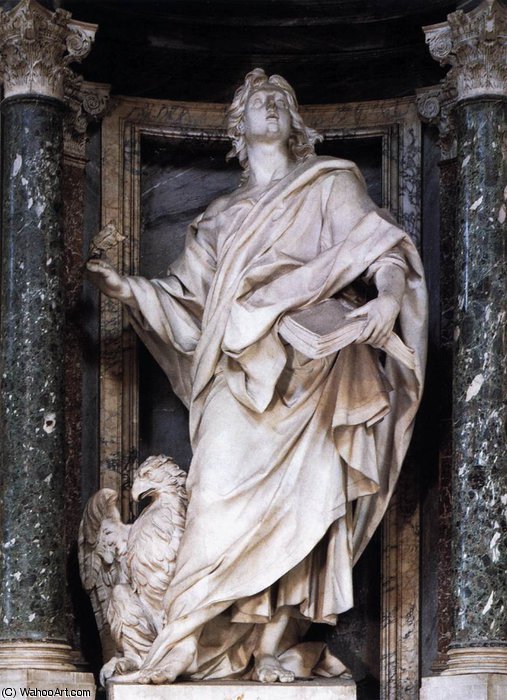
St John the Baptist
 Ver mais
Adquira uma imagem digital de alta resolução e aprimorada, muito superior à prévia online.
Cada arquivo é meticulosamente preparado por nossos especialistas internos, utilizando ferramentas avançadas e retoques manuais de alta precisão. Garantimos que cada imagem apresente clareza excepcional, fidelidade de cores e detalhes minuciosos.
O arquivo final é entregue por e-mail em até 72 horas, otimizado para uso imediato em ambientes profissionais, editoriais e de impressão. Esta é a mesma qualidade utilizada por estúdios de design de alto nível, editoras e galerias.
Imagem Digital
Baixe um arquivo de alta resolução para exibição pessoal, impressão e projetos criativos. ( Encomendar impressão Encomendar reprodução pintada à mão)
Incluído em cada pedido de imagem digital
Entrega Digital Especializada e Garantida
Ao escolher o OriginalUniqueArt.com, você não está apenas adquirindo uma imagem — você está recebendo uma obra de arte digital profissionalmente aprimorada, elaborada com precisão e com garantia de satisfação. Aqui está tudo o que acompanha seu pedido, automaticamente:

Entrega rápida por e-mail
O seu arquivo de imagem digital em alta resolução será enviado por e-mail em até 72 horas após o pedido — pronto para uso imediato.

Arquivo Digital com IA Otimizado
Sua obra de arte é otimizada profissionalmente por meio de ferramentas avançadas de IA e edição manual, garantindo o máximo de detalhes, clareza e precisão de cores.

Reenvio gratuito vitalício
Apagou ou perdeu o seu ficheiro acidentalmente? Não se preocupe – nós reenviamos para si a qualquer momento, gratuitamente.

Sem Taxas de Importação - Sempre
Desfrute da sua obra de arte instantaneamente, sem taxas alfandegárias, impostos ou custos de entrega — downloads digitais são sempre isentos de taxas.

Garantia de Precisão de Cores
Garantimos que sua imagem digital reflita as cores originais com a maior fidelidade possível, utilizando ferramentas profissionais e gerenciamento de cores.

Garantia de Satisfação de 60 Dias
Se você não estiver satisfeito com sua imagem digital, nós a revisaremos ou reembolsaremos 100% dentro de 60 dias — sem perguntas.

Garantia de Reembolso 100%
Não está satisfeito? Receba o reembolso total em até 60 dias após o recebimento do seu arquivo digital — sem perguntas.

Descontos para pedidos em lote
Compre 3 imagens, economize 10% - Compre 5, economize 15% - Compre 10+, economize 20%. Ideal para projetos criativos, galerias e agências.
Biografia do Artista
A Bridge Between Eras: The Life and Art of Camillo Rusconi
Camillo Rusconi, born in Milan in 1658 and passing away in Rome in 1728, occupies a fascinating position within the history of Italian sculpture. He wasn’t merely a practitioner of the late Baroque; he was an artist who subtly, yet decisively, nudged the style toward the emerging sensibilities of Neoclassicism. His career unfolded during a period of artistic transition, and his work reflects this beautifully—a compelling blend of dynamic energy tempered by a growing emphasis on clarity and restraint. Rusconi’s journey began with formative training in Milan under Giuseppe Rusnati, who himself had strong ties to the workshop of Ercole Ferrata in Rome. This early exposure proved crucial, laying the groundwork for his eventual success and stylistic development within the heart of Roman artistic life.From Milan to Rome: Forging a Sculptural Path
In 1685 or 1686, Rusconi made the pivotal move to Rome, entering the studio of Ercole Ferrata. Fate intervened swiftly; Ferrata’s untimely death shortly after Rusconi's arrival meant the young sculptor had to quickly establish himself independently. He did so with remarkable speed and talent. Early commissions arrived steadily, including a significant project for the Ludovisi Chapel in Sant'Ignazio—four plaster allegorical statues representing Prudence, Justice, Temperance, and Strength. These works already hinted at Rusconi’s emerging style: powerful figures imbued with Baroque drama, yet possessing an underlying sense of order and composure. He also collaborated with Pierre Le Gros on the sculpting of angels for the tympanum of the altar of Saint Ignatius in the Church of the Gesù, further solidifying his reputation within Roman artistic circles. These early successes weren’t simply about securing patronage; they were about honing his skills and defining a unique voice amidst the established masters.Influences and Artistic Development
Rusconi's style wasn’t born in isolation. He absorbed the lessons of those who came before him, acknowledging the giants upon whose shoulders he stood. The influence of Alessandro Algardi and Gian Lorenzo Bernini is palpable—he adopted elements of their expressive forms and grand manner, understanding the power of dramatic gesture and emotional intensity. However, it was his relationship with the painter Carlo Maratta that proved most transformative. Maratta’s emphasis on ordered composition, clear presentation of figures, and a refined aesthetic resonated deeply with Rusconi. He sought to translate Maratta's principles into sculptural form, striving for a balance between Baroque dynamism and Neoclassical clarity. This pursuit led contemporaries to describe him as “Carlo Maratta in marble,” a testament to his ability to capture the painter’s spirit within the solid medium of stone.Monumental Achievements and Lasting Legacy
Rusconi's career culminated in several monumental achievements that cemented his place in Roman art history. Perhaps most celebrated is the series of four larger-than-life apostle statues—Matthew, James the Great, Andrew, and John—created between 1708 and 1718 for the niches of the Archbasilica of St. John Lateran. This commission was a fiercely contested one, with Rusconi ultimately securing more work than his rivals, Le Gros and Pierre-Etienne Monnot, demonstrating the esteem in which he was held by patrons and fellow artists alike. The Tomb of Pope Gregory XIII, completed between 1715 and 1723 for St. Peter's Basilica, stands as another testament to his skill in creating monumental funerary sculpture—a powerful blend of Baroque grandeur and Neoclassical restraint. Beyond these major projects, Rusconi contributed architectural decoration to San Silvestro in Capite, San Salvatore in Lauro, and the Chiesa Nuova (Santa Maria in Vallicella), leaving an indelible mark on the Roman cityscape. He also created the tomb of Bartolomeo Corsino in San Giovanni in Laterano and the monument for Prince Alessandro Sobieski in Santa Maria della Concezione. Rusconi’s influence extended beyond his own artistic creations. He trained a number of successful sculptors, including Pietro Bracci, Giovanni Battista Maini, and Filippo della Valle, ensuring that his stylistic principles would continue to flourish. In 1727, he was honored with the title of Principe (Prince) of the Accademia di San Luca—a fitting recognition of his standing within the Roman artistic community. Camillo Rusconi’s legacy lies not only in the beauty and power of his sculptures but also in his role as a pivotal figure in the transition from the Baroque to Neoclassical styles, shaping the course of Roman sculpture for generations to come.
Camillo Rusconi
1658 - 1728 , Italy
Informações Rápidas
- Artistic Movement Or Style: Late Baroque, Neoclassicism
- Artists Or Movements Influenced By This Artist:
- Pietro Bracci
- Giovanni Maini
- Filippo della Valle
- Artists Who Influenced This Artist:
- Algardi
- Bernini
- Carlo Maratta
- Date Of Birth: 1658
- Date Of Death: 1728
- Full Name: Camillo Rusconi
- Nationality: Italian
- Notable Artworks:
- Apostles at St. John Lateran
- Tomb of Pope Gregory XIII
- St James the Great
- Fortitude
- St John the Baptist
- Place Of Birth: Milan, Italy

