

 Enviar
 Compartilhar
 Ver detalhes
 Guia de Obras do Aluno

 Baixar imagem
 Semelhantes
 Apresentação de slides
 Estatísticas
Auguste Rodin


 Ver mais
Reprodução em Óleo Feita à Mão
Óleo sobre tela pintado à mão no tamanho e moldura de sua escolha, feito sob encomenda pelos nossos artistas. ( Alternar para Impressão Ver Imagem Digital)




































Escolha entre os nossos tamanhos pré-definidos que respeitam as proporções originais da obra de arte.

Digite a largura e a altura de que necessita, para se ajustar à sua moldura ou à sua parede. Esta obra é pintada à mão, por isso, para um tamanho com uma proporção diferente, o artista pode pintar um pouco mais ao redor da imagem ou cortar um pouco — você escolhe. Enviamos-lhe uma maquete digital para aprovação antes de a pintura começar. A imagem exibida nesta página não mostra o resultado real — apenas a maquete mostra.
Após o pedido, a equipa OriginalUniqueArt.com enviará um e-mail ao cliente para solicitar instruções e fornecer uma prévia do esboço.
Entrega mundial () em 3 a 4 semanas, em vez das 5 semanas padrão. (22 Outubro). Sem comprometer a qualidade.

Envio expresso gratuito para todo o mundo

Tela de Linho Premium

Seguro de transporte total

Garantia de Reembolso de Impostos Alfandegários

Garantia de Fidelidade de Cor

Política de Devolução em 100 Dias (Apenas para Defeitos)

Garantia de reembolso de 100%

Desconto para múltiplas unidades
 A opção de vidro está disponível apenas para tamanhos inferiores a 110 cm

Auguste Rodin
Técnica de Reprodução
Dimensões da Reprodução
-


Preço Total
€ 263
A Soul in Bronze: The Intertwined Legacy of Rodin and Claudel
In the hallowed annals of sculptural history, few narratives are as hauntingly beautiful or as profoundly transformative as the creative and emotional entanglement between Camille Claudel and Auguste Rodin. This particular bronze portrait, dating to 1892, serves as a silent witness to that era of intense artistic fervor. The sculpture captures more than just the likeness of a man; it embodies the very essence of the Belle Époque—a period defined by a tension between classical tradition and the burgeoning pulse of modernism. As we gaze upon the weathered, textured surface of this bronze figure, we are transported to the studios of Paris, where the scent of damp clay and the heat of the forge fueled a revolution in form.
The subject, rendered with a striking focus on the rugged topography of the face and the flowing majesty of the beard, evokes a sense of timeless wisdom and psychological depth. There is an unmistakable weight to the piece, not merely from the density of the bronze, but from the gravity of the emotion it conveys. The artist’s hand has navigated the delicate balance between Impressionistic fluidity and anatomical truth, allowing light to dance across the uneven surfaces, creating shadows that seem to breathe with a life of their own. For the discerning collector or interior designer, this work offers a profound anchor for any space, providing a focal point that commands attention through its quiet, monumental dignity.
Technique and the Mastery of Texture
To appreciate this masterpiece is to understand the tactile language of the medium. The technique employed here transcends simple representation; it is an exploration of texture as a vessel for emotion. The bronze surface, characterized by its dark, earthy patina, possesses a weathered quality that suggests the passage of centuries. This deliberate manipulation of the material allows for a play of light and shadow—a hallmark of the Impressionistic influence that Claudel brought to her collaborations with Rodin. Every ridge of the beard and every furrow in the brow has been meticulously articulated to capture movement within stillness.
The sculptural process, likely beginning in the malleable warmth of terracotta clay before being immortalized in bronze, is evident in the way the forms emerge from the mass. There is a palpable dynamism in the way the features are modeled, suggesting that the figure is caught in a moment of deep reflection or sudden realization. This mastery of material ensures that the reproduction remains a vibrant, living entity within a room, offering a tactile richness that complements both contemporary minimalist settings and more ornate, classical interiors.
A Symbol of Artistic Devotion
Beyond its physical presence, the sculpture carries a heavy symbolic weight, representing the shared vision of two titans of the art world. During the early 1890s, the creative exchange between Claudel and Rodin was at its zenith, a period where their individual styles bled into one another to create something entirely new. The piece reflects this era of "shared vision," where the boundaries between mentor and protégé, lover and collaborator, were beautifully blurred. It stands as a monument to the struggle for recognition and the raw, unadulterated passion required to push the boundaries of what sculpture could achieve.
For those seeking to adorn their homes or galleries with art that tells a story, this work offers an unparalleled emotional resonance. It is not merely a decorative object; it is an invitation to contemplate the complexities of human connection and the enduring power of the creative spirit. Owning a high-quality reproduction of such a significant moment in art history allows one to surround themselves with the echoes of greatness, bringing a sense of historical depth and sophisticated melancholy to any curated collection.
Perguntas e Respostas
De que forma o estilo de "Auguste Rodin" se relaciona com a época de seu criador?
"Auguste Rodin" de Camille Claudel insere-se no movimento Impressionistic Sculpture, dentro da era Século XIX de seu criador.
Quando e com quais materiais foi feita a obra "Auguste Rodin"?
"Auguste Rodin" foi realizada em 1892, em Bronze.
Qual técnica foi utilizada para "Auguste Rodin" de Camille Claudel?
"Auguste Rodin" é executada em Bronze.
Biografia do Artista
Camille Claudel
Camille Claudel, nome artístico de Camille Athanaïse Cerveaux Prosper (Fère-en-Tardenois, 8 dezembro de 1864 – Montdevergues, 19 outubro de 1943) foi uma escultora e artista francesa. Faleceu na obscuridade, mas sua obra ganhou reconhecimento por sua originalidade décadas após a morte. Era irmã mais velha do poeta e diplomata Paul Claudel.Vida pessoal
Camille Claudel nasceu no norte da França, em Fère-en-Tardenois, filha mais velha de outras duas irmãs, Louise e Paul Claudel. Sua família se mudou para Villeneuve-sur-Fère quando Camille era ainda um bebê. Seu irmão mais novo, Paul Claudel, nasceu em 1868. Mudaram-se novamente nos anos seguintes:Bar-le-Duc (1870), Nogent-sur-Seine (1876) e Wassy-sur-Blaise (1879), porém ainda passando os verões na residência de Villeneuve-sur-Fère, cuja paisagem marcou profundamente as crianças. A família se mudaria mais uma vez, em 1881, para Montparnasse, com seu pai ficando para trás para ganhar o sustento dos filhos.Período criativo
Fascinada por pedra e terra quando criança, já moça Camille estudou na Académie Colarossi, um dos poucos lugares abertos a estudantes mulheres com o escultor Alfred Boucher. Na época, a famosa École des Beaux-Arts barrava a matrícula de mulheres. Em 1882, Camille alugou um ateliê com outras mulheres, a maioria inglesa, incluindo Jessie Lipscomb. Alfred Boucher era seu mentor e lhe concedeu a inspiração e encorajamento que recaiu sobre toda uma geração de novos escultores. Camille esculpiria um busto dele em gratidão. Antes de mudar-se para Florença, depois de ter lecionado para Camille e as colegas por mais de três anos, Alfred perguntou a Auguste Rodin se ele não gostaria de assumir a instrução de suas alunas. Foi assim que o tumultuado e controverso relacionamento de Rodin com Claudel começou, ela então com 19 anos.Influências
Na obra A Idade Mur (1900), Camille interpreta seu irmão como sendo uma poderosa alegoria para o seu rompimento com Rodin. Sua escultura tinha assinaturas distintas como a plasticidade das obras, a representação de gênero e escalas diversas. Alguns classificavam seus trabalhos como sendo ainda mais viris que obras feitas por artistas homens e que sua escultura possuía a assinatura que apenas os gênios em suas áreas possuem, como Berthe Morisot. Enquanto Rodin tinha linhas mais suaves e delicadas, Claudel sugeria vigorosos contrastes e linhas poderosas em suas obras, razão essa que pode ter levado ao rompimento artístico e à rivalidade que se seguiu. Ela estudou profundamente a obra de artistas como Michelangelo e Donatello, buscando inspiração na beleza clássica e na força da forma humana. Além disso, Claudel foi influenciada pelo movimento Art Nouveau, que valorizava linhas curvas e elementos naturais em suas obras. Também admirava as esculturas japonesas, especialmente aquelas que exploravam temas religiosos e simbolismo.Importantes obras
Claudel é conhecida por uma série de esculturas marcantes que refletem sua visão artística única e sua habilidade excepcional em transmitir emoções profundas através da pedra e do bronze. Entre suas obras mais importantes destacam-se: *Sakuntala*, uma escultura inspirada na mitologia hindu que explora temas como amor, perda e redenção; *O Vals* (1893), uma obra que captura a dinâmica de um baile elegante e expressa o desejo pela beleza e pelo movimento; *A Idade Mur*, uma escultura que retrata um casal idoso com uma honestidade emocional impressionante; *Giganti (Tête de brigand)*, uma escultura poderosa que demonstra Claudel's domínio da anatomia humana e sua capacidade de transmitir força e intensidade; *O jovem com uma cesta de trigo*, uma obra que simboliza inocência e beleza rural. Essas esculturas são consideradas obras-primas do Expressionismo francês e continuam a inspirar artistas e admiradores em todo o mundo. Sua obra permanece um testemunho da força da arte para comunicar emoções humanas universais e explorar questões existenciais profundas.
Camille Claudel
1864 - 1943 , França
Informações Rápidas
- Artistic Movement Or Style: Expressionismo
- Artists Who Influenced This Artist:
- Auguste Rodin
- Alfred Boucher
- Date Of Birth: 8 dezembro 1864
- Date Of Death: 19 outubro 1943
- Full Name: Camille Rosalie Claudel
- Nationality: Francesa
- Notable Artworks:
- A Idade Mur
- Sakuntula
- Giganti
- Place Of Birth: Fère-en-Tardenois, França
Artigos Relacionados

The Enduring Legacy of Bronze: A Historical & Artistic Exploration for the Collector
Explore the rich history & enduring appeal of bronze sculpture with expert insights for collectors at OriginalUniqueArt. Learn about casting techniques, iconic artists, collecting tips & contemporary interpretations.
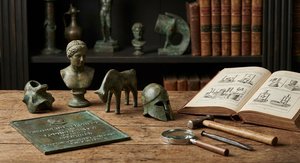
The Enduring Legacy of Bronze: History, Technique & Artistic Expression for the Collector
Explore the rich history & enduring appeal of bronze sculpture with expert insights for collectors at OriginalUniqueArt. Learn about casting techniques, iconic artists, and collecting tips.

Dante Gabriel Rossetti: As 25 Obras-Primas do Mestre Pré-Rafaelita | OriginalUniqueArt
Descubra as 25 obras-primas de Dante Gabriel Rossetti, o mestre pré-rafaelita! Explore a beleza, simbolismo e paixão em pinturas icônicas como 'Proserpina' e 'Beata Beatrix'. Encontre reproduções de arte exclusivas para transformar sua casa com OriginalUniqueArt.com.

As 10 Obras em Bronze Mais Icônicas que Transformaram a História da Arte | OriginalUniqueArt
Descubra as 10 esculturas em bronze mais influentes da história! Explore a arte de Rodin, Michelangelo e outros mestres. Reproduções de alta qualidade para decorar sua casa com elegância. OriginalUniqueArt.

Esculturas em Bronze Icônicas: 10 Obras que Revolucionaram a Arte | OriginalUniqueArt
Descubra as 10 esculturas em bronze mais icônicas da história! Explore a arte de Rodin, Michelangelo e outros mestres. Encontre reproduções de alta qualidade para sua casa em OriginalUniqueArt.com.