

 Visualizar em escala
 Enviar
 Compartilhar
 Ver detalhes
 Guia de Obras do Aluno

 Baixar imagem
 Semelhantes
 Raio X
 Apresentação de slides
 Estatísticas
Salome


 Ver mais
Reprodução em Óleo Feita à Mão
Óleo sobre tela pintado à mão no tamanho e moldura de sua escolha, feito sob encomenda pelos nossos artistas. ( Alternar para Impressão Ver Imagem Digital)




































Escolha entre os nossos tamanhos pré-definidos que respeitam as proporções originais da obra de arte.

Pode inserir as suas próprias dimensões para se adequar a uma moldura ou espaço específico. Se o tamanho selecionado não corresponder às proporções da imagem original, iremos cortar a obra de arte ou estender a pintura com elementos adicionais pintados à mão. Um esboço digital será enviado para sua aprovação antes do início da produção.
Tenha em atenção que a pré-visualização no ecrã não reflete o corte ou extensão real. Apenas o esboço mostrará com precisão a composição final.
Embora tamanhos personalizados estejam disponíveis, recomendamos selecionar uma dimensão da lista predefinida para preservar as proporções originais.
Após o pedido, a equipa OriginalUniqueArt.com enviará um e-mail ao cliente para solicitar instruções e fornecer uma prévia do esboço.
Entrega mundial () em 3 a 4 semanas, em vez das 5 semanas padrão. (26 Setembro). Sem comprometer a qualidade.

Envio expresso gratuito para todo o mundo

Tela de Linho Premium

Seguro de transporte total

Garantia de Reembolso de Impostos Alfandegários

Garantia de Fidelidade de Cor

Política de Devolução em 100 Dias (Apenas para Defeitos)

Garantia de reembolso de 100%

Desconto para múltiplas unidades
 A opção de vidro está disponível apenas para tamanhos inferiores a 110 cm

Salome
Técnica de Reprodução
Dimensões da Reprodução
-


Preço Total
$ 300
Biografia do Artista
The Legacy of Callisto Piazza da Lodi
In the vibrant tapestry of the Italian Renaissance and the burgeoning Baroque era, few names capture the essence of Lombardy’s artistic transition quite like Callisto Piazza da Lodi. Born in the historic city of Lodi around 1500, Piazza emerged as a pivotal figure within the Brescian school, a movement that would eventually redefine the visual language of Northern Italy. His life and work serve as a bridge between the meticulous, refined elegance of the Ferrarese tradition and the dramatic, emotive power of the Brescian masters. Though historical records offer only glimpses into his private years, his brushwork reveals a man deeply attuned to the shifting currents of 16th-century culture, where humanist ideals and papal patronage breathed new life into religious and secular iconography alike.
The foundations of Piazza’s mastery were likely laid within the fertile ground of a family of painters. The Piazza clan established a significant presence in Brescia, creating a workshop environment that functioned as both a sanctuary for tradition and a laboratory for innovation. It is widely believed by scholars that his early training was shaped by the influence of Ludovicto Mazzolino of Ferrara, whose style brought a certain jewel-like precision and intricate detail to the canvas. This Ferrarese influence, blended with the subtle nuances of Giovanni Agostino da Lodi, allowed Piazza to develop a technique that balanced delicate ornamentation with a growing interest in the atmospheric depth and light-play that would become hallmarks of his mature period.
A Master of Light and Brescian Drama
As his career progressed, Piazza became deeply embedded in the artistic soul of Brescia, a city that was then undergoing a profound stylistic evolution. He operated within a collective spirit, contributing to a body of work that embraced the revolutionary chiaroscuro effects championed by contemporaries such as Gian Battista Romanino. This mastery of light and shadow allowed him to imbue his religious frescoes and altarpieces with a sense of palpable presence and spiritual weight. His compositions often moved away from static, iconographic arrangements toward more dynamic, narrative-driven scenes that invited the viewer into a shared emotional space.
The development of his style can be observed through several key artistic pillars:
- The Integration of Chiaroscuro: Utilizing dramatic contrasts to create volume and a sense of theatrical movement within sacred narratives.
- Ferrarese Precision: Retaining a meticulous attention to detail and fine textures, a remnant of his early stylistic influences.
- Lombard Naturalism: A commitment to depicting figures and landscapes with an earthy, grounded realism that resonated with the Brescian aesthetic.
- Architectural Grandeur: His ability to execute large-scale frescoes that harmonized seamlessly with the ecclesiastical architecture of Northern Italy.
Historical Significance and Artistic Endurance
The historical importance of Callisto Piazza da Lodi lies not only in his individual achievements but in his role as a conduit for regional artistic identity. By synthesizing the refined elegance of the Ferrarese school with the rugged, emotive energy of the Brescian movement, he helped forge a distinct visual dialect that would influence generations of Lombard painters. His commissions, ranging from intimate devotional works to expansive religious frescoes, reflect the broader socio-political landscape of 16th-century Italy, where art served as both a tool for spiritual instruction and a symbol of civic prestige.
Though the passage of centuries has obscured some of the finer details of his biography, the enduring impact of his oeuvre remains visible in the way light interacts with form in the works of his successors. Piazza’s ability to capture the divine within the human experience—through the careful application of pigment and the strategic use of shadow—ensures his place in the pantheon of Italian masters. He remains a vital subject for any student of the Renaissance, representing a moment in time when the boundaries of art were being pushed toward the dramatic brilliance of the Baroque.
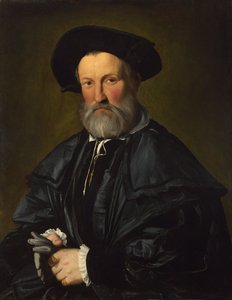
Callisto Piazza da Lodi
1500 - 1561 , Italy
Informações Rápidas
- Artistic Movement Or Style: Brescian Style
- Artists Or Movements Influenced By This Artist: ['Romanino']
- Artists Who Influenced This Artist:
- Romanino
- Moretto
- Dosso Dossi
- Ludovico Mazzolino
- Date Of Birth: Lodi, Italy (1500)
- Date Of Death: 1561
- Full Name: Callisto Piazza da Lodi
- Nationality: Italian
- Notable Artworks:
- The Concert
- St Catherine of Alexandria
- Madonna and Child
- Place Of Birth: Lodi