
 Visualizar em escala
 Enviar
 Compartilhar
 Ver detalhes
 Guia de Obras do Aluno

 Baixar imagem
 Semelhantes
 Raio X
 Apresentação de slides
 Estatísticas
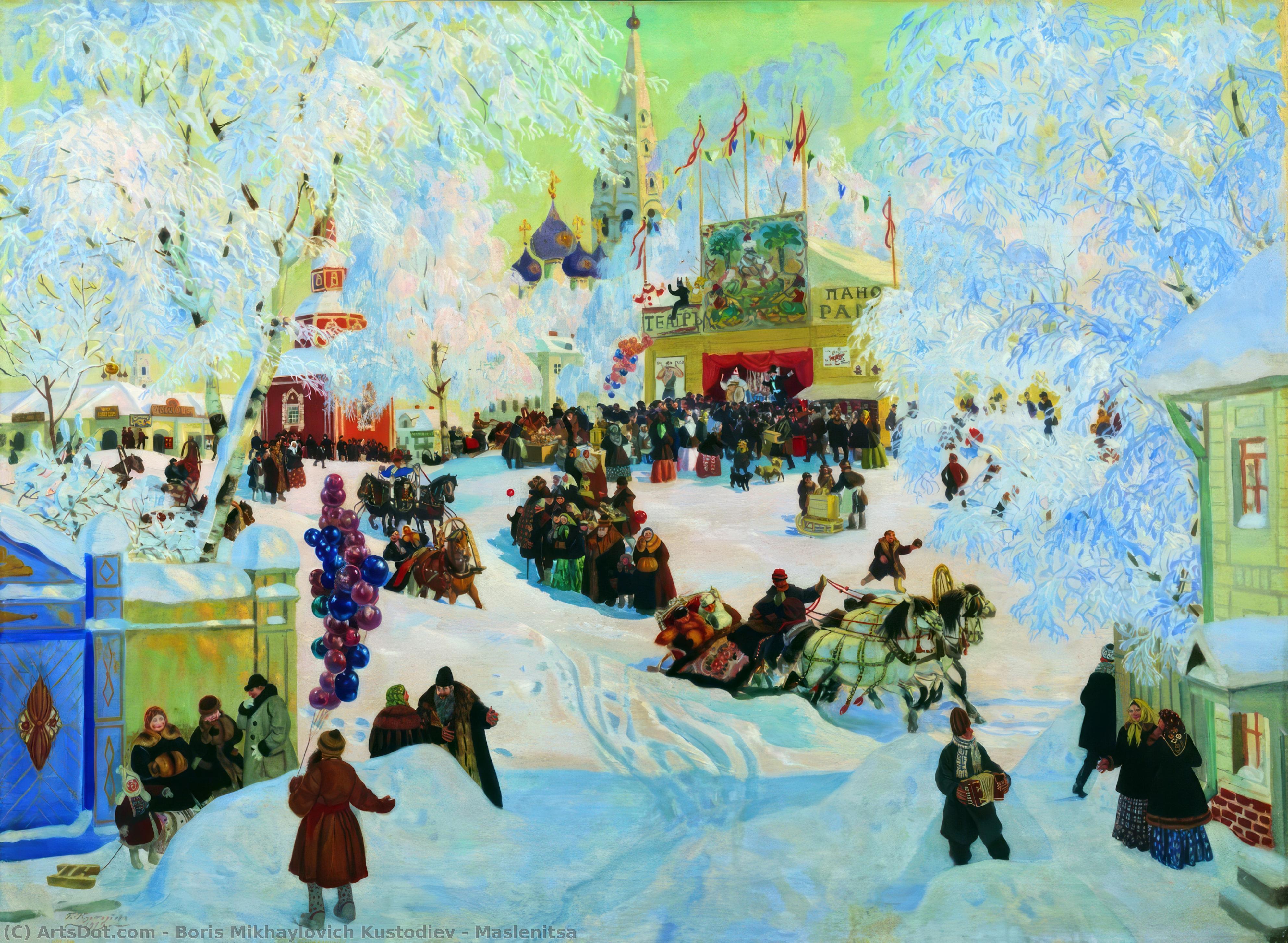
Maslenitsa


 Ver mais
Giclée / Impressão de Arte
Impressão giclée ou em tela de qualidade de museu, com produção rápida e opções flexíveis de acabamento. ( Encomendar reprodução pintada à mão Ver Imagem Digital)




P118B €10

P118H €10

P118W €10

P438Z €10

P508JH €12

P508YH €12

P805H €10

P805Z €10

P919BZ €10

P919G €10

P919XJ €10

P959ZH €10

P968JZ €12

W106C €8

W218G €10

W218JH €8

W218Y €10

W307PJ €10

W316G €10

W316PJ €8

W316Y €10

W398PJ €8

W4111J €10

W500HY €15

W500JH €15

W692G €12

W849H €8

W940BG €15

W953PJ €8




Escolha entre os nossos tamanhos pré-definidos que respeitam as proporções originais da obra de arte.

Digite a largura e a altura de que necessita, para se ajustar à sua moldura ou à sua parede. Uma impressão só pode ser cortada, nunca ampliada além da imagem original, pelo que um tamanho com uma proporção diferente perderá parte da imagem. Enviamos-lhe uma maquete digital para aprovação antes de imprimirmos qualquer coisa. A imagem apresentada nesta página não mostra o corte real — apenas a maquete o faz.
Entrega mundial () em 2 semanas, em vez das 4/5 semanas padrão. (25 Outubro)

Envio expresso gratuito para todo o mundo

Tela de Linho Premium

Seguro de transporte total

Garantia de Reembolso de Impostos Alfandegários

Garantia de Fidelidade de Cor

Política de Devolução em 100 Dias (Apenas para Defeitos)

Garantia de reembolso de 100%

Desconto para múltiplas unidades
 A opção de vidro está disponível apenas para tamanhos inferiores a 110 cm

Maslenitsa
Giclée / Impressão de Arte
Dimensões da Reprodução
-


Preço Total
€ 70
Uma Tapeçaria Vibrante da Vida Invernante Russa
Contemplar a representação de Maslenitsa por Boris Mikhailovich Kustodiev é ser instantaneamente transportado para o coração de uma Rússia de outrora, cheia de espírito. Esta pintura captura mais do que apenas uma celebração sazonal; ela personifica a própria alma da alegria comunitária, que persiste mesmo contra o frio cortante do inverno. A cena desenrola-se sob um manto de neve imaculada, mas a atmosfera vibra com uma energia inegável e pulsante. É quase possível ouvir o riso ecoando pelas ruas nevadas enquanto as figuras se movimentam — um contraponto vívido à majestade silenciosa dos flocos que caem.
O Espírito da Maslenitsa e o Folclore Russo
A Maslenitsa, a semana que antecede a Grande Quaresma, é um festival imerso em ricas tradições culturais. Kustodiev captura com maestria este sentido de transição — a despedida exuberante do inverno e a antecipação do retorno da primavera. A inclusão de várias figuras, algumas carregadas com acessórios modernos, como mochilas, ao lado de elementos mais atemporais, como o cavalo visível, fala sobre a natureza duradoura da própria vida russa. É um momento suspenso no tempo: uma celebração que honra o folclore profundamente enraizado, enquanto reconhece a passagem da existência cotidiana.
Maestria de Cor e Movimento
Tecnicamente, a pincelada de Kustodiev confere à cena uma sensação imediata de vivacidade e calor, apesar do tema frio. O artista possui um dom notável para retratar multidões; a dispersão dos indivíduos cria um ritmo dinâmico por toda a tela. Observe como os guarda-chuvas, embora sejam escudos práticos contra a neve, tornam-se acentos coloridos que pontuam a paisagem, de outra forma monocromática. Este jogo entre o branco puro da neve, os tons profundos das roupas de inverno e as explosões de cor dos pertences das pessoas confere à obra uma profundidade visual incrível. É um testemunho de sua habilidade em infundir a vida cotidiana com uma significância artística monumental.
Ressonância Emocional para o Colecionador Moderno
Para o colecionador ou designer que busca uma arte que insira narrativa em um espaço, esta obra oferece uma profunda ressonância emocional. Ela evoca temas de comunidade, resiliência e alegria desenfreada — qualidades universalmente apreciadas. Reproduzir uma peça como esta permite trazer não apenas uma pintura, mas todo um estado de espírito para um ambiente: um de reunião animada e conexão humana duradoura. É uma arte que convida à contação de histórias, tornando-se um ponto focal cativante para qualquer grande salão ou interior decorado com cuidado.
Perguntas e Respostas
Qual é o nível de popularidade de "Maslenitsa" dentro do Realismo Russo?
"Maslenitsa" de Boris Kustodiev é classificada como Icônico e pertence ao movimento Realismo Russo.
"Maslenitsa" de Boris Kustodiev é uma obra de tons claros ou escuros?
"Maslenitsa" de Boris Kustodiev está registrado com brilhante, apresentando uma luminância de Equilíbrio de Brilho.
Como posso visualizar "Maslenitsa" de Boris Kustodiev em formato de apresentação de slides?
O diaporama de "Maslenitsa" pode ser visualizado na página Apresentação de slides da obra.
Biografia do Artista
A Life Immersed in Russian Spirit
Boris Mikhailovich Kustodiev, born on March 7, 1878, in Astrakhan, Russia, was an artist whose work became inextricably linked to a vibrant and often idealized depiction of Russian life. His early years were shaped by a profound sense of provinciality, deeply influenced by the financial hardships that followed his father’s untimely death – a respected professor of philosophy, history, and logic. This formative exposure to the lives of merchants and common folk would become a cornerstone of the themes that permeated his art throughout his career, fueling a lifelong fascination with the nuances of Russian society. Kustodiev's artistic education began within the confines of the theological seminary in Astrakhan, yet it was private lessons with Pavel Vlasov, a devoted student of Vasily Perov, that truly ignited his creative passion. This pivotal connection provided him with a foundational understanding of Realist techniques and an appreciation for depicting the lives of ordinary people – a trajectory that would profoundly shape his artistic vision. Subsequently, he enrolled in St. Petersburg’s prestigious Imperial Academy of Arts, where he studied under the renowned Ilya Repin from 1896 to 1903. Repin recognized Kustodiev's considerable talent early on, even inviting him to assist with a monumental commemorative painting – an invaluable opportunity that provided him with crucial experience and mentorship within the heart of the Russian art establishment. This period was not merely about technical skill; it solidified his commitment to capturing the essence of Russian identity and its rich cultural tapestry.Artistic Development and Key Themes
Kustodiev’s artistic journey unfolded across a diverse range of genres – portraiture, genre scenes brimming with everyday life, and captivating book illustrations. However, he consistently returned to portraying the multifaceted richness and complexity of Russian culture, particularly focusing on the merchant class. His style evolved organically over time, initially rooted in Realism but gradually incorporating elements of Art Nouveau’s decorative elegance and flowing lines. He possessed an extraordinary ability to transcend mere representation, skillfully conveying not just *what* he saw, but also the atmosphere, mood, and spirit of a particular place or moment – a hallmark that distinguished his work from more straightforward depictions. The merchant class, with their traditions, customs, and often-hidden wealth, became a recurring motif in his paintings, reflecting those early childhood impressions and offering a sympathetic portrayal of individuals frequently overlooked by mainstream art. Paintings like *The Merchant’s Wife* (1918), a masterpiece showcasing the dignity and character of these figures, stand as powerful testaments to this enduring fascination. Beyond portraits, Kustodiev masterfully captured scenes of bustling marketplaces, lively festivals such as Maslenitsa (Pancake Week) depicted vividly in his 1916 painting of the same name, and serene landscapes that evoked a deep sense of national pride. His work wasn’t merely representational; it was infused with a palpable love for Russia and its people – a sentiment evident in every brushstroke. He traveled extensively throughout Europe – France, Spain, Italy – but always felt drawn back to his homeland, believing that true artistic inspiration resided within the Russian soul.Influences and Artistic Style
Kustodiev’s artistic development was profoundly shaped by several key influences. Vasily Perov, through his mentorship with Pavel Vlasov, instilled in him a commitment to depicting the lives of ordinary people with honesty and empathy. Ilya Repin, a towering figure in Russian art, provided invaluable guidance on composition, technique, and the importance of capturing psychological depth. The influence of Art Nouveau is also evident in Kustodiev’s later works, characterized by flowing lines, vibrant colors, and an emphasis on decorative elements. However, he never abandoned his roots in Realism, maintaining a strong connection to the traditions of Russian art while simultaneously embracing new stylistic approaches. His use of color was particularly distinctive – often employing rich, saturated hues to evoke emotion and create a sense of atmosphere. He also demonstrated a remarkable ability to capture light and shadow, lending depth and realism to his paintings. Kustodiev’s style can be described as “imitative art,” meaning he sought to recreate the world around him with meticulous detail and emotional resonance, often blending elements of Realism, Impressionism, and Art Nouveau.Overcoming Adversity: Resilience and Artistic Output
In 1916, Kustodiev’s life took a dramatic turn when he suffered a debilitating stroke that left him partially paralyzed. Confined to a wheelchair, his physical suffering could have easily extinguished his creative flame. Yet, it paradoxically fueled an even greater artistic output and a remarkable shift in perspective. Despite the immense challenges, he continued to paint prolifically, his later works characterized by an intensified joyfulness and vibrant color palette – as if unable to fully experience life physically, he poured all of his energy into recreating its beauty on canvas. This period saw him further refine his style, embracing a more decorative approach that celebrated the simple pleasures of life and imbued his paintings with a sense of optimism and resilience. His paintings from this era, such as *Fontanka* (1916) and *Pancake Tuesday/Maslenitsa* (1916), are particularly poignant examples of his ability to transform personal hardship into artistic triumph.Legacy and Historical Significance
Boris Kustodiev’s contribution to Russian art lies in his unique ability to capture the spirit of an era – a time of immense social change, political upheaval, and cultural awakening. He wasn't simply documenting reality; he was interpreting it through a lens of nostalgia, affection, and profound understanding. His paintings offer invaluable insights into the lives of ordinary Russians during the late 19th and early 20th centuries, preserving their traditions, customs, and values for posterity. His work resonated deeply with audiences then and continues to captivate viewers today. Kustodiev’s influence can be seen in the works of subsequent generations of Russian artists who sought to celebrate their national identity and depict the beauty of everyday life. His paintings are now held in prominent collections across Russia, including the Kramskoy Museum of Fine Arts in Voronezh and the Kharkov Museum of Art in Ukraine, ensuring that his artistic vision will continue to inspire and enrich for years to come. He remains a beloved figure in Russian art history, celebrated for his vibrant depictions of Russian life and his unwavering spirit in the face of adversity.
Boris Kustodiev
1878 - 1927 , Rússia
Informações Rápidas
- Artistic Movement Or Style: Realismo, Art Nouveau
- Artists Or Movements Influenced By This Artist:
- Repin
- Perov
- Artists Who Influenced This Artist:
- Ilya Repin
- Vasily Perov
- Date Of Birth: 7 Mar 1878
- Date Of Death: 28 May 1927
- Full Name: Boris Mikhailovich Kustodiev
- Nationality: Russo
- Notable Artworks:
- A Esposa do Comerciante
- Fontanka
- Pancake Tuesday
- Place Of Birth: Astrakhan, Rússia
Artigos Relacionados

Os 10 Mestres da Paisagem Romântica: Arte para Inspirar a Sua Casa
Descubra os 10 quadros mais emblemáticos da Paisagem Romântica! Explore a história de Turner, Friedrich e outros mestres. Encontre reproduções de arte exclusivas para inspirar sua decoração em OriginalUniqueArt.com.

Evocations of Place: A Historical Journey Through Landscape Art
Explore the rich history of landscape art with OriginalUniqueArt. Discover renowned artists, movements like Impressionism & Romanticism, and expert guidance for collecting timeless pieces. Find your perfect serene escape today!

Aleksey Savrasov: The Poetic Realism That Defined Russian Landscape Painting
Explore the poetic realism of Aleksey Savrasov, founder of Russian lyrical landscape painting. Discover his masterpieces like 'The Rooks Have Returned' and learn about his lasting influence on 19th-century art. OriginalUniqueArt offers high-quality reproductions.
Fyodor Vasilyev: A Poetic Vision of Russian Landscape – Life, Legacy, and the Transience of Nature
Explore the captivating world of Fyodor Vasilyev, a pioneering Russian landscape painter. Discover his lyrical style, influential works like 'Clouds' & lasting legacy. Learn about his life, artistic journey & impact on Russian art history.

Ivan Bilibin: A Synthesis of Folklore, Modernism & National Identity in Russian Illustration
Explore the enchanting world of Ivan Bilibin, a master Russian illustrator who synthesized folklore, Art Nouveau & national identity. Discover his iconic fairy tale illustrations and legacy with OriginalUniqueArt.


