
 Visualizar em escala
 Enviar
 Compartilhar
 Ver detalhes
 Guia de Obras do Aluno

 Baixar imagem
 Semelhantes
 Raio X
 Apresentação de slides
 Estatísticas
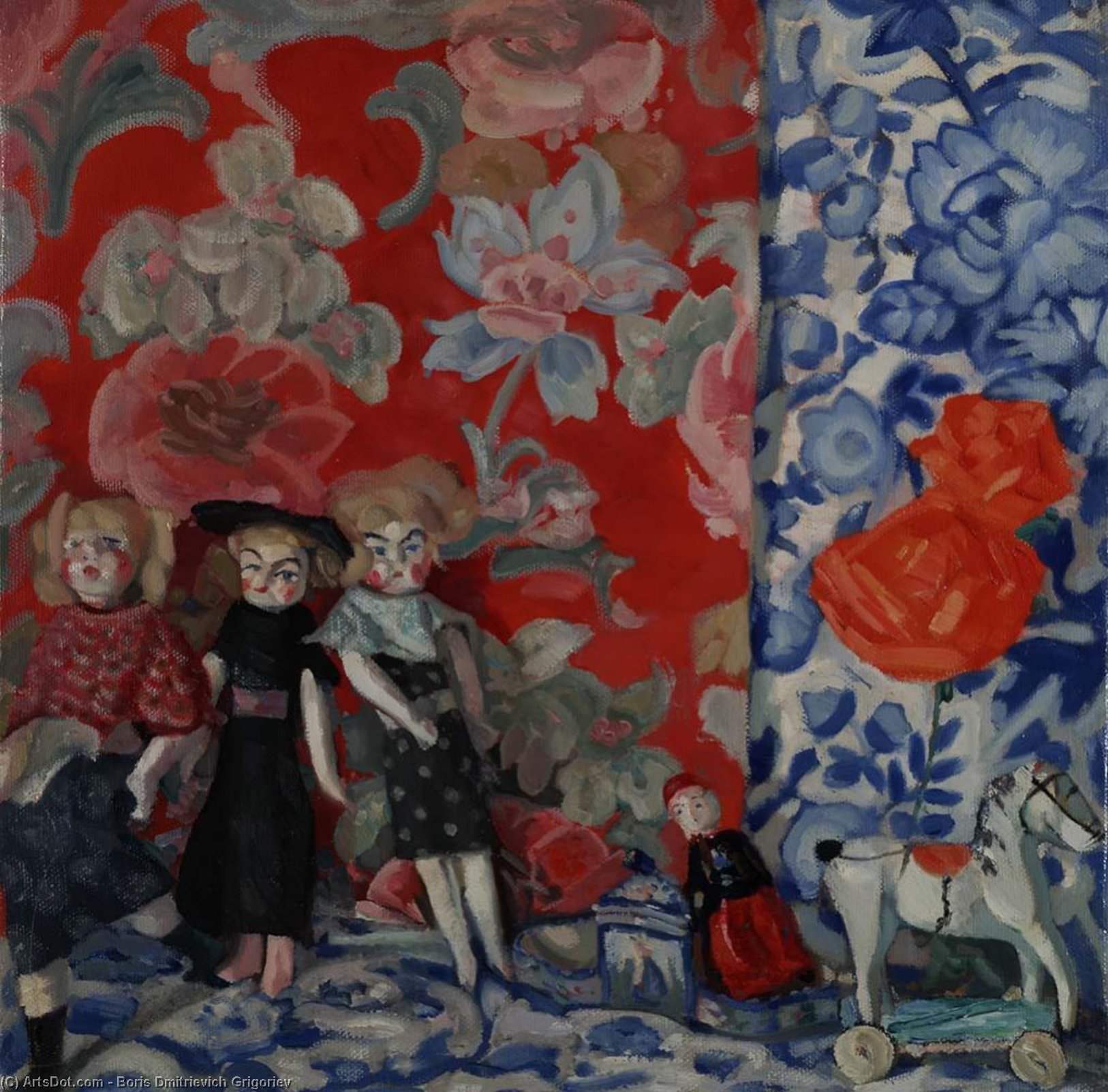
Fair In Brittany

 Ver mais
Giclée / Impressão de Arte
Impressão giclée ou em tela de qualidade de museu, com produção rápida e opções flexíveis de acabamento. ( Encomendar reprodução pintada à mão Ver Imagem Digital)




P118B $10

P118H $10

P118W $10

P438Z $10

P508JH $12

P508YH $12

P805H $10

P805Z $10

P919BZ $10

P919G $10

P919XJ $10

P959ZH $10

P968JZ $12

W106C $8

W218G $10

W218JH $8

W218Y $10

W307PJ $10

W316G $10

W316PJ $8

W316Y $10

W398PJ $8

W4111J $10

W500HY $15

W500JH $15

W692G $12

W849H $8

W940BG $15

W953PJ $8




Escolha entre os nossos tamanhos pré-definidos que respeitam as proporções originais da obra de arte.

Você pode inserir suas próprias dimensões para se ajustar a uma moldura ou espaço específico. Se o tamanho selecionado não corresponder às proporções da imagem original, iremos recortar a obra de arte ou estender a imagem com uma borda espelhada ou preenchimento sólido. Um mockup digital será enviado para sua aprovação antes do início da produção.
Por favor, observe que a visualização na tela não reflete o recorte ou a extensão real. Apenas o mockup mostrará com precisão a composição final.
Embora tamanhos personalizados estejam disponíveis, recomendamos selecionar uma dimensão da lista predefinida para preservar as proporções originais.
Entrega mundial () em 2 semanas, em vez das 4/5 semanas padrão. (26 Setembro)

Envio expresso gratuito para todo o mundo

Tela de Linho Premium

Seguro de transporte total

Garantia de Reembolso de Impostos Alfandegários

Garantia de Fidelidade de Cor

Política de Devolução em 100 Dias (Apenas para Defeitos)

Garantia de reembolso de 100%

Desconto para múltiplas unidades
 A opção de vidro está disponível apenas para tamanhos inferiores a 110 cm

Fair In Brittany
Giclée / Impressão de Arte
Dimensões da Reprodução
-


Preço Total
$ 80
A Vision of Brittany: Decoding Boris Grigoriev’s Enigmatic Composition
Boris Dmitrievich Grigoriev's *Fair In Brittany* is a captivating and unsettling work that exemplifies the artist’s unique position within early 20th-century Russian art. Painted sometime during his period of stylistic exploration, this piece transcends simple representation, offering instead a potent blend of Expressionism and Symbolism that invites deep contemplation. It’s a painting that doesn't merely depict a scene; it evokes a mood – one of wistful melancholy and underlying tension.Subject & Composition: A Divided World
The artwork is strikingly divided into two distinct visual realms. On the left, we are immersed in a dense field of vibrant red, teeming with large, stylized floral blooms—roses and peonies dominating the space. Within this almost claustrophobic garden stand three figures, rendered as doll-like girls. Their elaborate costumes and pensive expressions suggest a sense of detachment or lost innocence. The right side offers a sharp contrast: a meticulously detailed scene reminiscent of blue and white porcelain, depicting a horse and rider. This juxtaposition is key to understanding the painting’s complexity; it's a dialogue between organic chaos and controlled order, passion and restraint.Technique & Style: Impasto & Emotional Color
Grigoriev masterfully employs contrasting techniques to reinforce this duality. The floral side explodes with loose, energetic brushwork and heavy *impasto* – thick layers of paint that create a tactile surface and heighten the emotional intensity. Conversely, the porcelain scene is executed with precision and control, showcasing a refined attention to detail. The color palette is equally significant. The dominant red evokes passion, perhaps even danger or suppressed emotion, while the cool blues and whites offer a counterpoint, suggesting distance or serenity. This deliberate use of color isn’t merely aesthetic; it's deeply emotive, driving the painting’s psychological impact.Historical Context: A Russian Artist in Transition
Born in 1886, Grigoriev navigated a period of immense artistic upheaval in Russia. He initially embraced Impressionism, becoming part of the “Studio of Impressionists” group, before aligning himself with the more avant-garde "World of Art" movement. *Fair In Brittany* reflects this stylistic evolution – it’s not purely Impressionistic but incorporates elements of Symbolism and Expressionism, demonstrating his willingness to experiment and push boundaries. His personal history—born out of wedlock—also subtly informs his work, often exploring themes of alienation and societal constraints.Symbolism & Interpretation: Dolls, Dreams & Disquiet
The doll-like figures are particularly compelling. Their stylized features and painted expressions suggest artificiality, fragility, and a sense of isolation. Are they representations of idealized femininity? Or perhaps symbols of lost childhood or societal expectations imposed upon women? The Breton setting—Brittany being a region steeped in folklore and Celtic mythology—adds another layer of intrigue. The painting feels dreamlike, almost hallucinatory, prompting viewers to question the reality presented before them. It’s a work that resists easy answers, inviting multiple interpretations.Emotional Impact & Aesthetic Appeal
*Fair In Brittany* is not a comfortable painting; it's designed to provoke thought and elicit an emotional response. The unbalanced composition, the unsettling juxtaposition of elements, and the melancholic figures all contribute to a sense of unease. However, this very disquiet is what makes the artwork so compelling. Its bold colors, dynamic brushwork, and intriguing symbolism make it a striking statement piece—ideal for collectors seeking unique and thought-provoking art or interior designers aiming to create spaces that are both visually stunning and intellectually stimulating. It’s a work that stays with you long after you've looked away.Biografia do Artista
Boris Dmitrievich Grigoriev: A Life in Russian Art
Boris Dmitrievich Grigoriev, a figure of profound sensitivity and artistic innovation, remains a compelling enigma within the landscape of early 20th-century Russian art. Born in Rybinsk, Russia, in 1886, his life was marked by an unusual beginning – an illegitimate birth that subtly shaped his perspective and informed the melancholic undertones often found in his work. His mother, Klara von Lindenberg, a woman of Swedish descent, instilled within him a unique blend of cultural influences, contributing to the distinctive character of his artistic vision. Grigoriev’s early years were steeped in an atmosphere of quiet observation, a foundation that would later translate into a remarkable ability to capture the essence of human experience – both the beauty and the sorrow – with startling clarity.Early Years and Artistic Foundations
Grigoriev's formal artistic education began at the Stroganov Art School in Moscow from 1903 to 1907, under the tutelage of Dmitri Shcherbinovsky. This formative period laid the groundwork for his technical skills, introducing him to the principles of line and composition that would become hallmarks of his style. He then continued his studies at the Imperial Academy of Arts in Saint Petersburg until 1913, where he benefited from the guidance of esteemed artists like Alexander Kiselyov and Dmitry Kardovsky. These teachers instilled within him a deep appreciation for tradition while simultaneously encouraging experimentation – a delicate balance that would define his artistic trajectory. It’s worth noting that Grigoriev's brief sojourn in Sweden during 1909, prompted by family ties, proved to be a pivotal experience, exposing him to a different cultural context and deepening his understanding of the Russian soul. This period of introspection and homesickness would resonate throughout his oeuvre, informing his thematic concerns with national identity and belonging.The Embrace of Avant-Garde and Influences
Grigoriev’s artistic style underwent a significant transformation during the first decade of the 20th century, moving from an initial embrace of Impressionism to a bolder exploration of avant-garde techniques. In 1913, he joined the influential *World of Art* (Mir Iskusstva) movement, a gathering place for artists and intellectuals eager to challenge established norms and forge new paths in art. This association exposed him to a diverse range of ideas and perspectives, including those of figures like Mikhail Larionov and Kazimir Malevich. His artistic influences were multifaceted, drawing inspiration from European Impressionists and Post-Impressionists – particularly the vibrant color palettes and emotional intensity of artists such as Van Gogh and Gauguin – alongside a distinctly Russian sensibility rooted in folklore and peasant life. The works of Repin and Shishkin, masters of depicting the Russian landscape and its people, undoubtedly left an indelible mark on his artistic development.Key Works and Recurring Themes
Grigoriev’s most celebrated work, “Rasseïa” (1918), stands as a testament to his desire to understand the fundamental nature of the Russian people – not merely as individuals, but as a living phenomenon within their environment. This ambitious album sought to capture the spirit and essence of Russia through a series of evocative images, reflecting a deep-seated yearning for national identity. Beyond this monumental project, Grigoriev’s portraiture is particularly noteworthy. His portraits of Vsevolod Meyerhold, Maxim Gorky, and Sergei Rachmaninov are not simply likenesses; they are profound psychological studies that reveal the inner lives and personalities of these prominent figures. The series “Faces of Russia” & “Faces of the World” further demonstrate his interest in portraying diverse individuals and cultures, capturing a wide range of human experiences with remarkable sensitivity. Major paintings such as *Sunflowers* (1917-1919), *Village* (1918), and *Peasants in the Field* (1920) exemplify his masterful use of color and composition, creating works that are both visually striking and emotionally resonant. Throughout his career, Grigoriev consistently explored themes of national identity, social observation, and psychological depth – subjects that reflect the turbulent times he lived through and his own complex inner world.Legacy and Historical Significance
Boris Grigoriev’s contribution to Russian art is often underestimated, yet his influence on the development of the avant-garde movement is undeniable. He was a key figure in shaping the artistic landscape of early 20th-century Russia, pushing boundaries and challenging conventions with his innovative style and deeply personal vision. Despite facing challenges during the tumultuous years following the Revolution, Grigoriev continued to create powerful and evocative works that offer valuable insights into the human condition. His paintings are now housed in museums across Russia and beyond, ensuring that his legacy will continue to inspire future generations of artists. He died in Cagnes-sur-Mer, France, in 1939, leaving behind a body of work that stands as a testament to his artistic genius and enduring spirit.
boris dmitrievich grigoriev
1886 - 1939 , Rússia
Informações Rápidas
- Artistic Movement Or Style: Impressionismo e Avant-garde
- Artists Or Movements Influenced By This Artist: ['World of Art']
- Artists Who Influenced This Artist: ['Dmitry Shcherbinovsky']
- Date Of Birth: 1886-07-11
- Date Of Death: 1939-02-07
- Full Name: Boris Dmitrievich Grigoriev
- Nationality: Russo
- Notable Artworks:
- Sunflowers
- Village
- Peasants in the Field
- Place Of Birth: Rybinsk, Rússia
Artigos Relacionados

Expressionismo Alemão: 10 Obras-Primas que Moldaram a Arte Moderna | OriginalUniqueArt
Descubra as 10 obras-primas do Expressionismo Alemão que revolucionaram a arte moderna. Explore a paixão de Munch, Kirchner e Kandinsky! Reproduções de museu em OriginalUniqueArt.com. Explore a coleção online.
Raw Emotion & Bold Strokes: The Definitive Guide to the High-Impact World of Expressionism
Unleash raw emotion in your space. Explore the high-impact world of Expressionism through OriginalUniqueArt.com’s premium hand-painted oil reproductions and custom photo transformations. Bold, confident, and curated for those who live for visual impact. Shop the revolution today!

Top 10 Obras de Arte Audazes para Decorar com Impacto | OriginalUniqueArt.com
Descubra 10 obras de arte audazes que inspiram e transformam! Explore a história por trás de Van Gogh, Picasso, Monet e outros mestres. Encontre reproduções de alta qualidade para decorar sua casa com impacto. OriginalUniqueArt.com: Arte para todos os estilos.

Victor Vasnetsov: Myth, Nationalism & the Revival of Russian Fairy Tale Painting
Explore the captivating world of Victor Vasnetsov, a co-founder of Russian folklorist painting. Discover his iconic works, influence on national identity, and lasting legacy in this expert guide.

Ivan Bilibin: A Synthesis of Folklore, Modernism & National Identity in Russian Illustration
Explore the enchanting world of Ivan Bilibin, a master Russian illustrator who synthesized folklore, Art Nouveau & national identity. Discover his iconic fairy tale illustrations and legacy with OriginalUniqueArt.