
 Visualizar na parede
 Compartilhar
 Compartilhar
 Detalhes

 Baixar imagem
 Semelhantes
 Raio X
 Slideshow
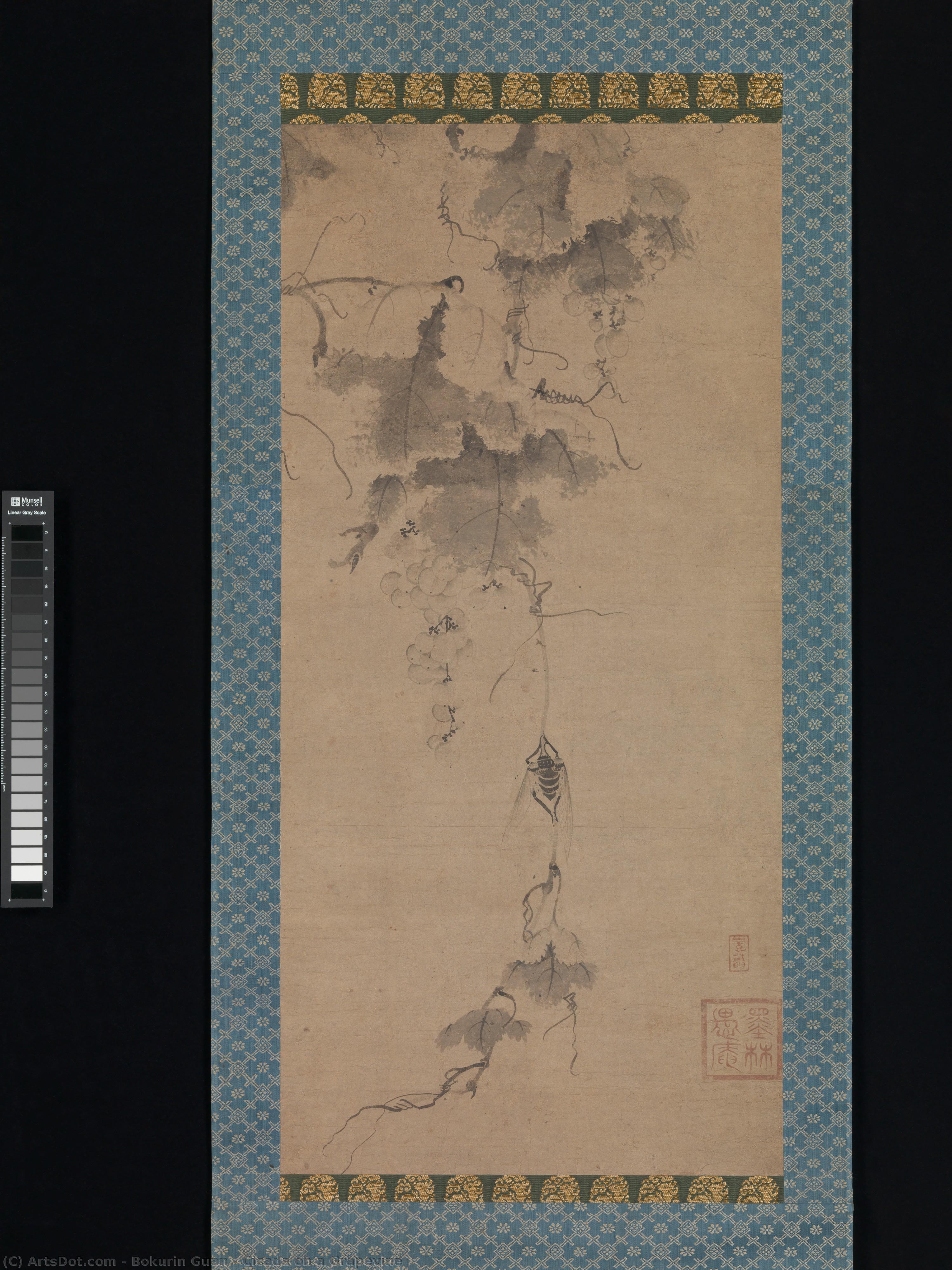
Cicada on a Grapevine
 Ink Painting
 301
301 64.0cm x 31.0cm
 Ler mais
Reprodução em Óleo Feita à Mão
Óleo sobre tela pintado à mão no tamanho e moldura de sua escolha, feito sob encomenda pelos nossos artistas. ( Comprar impressão Comprar imagem)




































Escolha entre os nossos tamanhos pré-definidos que respeitam as proporções originais da obra de arte.

Pode inserir as suas próprias dimensões para se adequar a uma moldura ou espaço específico. Se o tamanho selecionado não corresponder às proporções da imagem original, iremos cortar a obra de arte ou estender a pintura com elementos adicionais pintados à mão. Um esboço digital será enviado para sua aprovação antes do início da produção.
Tenha em atenção que a pré-visualização no ecrã não reflete o corte ou extensão real. Apenas o esboço mostrará com precisão a composição final.
Embora tamanhos personalizados estejam disponíveis, recomendamos selecionar uma dimensão da lista predefinida para preservar as proporções originais.
Após o pedido, a equipa OriginalUniqueArt.com enviará um e-mail ao cliente para solicitar instruções e fornecer uma prévia do esboço.
Entrega mundial () em 3 a 4 semanas, em vez das 5 semanas padrão. (30 Agosto). Sem comprometer a qualidade.

Envio expresso gratuito para todo o mundo

Tela de Linho de Alta Qualidade

Seguro de transporte completo

Garantia de Reembolso de Impostos Alfandegários

Garantia de Fidelidade Cromática

Política de Devolução em 60 Dias (Apenas para Defeitos)

Garantia de reembolso de 100%

Oferta de desconto por quantidade
 A opção de vidro está disponível apenas para tamanhos inferiores a 110 cm

Cicada on a Grapevine
Técnica de Reprodução
Tamanho da Reprodução
-


Preço Total
$ 300
A Moment of Serenity: "Cicada on a Grapevine" by Bokurin Guan
This exquisite ink painting, “Cicada on a Grapevine,” offers a captivating glimpse into 14th-century Japanese artistry. Created by the Zen monk Bokurin Guan, this monochrome masterpiece embodies the principles of *sumi-e* (ink wash painting), a revered tradition emphasizing simplicity, observation, and spiritual contemplation. The artwork depicts a solitary cicada clinging to a withered grapevine, capturing a poignant moment at the close of summer. It was originally part of a diptych; its companion piece, now housed in Kyoto’s Honpōji temple, portrays a grasshopper amidst vibrant foliage – a contrasting scene representing the peak of summer's vitality.Style and Technique: The Essence of *Sumi-e*
Bokurin Guan demonstrates remarkable skill within the *sumi-e* tradition. The painting’s power lies not in elaborate detail, but in the masterful use of ink tones to suggest form, texture, and depth. Notice how varying brushstrokes – from delicate washes to bold lines – create a sense of movement and life despite the monochromatic palette. The artist's controlled handling of the brush reveals a disciplined technique honed through rigorous training. The subtle gradations of grey evoke the fading light of late summer, contributing to the painting’s overall mood of quiet reflection.- Monochrome Palette: The exclusive use of black ink emphasizes form and texture over color.
- Brushwork: A variety of brushstrokes create depth, movement, and a sense of spontaneity.
- *Sumi-e* Tradition: Rooted in Zen Buddhism, this style prioritizes simplicity and capturing the essence of nature.
Symbolism & Historical Context: Perpetuity and Zen Philosophy
Beyond its aesthetic beauty, "Cicada on a Grapevine" is rich with symbolic meaning. Grapevines, laden with fruit, have long been associated in East Asian cultures with fecundity, abundance, and the concept of perpetuity – an enduring cycle of life, death, and rebirth. The cicada itself holds significant cultural weight; its emergence from the earth after years spent underground symbolizes transformation and immortality. The pairing of these elements within a Zen Buddhist context suggests a meditation on impermanence and the cyclical nature of existence. Living in the late 14th century, Guan’s work reflects the artistic trends of the Muromachi period, characterized by a shift towards more naturalistic depictions and an increased emphasis on individual expression within established traditions. While little is definitively known about Bokurin Guan himself, his painting speaks volumes about his understanding of Zen principles and his keen observation of the natural world.Emotional Impact & Decorative Appeal
"Cicada on a Grapevine" evokes a sense of tranquility and contemplative stillness. The solitary cicada, poised against the backdrop of the fading vine, invites quiet reflection on the passage of time and the beauty of impermanence. This piece is not merely a depiction of nature; it's an invitation to mindfulness. As a decorative element, this reproduction would be stunning in a variety of settings – from minimalist modern spaces to traditional Japanese-inspired interiors. Its understated elegance and timeless appeal make it a captivating addition to any art collection or home décor scheme. The muted tones lend themselves well to both light and dark color palettes, creating a harmonious visual balance within the room.Biografia do Artista
A Moment Frozen in Time: Bokurin Guan and the Legacy of Cicada on a Grapevine
The late Nanbokuchō period (1336–92) witnessed a flourishing artistic landscape in Japan, marked by intricate detail and profound contemplation. Amidst this vibrant scene emerged Bokurin Guan (墨林愚庵筆), an artist whose singular masterpiece – “Cicada on a Grapevine” – continues to resonate with scholars and admirers alike. While biographical details surrounding Guan remain elusive, his work speaks volumes about the artistic sensibilities of his era and establishes him as a pivotal figure in Japanese ink painting tradition.- Early Life & Artistic Training: Precise information regarding Guan’s birthdate and formative years is scarce. However, he was recognized as a student of Sesshu Toyokuni (西十字豊國), arguably Japan's most influential painter of the Nanbokuchō period. Sesshu championed a minimalist aesthetic rooted in Zen Buddhism—a philosophy that profoundly impacted Guan’s artistic vision.
- The Cicada on a Grapevine: This small but monumental painting, housed at The Metropolitan Museum of Art, exemplifies Guan's mastery of technique and his ability to distill complex ideas into deceptively simple forms. Executed in delicate ink wash (sumi-e), the scene depicts a single cicada clinging to a withered grapevine branch against a pale grey background. The composition is remarkably balanced, prioritizing spatial harmony over dramatic gesture.
- Influence & Legacy: Bokurin Guan’s “Cicada on a Grapevine” stands as a testament to the enduring power of minimalist aesthetics and contemplative observation. It has served as an inspiration for subsequent generations of ink painters, who sought to emulate Guan's serene style and profound understanding of Zen philosophy.
- Historical Significance: Guan’s work embodies the spirit of his time—a period marked by political instability yet simultaneously characterized by a deep appreciation for natural beauty and spiritual contemplation. “Cicada on a Grapevine” remains a cornerstone of Japanese art history, demonstrating that true artistic achievement lies not in grand spectacle but in capturing the essence of existence with understated grace.

bokurin guan
Japan
Dados Rápidos
- Artistic Movement Or Style: Ink Painting
- Full Name: bokurin guan
- Nationality: Japanese
- Notable Artworks: ['Cicada on a Grapevine']
- Place Of Birth: Tokyo, Japan
Artigos Relacionados
The Alchemy of Ink: Mastering the Timeless Beauty and Art History of Paper and Brush
Embark on a sophisticated exploration of ink wash painting and Sumi-e. Uncover the profound historical lineages, Zen philosophies, and technical mastery behind this timeless medium in our authoritative guide for fine art enthusiasts.

Ephemeral Expressions: Exploring the Nuances of Ink on Paper Through History & Contemporary Art
Explore the captivating world of ink wash painting – from its ancient origins to contemporary masters. Discover techniques, symbolism & conservation insights with OriginalUniqueArt.com.

Katsushika Hokusai: As 25 Obras-Primas que Definem um Mestre da Arte Japonesa
Descubra as 25 obras-primas de Katsushika Hokusai, o mestre do ukiyo-e! Explore a história por trás de 'A Grande Onda' e outras gravuras japonesas icônicas. Encontre reproduções de arte exclusivas para decorar sua casa com elegância em OriginalUniqueArt.com.

Zen on Canvas: The Timeless Beauty and Spiritual Depth of Japanese Landscape Painting
Explore the profound serenity of Japanese landscape painting. From Hokusai's waves to Zen-inspired ink washes, discover the history, technique, and spiritual depth of Ukiyo-e masters in this expert art historical guide for collectors and enthusiasts.
Serenity on Canvas: A Guide to the Timeless Beauty of Japanese Landscape Painting
Discover the serene beauty of Japanese landscape painting. From Hokusai's iconic woodblock prints to meditative sumi-e ink washes, explore a visual journey through the 'floating world' and learn how to bring this timeless Zen aesthetic into your modern home decor.

