
 Visualizar na parede
 Compartilhar
 Compartilhar
 Detalhes
 Guia
Guia

 Baixar imagem
 Semelhantes
 Raio X
 Ver diaporama
 Estatísticas
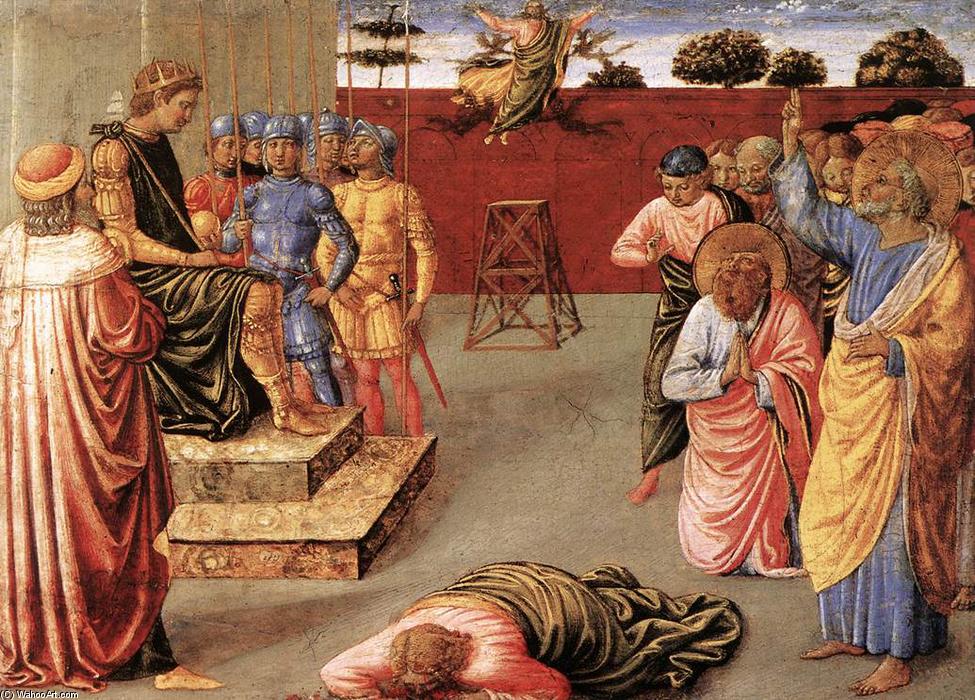
Fall of Simon Magus
 Oil On Canvas
- WallArt
 1461
1461 24.0 x 35.0 cm
 Royal Collection
 Ler mais
Giclée / Impressão de Arte
Impressão giclée ou em tela de qualidade de museu, com produção rápida e opções flexíveis de acabamento. ( Comprar pintura feita à mão Alternar para Imagem Digital)




P118B €10

P118H €10

P118W €10

P438Z €10

P508JH €12

P508YH €12

P805H €10

P805Z €10

P919BZ €10

P919G €10

P919XJ €10

P959ZH €10

P968JZ €12

W106C €8

W218G €10

W218JH €8

W218Y €10

W307PJ €10

W316G €10

W316PJ €8

W316Y €10

W398PJ €8

W4111J €10

W500HY €15

W500JH €15

W692G €12

W849H €8

W940BG €15

W953PJ €8




Escolha entre os nossos tamanhos pré-definidos que respeitam as proporções originais da obra de arte.

Insira a largura e a altura desejadas para se ajustarem à sua moldura ou parede. Uma impressão pode ser apenas cortada, nunca ampliada além da imagem original; portanto, um tamanho com proporções diferentes resultará na perda de parte da imagem. Enviamos uma maquete digital para sua aprovação antes de realizarmos a impressão. A imagem exibida nesta página não mostra o corte real — apenas a maquete o faz.
Entrega mundial () em 2 semanas, em vez das 4/5 semanas padrão. (26 Outubro)

Envio expresso gratuito para todo o mundo

Tela de Linho de Alta Qualidade

Seguro de transporte completo

Garantia de Reembolso de Impostos Alfandegários

Garantia de Fidelidade Cromática

Política de Devolução em 100 Dias (Apenas para Defeitos)

Garantia de reembolso de 100%

Oferta de desconto por quantidade
 A opção de vidro está disponível apenas para tamanhos inferiores a 110 cm

Fall of Simon Magus
Giclée / Impressão de Arte
Tamanho da Reprodução
-


Preço Total
€ 70
The Fall of Simon Magus: A Triumph of Venetian Gothic Style
Benozzo Gozzoli’s “Fall of Simon Magus,” painted in 1461-62, stands as a remarkable testament to the burgeoning artistic fervor of Renaissance Florence and its embrace of international stylistic influences. Commissioned for the altarpiece of Santa Maria della Purificazione e di San Zanobi—a confraternity dedicated to Saint Peter and Saint Paul—the panel embodies Gozzoli’s masterful command of Venetian Gothic, marking him as a pivotal figure in bridging the gap between medieval grandeur and humanist innovation.
- Subject Matter: The artwork recounts an episode from Jacobus de Voragine's *Golden Legend*, depicting Simon Magus’ audacious attempt to ascend to heaven by launching himself from a tower, fueled by ambition and defiance of divine authority. Peter, guided by Nero’s counsel, intervenes, commanding the demonic forces supporting Simon to release his grip on the earth.
- Style & Technique: Gozzoli employed tempera paint on poplar panel—a technique favored for its vibrancy and durability—resulting in a luminous surface adorned with intricate detail. The Venetian Gothic style is evident in the elongated figures, expressive drapery, and dramatic composition, reflecting the stylistic trends prevalent in Venice at the time.
- Historical Context: Painted during a period of intense artistic experimentation, “Fall of Simon Magus” aligns itself with the broader Renaissance preoccupation with moral allegory and biblical narratives. It speaks to themes of faith versus heresy, humility versus pride—concepts central to humanist thought.
Composition & Symbolism: A Dynamic Narrative
The painting’s dynamism is immediately striking. Gozzoli skillfully orchestrates a complex visual narrative, utilizing diagonal lines and overlapping planes to convey movement and tension. The central figure of Simon Magus dominates the composition, positioned precariously atop the tower—a symbol of ambition and earthly aspiration—while angels descend from above, representing divine intervention and judgment. Nero’s presence on the left underscores the imperial patronage that fueled artistic endeavors during this era.
- Color Palette: Gozzoli utilizes a rich color palette characterized by deep reds, blues, and golds—colors traditionally associated with royalty and piety—to heighten the emotional impact of the scene. The luminous hues contribute to the overall sense of grandeur and drama.
- Symbolic Imagery: Beyond its narrative content, “Fall of Simon Magus” incorporates symbolic imagery that reinforces its moral message. The tower represents ambition and pride, while the angels embody divine grace and redemption. The depiction of Simon’s lifeless body serves as a poignant reminder of earthly mortality.
Legacy & Influence
"Fall of Simon Magus" exemplifies Gozzoli's artistic genius and solidified his reputation as one of Florence’s foremost painters. Its influence extended beyond its immediate commission, inspiring subsequent artists to explore similar stylistic approaches and thematic concerns. Today, the panel resides in Hampton Court Palace, where it continues to captivate viewers with its masterful execution and enduring beauty—a timeless masterpiece that encapsulates the spirit of Renaissance art.
For more information on Benozzo Gozzoli and his works, visit Benozzo Gozzoli on Wikipedia. Handmade oil paintings reproductions of the Fall of Simon Magus can be found at OriginalUniqueArt.comPerguntas e Respostas
Quais são as dimensões da obra original "Fall of Simon Magus", de Benozzo Gozzoli?
"Fall of Simon Magus" mede 24 x 35 cm em sua forma original. As dimensões originais são uma referência útil ao escolher o tamanho de uma reprodução.
Que sensação as cores de "Fall of Simon Magus", de Benozzo Gozzoli transmitem?
A paleta Dark de "Fall of Simon Magus", de Benozzo Gozzoli harmoniza-se com seu tom emocional Dramatic. A cor é uma das formas pelas quais uma obra transmite sentimento.
As cores de "Fall of Simon Magus", de Benozzo Gozzoli são saturadas ou suaves?
As cores de "Fall of Simon Magus", de Benozzo Gozzoli possuem uma saturação Clear Color Presence. A saturação descreve o quão vívidas ou suaves são as cores.
Biografia do Artista
Early Life and Training
Benozzo Gozzoli (b. ca. 1420, Firenze, Italy—died Oct. 4, 1497, Pistoia) was an italian renaissance painter from florence, best known for his series of murals in the palazzo medici-riccardi, depicting festive, vibrant processions with fine attention to detail and a pronounced international gothic influence. As a young artist, gozzoli was a pupil and assistant of the renowned painter fra angelico. Some of his early works, such as those in the convent of san marco in florence, were executed after fra angelico's designs. This training laid the foundation for gozzoli’s future success. He was born to Sandro di Lese and Margherita Pizzorno, a family of modest means but with connections to Florentine civic life. Little is known about his formative years beyond this basic biographical information. His artistic education began under fra angelico's tutelage at San Marco, where he honed his skills in fresco painting and developed an appreciation for the stylistic conventions of international gothic art—a style characterized by rich ornamentation, stylized figures, and a luminous palette that would permeate much of his subsequent work.Notable Works and Collaborations
Gozzoli’s artistic career blossomed during the Florentine Renaissance, marked by patronage from influential families like the Medici. He collaborated extensively with Lorenzo Ghiberti on the third bronze door of the baptistery in florence (1444-1447), contributing to its intricate sculptural decoration alongside his brother Vittorio. This project solidified gozzoli’s reputation as a skilled craftsman and exposed him to the artistic currents circulating at the time. Furthermore, he worked closely with fra angelico on frescoes commissioned for the chapel of pope nicholas v in the vatikan (1447), creating serene depictions of biblical scenes infused with angelic grace—a testament to their shared aesthetic sensibilities. His involvement in the decoration of santa maria in aracoeli also showcased his versatility and ability to adapt to diverse artistic contexts. Perhaps his most ambitious undertaking was the fresco cycle for the campo santo in pisa (1469-1485), a monumental project reflecting the grandeur of the era and demonstrating gozzoli’s mastery of landscape painting and narrative composition. The “Procession of the Magi” within this cycle stands as one of his crowning achievements, capturing the dynamism and splendor of a medieval procession with remarkable realism and expressive detail—a masterpiece that embodies the spirit of international gothic style.Artistic Style and Legacy
Gozzoli’s artistic style distinguished itself by its meticulous attention to detail and unwavering commitment to stylistic conventions—particularly those associated with international gothic art. Unlike many of his contemporaries who embraced linear perspective, gozzoli prioritized decorative richness and expressive color, creating images that captivated the eye and conveyed profound spiritual meaning. His frescoes are renowned for their luminous palettes, intricate drapery folds, and exquisitely rendered figures—a hallmark of his distinctive artistic vision. He achieved considerable fame during his lifetime, attracting commissions from prominent patrons throughout tuscany and umbria. Gozzoli’s legacy extends beyond his individual artworks; he helped to establish a new aesthetic paradigm that influenced subsequent generations of painters—demonstrating the enduring impact of his creative genius on italian art history. His work continues to inspire admiration for its beauty, sophistication, and profound symbolic resonance.Major Achievements
Benozzo Gozzoli’s artistic accomplishments include:- The “Journey of the Magi” fresco cycle in Palazzo Medici Riccardi (1459-1461): A seminal achievement in international gothic style, showcasing masterful landscape depiction and portraiture.
- Collaboration with Lorenzo Ghiberti on the Baptistery Doors (1444-1447): Contributing to a monumental sculptural project that elevated Florentine art to new heights.
- Frescoes for Santa Maria in Aracoeli (1458): Demonstrating his ability to execute complex commissions under papal patronage.
- The Campo Santo Frescoes in Pisa (1469-1485): A vast undertaking reflecting the artistic fervor of the Florentine Renaissance and cementing his reputation as a prolific artist.

Benozzo Gozzoli
1420 - 1497 , Itália
Dados Rápidos
- Artistic Movement Or Style: International Gothic
- Artists Who Influenced This Artist:
- Fra Angelico
- Lorenzo Ghiberti
- Date Of Birth: ca. 1420
- Date Of Death: Oct. 4, 1497
- Full Name: Benozzo di Lese
- Nationality: Florentine
- Notable Artworks:
- Journey of the Magi
- Scenes from St Francis
- Place Of Birth: Florence, Italy
Artigos Relacionados

Benozzo Gozzoli: Narrative Innovation & Secular Humanism in Early Renaissance Frescoes
Explore the innovative frescoes of Benozzo Gozzoli, a key Florentine Renaissance painter. Discover his unique blend of religious narrative, secular humanism & detailed portraiture in masterpieces like the Magi Chapel cycle.
Late Medieval Masterpieces: 10 Artworks That Defined an Era | OriginalUniqueArt
Journey through 10 defining Late Medieval masterpieces – from Giotto's frescoes to Jan van Eyck’s realism. Explore the stories, techniques & vibrant colors of Gothic art. Find museum-quality reproductions and elevate your home decor with OriginalUniqueArt.com! Discover all masterpieces on OriginalUniqueArt.com
High Medieval Art: 10 Masterpieces That Shaped an Era | OriginalUniqueArt
Journey through High Medieval Art! Explore 10 iconic masterpieces – from Giotto's frescoes to stunning Gothic cathedrals. Discover the stories behind these timeless paintings, sculptures & illuminated manuscripts. Find museum-quality art reproductions at OriginalUniqueArt.com.
Simon Vouet: A Baroque Master's Journey from Italian Influence to French Classicism
Explore the life & art of Simon Vouet, a pivotal French Baroque painter who introduced Italian styles to France. Discover his masterpieces and lasting influence on 17th-century art.

Divine Light & Golden Splendor: A Journey Through the Sacred Grandeur of High Medieval Art
Embark on a soulful journey through High Medieval art. Explore the divine light of Gothic cathedrals, Byzantine splendor, and sacred masterpieces that shaped Western history with our expert-led cultural reflections.


