Visualizar na parede
 Compartilhar
 Compartilhar
 Detalhes
 Guia
Guia

 Baixar imagem
 Semelhantes
 Raio X
 Ver diaporama
 Estatísticas
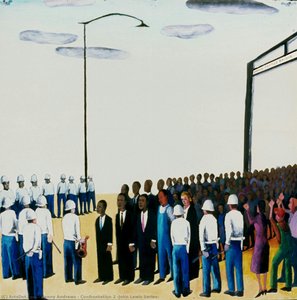
Segregation (John Lewis Series)


 Ler mais
A obra de arte exibida nesta página é protegida por leis de direitos autorais, o que significa que não podemos criar ou vender legalmente uma reprodução idêntica. Esta proteção é aplicada por meio de acordos internacionais, tais como a Convenção de Berna e pelas leis nacionais, incluindo as estabelecidas por Lei de Direitos Autorais dos EUA - Título 17.
Este método cumpre plenamente as regulamentações de direitos autorais, pois não envolve a cópia ou duplicação da obra protegida. Em vez disso, trata-se de uma reinterpretação criativa — uma nova pintura que é influenciada pela original, mas não idêntica a ela.
Giclée / Impressão de Arte
Impressão giclée ou em tela de qualidade de museu, com produção rápida e opções flexíveis de acabamento. ( Comprar pintura feita à mão Alternar para Imagem Digital)




P118B €10

P118H €10

P118W €10

P438Z €10

P508JH €12

P508YH €12

P805H €10

P805Z €10

P919BZ €10

P919G €10

P919XJ €10

P959ZH €10

P968JZ €12

W106C €8

W218G €10

W218JH €8

W218Y €10

W307PJ €10

W316G €10

W316PJ €8

W316Y €10

W398PJ €8

W4111J €10

W500HY €15

W500JH €15

W692G €12

W849H €8

W940BG €15

W953PJ €8




Escolha entre os nossos tamanhos pré-definidos que respeitam as proporções originais da obra de arte.

Insira a largura e a altura desejadas para se ajustarem à sua moldura ou parede. Uma impressão pode ser apenas cortada, nunca ampliada além da imagem original; portanto, um tamanho com proporções diferentes resultará na perda de parte da imagem. Enviamos uma maquete digital para sua aprovação antes de realizarmos a impressão. A imagem exibida nesta página não mostra o corte real — apenas a maquete o faz.
Entrega mundial () em 2 semanas, em vez das 4/5 semanas padrão. (26 Outubro)

Envio expresso gratuito para todo o mundo

Tela de Linho de Alta Qualidade

Seguro de transporte completo

Garantia de Reembolso de Impostos Alfandegários

Garantia de Fidelidade Cromática

Política de Devolução em 100 Dias (Apenas para Defeitos)

Garantia de reembolso de 100%

Oferta de desconto por quantidade
 A opção de vidro está disponível apenas para tamanhos inferiores a 110 cm

Segregation (John Lewis Series)
Giclée / Impressão de Arte
Tamanho da Reprodução
-


Preço Total
€ 70
Segregation (John Lewis Series) – A Portrait of Resilience
- Artist: Benny Andrews
- Born: November 13, 1930, Plainview, Georgia
- Died: 2006
- Birth City: Plainview
- Birth Country: United States of America
Style & Technique: Impressionistic Echoes
The painting “Segregation” exemplifies Andrews’s distinctive impressionistic style—a technique characterized by capturing fleeting moments of light and color rather than precise detail. Brushstrokes are loose and blended, creating a textured surface that conveys atmosphere and emotion more powerfully than photographic realism. The artist skillfully employs muted hues – predominantly browns and greens – to evoke a sense of quiet contemplation and understated dignity. Andrews’s meticulous attention to composition guides the viewer's gaze toward the central figure, emphasizing his contemplative posture and interaction with the architectural backdrop.Historical Context & Narrative Significance
Created in 2005, “Segregation” belongs to Andrews’s “John Lewis Series,” which explores themes of social justice and perseverance amidst adversity. The painting depicts a man standing before a building adorned with a clock tower—a symbol of time passing and the enduring legacy of historical struggles. The inclusion of a book represents knowledge, reflection, and the pursuit of understanding – qualities crucial to confronting injustice. Furthermore, the presence of a fire hydrant speaks to practicality and resilience, grounding the image in everyday life while simultaneously conveying a broader message about overcoming obstacles.Symbolism & Emotional Resonance
Andrews’s masterful use of color contributes significantly to the painting's emotional impact. The subdued palette fosters a feeling of solemnity and introspection, inviting viewers to contemplate the subject’s gaze and posture. The clock tower serves as a reminder that progress is often slow and requires unwavering determination. Ultimately, “Segregation” transcends mere depiction; it embodies Andrews’s belief in the transformative power of art—a testament to human spirit and an invitation to engage with profound questions about social responsibility.Interior Design Considerations
“Segregation” would lend itself beautifully to interior spaces seeking a touch of contemplative elegance. Its muted tones harmonize seamlessly with neutral palettes, creating a calming backdrop for conversation or reflection. The textured surface adds visual interest and depth, complementing contemporary furniture designs. Collectors interested in supporting artists who champion social justice will find this piece particularly compelling—a timeless artwork that speaks volumes about human resilience and the importance of intellectual engagement.Perguntas e Respostas
"Segregation (John Lewis Series)", de Benny Andrews está em domínio público?
"Segregation (John Lewis Series)", de Benny Andrews está em ainda protegido por direitos autorais. Este status determina como a imagem da obra pode ser reproduzida.
"Segregation (John Lewis Series)", de Benny Andrews, está em domínio público? E por quê?
"Segregation (John Lewis Series)", de Benny Andrews está em ainda protegido por direitos autorais. O período de direitos autorais conta a partir do falecimento do artista, ocorrido em 2006.
A obra "Segregation (John Lewis Series)", de Benny Andrews, pertencente ao acervo do National Center for Civil and Human Rights, pode ser reproduzida legalmente?
A obra original "Segregation (John Lewis Series)" encontra-se no National Center for Civil and Human Rights, e a obra está em ainda protegido por direitos autorais.
Biografia do Artista
Benny Andrews: Vida e Legado
Primeiros Anos e Formação
- Nascimento: 13 de novembro de 1930, em Plainview, Geórgia.
- Andrews cresceu em uma numerosa família de dez filhos. Sua mãe, Viola, instilou nele a importância da educação, da religião e da liberdade de expressão.
- Influências Iniciais: Seu pai, George Andrews, era um artista autodidata conhecido localmente como o “Dot Man”, quem despertou o interesse inicial de Benny pela arte.
- Ele frequentou o Fort Valley College com uma bolsa de estudos de dois anos, mas precisou deixar os estudos devido a restrições financeiras e dificuldades acadêmicas.
- Andrews serviu na Força Aérea dos EUA a partir de 1950, antes de buscar treinamento artístico formal.
Desenvolvimento Artístico e Carreira
- Andrews obteve seu BFA pela School of the Art Institute of Chicago.
- Sua primeira exposição individual ocorreu em Nova York, em 1962, marcando um passo significativo em sua trajetória profissional.
- De 1968 a 1997, Andrews dedicou-se ao magistério no Queens College, da City University of New York.
- Programa de Artes Prisionais: Ele fundou e dirigiu um inovador programa de artes prisionais que se tornou um modelo nacional para a reabilitação por meio da expressão artística.
- Sua obra evoluiu para um estilo expressivo, caracterizado por cores e formas audaciosas, utilizadas para transmitir emoções poderosas e comentários sociais.
Temas e Influências
- Temas Centrais: A arte de Andrews abordava frequentemente temas como o sofrimento, a injustiça, a desigualdade racial e a experiência afro-americana.
- Sua obra muitas vezes servia como um protesto visual contra as questões sociais e políticas de sua época.
- Ele buscava inspiração em experiências pessoais, observações do cotidiano e eventos históricos.
- Influências Artísticas: Ao desenvolver seu estilo único, Andrews foi influenciado por diversos movimentos artísticos, incluindo o Expressionismo e o Realismo Social.
Obras Notáveis
- Confrontation 2 (Série John Lewis): Uma pintura poderosa que reflete sobre o Movimento dos Direitos Civis e as lutas pela igualdade.
- No More Games: Uma obra que confronta questões de injustiça social e desigualdade com emoção crua.
- Death of the Crow (1965): Um exemplo precoce de seu estilo expressivo, executado em óleo sobre tela em preto e branco.
Legado e Significância Histórica
- O trabalho de Benny Andrews integra coleções de museus renomados, como a Museum Collection Hugo Fischer (Bühl, Alemanha) e o Ogden Museum of Southern Art, em Nova Orleans.
- Impacto na Educação Artística: Seu programa de artes prisionais demonstrou o poder transformador da arte para indivíduos que enfrentam o encarceramento.
- As contribuições artísticas de Andrews ajudaram a aumentar a conscientização sobre questões sociais e a promover o diálogo em torno de raça, desigualdade e justiça.
- Ele faleceu em 10 de novembro de 2006, deixando um legado duradouro como artista, educador e defensor da mudança social.

Benny Andrews
1930 - 2006 , Estados Unidos
Dados Rápidos
- Dot Man')", 'Movement: Expressionismo
- Birth Date: 13 de novembro de 1930
- Birth Place: Plainview, Geórgia, EUA
- Death Date: 10 de novembro de 2006
- Influenced: Nenhum, 'influenced by':
- Name: Benny Andrews
- Nationality: Americano
- Notable Works:
- Confrontation 2 (Série John Lewis)
- No More Games
- Death of the Crow
Artigos Relacionados

Grant Wood & American Regionalism: Identity, Myth & the Rural Landscape
Explore the world of Grant Wood & American Regionalism with OriginalUniqueArt. Discover the symbolism behind 'American Gothic', recurring themes, and the movement's lasting impact on art history. High-quality reproductions available.
John Frederick Lewis: Orientalism, Detail & Genre Painting in 19th-Century British Art
Explore the captivating Orientalist paintings of John Frederick Lewis! Discover his mastery of detail, genre scenes & influence on 19th-century British art. Learn about his life, techniques & legacy at OriginalUniqueArt.

John Constable: As 25 Obras-Primas que Definem o Mestre da Paisagem Inglesa | OriginalUniqueArt
Descubra as 25 obras-primas de John Constable, o mestre da paisagem inglesa! Explore a arte romântica, cores vibrantes e histórias fascinantes por trás de 'Hay Wain' e outras pinturas icônicas. Encontre reproduções de alta qualidade para decorar sua casa com OriginalUniqueArt.com.
James Otto Lewis: Navigating American Modernism Through Regional Identity & Stylistic Innovation
Explore the captivating portraits of James Otto Lewis, a pivotal figure bridging 19th-century realism & American Modernism. Discover his groundbreaking work documenting Native American culture and regional identity.

John Singer Sargent: As 25 Obras-Primas que Definem um Ícone da Arte
Descubra as 25 obras-primas de John Singer Sargent, o mestre do retrato e do impressionismo americano. Explore a história, técnica e beleza atemporal de seus quadros mais famosos. Encontre reproduções de arte exclusivas para decorar sua casa com elegância em OriginalUniqueArt.com.