Visualizar na parede
 Compartilhar
 Compartilhar
 Detalhes

 Baixar imagem
 Semelhantes
 Raio X
 Slideshow
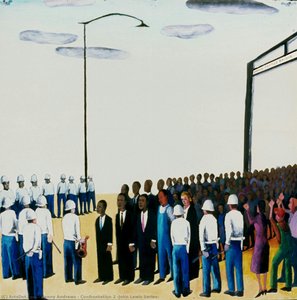
Field Workers (John Lewis Series)


 Ler mais
Giclée / Impressão de Arte
Impressão giclée ou em tela de qualidade de museu, com produção rápida e opções flexíveis de acabamento. ( Comprar pintura feita à mão Comprar imagem)




P118B $10

P118H $10

P118W $10

P438Z $10

P508JH $12

P508YH $12

P805H $10

P805Z $10

P919BZ $10

P919G $10

P919XJ $10

P959ZH $10

P968JZ $12

W106C $8

W218G $10

W218JH $8

W218Y $10

W307PJ $10

W316G $10

W316PJ $8

W316Y $10

W398PJ $8

W4111J $10

W500HY $15

W500JH $15

W692G $12

W849H $8

W940BG $15

W953PJ $8




Escolha entre os nossos tamanhos pré-definidos que respeitam as proporções originais da obra de arte.

Você pode inserir suas próprias dimensões para se ajustar a uma moldura ou espaço específico. Se o tamanho selecionado não corresponder às proporções da imagem original, iremos recortar a obra de arte ou estender a imagem com uma borda espelhada ou preenchimento sólido. Um mockup digital será enviado para sua aprovação antes do início da produção.
Por favor, observe que a visualização na tela não reflete o recorte ou a extensão real. Apenas o mockup mostrará com precisão a composição final.
Embora tamanhos personalizados estejam disponíveis, recomendamos selecionar uma dimensão da lista predefinida para preservar as proporções originais.
Entrega mundial () em 2 semanas, em vez das 4/5 semanas padrão. (31 Agosto)

Envio expresso gratuito para todo o mundo

Tela de Linho de Alta Qualidade

Seguro de transporte completo

Garantia de Reembolso de Impostos Alfandegários

Garantia de Fidelidade Cromática

Política de Devolução em 60 Dias (Apenas para Defeitos)

Garantia de reembolso de 100%

Oferta de desconto por quantidade
 A opção de vidro está disponível apenas para tamanhos inferiores a 110 cm

Field Workers (John Lewis Series)
Giclée / Impressão de Arte
Tamanho da Reprodução
-


Preço Total
$ 80
The Enduring Rhythm of Labor: A Glimpse into American Resilience
Benny Andrews’ depiction, Field Workers (John Lewis Series), transports the viewer to a scene steeped in the sweat and shared purpose of agricultural life. This painting is far more than a mere record of manual labor; it is a profound meditation on community, endurance, and the foundational rhythms that built the American landscape. The composition immediately draws the eye into the deep, rich earth being turned by the plow. Here, we see not just tools and animals, but the interwoven lives of men, women, and children, all participating in this essential, back-breaking task. The very act of plowing becomes a powerful metaphor for the collective effort required to cultivate something meaningful—be it a harvest or a better future.
Symbolism Woven into the Soil
The inclusion of the two horses pulling the plow adds an ancient layer of symbolism, connecting this modern depiction back to millennia of human-animal partnership. Yet, the presence of multiple generations working side-by-side speaks volumes about continuity and shared destiny. Given its association with John Lewis, a figure whose life was defined by activism against systemic injustice, the field itself takes on symbolic weight. The dirt being turned is not just soil; it represents the ground from which rights, dignity, and change must be unearthed. Andrews masterfully captures the spirit of collective action—the idea that no single person can plow this difficult patch alone.
Technique and Evocative Style
Andrews’ style, characteristic of his powerful narrative works, blends documentary realism with an underlying emotional resonance. While the subject matter is grounded in tangible labor, the execution elevates it to the realm of high art. One can sense the texture of the earth beneath the brushstrokes, the strain on the animals, and the focused energy of the workers. His technique allows the viewer to feel the weight of the day’s work while simultaneously appreciating the vibrant humanity within the scene. It is a style that honors history without being trapped by it.
A Legacy of Protest Through Art
To understand this piece is to understand Andrews' lifelong commitment to bearing witness. His art was never detached; it was always engaged, much like John Lewis’s own life activism. This painting functions as a visual testament to the enduring spirit of the American people—a spirit that finds its strength not in isolation, but in the synchronized effort of many hands working toward a common, vital goal. Owning a reproduction of this work is acquiring more than just decoration; it is acquiring a piece of potent cultural narrative, an object that whispers tales of struggle, solidarity, and ultimate perseverance.
Biografia do Artista
Benny Andrews: Vida e Legado
Primeiros Anos e Formação
- Nascimento: 13 de novembro de 1930, em Plainview, Geórgia.
- Andrews cresceu em uma numerosa família de dez filhos. Sua mãe, Viola, instilou nele a importância da educação, da religião e da liberdade de expressão.
- Influências Iniciais: Seu pai, George Andrews, era um artista autodidata conhecido localmente como o “Dot Man”, quem despertou o interesse inicial de Benny pela arte.
- Ele frequentou o Fort Valley College com uma bolsa de estudos de dois anos, mas precisou deixar os estudos devido a restrições financeiras e dificuldades acadêmicas.
- Andrews serviu na Força Aérea dos EUA a partir de 1950, antes de buscar treinamento artístico formal.
Desenvolvimento Artístico e Carreira
- Andrews obteve seu BFA pela School of the Art Institute of Chicago.
- Sua primeira exposição individual ocorreu em Nova York, em 1962, marcando um passo significativo em sua trajetória profissional.
- De 1968 a 1997, Andrews dedicou-se ao magistério no Queens College, da City University of New York.
- Programa de Artes Prisionais: Ele fundou e dirigiu um inovador programa de artes prisionais que se tornou um modelo nacional para a reabilitação por meio da expressão artística.
- Sua obra evoluiu para um estilo expressivo, caracterizado por cores e formas audaciosas, utilizadas para transmitir emoções poderosas e comentários sociais.
Temas e Influências
- Temas Centrais: A arte de Andrews abordava frequentemente temas como o sofrimento, a injustiça, a desigualdade racial e a experiência afro-americana.
- Sua obra muitas vezes servia como um protesto visual contra as questões sociais e políticas de sua época.
- Ele buscava inspiração em experiências pessoais, observações do cotidiano e eventos históricos.
- Influências Artísticas: Ao desenvolver seu estilo único, Andrews foi influenciado por diversos movimentos artísticos, incluindo o Expressionismo e o Realismo Social.
Obras Notáveis
- Confrontation 2 (Série John Lewis): Uma pintura poderosa que reflete sobre o Movimento dos Direitos Civis e as lutas pela igualdade.
- No More Games: Uma obra que confronta questões de injustiça social e desigualdade com emoção crua.
- Death of the Crow (1965): Um exemplo precoce de seu estilo expressivo, executado em óleo sobre tela em preto e branco.
Legado e Significância Histórica
- O trabalho de Benny Andrews integra coleções de museus renomados, como a Museum Collection Hugo Fischer (Bühl, Alemanha) e o Ogden Museum of Southern Art, em Nova Orleans.
- Impacto na Educação Artística: Seu programa de artes prisionais demonstrou o poder transformador da arte para indivíduos que enfrentam o encarceramento.
- As contribuições artísticas de Andrews ajudaram a aumentar a conscientização sobre questões sociais e a promover o diálogo em torno de raça, desigualdade e justiça.
- Ele faleceu em 10 de novembro de 2006, deixando um legado duradouro como artista, educador e defensor da mudança social.

Benny Andrews
1930 - 2006 , Estados Unidos
Dados Rápidos
- Dot Man')", 'Movement: Expressionismo
- Birth Date: 13 de novembro de 1930
- Birth Place: Plainview, Geórgia, EUA
- Death Date: 10 de novembro de 2006
- Influenced: Nenhum, 'influenced by':
- Name: Benny Andrews
- Nationality: Americano
- Notable Works:
- Confrontation 2 (Série John Lewis)
- No More Games
- Death of the Crow
Artigos Relacionados
Benny Andrews: A Life Painted in Layers – Narrative, Identity & the American Experience
Explore the powerful life & art of Benny Andrews – a pivotal figure in African American expressionism. Discover his unique collage style, activism, and poignant depictions of identity & social justice. A must-read for collectors.

Grant Wood & American Regionalism: Identity, Myth & the Rural Landscape
Explore the world of Grant Wood & American Regionalism with OriginalUniqueArt. Discover the symbolism behind 'American Gothic', recurring themes, and the movement's lasting impact on art history. High-quality reproductions available.
American Regionalism: A Crucible of Identity – Exploring Themes of Place, Labor & Social Commentary
Explore American Regionalism's powerful depiction of the American heartland during the Great Depression. Discover Grant Wood, Thomas Hart Benton & more. Expert analysis & high-quality art reproductions at OriginalUniqueArt.

American Regionalism: The Soul of the Heartland and the Mastery of Grant Wood
Explore the profound history of American Regionalism. Discover how Grant Wood captured the heart of the Midwest through masterpieces like American Gothic. An expert guide to the movement, its cultural impact, and the enduring beauty of American Realism.

Realismo Americano: 10 Obras-Primas que Moldaram a Arte e Decoram o Lar
Descubra as 10 obras-primas do Realismo Americano! Explore a história de Hopper, Homer e Cassatt. Encontre reproduções de arte com qualidade museológica para decorar sua casa. Inspire-se em cores vibrantes e atmosferas únicas. Explore a coleção completa na OriginalUniqueArt.com.