Visualizar na parede
 Compartilhar
 Compartilhar
 Detalhes
 Guia
Guia

 Baixar imagem
 Semelhantes
 Raio X
 Ver diaporama
 Q&A
Q&A Estatísticas
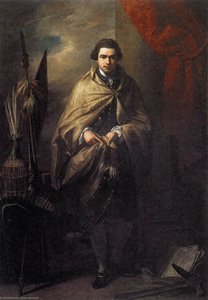
The Drummond Brothers


 Ler mais
Giclée / Impressão de Arte
Impressão giclée ou em tela de qualidade de museu, com produção rápida e opções flexíveis de acabamento. ( Comprar pintura feita à mão Alternar para Imagem Digital)




P118B €10

P118H €10

P118W €10

P438Z €10

P508JH €12

P508YH €12

P805H €10

P805Z €10

P919BZ €10

P919G €10

P919XJ €10

P959ZH €10

P968JZ €12

W106C €8

W218G €10

W218JH €8

W218Y €10

W307PJ €10

W316G €10

W316PJ €8

W316Y €10

W398PJ €8

W4111J €10

W500HY €15

W500JH €15

W692G €12

W849H €8

W940BG €15

W953PJ €8




Escolha entre os nossos tamanhos pré-definidos que respeitam as proporções originais da obra de arte.

Insira a largura e a altura desejadas para se ajustarem à sua moldura ou parede. Uma impressão pode ser apenas cortada, nunca ampliada além da imagem original; portanto, um tamanho com proporções diferentes resultará na perda de parte da imagem. Enviamos uma maquete digital para sua aprovação antes de realizarmos a impressão. A imagem exibida nesta página não mostra o corte real — apenas a maquete o faz.
Entrega mundial () em 2 semanas, em vez das 4/5 semanas padrão. (31 Outubro)

Envio expresso gratuito para todo o mundo

Tela de Linho de Alta Qualidade

Seguro de transporte completo

Garantia de Reembolso de Impostos Alfandegários

Garantia de Fidelidade Cromática

Política de Devolução em 100 Dias (Apenas para Defeitos)

Garantia de reembolso de 100%

Oferta de desconto por quantidade
 A opção de vidro está disponível apenas para tamanhos inferiores a 110 cm

The Drummond Brothers
Giclée / Impressão de Arte
Tamanho da Reprodução
-


Preço Total
€ 71
Benjamin West (1738-1820): A Pioneer Bridging Worlds
Benjamin West was considered the most prominent artist in the English-speaking world of the late Eighteenth Century. Born in 1738 near Springfield, Pennsylvania, the youngest of ten children, West manifested a talent for painting at an early age, and was encouraged to draw by his parents. By fifteen he was already recognized for his talent in portraiture, and by 1756 had attracted the attention of Dr. William Smith, provost of the College of Philadelphia, who enrolled him in the school and devised a special program of classical studies for him. These early studies instilled within him a spirit of innovation that would characterize his entire career. He quickly established himself as a sought-after portraitist in Philadelphia and New York, but a thirst for deeper artistic knowledge propelled him From humble beginnings—his father an innkeeper—West’s innate talent was nurtured by exposure to Native American art forms before receiving formal training. This unconventional start fueled his ambition to master the techniques of European masters, particularly those practicing Neoclassicism. He embarked on a transformative journey to Italy in 1760, immersing himself in the artistic fervor of Rome, Florence, and Venice, where he honed his skills under renowned instructors and absorbed the ideals of Enlightenment thought. This formative experience would profoundly influence his subsequent work, shaping his stylistic choices and thematic concerns.- Style: West’s oeuvre is predominantly characterized by Neoclassicism, a movement that sought to revive the grandeur and moral seriousness of Classical antiquity—specifically Greek and Roman art—as a reaction against the excesses of Rococo. He meticulously adhered to idealized forms and balanced compositions, reflecting the humanist values championed during the Enlightenment era.
- Technique: West excelled in oil painting on canvas, utilizing meticulous brushwork and subtle tonal gradations to achieve remarkable realism and depth. His mastery of chiaroscuro—the dramatic interplay between light and shadow—created a palpable sense of atmosphere and conveyed profound emotional resonance within his subjects.
The Drummond Brothers: A Portrait Steeped in Symbolism
“The Drummond Brothers” depicts two men standing side by side, one gesturing emphatically towards the other. The man on the left holds his hand aloft, conveying authority and perhaps a desire to direct attention—a gesture common in portraits of prominent figures during West’s time. Simultaneously, the man on the right looks downward, suggesting humility or contemplation. These postures are carefully considered, reflecting broader societal ideals about leadership and virtue prevalent in the mid-18th century. The painting's setting contributes significantly to its symbolic meaning. The inclusion of a chair, dining table, and clock underscores themes of domestic tranquility and intellectual pursuits—values highly esteemed by West’s aristocratic patrons. These objects serve as visual anchors, grounding the figures within a recognizable social context while simultaneously hinting at deeper philosophical ideas about time, memory, and human experience.Historical Context & Legacy
Painted in 1767, “The Drummond Brothers” emerged during a period of considerable artistic ferment—the burgeoning Neoclassical movement was reshaping European art and culture. West’s work aligns with the broader intellectual currents of the Enlightenment, which emphasized reason, observation, and moral responsibility. He skillfully captured the spirit of his era, reflecting its fascination with classical ideals and its commitment to portraying human dignity and virtue. West's influence extended far beyond his own lifetime. He served as president of the Royal Academy of Arts for decades, fostering a vibrant artistic community and championing innovative approaches to painting. His students included luminaries such as Charles Willson Peale, Gilbert Stuart, and John Trumbull—artists who would carry West’s stylistic legacy into subsequent generations. Today, “The Drummond Brothers” remains a testament to West's artistic genius and his enduring contribution to the history of art. Its meticulous realism, balanced composition, and subtle symbolism continue to inspire admiration and provoke contemplation among viewers worldwide.Where to Find Reproductions
You can admire this masterpiece in high-resolution reproductions at William Vareika Fine Arts LTD: https://vareikafinearts.com/product/the-drummond-brothers/Perguntas e Respostas
"The Drummond Brothers" está disponível como uma impressão fine art?
Uma impressão de "The Drummond Brothers", de Benjamin West pode ser encomendada diretamente na sua página de Impressão Fine Art: uma impressão fine art em tela de algodão ou papel canvas de arquivo.
"The Drummond Brothers", de Benjamin West é uma obra de tons claros ou escuros?
"The Drummond Brothers" apresenta um brilho geral de deep_shadow, com uma luminância de Dark.
Como "The Drummond Brothers", de Benjamin West conecta Neoclassical Movement ao país de origem do artista?
"The Drummond Brothers" foi criada por Benjamin West, nascido em Estados Unidos da América, dentro do movimento Neoclassical Movement. A origem do artista vincula a obra ao Neoclassical Movement, tal como praticado por artistas de Estados Unidos da América.
Biografia do Artista
A Pioneer Bridging Worlds: The Life and Legacy of Benjamin West
Born in 1738 amidst the burgeoning landscape of colonial Pennsylvania, Benjamin West emerged as a pivotal figure in the transatlantic art world, a painter who skillfully navigated the currents of Neoclassicism and Romanticism while forging a uniquely American artistic identity. His story is one of remarkable self-education, unwavering ambition, and an extraordinary ability to connect with both aristocratic patrons and revolutionary ideals. From humble beginnings—his father an innkeeper in Springfield—West’s innate talent was nurtured by early exposure to the arts, reportedly learning rudimentary techniques from Native Americans before receiving any formal training. This unconventional start instilled within him a spirit of innovation that would characterize his entire career. He quickly established himself as a sought-after portraitist in Philadelphia and New York, but a thirst for deeper artistic knowledge propelled him towards Europe in 1760, embarking on a journey that would irrevocably alter the course of American art.From Italy to London: Forging a Path to Recognition
West’s arrival in Italy marked a turning point. Immersing himself in the artistic heartland of Europe, he studied the masters—Titian, Raphael—and engaged with contemporary Neoclassical thinkers like Anton Rafael Mengs and Angelica Kauffman. This period was crucial in shaping his aesthetic sensibilities, instilling within him an appreciation for classical form and historical narrative. He spent years meticulously copying works by these giants, absorbing their techniques and developing a profound understanding of composition, color theory, and the idealized beauty championed by the Neoclassical movement. However, it was London that ultimately became his adopted home and artistic center. Arriving in 1763, West swiftly ascended the ranks of the British art scene, captivating audiences with his ambitious canvases and securing the patronage of King George III. This royal endorsement not only provided financial stability but also cemented his position as a leading figure within the establishment. A defining moment came with his election to the Royal Academy in 1769, an institution he would later preside over as President from 1792 until his death. His influence extended beyond his own artistic production; West became a champion for American artists seeking training in Europe, offering guidance and support to generations of aspiring painters like Allston, Copley, and Morse.Revolutionizing Historical Painting: Technique and Controversy
West’s impact on the art world wasn't merely about achieving technical mastery; it was about challenging conventions. He dared to reimagine historical painting, moving away from rigid adherence to classical precedent and embracing a more contemporary sensibility. The Death of General Wolfe (1770), arguably his most famous work, exemplifies this revolutionary approach. By depicting the fallen general surrounded by figures in *contemporary* military attire rather than traditional Roman garb, West sparked considerable debate. Critics questioned the historical accuracy, but audiences were captivated by the immediacy and emotional resonance of the scene. This bold move signaled a shift towards greater realism and narrative power in history painting, influencing countless artists who followed. His style evolved over time, incorporating elements of Romanticism into his later works, yet always retaining a commitment to ambitious composition and detailed execution. Other notable pieces like Thetis Bringing the Armor to Achilles, The Three Sisters, The Fright of Astyanax, and The Cave of Despair demonstrate his versatility and mastery across a range of mythological and historical themes. The meticulous detail in his brushwork, combined with dramatic lighting and carefully rendered figures, created works that were both visually stunning and emotionally compelling.A Lasting Legacy: Shaping Artistic Identity
Benjamin West’s legacy extends far beyond the canvases he created. He fundamentally altered the landscape of American art, establishing history painting as a viable genre for American artists and fostering a sense of national artistic identity. His presidency of the Royal Academy solidified his influence on British art, promoting innovation and supporting emerging talent.- He championed a more accessible and emotionally engaging style of historical representation.
- His studio became a haven for American artists seeking training in Europe.
- He bridged the gap between Neoclassicism and the burgeoning Romantic movement.
Key Influences and Artistic Development
West’s artistic development was shaped by a unique combination of factors. Initially self-taught, he honed his skills through observation and imitation, drawing inspiration from Native American art forms and the works of European masters. His time in Italy proved transformative, exposing him to the principles of classical beauty and providing him with invaluable technical training. Upon returning to England, West embraced the Neoclassical style, but quickly began to experiment with new approaches, incorporating elements of Romanticism into his later work. He was particularly influenced by the dramatic lighting and emotional intensity of Caravaggio, as well as the historical narratives of artists like Rubens and Rembrandt. His portraits were characterized by their elegance and sophistication, while his history paintings demonstrated a remarkable ability to capture both the grandeur of historical events and the human drama at their heart. The influence of his American heritage is also evident in his work, particularly in his depictions of Native Americans and frontier scenes.Notable Works
Benjamin West produced a vast body of work throughout his career, including numerous portraits, history paintings, mythological scenes, and landscapes. Some of his most celebrated works include:- The Death of General Wolfe (1770): A monumental painting depicting the death of British General James Wolfe during the Battle of Quebec, renowned for its dramatic composition and realistic portrayal of contemporary military attire.
- Thetis Bringing Armor to Achilles (1767): A mythological scene showcasing West’s mastery of color and detail, depicting the sea nymph Thetis presenting armor to the Greek hero Achilles.
- The Three Sisters (1773): A portrait of three sisters from a wealthy family, exemplifying West's skill in capturing individual character and conveying subtle emotions.
- Fright of Astyanax (1776): A dramatic depiction of the Greek hero Perseus rescuing Andromeda from a sea monster, demonstrating West’s ability to create dynamic compositions and convey intense emotion.

Benjamin West
1738 - 1820 , Estados Unidos da América
Dados Rápidos
- Artistic Movement Or Style: Neoclassicismo, Romantismo
- Artists Or Movements Influenced By This Artist:
- Allston
- Copley
- Morse
- Artists Who Influenced This Artist:
- Tician
- Rafael
- Mengs
- Date Of Birth: 1738-10-10
- Date Of Death: 1820-03-11
- Full Name: Benjamin West
- Nationality: Americano
- Notable Artworks:
- Morte do General Wolfe
- Thetis
- Três Irmãs
- Place Of Birth: Springfield, EUA
Artigos Relacionados

Illuminating the Enlightenment: Artistic Expression in 18th-Century Europe
Explore the artistic brilliance of the Enlightenment era! Discover Rococo's elegance & Neoclassicism’s virtue with expert insights into 18th-century masterpieces. Learn about David, Kauffmann & more.
Illuminating the Enlightenment: Art & Sociopolitical Context of the 18th Century
Explore the art of the Enlightenment! Discover Rococo's elegance, Neoclassicism’s virtue, & David’s revolutionary masterpieces. Uncover the sociopolitical context shaping 18th-century European painting.
Neoclassicism Explained: The Timeless Elegance of Order, Reason, and the Classical Ideal
Explore the profound elegance of Neoclassicism. Discover how the Enlightenment era embraced Greek and Roman ideals of order, reason, and symmetry to redefine art history through masters like Mengs and Hamilton. A definitive guide for history lovers and art collectors.

Benjamin West: Transatlantic Ambition & Shaping American Art
Explore the life & legacy of Benjamin West, pioneering American artist and Royal Academy president. Discover his Neoclassical masterpieces, transatlantic influence, and lasting impact on art history. Learn more at OriginalUniqueArt.

The Enduring Legacy of Formal Portraiture: Power, Identity & Artistic Exploration
Explore the rich history of formal portraiture & its enduring power to capture identity and shape perception. Discover investment-worthy artworks, expert appraisals, and custom reproduction services at OriginalUniqueArt.