Compartilhar
 Compartilhar
 Detalhes
 Guia
Guia

 Baixar imagem
 Semelhantes
 Ver diaporama
 Q&A
Q&A Estatísticas
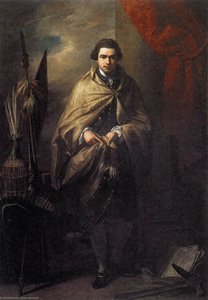
The Burghers of Calais

- 100.0 x 153.0 cm


 Ler mais
Giclée / Impressão de Arte
Impressão giclée ou em tela de qualidade de museu, com produção rápida e opções flexíveis de acabamento. ( Comprar pintura feita à mão Alternar para Imagem Digital)




































Escolha entre os nossos tamanhos pré-definidos que respeitam as proporções originais da obra de arte.

Insira a largura e a altura desejadas para se ajustarem à sua moldura ou parede. Uma impressão pode ser apenas cortada, nunca ampliada além da imagem original; portanto, um tamanho com proporções diferentes resultará na perda de parte da imagem. Enviamos uma maquete digital para sua aprovação antes de realizarmos a impressão. A imagem exibida nesta página não mostra o corte real — apenas a maquete o faz.
Entrega mundial () em 2 semanas, em vez das 4/5 semanas padrão. (2 Novembro)

Envio expresso gratuito para todo o mundo

Tela de Linho de Alta Qualidade

Seguro de transporte completo

Garantia de Reembolso de Impostos Alfandegários

Garantia de Fidelidade Cromática

Política de Devolução em 100 Dias (Apenas para Defeitos)

Garantia de reembolso de 100%

Oferta de desconto por quantidade
 A opção de vidro está disponível apenas para tamanhos inferiores a 110 cm

The Burghers of Calais
Giclée / Impressão de Arte
Tamanho da Reprodução
-


Preço Total
€ 71
The Weight of Sacrifice: Benjamin West’s “The Burghers of Calais”
Benjamin West's "The Burghers of Calais" isn’t merely a historical painting; it’s a profound meditation on courage, sacrifice, and the enduring spirit of humanity. Completed in 1789, this monumental canvas—measuring an imposing 100 x 153 cm—captures a pivotal moment during the Hundred Years' War, when the besieged city of Calais offered itself to the English army under Edward III. More than just a depiction of a siege, West masterfully conveys the agonizing choice faced by six prominent citizens who volunteered to walk to Dover and offer themselves as hostages – a decision that ultimately saved their city from utter destruction.
West’s artistic approach is deeply rooted in Neoclassicism, a style characterized by its emphasis on order, clarity, and idealized forms. He meticulously renders the figures in rich, dramatic lighting, drawing inspiration from classical sculpture. The composition itself is carefully structured around a central pyramidal form, anchored by the woman at the heart of the scene – a figure often interpreted as representing Calais herself. Her posture exudes both sorrow and resolute dignity, embodying the city’s collective spirit. The use of oil on canvas allows for an incredible depth of color and texture; West expertly captures the rough wool of their garments, the glint of steel on their armor, and the subtle nuances of human emotion.
A Scene of Desperate Resolve
The historical context surrounding “The Burghers of Calais” is crucial to understanding its emotional power. Calais had endured a grueling 11-month siege, facing starvation and relentless bombardment. The painting doesn’t shy away from the grim reality of the situation; the faces of the burghers are etched with worry, exhaustion, and a palpable sense of dread. Yet, amidst this despair, there's an undeniable strength—a willingness to face death rather than surrender their city to the English. The scene is not one of triumphant heroism, but of quiet, dignified sacrifice. The figures aren’t posed in dynamic action; instead, they are frozen in a moment of agonizing contemplation, each grappling with the weight of their impending fate.
Notably, West deliberately departed from traditional heroic depictions of historical events. He eschewed the glorification often associated with military victories and instead focused on the human cost of conflict. The inclusion of Queen Philippa, Edward III’s wife, who intervened to spare the burghers' lives, adds a layer of poignant humanity to the narrative. Her gesture—a plea for mercy—highlights the moral complexities inherent in war and underscores the importance of compassion even amidst adversity.
Symbolism and Emotional Resonance
Beyond its historical accuracy, “The Burghers of Calais” is rich in symbolism. The keys they carry represent not just the surrender of the city but also a symbolic relinquishing of their lives. The woman at the center, often identified as representing Calais, embodies the spirit of resistance and resilience. Her gaze is fixed on an unseen horizon, suggesting both hope and acceptance of her fate. The muted color palette—dominated by browns, grays, and ochres—contributes to the painting’s somber mood, reinforcing the sense of loss and sacrifice.
West's masterful use of light and shadow further enhances the emotional impact of the scene. The figures are bathed in a dramatic chiaroscuro effect, creating a powerful contrast between darkness and illumination. This technique draws attention to their faces, emphasizing their expressions of sorrow, determination, and courage. The painting invites viewers to contemplate not only the historical events depicted but also the universal themes of sacrifice, duty, and the enduring strength of the human spirit.
A Legacy in Reproduction
Originally housed within the Royal Collection at Windsor Castle, “The Burghers of Calais” has captivated audiences for centuries. Today, high-quality reproductions—available through platforms like OriginalUniqueArt.com—offer art lovers a unique opportunity to experience the painting’s profound beauty and historical significance in their own homes. These meticulously crafted prints capture the essence of West's original masterpiece, allowing you to bring this iconic work of art into your space and contemplate its timeless message of courage and sacrifice.
Perguntas e Respostas
A que período da carreira de Benjamin West pertence "The Burghers of Calais"?
"The Burghers of Calais" pertence ao Mature Period da carreira de Benjamin West. Esta classificação relaciona a obra ao desenvolvimento do artista.
Qual é a técnica utilizada em "The Burghers of Calais", de Benjamin West?
"The Burghers of Calais" é executada em Sculpture.
Que tipo de obra de arte é "The Burghers of Calais", de Benjamin West?
"The Burghers of Calais", de Benjamin West é classificado como Sculpture. A categoria descreve o tipo de obra de arte que a peça original representa.
Biografia do Artista
A Pioneer Bridging Worlds: The Life and Legacy of Benjamin West
Born in 1738 amidst the burgeoning landscape of colonial Pennsylvania, Benjamin West emerged as a pivotal figure in the transatlantic art world, a painter who skillfully navigated the currents of Neoclassicism and Romanticism while forging a uniquely American artistic identity. His story is one of remarkable self-education, unwavering ambition, and an extraordinary ability to connect with both aristocratic patrons and revolutionary ideals. From humble beginnings—his father an innkeeper in Springfield—West’s innate talent was nurtured by early exposure to the arts, reportedly learning rudimentary techniques from Native Americans before receiving any formal training. This unconventional start instilled within him a spirit of innovation that would characterize his entire career. He quickly established himself as a sought-after portraitist in Philadelphia and New York, but a thirst for deeper artistic knowledge propelled him towards Europe in 1760, embarking on a journey that would irrevocably alter the course of American art.From Italy to London: Forging a Path to Recognition
West’s arrival in Italy marked a turning point. Immersing himself in the artistic heartland of Europe, he studied the masters—Titian, Raphael—and engaged with contemporary Neoclassical thinkers like Anton Rafael Mengs and Angelica Kauffman. This period was crucial in shaping his aesthetic sensibilities, instilling within him an appreciation for classical form and historical narrative. He spent years meticulously copying works by these giants, absorbing their techniques and developing a profound understanding of composition, color theory, and the idealized beauty championed by the Neoclassical movement. However, it was London that ultimately became his adopted home and artistic center. Arriving in 1763, West swiftly ascended the ranks of the British art scene, captivating audiences with his ambitious canvases and securing the patronage of King George III. This royal endorsement not only provided financial stability but also cemented his position as a leading figure within the establishment. A defining moment came with his election to the Royal Academy in 1769, an institution he would later preside over as President from 1792 until his death. His influence extended beyond his own artistic production; West became a champion for American artists seeking training in Europe, offering guidance and support to generations of aspiring painters like Allston, Copley, and Morse.Revolutionizing Historical Painting: Technique and Controversy
West’s impact on the art world wasn't merely about achieving technical mastery; it was about challenging conventions. He dared to reimagine historical painting, moving away from rigid adherence to classical precedent and embracing a more contemporary sensibility. The Death of General Wolfe (1770), arguably his most famous work, exemplifies this revolutionary approach. By depicting the fallen general surrounded by figures in *contemporary* military attire rather than traditional Roman garb, West sparked considerable debate. Critics questioned the historical accuracy, but audiences were captivated by the immediacy and emotional resonance of the scene. This bold move signaled a shift towards greater realism and narrative power in history painting, influencing countless artists who followed. His style evolved over time, incorporating elements of Romanticism into his later works, yet always retaining a commitment to ambitious composition and detailed execution. Other notable pieces like Thetis Bringing the Armor to Achilles, The Three Sisters, The Fright of Astyanax, and The Cave of Despair demonstrate his versatility and mastery across a range of mythological and historical themes. The meticulous detail in his brushwork, combined with dramatic lighting and carefully rendered figures, created works that were both visually stunning and emotionally compelling.A Lasting Legacy: Shaping Artistic Identity
Benjamin West’s legacy extends far beyond the canvases he created. He fundamentally altered the landscape of American art, establishing history painting as a viable genre for American artists and fostering a sense of national artistic identity. His presidency of the Royal Academy solidified his influence on British art, promoting innovation and supporting emerging talent.- He championed a more accessible and emotionally engaging style of historical representation.
- His studio became a haven for American artists seeking training in Europe.
- He bridged the gap between Neoclassicism and the burgeoning Romantic movement.
Key Influences and Artistic Development
West’s artistic development was shaped by a unique combination of factors. Initially self-taught, he honed his skills through observation and imitation, drawing inspiration from Native American art forms and the works of European masters. His time in Italy proved transformative, exposing him to the principles of classical beauty and providing him with invaluable technical training. Upon returning to England, West embraced the Neoclassical style, but quickly began to experiment with new approaches, incorporating elements of Romanticism into his later work. He was particularly influenced by the dramatic lighting and emotional intensity of Caravaggio, as well as the historical narratives of artists like Rubens and Rembrandt. His portraits were characterized by their elegance and sophistication, while his history paintings demonstrated a remarkable ability to capture both the grandeur of historical events and the human drama at their heart. The influence of his American heritage is also evident in his work, particularly in his depictions of Native Americans and frontier scenes.Notable Works
Benjamin West produced a vast body of work throughout his career, including numerous portraits, history paintings, mythological scenes, and landscapes. Some of his most celebrated works include:- The Death of General Wolfe (1770): A monumental painting depicting the death of British General James Wolfe during the Battle of Quebec, renowned for its dramatic composition and realistic portrayal of contemporary military attire.
- Thetis Bringing Armor to Achilles (1767): A mythological scene showcasing West’s mastery of color and detail, depicting the sea nymph Thetis presenting armor to the Greek hero Achilles.
- The Three Sisters (1773): A portrait of three sisters from a wealthy family, exemplifying West's skill in capturing individual character and conveying subtle emotions.
- Fright of Astyanax (1776): A dramatic depiction of the Greek hero Perseus rescuing Andromeda from a sea monster, demonstrating West’s ability to create dynamic compositions and convey intense emotion.

Benjamin West
1738 - 1820 , Estados Unidos da América
Dados Rápidos
- Artistic Movement Or Style: Neoclassicismo, Romantismo
- Artists Or Movements Influenced By This Artist:
- Allston
- Copley
- Morse
- Artists Who Influenced This Artist:
- Tician
- Rafael
- Mengs
- Date Of Birth: 1738-10-10
- Date Of Death: 1820-03-11
- Full Name: Benjamin West
- Nationality: Americano
- Notable Artworks:
- Morte do General Wolfe
- Thetis
- Três Irmãs
- Place Of Birth: Springfield, EUA
Artigos Relacionados

The Enduring Legacy of Oil on Canvas: Technique, History & Aesthetic Impact
Explore the rich history & techniques of oil painting – from Renaissance masters to Impressionism. Discover pigments, layering methods, and why this timeless medium endures. Expert insights for artists & art enthusiasts.

The Soul of Impressionism: Why Oil on Canvas Captures Eternal Light and Timeless Emotion
Discover the enchanting alchemy of Impressionism. Explore how the mastery of oil on canvas, through glazing and impasto, captures eternal light and emotion. Perfect for lovers of Monet and Van Gogh seeking the profound depth of hand-painted fine art.

Oil on Canvas: A Historical & Technical Exploration of a Timeless Artistic Medium
Explore the rich history & enduring techniques of oil painting on canvas. Discover the science behind its longevity, conservation practices, and contemporary relevance. Expert insights for art enthusiasts.

Top 10 Obras-Primas em Óleo que Revolucionaram a História da Arte | OriginalUniqueArt
Descubra as 10 obras primas em óleo que moldaram a história da arte! Explore Van Gogh, Monet, Da Vinci e outros mestres. Reproduções de alta qualidade para sua decoração. Explore a coleção completa na OriginalUniqueArt.com

O Legado Duradouro da Pintura a Óleo sobre Tela: Técnica, História e Prática Contemporânea
Explore a história e as técnicas da pintura a óleo com especialistas. Descubra os mestres, materiais essenciais e o futuro desta arte atemporal. Reproduções de qualidade museológica.