Visualizar em escala
 Enviar
 Compartilhar
 Ver detalhes
 Guia de Obras do Aluno

 Baixar imagem
 Semelhantes
 Raio X
 Apresentação de slides
 Estatísticas
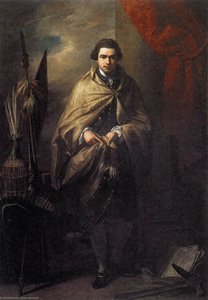
Joseph Banks
 Acrílico sobre tela
- Arte de Parede
- Neoclassical Style
 1773
1773 234.0 x 160.0 cm
 Usher Art Gallery
 Ver mais
Reprodução em Óleo Feita à Mão
Óleo sobre tela pintado à mão no tamanho e moldura de sua escolha, feito sob encomenda pelos nossos artistas. ( Alternar para Impressão Ver Imagem Digital)




P118B €10

P118H €10

P118W €10

P438Z €10

P508JH €12

P508YH €12

P805H €10

P805Z €10

P919BZ €10

P919G €10

P919XJ €10

P959ZH €10

P968JZ €12

W106C €8

W218G €10

W218JH €8

W218Y €10

W307PJ €10

W316G €10

W316PJ €8

W316Y €10

W398PJ €8

W4111J €10

W500HY €15

W500JH €15

W692G €12

W849H €8

W940BG €15

W953PJ €8




Escolha entre os nossos tamanhos pré-definidos que respeitam as proporções originais da obra de arte.

Digite a largura e a altura de que necessita, para se ajustar à sua moldura ou à sua parede. Esta obra é pintada à mão, por isso, para um tamanho com uma proporção diferente, o artista pode pintar um pouco mais ao redor da imagem ou cortar um pouco — você escolhe. Enviamos-lhe uma maquete digital para aprovação antes de a pintura começar. A imagem exibida nesta página não mostra o resultado real — apenas a maquete mostra.
Após o pedido, a equipa OriginalUniqueArt.com enviará um e-mail ao cliente para solicitar instruções e fornecer uma prévia do esboço.
Entrega mundial () em 3 a 4 semanas, em vez das 5 semanas padrão. (21 Outubro). Sem comprometer a qualidade.

Envio expresso gratuito para todo o mundo

Tela de Linho Premium

Seguro de transporte total

Garantia de Reembolso de Impostos Alfandegários

Garantia de Fidelidade de Cor

Política de Devolução em 100 Dias (Apenas para Defeitos)

Garantia de reembolso de 100%

Desconto para múltiplas unidades
 A opção de vidro está disponível apenas para tamanhos inferiores a 110 cm

Joseph Banks
Técnica de Reprodução
Dimensões da Reprodução
-


Preço Total
€ 262
A Elegância Austera de Benjamin West e o Legado Botânico de Joseph Banks
O pintor britânico Benjamin West (1738–1820) é uma figura emblemática da arte neoclássica, cuja obra permanece fascinante pela atenção meticulosa aos detalhes e pela busca por padrões clássicos. Criado em 1773, o óleo sobre tela "Joseph Banks" pelo artista, hoje alojado na Usher Art Gallery de Lincoln, Reino Unido, não apenas celebra um dos maiores exploradores científicos da época, mas também revela uma profunda compreensão das forças culturais que moldaram o pensamento iluminista e a estética artística do século XVIII. A composição da pintura é equilibrada, com Banks posicionado centralmente, cercado por elementos simbólicos que refletem seus interesses intelectuais e sua personalidade como botânico apaixonado. O uso de luz suave e cores terrosas contribui para uma atmosfera de serenidade e elegância, características marcantes do estilo neoclássico em geral. West empregou técnicas inovadoras para capturar a beleza idealizada da natureza humana, buscando transmitir uma sensação de ordem e racionalidade que eram valores fundamentais na época. O retrato captura um momento específico da vida de Banks: sua postura firme e confiante, acompanhada por uma cadeira com um livro aberto – símbolo da busca pelo conhecimento científico e pela contemplação estética. Além disso, o pintor incorporou elementos da cultura tahitiana, como a capa adornada com penas e armas – referência às expedições científicas lideradas por James Cook ao Pacífico Sul e à importância da observação empírica na compreensão do mundo natural. Uma análise cuidadosa dos símbolos presentes na obra revela uma mensagem poderosa sobre o papel da ciência na formação da identidade humana e na promoção de valores como coragem, inteligência e beleza.- Artista: Benjamin West
- Ano: 1773
- Técnica: Óleo sobre tela
- Estilo: Neoclássico
- Localização: Usher Art Gallery, Lincoln, Reino Unido
O Contexto Histórico e Científico da Pintura
A obra reflete o espírito crítico do iluminismo e a influência das ideias filosóficas de Voltaire e Rousseau sobre a arte e a cultura europeia. Além disso, ela testemunha o nascimento da ciência moderna e o despertar do interesse pela exploração geográfica e pela descrição sistemática dos fenômenos naturais. O retrato de Banks surge em um período marcado por grandes descobertas científicas – como a circulação ao redor do mundo liderada por James Cook – que estimularam uma renovação intelectual e artística em toda a Europa. A pintura também é considerada um marco na história da arte inglesa, representando o ápice da estética neoclássica e influenciando artistas como Joshua Reynolds e Angelica Kauffman. West utilizou técnicas inovadoras para criar obras que celebram a beleza idealizada da natureza humana e transmitem uma sensação de ordem e racionalidade – valores fundamentais na época iluminista e que continuam relevantes até hoje. O pintor buscava transmitir uma mensagem moralizante sobre o papel do conhecimento científico na formação da cidadania e na promoção de virtudes como coragem, inteligência e equilíbrio emocional.Simbolismo e Representação da Figura Humana
O retrato captura um momento específico da vida de Banks: sua postura firme e confiante, acompanhada por uma cadeira com um livro aberto – símbolo da busca pelo conhecimento científico e pela contemplação estética. Além disso, o pintor incorporou elementos da cultura tahitiana, como a capa adornada com penas e armas – referência às expedições científicas lideradas por James Cook ao Pacífico Sul e à importância da observação empírica na compreensão do mundo natural. Uma análise cuidadosa dos símbolos presentes na obra revela uma mensagem poderosa sobre o papel da ciência na formação da identidade humana e na promoção de valores como coragem, inteligência e beleza.Impacto Emocional e Estético
A pintura transmite uma sensação de serenidade e elegância que são características marcantes do estilo neoclássico em geral. O uso de luz suave e cores terrosas contribui para criar uma atmosfera contemplativa que convida o espectador à reflexão sobre questões filosóficas e existenciais. Além disso, a obra celebra o papel da ciência na formação da identidade humana e na promoção de valores como coragem, inteligência e beleza – temas que continuam relevantes até hoje. O retrato captura um momento específico da vida de Banks: sua postura firme e confiante, acompanhada por uma cadeira com um livro aberto – símbolo da busca pelo conhecimento científico e pela contemplação estética. Além disso, o pintor incorporou elementos da cultura tahitiana, como a capa adornada com penas e armas – referência às expedições científicas lideradas por James Cook ao Pacífico Sul e à importância da observação empírica na compreensão do mundo natural. Uma análise cuidadosa dos símbolos presentes na obra revela uma mensagem poderosa sobre o papel da ciência na formação da identidade humana e na promoção de valores como coragem, inteligência e beleza.Perguntas e Respostas
Qual é a técnica e o tamanho do original de "Joseph Banks" de Benjamin West?
A técnica de "Joseph Banks" de Benjamin West é Acrílico sobre tela, e suas dimensões registradas são 234 x 160 cm.
Posso ver "Joseph Banks" de Benjamin West sob diferentes luzes?
A página Raio X de "Joseph Banks" de Benjamin West é um visualizador interativo que permite percorrer onze camadas ópticas da imagem da obra, incluindo uma visualização em estilo raio-X.
Quão harmoniosas são as cores de "Joseph Banks" de Benjamin West?
As cores de "Joseph Banks" de Benjamin West apresentam uma harmonia Paleta suavemente mesclada. A harmonia descreve como as cores se relacionam entre si.
Biografia do Artista
A Pioneer Bridging Worlds: The Life and Legacy of Benjamin West
Born in 1738 amidst the burgeoning landscape of colonial Pennsylvania, Benjamin West emerged as a pivotal figure in the transatlantic art world, a painter who skillfully navigated the currents of Neoclassicism and Romanticism while forging a uniquely American artistic identity. His story is one of remarkable self-education, unwavering ambition, and an extraordinary ability to connect with both aristocratic patrons and revolutionary ideals. From humble beginnings—his father an innkeeper in Springfield—West’s innate talent was nurtured by early exposure to the arts, reportedly learning rudimentary techniques from Native Americans before receiving any formal training. This unconventional start instilled within him a spirit of innovation that would characterize his entire career. He quickly established himself as a sought-after portraitist in Philadelphia and New York, but a thirst for deeper artistic knowledge propelled him towards Europe in 1760, embarking on a journey that would irrevocably alter the course of American art.From Italy to London: Forging a Path to Recognition
West’s arrival in Italy marked a turning point. Immersing himself in the artistic heartland of Europe, he studied the masters—Titian, Raphael—and engaged with contemporary Neoclassical thinkers like Anton Rafael Mengs and Angelica Kauffman. This period was crucial in shaping his aesthetic sensibilities, instilling within him an appreciation for classical form and historical narrative. He spent years meticulously copying works by these giants, absorbing their techniques and developing a profound understanding of composition, color theory, and the idealized beauty championed by the Neoclassical movement. However, it was London that ultimately became his adopted home and artistic center. Arriving in 1763, West swiftly ascended the ranks of the British art scene, captivating audiences with his ambitious canvases and securing the patronage of King George III. This royal endorsement not only provided financial stability but also cemented his position as a leading figure within the establishment. A defining moment came with his election to the Royal Academy in 1769, an institution he would later preside over as President from 1792 until his death. His influence extended beyond his own artistic production; West became a champion for American artists seeking training in Europe, offering guidance and support to generations of aspiring painters like Allston, Copley, and Morse.Revolutionizing Historical Painting: Technique and Controversy
West’s impact on the art world wasn't merely about achieving technical mastery; it was about challenging conventions. He dared to reimagine historical painting, moving away from rigid adherence to classical precedent and embracing a more contemporary sensibility. The Death of General Wolfe (1770), arguably his most famous work, exemplifies this revolutionary approach. By depicting the fallen general surrounded by figures in *contemporary* military attire rather than traditional Roman garb, West sparked considerable debate. Critics questioned the historical accuracy, but audiences were captivated by the immediacy and emotional resonance of the scene. This bold move signaled a shift towards greater realism and narrative power in history painting, influencing countless artists who followed. His style evolved over time, incorporating elements of Romanticism into his later works, yet always retaining a commitment to ambitious composition and detailed execution. Other notable pieces like Thetis Bringing the Armor to Achilles, The Three Sisters, The Fright of Astyanax, and The Cave of Despair demonstrate his versatility and mastery across a range of mythological and historical themes. The meticulous detail in his brushwork, combined with dramatic lighting and carefully rendered figures, created works that were both visually stunning and emotionally compelling.A Lasting Legacy: Shaping Artistic Identity
Benjamin West’s legacy extends far beyond the canvases he created. He fundamentally altered the landscape of American art, establishing history painting as a viable genre for American artists and fostering a sense of national artistic identity. His presidency of the Royal Academy solidified his influence on British art, promoting innovation and supporting emerging talent.- He championed a more accessible and emotionally engaging style of historical representation.
- His studio became a haven for American artists seeking training in Europe.
- He bridged the gap between Neoclassicism and the burgeoning Romantic movement.
Key Influences and Artistic Development
West’s artistic development was shaped by a unique combination of factors. Initially self-taught, he honed his skills through observation and imitation, drawing inspiration from Native American art forms and the works of European masters. His time in Italy proved transformative, exposing him to the principles of classical beauty and providing him with invaluable technical training. Upon returning to England, West embraced the Neoclassical style, but quickly began to experiment with new approaches, incorporating elements of Romanticism into his later work. He was particularly influenced by the dramatic lighting and emotional intensity of Caravaggio, as well as the historical narratives of artists like Rubens and Rembrandt. His portraits were characterized by their elegance and sophistication, while his history paintings demonstrated a remarkable ability to capture both the grandeur of historical events and the human drama at their heart. The influence of his American heritage is also evident in his work, particularly in his depictions of Native Americans and frontier scenes.Notable Works
Benjamin West produced a vast body of work throughout his career, including numerous portraits, history paintings, mythological scenes, and landscapes. Some of his most celebrated works include:- The Death of General Wolfe (1770): A monumental painting depicting the death of British General James Wolfe during the Battle of Quebec, renowned for its dramatic composition and realistic portrayal of contemporary military attire.
- Thetis Bringing Armor to Achilles (1767): A mythological scene showcasing West’s mastery of color and detail, depicting the sea nymph Thetis presenting armor to the Greek hero Achilles.
- The Three Sisters (1773): A portrait of three sisters from a wealthy family, exemplifying West's skill in capturing individual character and conveying subtle emotions.
- Fright of Astyanax (1776): A dramatic depiction of the Greek hero Perseus rescuing Andromeda from a sea monster, demonstrating West’s ability to create dynamic compositions and convey intense emotion.

Benjamin West
1738 - 1820 , Estados Unidos da América
Informações Rápidas
- Artistic Movement Or Style: Neoclassicismo, Romantismo
- Artists Or Movements Influenced By This Artist:
- Allston
- Copley
- Morse
- Artists Who Influenced This Artist:
- Tician
- Rafael
- Mengs
- Date Of Birth: 1738-10-10
- Date Of Death: 1820-03-11
- Full Name: Benjamin West
- Nationality: Americano
- Notable Artworks:
- Morte do General Wolfe
- Thetis
- Três Irmãs
- Place Of Birth: Springfield, EUA
Artigos Relacionados

The Flourishing Canvas: A Historical Journey Through Botanical Illustration
Explore the captivating history of botanical illustration! Discover renowned artists like Robert Havell & Mary Walcott, learn about techniques, and find museum-quality art at OriginalUniqueArt.com.

The Flourishing Canvas: A Historical & Artistic Exploration of Botanical Illustration
Explore the rich history of botanical illustration! Discover key artists like Havell & Barraband, learn about scientific accuracy & aesthetic beauty. Shop museum-quality reproductions at OriginalUniqueArt.
The Timeless Elegance of Victorian Botanical Painting: A Journey Through Nature's Intricate Detail and Scientific Artistry
Discover the exquisite world of Victorian botanical painting, where scientific precision meets profound aesthetic grace. Explore a journey through nature's intricate details, from legendary illustrators to the untamed beauty of Marianne North’s vibrant floral masterpieces.

Victorian Botanical Painting: Science, Art & Aesthetic Sensibility
Explore the exquisite world of Victorian botanical art! Discover the science & artistry behind stunning floral illustrations by Gould, Muckley & more. Learn about collecting, value & investment at OriginalUniqueArt.

Benjamin West: Transatlantic Ambition & Shaping American Art
Explore the life & legacy of Benjamin West, pioneering American artist and Royal Academy president. Discover his Neoclassical masterpieces, transatlantic influence, and lasting impact on art history. Learn more at OriginalUniqueArt.