
 Compartilhar
 Compartilhar
 Detalhes
 Guia
Guia

 Baixar imagem
 Semelhantes
 Ver diaporama
 Perguntas e Respostas
 Estatísticas
Torso


 Ler mais
A obra de arte exibida nesta página é protegida por leis de direitos autorais, o que significa que não podemos criar ou vender legalmente uma reprodução idêntica. Esta proteção é aplicada por meio de acordos internacionais, tais como a Convenção de Berna e pelas leis nacionais, incluindo as estabelecidas por Lei de Direitos Autorais dos EUA - Título 17.
Este método cumpre plenamente as regulamentações de direitos autorais, pois não envolve a cópia ou duplicação da obra protegida. Em vez disso, trata-se de uma reinterpretação criativa — uma nova pintura que é influenciada pela original, mas não idêntica a ela.
Giclée / Impressão de Arte
Impressão giclée ou em tela de qualidade de museu, com produção rápida e opções flexíveis de acabamento. ( Comprar pintura feita à mão Alternar para Imagem Digital)




































Escolha entre os nossos tamanhos pré-definidos que respeitam as proporções originais da obra de arte.

Insira a largura e a altura desejadas para se ajustarem à sua moldura ou parede. Uma impressão pode ser apenas cortada, nunca ampliada além da imagem original; portanto, um tamanho com proporções diferentes resultará na perda de parte da imagem. Enviamos uma maquete digital para sua aprovação antes de realizarmos a impressão. A imagem exibida nesta página não mostra o corte real — apenas a maquete o faz.
Entrega mundial () em 2 semanas, em vez das 4/5 semanas padrão. (8 Novembro)

Envio expresso gratuito para todo o mundo

Tela de Linho de Alta Qualidade

Seguro de transporte completo

Garantia de Reembolso de Impostos Alfandegários

Garantia de Fidelidade Cromática

Política de Devolução em 100 Dias (Apenas para Defeitos)

Garantia de reembolso de 100%

Oferta de desconto por quantidade
 A opção de vidro está disponível apenas para tamanhos inferiores a 110 cm

Torso
Giclée / Impressão de Arte
Tamanho da Reprodução
-


Preço Total
€ 72
A Sculptural Embrace: Barbara Hepworth’s ‘Torso’
Barbara Hepworth's “Torso,” created in 1928, isn’t merely a depiction of the human form; it’s an embodiment of movement and quiet contemplation. This remarkable sculpture, rendered in the rich, dark tones of mahogany wood, immediately draws the viewer into its world – a world where form and space intertwine with a profound sense of stillness. Hepworth, a pivotal figure in the development of modern sculpture, masterfully eschews traditional representation, opting instead to capture an essence, a feeling, rather than a literal likeness. The piece speaks volumes about her pioneering approach to abstraction, prioritizing the inherent qualities of materials and the interplay between positive and negative space.
The Language of Form: Technique and Material
Hepworth’s technique is characterized by subtractive carving – a painstaking process of carefully removing material from a solid block of wood to reveal the desired shape. This method, demanding immense skill and patience, allows her to coax forth organic forms that seem to grow naturally from the raw material. Notice the subtle variations in texture across the surface; these aren’t simply cosmetic details but rather evidence of the sculptor's hand, each ridge and curve a testament to the physical act of creation. The choice of mahogany is particularly significant. Its deep, resonant color provides a dramatic backdrop for the sculpted form, while its grain adds layers of visual complexity – hints of light and shadow that dance across the surface. The smooth, polished finish further enhances the tactile quality of the piece, inviting viewers to imagine running their hands along its contours.
Roots in Modernism: Context and Influences
“Torso” emerged during a period of intense artistic experimentation and a rejection of academic traditions. Hepworth was deeply influenced by movements like Abstraction-Création, which sought to explore the fundamental qualities of form and material. Her work reflects this spirit of innovation, moving away from representational art towards a more conceptual approach. The sculpture’s emphasis on geometric shapes and its exploration of negative space align with the broader trends of early 20th-century modernism, where artists were increasingly interested in reducing forms to their essential elements. Hepworth's time spent studying Italian Renaissance sculpture also informed her work, particularly her understanding of classical anatomy, which she then reinterpreted through a distinctly modernist lens.
A Study in Quietude: Symbolism and Emotional Resonance
While “Torso” avoids overt symbolism, it possesses a powerful emotional resonance. The pose itself – a relaxed yet alert stance – suggests a state of contemplative awareness. The smooth curves and flowing lines evoke a sense of grace and fluidity, while the solidity of the wood grounds the form in the physical world. There’s an inherent vulnerability in the exposed torso, inviting viewers to contemplate themes of beauty, strength, and mortality. It's not a celebration of physicality but rather an exploration of the human condition – a quiet meditation on the essence of being. The sculpture’s timeless quality speaks to its ability to connect with viewers across generations, offering a moment of stillness in our increasingly frenetic world.
Reproductions and Display
A high-quality reproduction of “Torso” can bring the spirit of this iconic work into any space. Consider framing it within a simple, elegant setting to allow the sculpture’s form and texture to take center stage. The rich tones of the wood will complement a wide range of interior design styles, from minimalist modern to classic contemporary. When selecting a reproduction, prioritize materials that accurately capture the depth and nuance of Hepworth's original work – archival-quality prints on textured paper are ideal for achieving a truly authentic effect.
Perguntas e Respostas
Quão harmoniosas são as cores de "Torso", de Barbara Hepworth?
A harmonia de cores de "Torso" é definida como Strong Color Unity.
Qual é o tom emocional de "Torso", de Barbara Hepworth?
"Torso", de Barbara Hepworth transmite um tom emocional Reflective.
Como posso adquirir uma impressão de "Torso", de Barbara Hepworth?
"Torso" está disponível como uma impressão fine art em tela de algodão ou papel canvas de arquivo. Os pedidos podem ser feitos na página de Impressão Fine Art, no tamanho de sua escolha.
Biografia do Artista
Barbara Hepworth: A Pioneer of Modern Sculpture
Barbara Hepworth (Wakefield, Yorkshire, 10 January 1903 — Saint Ives, Cornwall, 20 May 1975), was an English artist and sculptor whose groundbreaking approach to abstraction revolutionized the art world in the mid-20th century. Born into a family of engineers—her father, Herbert Hepworth, worked for West Riding County Council—Jocelyn Barbara Hepworth’s early life instilled in her a fascination with precision and form, influences that would permeate her artistic vision throughout her career.- Early Influences & Education: Hepworth's formative years were marked by exposure to the landscapes of Yorkshire and the encouragement of Miss McCroben, headteacher at Wakefield Girls’ High School, who recognized Hepworth’s talent for drawing and encouraged her ambition to pursue higher education. She excelled academically, securing a scholarship to Leeds School of Art in 1920 where she encountered Henry Moore—a friendship that would endure for decades and profoundly shape their artistic trajectories.
- Royal College of Art & The Birth of Modern Sculpture: Hepworth’s studies at the Royal College of Art from 1921 to 1924 proved pivotal. Alongside Moore, she embraced a radical new aesthetic—direct carving—rejecting traditional modeling techniques in favor of working directly with stone and wood. This method allowed for an unprecedented level of spontaneity and responsiveness to material qualities, establishing Hepworth as one of the foremost figures in the burgeoning movement of abstraction-création.
The Surrealist Years & Collaboration with Ben Nicholson
Hepworth’s artistic journey gained momentum during her involvement with the Hampstead Circle group—a collective of avant-garde artists united by a shared commitment to exploring subconscious imagery and geometric abstraction. Her relationship with Ben Nicholson blossomed in 1931, culminating in marriage shortly thereafter. Together they established a studio in St Ann's Terrace, Hampstead, where Hepworth honed her craft and experimented with new materials—particularly stringed sculptures that captured the essence of natural forms through rhythmic repetition and textural interplay.Monumental Sculpture & Recognition
The Second World War brought Hepworth and Nicholson to St Ives, Cornwall, where they found inspiration in the rugged Cornish coastline. During this period, Hepworth undertook ambitious commissions—most notably Winged Figure (1961–3), a monumental sculpture commissioned by John Lewis for their Oxford Street flagship store—demonstrating her mastery of scale and materiality. Her work gained international acclaim, securing prestigious awards and cementing her place as one of the most influential sculptors of her time.Legacy & Artistic Significance
Barbara Hepworth’s enduring legacy resides in her unwavering dedication to exploring the fundamental principles of form and space—a pursuit that transcended stylistic conventions and established her as a visionary pioneer of modern sculpture. Her sculptures continue to inspire artists worldwide, serving as testament to her artistic genius and her profound contribution to the history of art.
Barbara Hepworth
1903 - 1975 , Reino Unido
Dados Rápidos
- Artistic Movement Or Style: Modernismo
- Artists Or Movements Influenced By This Artist: ['Unit One']
- Artists Who Influenced This Artist: ['Henry Moore']
- Date Of Birth: 10 janeiro 1903
- Full Name: Jocelyn Barbara Hepworth
- Nationality: Inglesa
- Notable Artworks:
- Oval Form
- Two Forms
- Totem
- Place Of Birth: Wakefield, Inglaterra
Artigos Relacionados

The Enduring Form: Exploring Themes & Techniques in Sculpture Across Historical Periods
Explore the rich history of sculpture from ancient masterpieces to contemporary innovations. Discover key techniques, influential artists & investment potential for discerning art collectors.

Esculturas em Bronze Icônicas: 10 Obras que Revolucionaram a Arte | OriginalUniqueArt
Descubra as 10 esculturas em bronze mais icônicas da história! Explore a arte de Rodin, Michelangelo e outros mestres. Encontre reproduções de alta qualidade para sua casa em OriginalUniqueArt.com.

The Enduring Form: Sculpture Across History, Technique & Emotional Resonance
Explore the rich history of sculpture with OriginalUniqueArt. Discover key techniques, influential artists & investment potential for discerning collectors. Expert insights into valuing and collecting timeless masterpieces.

As 10 Obras em Bronze Mais Icônicas que Transformaram a História da Arte | OriginalUniqueArt
Descubra as 10 esculturas em bronze mais influentes da história! Explore a arte de Rodin, Michelangelo e outros mestres. Reproduções de alta qualidade para decorar sua casa com elegância. OriginalUniqueArt.
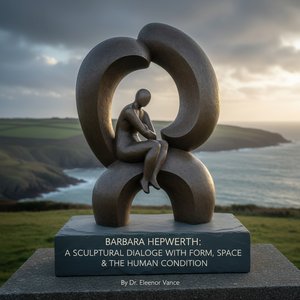
Barbara Hepworth: A Sculptural Dialogue with Form, Space & the Human Condition
Explore the profound world of Barbara Hepworth's sculpture. Discover her artistic evolution, iconic forms, and lasting influence on modern art. A guide for collectors & enthusiasts.


