Post-Impressionism · 1959
The moth (Balthus, 1959)
Balthus (1908–2001) criou The moth. Data de 1959. Pertence ao movimento Post-Impressionism.
- 1959

 Visualizar na parede

 Pintura a Óleo Feita à Mão
 Compartilhar
 Compartilhar
 Ficha técnica


 Baixar imagem
 Semelhantes
 Raio X
 Ver diaporama
 Perguntas e Respostas

 Estatísticas
The moth, em resumo
- Título
- The moth
- Artista
- Balthus (1908–2001)
- Artista nascido em
- Paris, França
- Data
- 1959
- Movimento
- Post-Impressionism
- Tema
- nude figure, interior scene, dim lighting, symbolic art, classical composition, dreamlike mood
Imagens em alta resolução de The moth
Protected by copyright: these files are for personal reference, not a licence to republish.
Balthus, The moth (1959).
Perguntas sobre The moth respondidas
Em que ano foi criada a obra "The moth", de Balthus?
O que representa "The moth"?
A imagem de "The moth", de Balthus pode ser reproduzida livremente?
A qual movimento artístico pertence "The moth", de Balthus?
"The moth" é uma obra do Post-Impressionism. O movimento indica a tradição artística da qual a obra faz parte.
A que período da carreira de Balthus pertence "The moth"?
Qual era a idade de Balthus quando "The moth" foi criada?
"The moth", de Balthus, está em domínio público? E por quê?
Como "The moth" se insere na trajetória artística de Balthus?
"The moth" compartilha com as outras obras de Balthus o seu estilo Post-Impressionism e os temas recorrentes: exploration of the human psyche, contrasting sensuality and restraint, rejection of academic conventions, persistent focus on female form, old master techniques, impressionist light & color, symbolist imagery, classical composition.
Sobre o artista, Balthus

1908–2001, França
Balthus
A World Apart: The Enigmatic Vision of Balthus Balthasar Klossowski de Rola, universally known as Balthus, remains one of the most compelling and controversial figures in 20th-century art. Born in Paris on February 29, 1908, into a family steeped in intellectual and artistic circles, his life was marked by an early immersion in culture and a deliberate rejection of prevailing artistic trends. His father, Erich Klossowski, was a respected art historian, while his mother, Baladine Klossowska, was a painter herself, fostering an environment where aesthetic contemplation was not merely encouraged but lived. This upbringing instilled in the young Balthus a deep reverence for the Old Masters and a skepticism towards the burgeoning avant-garde movements that dominated the Parisian scene.
Também de Balthus
 A Rua1933
 Menina com gato1937
 The Guitar Lesson1934
 La Patience (Solitaire)
Ensaios sobre The moth
 The Art of Desire: Exploring Sensuality and the Human Form Through Masterpiece PaintingsExplore the profound history of sensuality in art through the works of Batoni, Poussin, and Godward. Discover museum-quality, hand-painted …
 Os 10 Clássicos do Impressionismo que Transformaram a Arte e Decoram Sua CasaDescubra os 10 quadros impressionistas que revolucionaram a arte! Explore Monet, Renoir e outros mestres do Impressionismo. Encontre reprod…
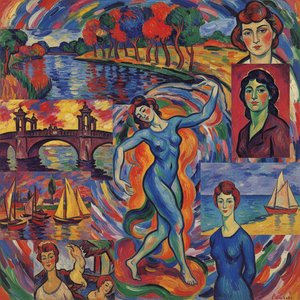 Fauvismo: 10 Obras-Primas que Definiram a Expressão Artística | OriginalUniqueArtDescubra as 10 obras-primas do Fauvismo com Matisse, Derain e Vlaminck. Explore a história, cores vibrantes e emoção por trás deste movimen…