

 Visualizar em escala
 Enviar
 Compartilhar
 Ver detalhes
 Guia de Obras do Aluno

 Baixar imagem
 Semelhantes
 Raio X
 Apresentação de slides
 Estatísticas
Flowers in a Wan-Li Vase, with Shells
 Oil On Canvas
- WallArt
- Baroque
 1650
1650 53.0 x 43.0 cm
 Mauritshuis
 Ver mais
Giclée / Impressão de Arte
Impressão giclée ou em tela de qualidade de museu, com produção rápida e opções flexíveis de acabamento. ( Encomendar reprodução pintada à mão Ver Imagem Digital)




P118B $10

P118H $10

P118W $10

P438Z $10

P508JH $12

P508YH $12

P805H $10

P805Z $10

P919BZ $10

P919G $10

P919XJ $10

P959ZH $10

P968JZ $12

W106C $8

W218G $10

W218JH $8

W218Y $10

W307PJ $10

W316G $10

W316PJ $8

W316Y $10

W398PJ $8

W4111J $10

W500HY $15

W500JH $15

W692G $12

W849H $8

W940BG $15

W953PJ $8




Escolha entre os nossos tamanhos pré-definidos que respeitam as proporções originais da obra de arte.

Você pode inserir suas próprias dimensões para se ajustar a uma moldura ou espaço específico. Se o tamanho selecionado não corresponder às proporções da imagem original, iremos recortar a obra de arte ou estender a imagem com uma borda espelhada ou preenchimento sólido. Um mockup digital será enviado para sua aprovação antes do início da produção.
Por favor, observe que a visualização na tela não reflete o recorte ou a extensão real. Apenas o mockup mostrará com precisão a composição final.
Embora tamanhos personalizados estejam disponíveis, recomendamos selecionar uma dimensão da lista predefinida para preservar as proporções originais.
Entrega mundial () em 2 semanas, em vez das 4/5 semanas padrão. (26 Setembro)

Envio expresso gratuito para todo o mundo

Tela de Linho Premium

Seguro de transporte total

Garantia de Reembolso de Impostos Alfandegários

Garantia de Fidelidade de Cor

Política de Devolução em 100 Dias (Apenas para Defeitos)

Garantia de reembolso de 100%

Desconto para múltiplas unidades
 A opção de vidro está disponível apenas para tamanhos inferiores a 110 cm

Flowers in a Wan-Li Vase, with Shells
Giclée / Impressão de Arte
Dimensões da Reprodução
-


Preço Total
$ 80
A Symphony in Porcelain and Petals: Balthasar van der Ast’s “Flowers in a Wan-Li Vase”
Balthasar van der Ast's "Flowers in a Wan-Li Vase, with Shells," painted circa 1640-1650, isn’t merely a still life; it’s a meticulously crafted meditation on beauty, wealth, and the fleeting nature of time. Within its richly layered composition resides a microcosm of the Dutch Golden Age – a testament to burgeoning scientific curiosity, refined artistic skill, and an enduring fascination with the natural world. The painting immediately draws the eye into a dense arrangement of blossoms, each rendered with astonishing detail, seemingly bursting forth from a delicate blue Wan-Li vase, a prized possession indicative of considerable affluence. It’s a scene that whispers of opulent Dutch households and the burgeoning trade networks connecting Europe to the exotic East.The Art of Observation: Technique and Style
Van der Ast was a master of capturing the subtle nuances of texture and light, and this piece exemplifies his signature style. He employed a technique known as *chiaroscuro*, skillfully manipulating shadows and highlights to create an illusion of three-dimensionality that is remarkably convincing. The velvety petals of roses, the delicate veins of leaves, and the rough surface of the seashells are all rendered with painstaking precision – each brushstroke contributing to the overall sense of realism. Notice how he doesn’t simply paint *of* flowers; he paints *as* flowers, capturing their very essence. The use of layering is particularly noteworthy; colors build upon one another, creating a luminous depth that seems to invite the viewer into the scene. This wasn't just about replicating what was seen; it was about conveying the *experience* of observing nature – its vibrancy, its complexity, and its inherent beauty.Symbolism Woven Within: Flowers, Shells, and Wealth
Beyond its technical brilliance, “Flowers in a Wan-Li Vase” is laden with symbolic meaning. The inclusion of various flower species—roses, tulips, anemones, and more—represents the changing seasons and the abundance of nature. The prominent red tulip, particularly striking, was a symbol of wealth and status during this period, its vibrant hue mirroring the prosperity enjoyed by the Dutch Republic. The delicate shells scattered beneath the vase are not merely decorative; they evoke themes of mortality and the passage of time – reminders that even the most beautiful things eventually fade away. The butterfly resting on one of the blooms adds a touch of ephemeral grace, suggesting the fleeting nature of beauty itself.A Window into a World: Historical Context
To fully appreciate this painting, it’s crucial to understand its historical context. The Dutch Golden Age (roughly 1588-1702) was a period of unprecedented economic prosperity and artistic innovation. The rise of the merchant class fueled an insatiable appetite for luxury goods – particularly porcelain from China – and fostered a growing interest in scientific observation. Van der Ast, along with other artists of his time, embraced this spirit of inquiry, meticulously documenting the natural world through their art. The painting reflects not only artistic skill but also the intellectual curiosity that characterized the era—a desire to understand and represent the complexities of nature with unparalleled accuracy. It’s a snapshot of a society deeply engaged with both beauty and knowledge.Capturing the Essence: Reproductions and Inspiration
Today, high-quality reproductions of “Flowers in a Wan-Li Vase” are available, allowing art lovers to bring this exquisite masterpiece into their homes. Whether you’re drawn to its rich colors, intricate details, or profound symbolism, this painting continues to captivate viewers centuries after it was created. Consider how the composition—the dense arrangement of flowers within the elegant vase—can inform interior design choices, creating a space that is both luxurious and inviting. The painting's masterful use of light and shadow serves as a reminder of the power of art to transform our perception of the world around us.Biografia do Artista
O Mestre do Universo em Miniatura: Balthasar van der Ast
Sob a luz dourada dos Países Baixos do século XVII, um período definido por uma prosperidade sem precedentes e por uma curiosidade científica vibrante, Balthasar van der Ast emergiu como um virtuoso da obra-prima em pequena escala. Nascido em Middelburg por volta de 1593, van der Ast não apenas pintava objetos; ele orquestrava dramas silenciosos sobre a tela. Sua vida estava profundamente entrelaçada com a crescente cultura mercantil da Zelândia, sendo filho de um próspero mercador de lã, Hans van der㭚Ast. Esse contexto proporcionou-lhe mais do que apenas estabilidade social; ofereceu-lhe uma intimidade precoce com as mercadorias exóticas e os espécimes preciosos que mais tarde se tornariam os protagonistas de suas célebres naturezas-mortas.
A trajetória de sua alma artística foi irrevogavelmente moldada por sua conexão com a dinastia Bosschaert. Através de um vínculo familiar, van der Ast tornou-se o protegido do lendário Ambrosius Bosschaert, o Velho, seu padrasto. Sob essa tutela, ele dominou a precisão meticulosa exigida pela "peça de flores", um gênero que demandava um nível de observação quase microscópico. Essa linhagem de excelência permitiu-lhe refinar uma técnica caracterizada por gradações tonais sutis e um profundo respeito pela textura física da natureza. Ele não estava sozinho nesta busca pela perfeição; ao lado de seus cunhados, ajudou a cultivar um movimento estilístico que priorizava o delicado jogo de luz e sombra, transformando simples estudos botânicos em profundas meditações sobre a existência.
Uma Sinfonia de Conchas e Flora
Enquanto muitos de seus contemporâneos focavam apenas na beleza efêmera das flores, van der Ast alcançou a imortalidade histórica através de suas explorações pioneiras na conchologia. Ele tornou-se um precursor da pintura de conchas, tratando os restos calcificados de criaturas marinhas com a mesma reverência que dedicava à pétala mais macia. Em obras como "Natureza-morta com Ameixas, Cerejas e Conchas", pode-se testemunhar o casamento deslumbrante de diferentes texturas: a pele suculenta e translúcida das frutas contrastando com as superfícies duras e peroladas de conchas exóticas. Esse fascínio não era meramente estético; refletia o crescente interesse científico da época pela história natural e o alcance global do comércio marítimo holandês.
Suas composições funcionavam frequentemente como muito mais do que meras exibições de riqueza ou precisão botânica. Observar atentamente uma pintura de van der Ast é engajar-se com uma complexa teia de simbolismo enraizada na filosofia humanista. Dentro de seus arranjos, pode-se encontrar:
- A Natureza Efêmera da Vida: Representada através de pétalas murchas ou insetos que consomem a própria beleza que habitam.
- Observação Científica: Um registro meticuloso de espécies, refletindo a Era das Descobertas e a sede de conhecimento da época.
- Temas de Vanitas: Lembretes sutis da mortalidade, onde o apodrecimento da fruta serve como um pungente memento mori.
Legado e Significância Artística
A influência de Balthasar van der Ast estendeu-se muito além de seu próprio estúdio em Utrecht. Ao acolher artistas como Roelandt Savery na guilda local, ele ajudou a fomentar um ambiente onde a tonalidade e o realismo pudessem florescer. Sua habilidade de infundir objetos inanimados com uma sensação de vida — uma qualidade visível em suas representações de lagartos e insetos rastejando entre as frutas — estabeleceu um novo padrão para a Era de Ouro Holandesa. Ele afastou o gênero da natureza-morta de arranjos estáticos em direção a uma realidade mais dinâmica e pulsante.
Hoje, suas obras permanecem como pedras angulares de coleções de museus ao redor do mundo, desde o British Museum até as grandes galerias da Europa. Seu legado encontra-se em cada pincelada que captura a gota de orvalho sobre uma folha ou o brilho iridescente de uma concha. Balthasar van der Ast permanece como um titã do Stilleven, um artista que ensinou o mundo a encontrar o infinito dentro do infinitesimal, e que transformou os humildes objetos do mundo natural em ícones eternos de beleza.

Balthasar Van Der Ast
1593 - 1657 , Países Baixos
Informações Rápidas
- Artistic Movement Or Style: Pintura da Era de Ouro
- Artists Or Movements Influenced By This Artist: Barroco Holandês
- Artists Who Influenced This Artist: Ambrosius Bosschaert
- Date Of Birth: 1593
- Date Of Death: 1657
- Full Name: Balthasar van der Ast
- Nationality: Holandês
- Notable Artworks:
- Frutas e Conchas em um Parapeito
- Tulipa
- Lagarto e Concha
- Place Of Birth: Middelburg, Países Baixos
Artigos Relacionados

Golden Light & Dutch Skies: The Timeless Magic of Dutch Golden Age Landscapes
Discover the breathtaking beauty of Dutch Golden Age landscapes. Explore the mastery of light, chiaroscuro, and 17th-century realism through an expert art history lens, celebrating the enduring legacy of the Dutch Masters for discerning collectors and art lovers.

Golden Age Reflections: Dutch Baroque Painting & Cultural Innovation
Explore the Dutch Golden Age of painting! Discover key artists like Vermeer & ter Borch, their innovative techniques, and the rich cultural context behind these Baroque masterpieces. Learn about collecting & appreciating this iconic art period.
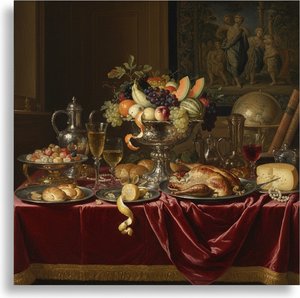
Abraham Hendricksz van Beyeren: Pioneering Dutch Still Life & the Banquet Tradition
Explore the captivating world of Dutch Golden Age still life with Abraham van Beyeren. Discover his innovative techniques, symbolic banquet scenes & lasting influence on art history. Learn about collecting these masterpieces.

A Era de Ouro Holandesa: 10 Mestras-Obras Imperdíveis para Decorar com Arte
Descubra as 10 obras-primas da Era de Ouro Holandesa! Explore a história, técnica e beleza atemporal de Rembrandt, Vermeer e outros mestres. Encontre reproduções de arte exclusivas para decorar sua casa com elegância em OriginalUniqueArt.com.

Rembrandt van Rijn: As 25 Obras-Primas que Definem um Mestre da Luz e Sombra | OriginalUniqueArt
Descubra as 25 obras-primas de Rembrandt van Rijn, o mestre da luz e sombra! Explore a história por trás de 'A Ronda Noturna', seus auto-retratos e muito mais. Encontre reproduções de arte exclusivas para decorar sua casa com OriginalUniqueArt.com.