

 Enviar
 Compartilhar
 Ver detalhes

 Baixar
 Semelhantes
 Apresentação de slides
Wraparound skirt
 Textile
 50.0 x 112.0 cm
 Museu Afro Brasil Emanoel Araujo
 Ver mais
Reprodução em Óleo Feita à Mão
Óleo sobre tela pintado à mão no seu tamanho e moldura, feito sob encomenda pelos nossos artistas. ( Encomendar impressão Comprar imagem em alta resolução)




































Escolha entre os nossos tamanhos pré-definidos que respeitam as proporções originais da obra de arte.

Pode inserir as suas próprias dimensões para se adequar a uma moldura ou espaço específico. Se o tamanho selecionado não corresponder às proporções da imagem original, iremos cortar a obra de arte ou estender a pintura com elementos adicionais pintados à mão. Um esboço digital será enviado para sua aprovação antes do início da produção.
Tenha em atenção que a pré-visualização no ecrã não reflete o corte ou extensão real. Apenas o esboço mostrará com precisão a composição final.
Embora tamanhos personalizados estejam disponíveis, recomendamos selecionar uma dimensão da lista predefinida para preservar as proporções originais.
Após o pedido, a equipa OriginalUniqueArt.com enviará um e-mail ao cliente para solicitar instruções e fornecer uma prévia do esboço.
Entrega mundial () em 3 a 4 semanas, em vez das 5 semanas padrão. (22 Agosto). Sem comprometer a qualidade.

Envio Expresso Gratuito para todo o Mundo

Tela de Linho Premium

Seguro de transporte total

Garantia de Reembolso de Impostos Alfandegários

Garantia de Fidelidade de Cor

Política de Devolução de 60 Dias (Apenas para Defeitos)

Garantia de reembolso de 100%

Desconto para múltiplas unidades
 A opção de vidro está disponível apenas para tamanhos inferiores a 110 cm

Wraparound skirt
Técnica de Reprodução
Dimensões da Reprodução
-


Preço Total
$ 300
Descrição da Obra
The Tactile Poetry of Congolese Heritage
In the intricate dance of fibers and color, the Wraparound skirt stands as a profound testament to the enduring artistry of the Bakuba, Bushongo people of the Democratic Republic of the Congo. This textile is not merely a garment but a woven narrative, a masterpiece of texture that captures the very essence of the Kasai region's soul. At its heart lies the raffia, a resilient material harvested from the leaves of palm trees, which serves as the foundational canvas for this extraordinary work. The process of creating such a piece is a communal symphony; it involves the meticulous preparation of thin fibers by men, women, and children alike, transforming raw nature into a sophisticated medium of cultural expression. To behold this textile is to witness the convergence of human labor and botanical grace, where every thread tells a story of ancestral continuity.
The visual language of the piece is defined by its mesmerizing checkered pattern, a rhythmic arrangement of earth tones and striking contrasts. Deep browns, sun-drenched yellows, and stark blacks interlock with crisp whites to create a geometric complexity that captivates the eye. This interplay of light and shadow within the small, intricate squares suggests a depth that transcends the flat surface of the cloth. The technique, often referred to as Kasaï velvet, involves a laborious ornamentation process where embellishments are added to the base textile, creating a relief-like quality that invites the touch. For the discerning collector or interior designer, this piece offers a sophisticated geometric aesthetic that bridges the gap between ancient tradition and contemporary luxury.
Beyond its physical beauty, the Wraparound skirt carries a profound emotional weight, embodying the resilience and cultural pride of the Bushongo people. The rhythmic repetition of the pattern evokes the steady pulse of traditional Congolese rhythms, mirroring the innovation found in the legendary sounds of Empire Bakuba. In a modern interior, such a piece serves as more than decoration; it acts as a focal point of conversation and a window into a rich, living history. Whether displayed as a textile art piece or integrated into a curated collection of global artifacts, its presence brings an organic warmth and a sense of timelessness to any space, offering an unparalleled connection to the vibrant spirit of Central Africa.
Biografia do Artista
The Legacy of Empire Bakuba: Congolese Soul Music’s Enduring Influence
Empire Bakuba stands as a monumental figure in the history of Congolese music, embodying the spirit of innovation and cultural pride that defined the soukous genre during its golden age. Founded in 1972 by Pepe Kalle—a charismatic performer who became synonymous with Congolese musical identity—the band swiftly ascended to prominence, captivating audiences with its distinctive blend of traditional rhythms and contemporary instrumentation. More than just a band, Empire Bakuba represented a powerful symbol of resilience and artistic vision amidst turbulent political times.Origins and Early Years: A Fusion of Tradition and Innovation
The genesis of Empire Bakuba can be traced back to Lipua Lipua, a collective spearheaded by Pepe Kalle alongside Papy Tex and Dilu Dilumona—all seasoned musicians who had previously collaborated on African Choc. Recognizing the potential for blending Congolese musical heritage with global influences, Kalle envisioned a band that would not only entertain but also narrate the story of Congo’s cultural landscape. Their debut album, *Nazingi Maboto*, established this ethos immediately, showcasing a masterful fusion of tribal percussion and melodic guitar riffs—a stylistic hallmark that would characterize their entire oeuvre. The band's early performances were marked by elaborate stage productions featuring acrobats and dancers, reflecting the vibrant energy of Kinshasa’s musical scene during the 1970s and cementing Empire Bakuba’s reputation as a trailblazer.Musical Style and Artistic Identity
Empire Bakuba’s signature sound—often described as “Kwassa Kwassa”—was instantly recognizable for its infectious groove, driven by complex polyrhythms rooted in Bantu traditions. The band's instrumentation included guitars, keyboards, bass, drums, and percussion instruments sourced from across the DRC, creating a sonic tapestry that mirrored the country’s diverse cultural heritage. Pepe Kalle’s leadership was instrumental in shaping this artistic vision; he championed a theatrical approach to performance—incorporating acrobats, dancers, and elaborate costumes—that elevated Empire Bakuba beyond mere musical entertainment into a spectacle of Congolese culture. Notably, their music frequently tackled social themes, addressing issues of poverty, injustice, and political oppression with lyrical honesty and emotional depth.Notable Albums and Performances: Defining the Soukous Soundscape
Empire Bakuba’s discography boasts several albums that solidified its place in soukous history. *Chérie Ondi*, released in 1982, became a massive hit, propelling Empire Bakuba to international acclaim—particularly in Europe—where their music resonated with audiences eager for authentic African sounds. Albums like *Bonana 85* and *La Belle Etoile* continued to showcase the band’s musical prowess and cemented its status as one of Congo's most celebrated artists. Performances were equally impactful, captivating audiences worldwide with Kalle’s commanding stage presence and Empire Bakuba’s mesmerizing choreography. Their concerts became synonymous with Congolese cultural pride—a celebration of rhythm, dance, and storytelling that transcended linguistic barriers.Legacy and Influence: Shaping Congolese Music Forever
Despite facing challenges during the tumultuous years following Pepe Kalle's death in 1998—including logistical difficulties and a decline in album sales—Empire Bakuba endured as a symbol of Congolese musical tradition. The band’s enduring influence can be seen in subsequent generations of soukous artists who adopted its stylistic innovations and embraced its commitment to social commentary. Furthermore, Empire Bakuba's contribution to the broader cultural landscape extends beyond music; it represents an embodiment of Congo’s artistic spirit—a testament to creativity, resilience, and the power of musical expression to convey profound narratives about identity and heritage. Today, Empire Bakuba continues to perform sporadically, ensuring that Pepe Kalle’s legacy—and the band's distinctive sound—lives on for future generations of Congolese music lovers.
bakuba, bushongo
Democratic Republic of the Congo
Informações Rápidas
- Artistic Movement Or Style: Soukous
- Artists Or Movements Influenced By This Artist: ['Kwassa Kwassa']
- Artists Who Influenced This Artist: ['Grand Kalle']
- Date Of Death: 1998
- Full Name: Pepe Kalle
- Nationality: Congolese
- Notable Artworks:
- Nazingi Maboto
- Chérie Ondi
- Place Of Birth: Kinshasa, DRC
Artigos Relacionados

As 10 Pinturas Mais Famosas Dominadas pelo Preto: Arte, História e Decoração
Descubra as 10 pinturas mais icônicas dominadas pelo preto! Explore a história, técnica e emoção por trás de obras-primas do Romantismo, Realismo e Expressionismo. Encontre reproduções de arte exclusivas na OriginalUniqueArt.com.
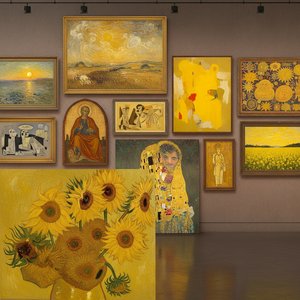
As 10 Obras Mais Famosas Dominadas pelo 'Amarelo Cromo': Arte e Decoração
Descubra as 10 pinturas mais famosas dominadas pelo vibrante 'amarelo cromo'! Explore a história de Van Gogh, Monet e outros mestres. Encontre reproduções de arte exclusivas para decorar sua casa com elegância em OriginalUniqueArt.com.
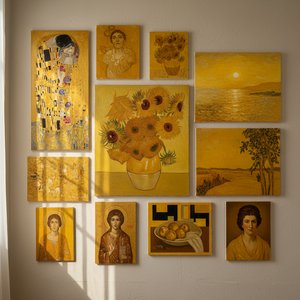
As 10 Obras-Primas Mais Famosas em Tons de Ocre Amarelo | OriginalUniqueArt
Descubra as 10 pinturas mais icônicas dominadas pelo ocre amarelo! Explore a história de Van Gogh, Monet e outros mestres. Encontre reproduções de arte de alta qualidade para decorar sua casa com OriginalUniqueArt.com.
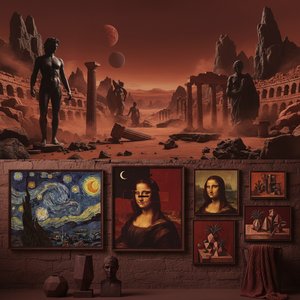
As 10 Obras Mais Famosas Dominadas pelo Preto Marsala: Arte e Decoração
Descubra as 10 pinturas mais icônicas dominadas pelo preto marsala! Explore a história, artistas e técnicas por trás de obras-primas do barroco ao expressionismo. Encontre reproduções de arte exclusivas para decorar seu lar com elegância em OriginalUniqueArt.com.
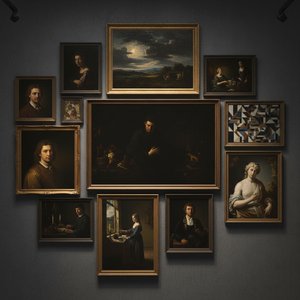
Mestres do Preto: 10 Pinturas Famosas e a Elegância da Lamp Black | OriginalUniqueArt
Descubra 10 pinturas famosas dominadas pelo elegante tom 'lamp black'. Explore a história, artistas como Rembrandt e Caravaggio, e o poder do preto na arte clássica. Encontre reproduções de alta qualidade para sua decoração em OriginalUniqueArt.com!

