Basque pilgrimage (Aurelio de Arteta y Errasti)
Aurelio de Arteta y Errasti (1879–1940) criou Basque pilgrimage. É feito em Oil.
- Oil

 Visualizar na parede

 Pintura a Óleo Feita à Mão
 Compartilhar
 Compartilhar
 Ficha técnica


 Baixar imagem
 Semelhantes
 Raio X
 Ver diaporama
 Perguntas e Respostas

 Estatísticas
Basque pilgrimage, em resumo
- Título
- Basque pilgrimage
- Artista
- Aurelio de Arteta y Errasti (1879–1940)
- Artista nascido em
- Bilbau, Espanha
- Técnica
- Oil
- Período
- Modern
- Tema
- people
O que Basque pilgrimage retrata?
A Celebration of Basque Spirit
In the evocative masterpiece Basque Pilgrimage, the legendary Spanish painter Aurelio Arteta invites us into a moment of profound communal joy. The canvas unfolds as a vibrant tapestry of human connection, capturing a large gathering of people nestled within a lush, verdant field. As one gazes upon the scene, there is an immediate sense of movement and life; figures are scattered across the landscape, some seated peacefully upon the grass while others engage in the rhythmic grace of dance. The atmosphere is thick with the spirit of festivity, punctuated by the delicate glint of wine glasses held aloft and the casual presence of bottles and bowls that suggest a shared feast. It is not merely a depiction of a social event, but a soulful tribute to the enduring strength of community traditions.
Arteta, a master of blending the structural clarity of Cubism with the emotive depth of Social Realism, employs a technique that breathes life into every subject. The composition is meticulously balanced, guiding the eye through the undulating crowd and across the scattered elements of the picnic. His brushwork, while grounded in a certain monumental solidity characteristic of his style, manages to capture the ephemeral lightness of a summer afternoon. The interplay of light and shadow across the various textures—from the soft blades of grass to the diverse fabrics of the attendees' clothing—creates a sense of three-dimensional presence that makes the scene feel almost tangible to the viewer.
Symbolism and Cultural Resonance
Beyond its surface beauty, Basque Pilgrimage serves as a poignant window into the cultural identity of the Basque region. During an era marked by significant socio-political shifts in Spain, Arteta turned his gaze toward the foundational rhythms of rural life. The pilgrimage itself acts as a powerful symbol of shared faith, heritage, and the cyclical nature of tradition. Each figure in the painting represents a thread in the larger social fabric, contributing to a collective narrative of resilience and togetherness. The presence of food and drink is not merely incidental; it symbolizes the bounty of the land and the ritualistic importance of breaking bread as a community.
For the discerning collector or interior designer, this artwork offers much more than aesthetic appeal. It provides an emotional anchor for a space, bringing a sense of warmth, stability, and historical depth. The painting’s ability to evoke nostalgia while celebrating the vitality of life makes it a timeless addition to any curated collection. Whether placed in a grand salon or a quiet study, a high-quality reproduction of this work serves as a conversation piece that honors the artistry of the early 20th-century Spanish Modernist movement and the unbreakable bonds of human fellowship.
Imagens em alta resolução de Basque pilgrimage

Aurelio de Arteta y Errasti, Basque pilgrimage. Domínio público.
Perguntas sobre Basque pilgrimage respondidas
Qual é a técnica utilizada em "Basque pilgrimage", de Aurelio de Arteta y Errasti?
A técnica de "Basque pilgrimage", de Aurelio de Arteta y Errasti é Oil. As reproduções visam reproduzir a aparência desta técnica.
O que "Basque pilgrimage", de Aurelio de Arteta y Errasti retrata?
Os temas de "Basque pilgrimage" são people.
"Basque pilgrimage" está em domínio público?
Informação de direitos autorais para "Basque pilgrimage", de Aurelio de Arteta y Errasti: a obra está em em domínio público — seus direitos autorais expiraram. Isso determina se reproduções da imagem podem ser feitas livremente.
Quem é o artista por trás de "Basque pilgrimage"?
O artista por trás de "Basque pilgrimage" é Aurelio de Arteta y Errasti. A obra está catalogada sob o nome de Aurelio de Arteta y Errasti.
Por que o status de direitos autorais de "Basque pilgrimage" é como é?
"Basque pilgrimage", de Aurelio de Arteta y Errasti, está em em domínio público — seus direitos autorais expiraram. Os termos de direitos autorais são calculados a partir do falecimento do artista, e Aurelio de Arteta y Errasti faleceu em 1940.
Sobre o artista, Aurelio de Arteta y Errasti

1879–1940, Espanha
Aurelio de Arteta y Errasti
Os Primeiros Anos e a Formação Artística Aurelio Arteta Errasti, nascido na vibrante cidade portuária de Bilbao, Espanha, em 1879, emergiu como uma figura central do Modernismo Espanhol no início do século XX. Sua trajetória artística estava profundamente entrelaçada com as correntes sociopolíticas da sua época e o dinâmico cenário cultural europeu. Embora enraizado nas tradições bascas, o caminho de Arteta o levou muito além das fronteiras regionais, moldando um estilo único que combinava Simbolismo, Cubismo e Realismo Social. Os primeiros anos de sua vida foram marcados pela mobilidade; uma mudança familiar para Valladolid em 1894 devido ao trabalho de seu pai instilou um senso de adaptabilidade e observação.
Sobre Aurelio de Arteta y Errasti Obras notáveis de Aurelio de Arteta y Errasti
Também de Aurelio de Arteta y Errasti
 Diálogo en el campo de sport
 Pescadores - La Galerna
 La mina
 To the pilgrimage

Ensaios sobre Basque pilgrimage
 25 Masterpieces by Rogier van der Weyden: The Pinnacle of Emotional ArtImmerse yourself in the profound emotion of Rogier van der Weyden’s greatest works. From Northern Renaissance mastery to exquisite textures…
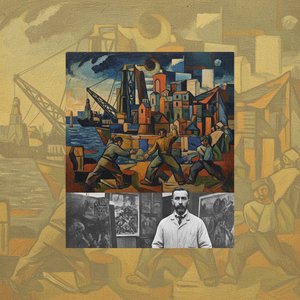 Aurelio Arteta: Navigating Modernity Through Color & Form – A Comprehensive ExplorationExplore the captivating world of Aurelio Arteta, a pivotal Spanish Modernist painter. Discover his unique blend of Symbolism, Cubism & Soci…
 Akseli Gallen-Kallela: Shaping Finnish Identity Through National Romanticism & SymbolismExplore the captivating world of Akseli Gallen-Kallela, Finland's iconic National Romantic painter. Discover his symbolic landscapes, Kalev…