

 Visualizar na parede
 Compartilhar
 Compartilhar
 Detalhes
 Guia
Guia

 Baixar imagem
 Semelhantes
 Raio X
 Ver diaporama
 Estatísticas
The Stranded Ship


 Ler mais
Reprodução em Óleo Feita à Mão
Óleo sobre tela pintado à mão no tamanho e moldura de sua escolha, feito sob encomenda pelos nossos artistas. ( Alternar para Impressão Alternar para Imagem Digital)




P118B €10

P118H €10

P118W €10

P438Z €10

P508JH €12

P508YH €12

P805H €10

P805Z €10

P919BZ €10

P919G €10

P919XJ €10

P959ZH €10

P968JZ €12

W106C €8

W218G €10

W218JH €8

W218Y €10

W307PJ €10

W316G €10

W316PJ €8

W316Y €10

W398PJ €8

W4111J €10

W500HY €15

W500JH €15

W692G €12

W849H €8

W940BG €15

W953PJ €8




Escolha entre os nossos tamanhos pré-definidos que respeitam as proporções originais da obra de arte.

Insira a largura e a altura desejadas para se ajustarem à sua moldura ou parede. Como esta obra é pintada à mão, para um tamanho com proporções diferentes, o artista poderá pintar um pouco mais ao redor da imagem ou reduzir ligeiramente a composição — você escolhe. Enviamos uma maquete digital para sua aprovação antes de iniciar a pintura. A imagem exibida nesta página não representa o resultado real — apenas a maquete mostra o resultado final.
Após o pedido, a equipa OriginalUniqueArt.com enviará um e-mail ao cliente para solicitar instruções e fornecer uma prévia do esboço.
Entrega mundial () em 3 a 4 semanas, em vez das 5 semanas padrão. (25 Outubro). Sem comprometer a qualidade.

Envio expresso gratuito para todo o mundo

Tela de Linho de Alta Qualidade

Seguro de transporte completo

Garantia de Reembolso de Impostos Alfandegários

Garantia de Fidelidade Cromática

Política de Devolução em 100 Dias (Apenas para Defeitos)

Garantia de reembolso de 100%

Oferta de desconto por quantidade
 A opção de vidro está disponível apenas para tamanhos inferiores a 110 cm

The Stranded Ship
Técnica de Reprodução
Tamanho da Reprodução
-


Preço Total
€ 263
The Stranded Ship: A Study in Light, Loss, and Resilience
Asher Brown Durand’s “The Stranded Ship,” painted in 1844, is more than just a depiction of a maritime disaster; it's a profound meditation on the precariousness of human existence against the backdrop of nature’s immense power. This monumental oil painting, now meticulously reproduced for discerning collectors and interior designers alike, captures a pivotal moment – a ship caught in the relentless embrace of a storm-tossed sea, its sails furled, its fate uncertain. Durand, a leading figure of the Hudson River School, masterfully employed Luminist techniques to evoke both the drama of the scene and an underlying sense of serene contemplation.
The composition is strikingly balanced, drawing the eye immediately to the central vessel, a sturdy schooner battling against towering waves. The artist’s meticulous attention to detail—the churning water, rendered with subtle gradations of blue and grey; the weathered planks of the ship; the delicate rigging straining under the wind – speaks volumes about Durand's commitment to realism and his deep understanding of natural phenomena. Yet, it is not merely a realistic portrayal; Durand imbues the scene with an almost ethereal quality through his masterful use of light. The setting sun casts a warm, golden glow upon the water, transforming the turbulent waves into shimmering ribbons of amber and gold. This interplay of light and shadow creates a powerful emotional resonance, suggesting both beauty and impending doom.
A Window into 19th-Century America
“The Stranded Ship” is firmly rooted in the artistic and intellectual currents of mid-19th century America. The Hudson River School, to which Durand belonged, rejected the European Romantic tradition’s emphasis on dramatic emotion and instead focused on celebrating the beauty and grandeur of the American landscape. Artists like Durand sought to capture the essence of nature – its sublime power, its intricate details, and its profound spiritual significance. This painting reflects a broader cultural shift towards valuing the natural world and embracing a sense of national identity rooted in the vastness and diversity of the American wilderness.
The historical context is also crucial. Painted during a period of rapid industrialization and westward expansion, “The Stranded Ship” can be interpreted as an allegory for America’s own journey – a nation forging its path amidst challenges and uncertainties. The ship represents humanity's vulnerability in the face of nature’s forces, while the setting sun symbolizes the passage of time and the inevitability of change. Interestingly, the painting was commissioned by Henry S. Mulligan, a prominent New York businessman, suggesting a connection between artistic contemplation and the realities of commerce and progress.
Symbolism and Emotional Resonance
Beyond its literal depiction of a shipwreck, “The Stranded Ship” is rich in symbolic meaning. The ship itself represents human ambition, resilience, and the enduring spirit of exploration. Its vulnerability underscores the limitations of human control and the humbling power of nature. The birds circling overhead—a lone gull and a flock of smaller seabirds—add another layer of interpretation, perhaps suggesting both hope (the solitary bird) and the cyclical nature of life and death.
Durand’s masterful use of color and light contributes significantly to the painting's emotional impact. The warm hues of the sunset evoke feelings of nostalgia, tranquility, and a sense of melancholy. Simultaneously, the turbulent waves convey a feeling of unease and impending danger. The overall effect is one of profound beauty tinged with sadness – a poignant reminder of the fragility of life and the enduring allure of the natural world. It’s a scene that invites contemplation on themes of fate, survival, and the relationship between humanity and its environment.
A Timeless Masterpiece for Your Space
Today, “The Stranded Ship” continues to captivate viewers with its breathtaking beauty and profound emotional depth. High-quality reproductions offer a remarkable opportunity to bring this iconic artwork into your home or office – transforming any space into a sanctuary of artistic inspiration. Whether you’re an art collector, an interior designer seeking to create a sophisticated atmosphere, or simply someone who appreciates the power of visual storytelling, Durand's masterpiece is sure to resonate deeply.
Consider a canvas print for a truly immersive experience, or explore framed options that complement your existing décor. With meticulous attention to detail and archival quality materials, our reproductions faithfully capture the essence of this timeless work of art – allowing you to own a piece of American artistic history.
Perguntas e Respostas
Onde posso ver a obra original "The Stranded Ship", de Asher Brown Durand?
"The Stranded Ship", de Asher Brown Durand está em exibição no Galeria Nacional de Arte, Washington, USA. A referência ao museu diz respeito à obra original, não a reproduções.
Qual tamanho de reprodução é sugerido para "The Stranded Ship", de Asher Brown Durand?
Sugere-se uma reprodução de Medium para "The Stranded Ship", de Asher Brown Durand. O tamanho pode ser ajustado mantendo as proporções.
Quão saturada é a paleta de "The Stranded Ship"?
As cores de "The Stranded Ship", de Asher Brown Durand possuem uma saturação Balanced Soft. A saturação descreve o quão vívidas ou suaves são as cores.
Biografia do Artista
A Vida de Asher Brown Durand: Um Legado na Paisagem Americana
Asher Brown Durand, nascido em 21 de agosto de 1796, em Maplewood, Nova Jersey, não foi inicialmente destinado a uma vida imersa em tintas e telas. Seus primeiros anos foram moldados pelo mundo prático de seu pai, um relojoeiro e ourives, que lhe inculcou uma meticulosa atenção aos detalhes – uma habilidade que mais tarde influenciaria profundamente sua abordagem artística. Essa base artesanal o levou a uma aprendizagem com o gravador Peter Maverick em 1812, um caminho que inicialmente parecia definir sua carreira. Durand rapidamente se revelou excepcionalmente talentoso, tornando-se sócio da firma e estabelecendo sua filial em Nova York City. Sua reputação como gravador ascendeu após concluir meticulosamente a reprodução de *A Declaração de Independência* de John Trumbull em 1823 – um feito que consolidou sua posição na comunidade artística. No entanto, sob a precisão da gravação, fervilhava uma paixão crescente por capturar a beleza crua do mundo natural, uma vocação que o levaria a se tornar uma figura fundamental na arte americana.Da Gravação à Adoção da Paleta Natural
A transição de um gravador meticuloso para um renomado pintor não foi imediata. Durand continuou seu trabalho de gravação enquanto explorava simultaneamente a pintura, inicialmente concentrando-se em retratos e cenas do cotidiano. Um ponto crucial surgiu com o patrocínio de Luman Reed na década de 1830, que o encorajou a abraçar plenamente suas inclinações artísticas. O apoio de Reed permitiu que Durand se dedicasse mais completamente à pintura, um empreendimento ainda mais aceso por uma transformação inspiradora em uma expedição de esboço com seu amigo próximo, Thomas Cole, nos Adirondacks em 1837. Essa jornada para as terras selvagens revelou-lhe sua verdadeira vocação – capturar a grandiosidade sublime da paisagem americana. Ele começou a passar seus verões imerso na natureza, documentando meticulosamente os Catskills, Adirondacks e Montanhas White com inúmeros desenhos e pinturas a óleo. Esses estudos não eram meras adições preparatórias, mas se tornaram parte integrante de seu processo artístico, influenciando as composições e detalhes de suas obras finais.Um Voz Fundadora da Escola do Rio Hudson
A dedicação de Durand à pintura de paisagem o colocou no centro de um crescente círculo de artistas que compartilhavam uma visão semelhante – um grupo que logo se tornaria conhecido como a Escola do Rio Hudson. Ele foi um dos seus membros fundadores, ao lado de Cole, e desempenhou um papel vital na definição da estética característica da escola. A Escola do Rio Hudson não era simplesmente sobre representar paisagens; era sobre imbuir as paisagens com ressonância emocional e significado espiritual. As obras de Durand refletem essa filosofia, caracterizadas por uma precisão meticulosa combinada com um senso romântico. Ele acreditava em observar a natureza com rigor implacável, mas também reconhecia seu poder para evocar sentimentos de admiração, reverência e o sublime. Suas pinturas não eram apenas representações de lugares; eram expressões de sua profunda conexão com a natureza americana e uma celebração da criação divina.Influências e Evolução Artística
A influência de Cole foi fundamental na jornada de Durand. A amizade e a colaboração entre os dois artistas foram notáveis, com ambos se inspirando mutuamente em suas explorações da paisagem americana. A visita aos Adirondacks, em particular, marcou um ponto de virada, levando Durand a abandonar a gravação e dedicar-se integralmente à pintura a óleo. Ele passou anos estudando as técnicas dos mestres europeus, especialmente John Constable, que havia visto em Londres, e incorporou esses conhecimentos em seu próprio estilo. A influência de Cole também se manifestou na ênfase de Durand no desenho direto da natureza, buscando capturar a essência das paisagens com o máximo realismo possível. Sua obra *Kindred Spirits*, pintada em 1849 como uma homenagem a Cole após sua morte, exemplifica essa fusão de elementos românticos e naturalistas.Legado e Influência Duradoura
A influência de Durand se estendeu além de suas próprias obras artísticas. Ele serviu como presidente da National Academy of Design de 1845 a 1861, utilizando sua posição para defender a arte americana e nutrir talentos emergentes. Também escreveu perspicazes “Cartas sobre Pintura de Paisagem” publicadas no *Crayon* – uma importante publicação artística da época – articulando seus princípios artísticos e defendendo a observação direta da natureza. Seu compromisso com o realismo e a representação detalhada estabeleceu um padrão elevado para as gerações posteriores de pintores de paisagens. Suas obras, como *Kindred Spirits*, tornaram-se representações icônicas do estilo da Escola do Rio Hudson e continuam a ressoar com os espectadores até hoje. A pintura, que retrata Cole e o poeta William Cullen Bryant em uma paisagem serena, encapsula a reverência da escola pela natureza e sua crença no poder da arte para conectar a humanidade com o divino. Durand deixou um legado que transcende suas capturas visuais, influenciando profundamente a pintura de paisagens americana e seu compromisso inabalável em capturar a beleza e o significado espiritual da terra.
Asher Brown Durand
1796 - 1886 , Estados Unidos da América
Dados Rápidos
- Artistic Movement Or Style: Escola do Rio Hudson
- Artists Or Movements Influenced By This Artist: ['Escola do Rio Hudson']
- Artists Who Influenced This Artist: ['Thomas Cole']
- Date Of Birth: 21 de agosto de 1796
- Full Name: Asher Brown Durand
- Nationality: Americano
- Notable Artworks:
- Almas Gêmeas
- Árvore Solitária
- Esboço na Floresta
- Place Of Birth: Maplewood, EUA
Artigos Relacionados
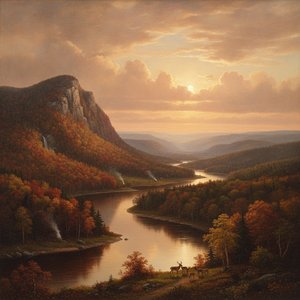
The Hudson River School: A Definitive Guide to America's Romantic Landscape Tradition
Explore the profound legacy of the Hudson River School. Discover how masters like Thomas Cole captured the American sublime through Romanticism and Luminism. A definitive guide for art historians and collectors seeking to understand America's wild beauty.

Envio e Devoluções
APS oferece envio de arte internacional com o cuidado de nível museu, rastreamento completo e garantia de reembolso em 100 dias. Do suporte aduaneiro ao Priority Production, confie em um serviço transparente, embalagem segura e entrega confiável para colecionadores, designers e galerias.

As 10 Obras-Primas que Definiram a Escola do Rio Hudson | Arte e Decoração de Luxo
Descubra as 10 obras-primas da Escola do Rio Hudson! Explore a beleza das paisagens americanas de Thomas Cole, Frederic Church e outros mestres. Encontre reproduções de arte exclusivas para decorar sua casa com elegância em OriginalUniqueArt.com.
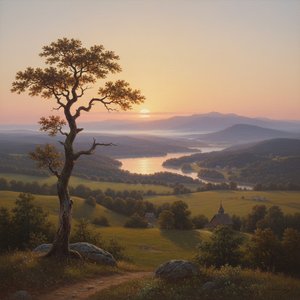
Asher Brown Durand: Luminism, Landscape & the American Ideal – A Comprehensive Exploration
Explore the life & art of Asher Brown Durand, a founding member of the Hudson River School. Discover his masterful landscapes, Luminist techniques, and lasting impact on American painting. Learn about key works like 'Kindred Spirits' & collecting Durand today.
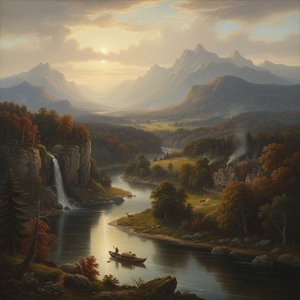
Capturing the American Spirit: A Journey Through Iconic Landscapes and the Legacy of the Hudson River School
Explore the profound beauty of American art history. From the Hudson River School to iconic landscapes, discover a curated journey through the masterpieces that defined a nation's spirit and the enduring legacy of American Romanticism.

