

 Visualizar em escala
 Enviar
 Compartilhar
 Ver detalhes
 Guia de Obras do Aluno

 Baixar imagem
 Semelhantes
 Raio X
 Apresentação de slides
 Estatísticas
Tarquinius and Lukretia
 Acrylic On Canvas
- WallArt
- Baroque Realism
 226.0 x 262.0 cm
 Galeria de Pinturas do Sanssouci
 Ver mais
Giclée / Impressão de Arte
Impressão giclée ou em tela de qualidade de museu, com produção rápida e opções flexíveis de acabamento. ( Encomendar reprodução pintada à mão Ver Imagem Digital)




P118B $10

P118H $10

P118W $10

P438Z $10

P508JH $12

P508YH $12

P805H $10

P805Z $10

P919BZ $10

P919G $10

P919XJ $10

P959ZH $10

P968JZ $12

W106C $8

W218G $10

W218JH $8

W218Y $10

W307PJ $10

W316G $10

W316PJ $8

W316Y $10

W398PJ $8

W4111J $10

W500HY $15

W500JH $15

W692G $12

W849H $8

W940BG $15

W953PJ $8




Escolha entre os nossos tamanhos pré-definidos que respeitam as proporções originais da obra de arte.

Você pode inserir suas próprias dimensões para se ajustar a uma moldura ou espaço específico. Se o tamanho selecionado não corresponder às proporções da imagem original, iremos recortar a obra de arte ou estender a imagem com uma borda espelhada ou preenchimento sólido. Um mockup digital será enviado para sua aprovação antes do início da produção.
Por favor, observe que a visualização na tela não reflete o recorte ou a extensão real. Apenas o mockup mostrará com precisão a composição final.
Embora tamanhos personalizados estejam disponíveis, recomendamos selecionar uma dimensão da lista predefinida para preservar as proporções originais.
Entrega mundial () em 2 semanas, em vez das 4/5 semanas padrão. (26 Setembro)

Envio expresso gratuito para todo o mundo

Tela de Linho Premium

Seguro de transporte total

Garantia de Reembolso de Impostos Alfandegários

Garantia de Fidelidade de Cor

Política de Devolução em 100 Dias (Apenas para Defeitos)

Garantia de reembolso de 100%

Desconto para múltiplas unidades
 A opção de vidro está disponível apenas para tamanhos inferiores a 110 cm

Tarquinius and Lukretia
Giclée / Impressão de Arte
Dimensões da Reprodução
-


Preço Total
$ 80
A Testament to Courage Amidst Darkness: Artemisia Gentileschi’s “Tarquinius and Lukretia”
The painting "Tarquinius and Lukretia," attributed to Artemisia Gentileschi, stands as a hauntingly beautiful emblem of defiance against oppression—a dramatic depiction born from a moment of profound historical significance. Executed sometime around 1614-1615, this monumental canvas transcends mere visual representation; it’s an emotionally charged narrative rendered with Caravaggio’s revolutionary chiaroscuro technique, cementing Gentileschi's place as one of the foremost artists of her era and a pioneer for female creatives striving to break free from societal constraints.- Subject Matter & Narrative Depth: The scene portrays Lucretia, wife of Sextus Tarquinius Rufus—a Roman noble whose tyrannical rule culminated in the rape of Lucretia by his son Sextus Tarquinius Brutius Sextus Tarquinius Rufus’s actions sparked a rebellion that ultimately ousted the Etruscan monarchy from Rome. Gentileschi doesn't simply recount the event; she imbues it with psychological complexity, capturing Lukretia’s agonizing vulnerability and Tarquinius’s brutal disregard for human dignity. The composition meticulously guides the viewer’s gaze, emphasizing the horror of the act while simultaneously conveying Lucretia’s unwavering resolve.
- Caravaggio's Influence & Dramatic Lighting: Gentileschi’s artistic vision is undeniably indebted to Caravaggio—the undisputed master of tenebrismo. Like Caravaggio, she employs stark contrasts between light and dark to heighten the drama and create an atmosphere of palpable terror. The single shaft of light illuminating Lukretia’s face serves as a beacon of defiance against the encroaching darkness, symbolizing her inner strength and moral integrity. This masterful use of light isn't merely stylistic; it underscores the psychological impact of the scene—drawing the viewer into Lucretia’s tormented experience.
- Technique & Composition: Gentileschi’s meticulous brushwork contributes to the painting’s remarkable realism. She utilizes impasto – applying paint thickly onto the canvas – to sculpt textures and convey a sense of physicality, particularly evident in Lukretia's hands clutching her face. The pyramidal composition—with Lucretia at its apex—creates stability amidst chaos, mirroring the heroine’s unwavering determination. Furthermore, Gentileschi skillfully employs spatial perspective, subtly deepening the background to heighten the dramatic effect.
- Symbolism & Emotional Resonance: Beyond its narrative power, “Tarquinius and Lukretia” is laden with symbolic significance. The knife represents Tarquinius’s violence and brutality, while Lucretia's posture embodies courage and resistance—a refusal to succumb to despair in the face of injustice. The painting speaks powerfully to themes of honor, shame, and maternal sacrifice, resonating deeply within viewers centuries later.
- Legacy & Artistic Significance: Artemisia Gentileschi’s “Tarquinius and Lukretia” remains a cornerstone of Baroque art history—a testament to her artistic genius and a symbol of female empowerment. It continues to inspire artists and collectors alike, captivating audiences with its visceral depiction of human emotion and its unwavering commitment to portraying women as active agents in shaping historical narratives. Reproductions offer an opportunity to experience this masterpiece firsthand, bringing its dramatic beauty and profound symbolism into any interior space.
Biografia do Artista
A Daughter of Rome: The Life and Art of Artemisia Gentileschi
Artemisia Gentileschi’s name echoes through the halls of art history, resonating not simply as that of a painter, but as an emblem of resilience, defiance, and extraordinary artistic talent in a world determined to silence female voices. Born in Rome in 1593, she entered a milieu steeped in artistry—her father, Orazio Gentileschi, was a respected painter deeply influenced by the revolutionary realism of Caravaggio. From her earliest years, Artemisia’s gift was undeniable, nurtured within her father's workshop where she absorbed techniques of composition and the dramatic use of light and shadow that would become hallmarks of her distinctive style. This formative training wasn’t merely about mastering brushstrokes; it was an immersion into a world of artistic ambition, one typically closed to women. Recognizing his daughter’s exceptional talent, Orazio provided opportunities unavailable to most females of the era, allowing her to study from life models—a crucial step in developing anatomical accuracy and expressive power.Shadows and Strength: Artistic Development
Gentileschi's artistic development was profoundly shaped by Caravaggio’s tenebrism—the stark contrast between light and darkness that imbued his paintings with an intense emotionality. Yet, she didn’t simply mimic her father or Caravaggio; she forged her own unique voice, characterized by a raw psychological depth and a compelling focus on female subjects often depicted with unprecedented agency and strength. Even in her early works, like *Susanna and the Elders* (1610), a biblical scene depicting Susanna being spied upon by two lecherous old men, Artemisia’s interpretation diverges from traditional portrayals. Here, Susanna isn't passively vulnerable; she displays a quiet dignity and resistance, foreshadowing the powerful female figures that would dominate her later oeuvre. But it is *Judith Slaying Holofernes* (existing in multiple versions between 1614-1620) that cemented her reputation as a master of dramatic narrative and psychological realism. The painting isn’t merely a depiction of violence; it's an exploration of courage, determination, and the righteous fury of a woman defending her people. The visceral intensity, the unflinching portrayal of the act itself, shocked and captivated audiences then—and continues to do so today. Other notable works like *Judith and her Maidservant* (1625) and *Danaë* (c. 1636-1639) further demonstrate her evolving style, showcasing both vulnerability and power in her female protagonists. Her ability to render flesh with such realism, combined with a masterful use of chiaroscuro, created scenes that were both terrifying and deeply moving.A Trial by Fire: Trauma and Triumph
Artemisia’s life was irrevocably altered by a horrific event: her rape at the hands of Agostino Tassi, a fellow painter and colleague of her father. The ensuing trial (1611-1612) became a public spectacle, subjecting Artemisia to grueling questioning and societal scrutiny. While she bravely testified against Tassi, the proceedings were marred by bias and attempts to discredit her character. This trauma profoundly impacted her life and art, imbuing her work with an emotional intensity that some scholars believe is directly linked to her personal experiences. The trial itself became a symbol of the challenges faced by women seeking justice in a patriarchal society. Despite this ordeal, Artemisia refused to be defined by it. She continued to paint, moving between Rome, Florence, and Naples, establishing herself as a successful artist in her own right. In 1616, she achieved another milestone: becoming the first woman admitted to the Accademia di Arte del Disegno in Florence—a testament to her talent and perseverance. This achievement was not merely symbolic; it opened doors for future generations of female artists.Key Works
- Judith Slaying Holofernes (1614-1620): Perhaps her most famous work, showcasing dramatic realism and female empowerment.
- Susanna and the Elders (1610): An early masterpiece demonstrating her unique interpretation of a classic biblical scene.
- Judith and Her Maidservant (1625): A compelling portrayal of female solidarity and strength after a violent act.
- Danaë (c. 1636-1639): A sensual and psychologically complex depiction of the mythological figure.
Legacy of a Pioneer
Artemisia Gentileschi’s career spanned decades, marked by both artistic innovation and personal resilience. She worked for prominent patrons, including the Medici family, and established a thriving workshop, proving that women could not only excel as artists but also succeed in a traditionally male-dominated profession. For centuries, her work was often overshadowed by the circumstances of her life, viewed through the lens of scandal rather than artistic merit. However, beginning in the 20th century, there has been a significant reevaluation of her art, recognizing her as one of the most important and innovative painters of the Baroque period. Her paintings are now celebrated for their emotional depth, dramatic realism, and powerful depictions of women—not as passive objects but as active agents in their own narratives. Artemisia Gentileschi is more than just an artist; she’s a feminist icon, a trailblazer who defied societal expectations and left behind a legacy that continues to inspire generations. Her story serves as a potent reminder of the importance of recognizing and celebrating the contributions of women throughout history—and of ensuring that their voices are never silenced again. She painted not just with her hands, but with her soul.
Artemisia Gentileschi
1593 - 1656 , Itália
Informações Rápidas
- Artistic Movement Or Style: Barroco
- Artists Or Movements Influenced By This Artist:
- Feminismo
- Barroco
- Artists Who Influenced This Artist:
- Caravaggio
- Orazio Gentileschi
- Date Of Birth: 8 de julho 1593
- Date Of Death: 1656
- Full Name: Artemisia Gentileschi
- Nationality: Italiana
- Notable Artworks:
- Judite Decapitando
- Susanna e os Anciãos
- Danae
- Place Of Birth: Roma, Itália
Artigos Relacionados

Barroco Brasileiro: Opulência e Emoção para Interiores Contemporâneos
Descubra como o Barroco brasileiro pode transformar seus interiores! Explore a história, elementos-chave e dicas para integrar este estilo luxuoso e cheio de emoção em sua casa.

The Dramatic Flourish: Exploring the Baroque Movement's Enduring Legacy in Art History
Explore the dramatic world of Baroque art! Discover iconic artists like Caravaggio & Rubens, defining techniques, and its lasting impact on art history. Expert insights for collectors & enthusiasts at OriginalUniqueArt.

Beyond the Shadows: The Resurgence of Female Masters Artemisia Gentileschi and Berthe Morisot
Explore the profound resurgence of female masters Artemisia Gentileschi and Berthe Morisot. Discover how their revolutionary use of light, shadow, and intimacy redefined art history and continues to inspire sophisticated modern collections.
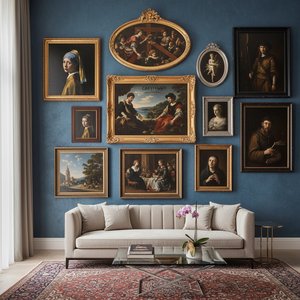
Barroco em Cores: 10 Obras-Primas que Moldaram a Pintura e Inspiram Decoração
Descubra as 10 obras-primas da pintura barroca que revolucionaram a arte! Explore Caravaggio, Rembrandt e Rubens. Encontre reproduções de alta qualidade e inspire sua decoração em OriginalUniqueArt.com.

Os 10 Mestres do Barroco: Obras-Primas que Moldaram a Arte e Decoram o Lar
Descubra os 10 maiores ícones do Barroco! Explore a história, técnica e emoção por trás de Caravaggio, Rembrandt, Bernini e outros mestres. Encontre reproduções de arte barroca para decorar seu lar com luxo em OriginalUniqueArt.com.


