 Visualizar na parede
 Compartilhar
 Compartilhar
 Detalhes
 Guia
Guia

 Baixar imagem
 Semelhantes
 Raio X
 Ver diaporama
 Q&A
Q&A Estatísticas
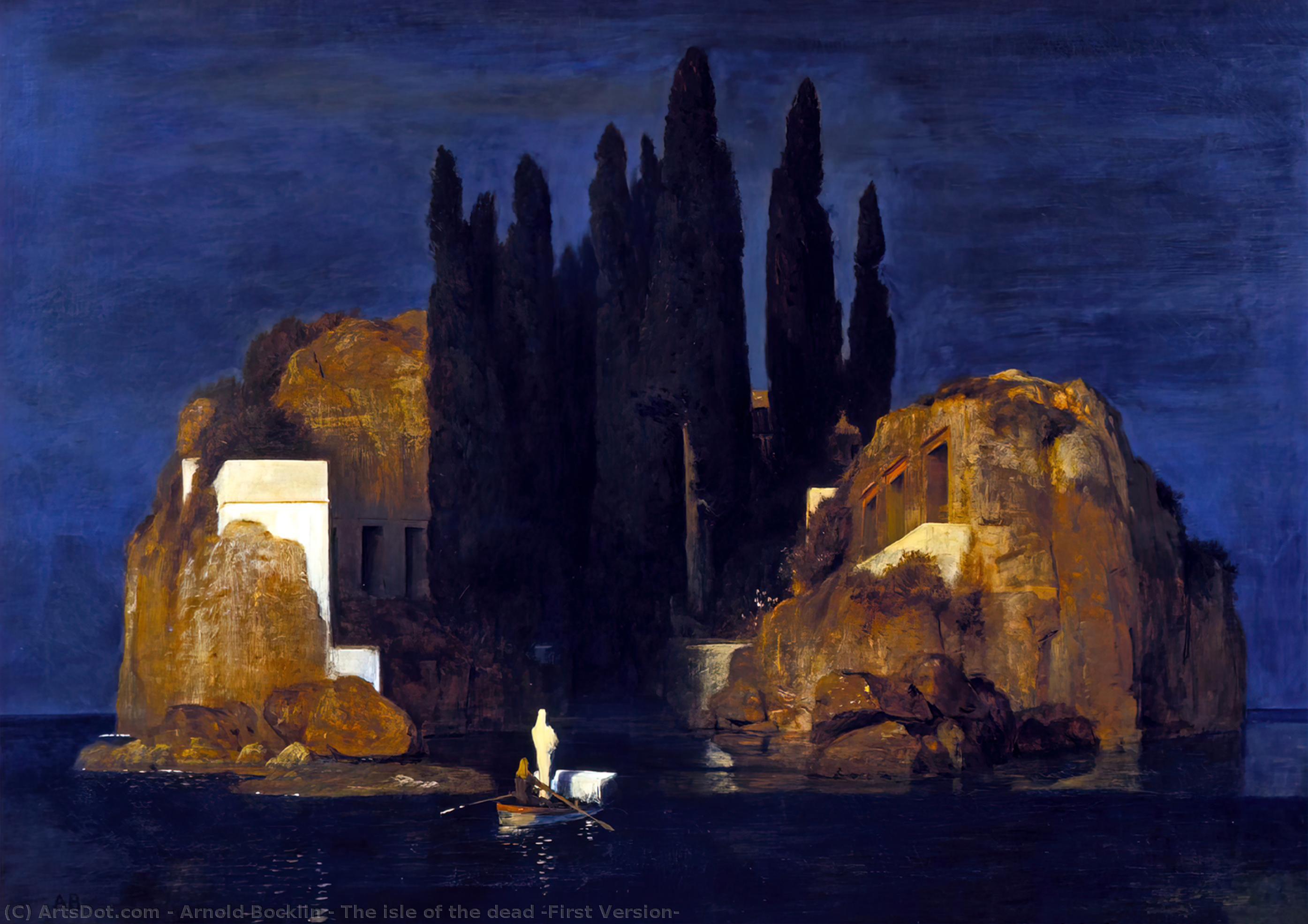
The isle of the dead (First Version)

- 111.0 x 155.0 cm


 Ler mais
Giclée / Impressão de Arte
Impressão giclée ou em tela de qualidade de museu, com produção rápida e opções flexíveis de acabamento. ( Comprar pintura feita à mão Alternar para Imagem Digital)




P118B €10

P118H €10

P118W €10

P438Z €10

P508JH €12

P508YH €12

P805H €10

P805Z €10

P919BZ €10

P919G €10

P919XJ €10

P959ZH €10

P968JZ €12

W106C €8

W218G €10

W218JH €8

W218Y €10

W307PJ €10

W316G €10

W316PJ €8

W316Y €10

W398PJ €8

W4111J €10

W500HY €15

W500JH €15

W692G €12

W849H €8

W940BG €15

W953PJ €8




Escolha entre os nossos tamanhos pré-definidos que respeitam as proporções originais da obra de arte.

Insira a largura e a altura desejadas para se ajustarem à sua moldura ou parede. Uma impressão pode ser apenas cortada, nunca ampliada além da imagem original; portanto, um tamanho com proporções diferentes resultará na perda de parte da imagem. Enviamos uma maquete digital para sua aprovação antes de realizarmos a impressão. A imagem exibida nesta página não mostra o corte real — apenas a maquete o faz.
Entrega mundial () em 2 semanas, em vez das 4/5 semanas padrão. (1 Novembro)

Envio expresso gratuito para todo o mundo

Tela de Linho de Alta Qualidade

Seguro de transporte completo

Garantia de Reembolso de Impostos Alfandegários

Garantia de Fidelidade Cromática

Política de Devolução em 100 Dias (Apenas para Defeitos)

Garantia de reembolso de 100%

Oferta de desconto por quantidade
 A opção de vidro está disponível apenas para tamanhos inferiores a 110 cm

The isle of the dead (First Version)
Giclée / Impressão de Arte
Tamanho da Reprodução
-


Preço Total
€ 71
A Journey into the Sublime: The Enigmatic World of Böcklin
In the quiet, shadowed corridors of art history, few images possess the haunting magnetism of Arnold Böcklin’s The Isle of the Dead (First Version). Completed in the early 1880s, this masterpiece serves as a profound gateway into the Symbolist movement, where the artist’s brush seeks not to mirror reality, but to evoke the intangible whispers of the soul. As one gazes upon this monumental canvas, they are immediately transported to a realm of profound stillness and spectral beauty. The scene is dominated by a desolate, rocky islet, rising sharply from dark, turbulent waters like a monument to the eternal. Towering cypress trees, those ancient sentinels of mourning, pierce the heavy atmosphere, their dark silhouettes anchoring the composition in a state of perpetual twilight. It is an immersive experience that invites the viewer to step away from the clamor of the modern world and enter a space of deep, meditative contemplation.
The emotional resonance of the work lies in its masterful use of chiaroscuro—the dramatic interplay between light and shadow. Böcklin employs a meticulous oil painting technique, utilizing smooth gradations of color to create an atmospheric gloom that feels almost tactile. The water, dark and brooding, seems to swallow the light, while the starkness of the rocks provides a sense of unyielding permanence. This technical precision allows for a palpable sense of mystery; every ripple in the water and every shadow cast by the cypress trees contributes to a narrative of solitude and transition. For the collector or interior designer, this painting offers more than mere decoration; it provides a focal point of immense gravity, capable of anchoring a room with its somber elegance and sophisticated depth.
Symbolism and the Voyage of the Soul
Beyond its striking aesthetic, the painting is a rich tapestry of mythological and folkloric references. The lone rowing boat, approaching the shore with a shrouded figure at its helm, serves as a powerful metaphor for the final journey of the deceased. Scholars often draw parallels to the classical myth of Charon, the ferryman of Hades, suggesting that this islet is a destination within the underworld itself. This interpretation imbues the work with a universal weight, touching upon the shared human experience of mortality and the mystery of what lies beyond the veil. The cypress trees, traditionally associated with cemeteries and grief, reinforce this theme of remembrance and the cyclical nature of life and death.
Böcklin himself remained famously elusive regarding his specific intentions, allowing the painting to remain an open vessel for individual interpretation. This ambiguity is precisely what gives the work its enduring power; it is a mirror for the viewer's own emotions, whether they find peace in its stillness or trepidation in its shadows. To possess a high-quality reproduction of this work is to invite a piece of the sublime into one's personal space—a constant reminder of the beauty found in the ephemeral and the profound strength found in silence. It is an ideal acquisition for those who appreciate art that challenges the intellect while deeply stirring the heart.
Perguntas e Respostas
Qual é o nível de contraste de "The isle of the dead (First Version)", de Arnold Böcklin?
O nível de contraste de "The isle of the dead (First Version)", de Arnold Böcklin é Gentle.
Em que fase da carreira de Arnold Böcklin se situa "The isle of the dead (First Version)", considerando a sua data?
A data de 1880 situa "The isle of the dead (First Version)" no Mature Period do desenvolvimento de Arnold Böcklin.
Qual é a técnica e a data de criação de "The isle of the dead (First Version)", de Arnold Böcklin?
A técnica de "The isle of the dead (First Version)", de Arnold Böcklin é Oil On Canvas, e a obra data de 1880.
Biografia do Artista
Early Life and Training
Arnold Böcklin, a figure of profound melancholy and haunting beauty, was born on October 16, 1827, in Basel, Switzerland—a city steeped in history and artistic tradition. His father, Christian Frederick Böcklin, descended from an old family rooted in the silk trade, while his mother, Ursula Lippe, hailed from the same city as well. From a young age, Arnold displayed a keen interest in art, enrolling at the Düsseldorf Academy under the tutelage of Johann Wilhelm Schirmer. It was here that he forged a lasting friendship with Anselm Feuerbach, a connection that would profoundly shape his artistic sensibilities. Böcklin’s time in Düsseldorf firmly placed him within the orbit of the Düsseldorf School of Painting, an environment known for its emphasis on realism and meticulous technique. This early training provided him with a solid foundation, but it was his subsequent travels and encounters that truly ignited his unique vision.Artistic Career and Symbolism
Böcklin’s artistic journey took him beyond the familiar landscapes of Düsseldorf, leading him through Paris and Rome—cities brimming with artistic heritage and inspiring new avenues for exploration. In Paris, he found work at the Louvre, immersing himself in the masterpieces of the Old Masters, a period that would deeply influence his later style. His time in Rome proved equally transformative, exposing him to the grandeur of classical architecture and the evocative atmosphere of the Italian countryside. This exposure led Böcklin to incorporate allegorical and mythological figures into his work—a departure from purely landscape painting—and to explore themes of death, mortality, and the subconscious. His early works, such as *Great Park*, showcased ancient mythology with a dramatic flair, establishing a distinctive style characterized by a blend of Romanticism, Symbolism, and a touch of the macabre. Pieces like *Nymph and Satyr* (1858) and *Sappho* (1859) further solidified his reputation as an artist capable of capturing both beauty and unsettling emotion. Notably, Böcklin’s self-portrait, *Portrait of Myself with Death Playing the Violin* (1872), stands out for its introspective nature and symbolic depth, offering a glimpse into the artist's own preoccupation with mortality.The Isle of the Dead and Last Years
Perhaps the most enduring legacy of Arnold Böcklin’s career is his five versions of *The Isle of the Dead* (1880-1886). This series, inspired by the English Cemetery in Florence—where his daughter was buried—became an iconic representation of death and remembrance. The paintings evoke a sense of profound melancholy and timelessness, drawing upon elements of Gothic architecture, classical mythology, and dreamlike imagery. *The Isle of the Dead* resonated deeply with audiences and artists alike, influencing figures such as the composer Rachmaninoff, who drew inspiration for his symphonic poem of the same name, and the Surrealist painter Salvador Dalí, who saw in Böcklin’s work a precursor to his own explorations of the subconscious. In his later years, Böcklin retreated to Italy, settling near Fiesole, where he continued to paint haunting landscapes and allegorical scenes—works that reflected his deepening preoccupation with death and the mysteries of the afterlife.Legacy and Influence
Arnold Böcklin’s impact on the art world extends far beyond his own creations. He is considered a pivotal figure in the development of Symbolism, a movement characterized by its emphasis on subjective experience, emotional intensity, and the exploration of hidden meanings. His work anticipated many of the themes and techniques that would later be embraced by Surrealist artists such as Max Ernst and Giorgio de Chirico, who saw in Böcklin’s paintings a profound expression of the irrational and the uncanny. Böcklin's distinctive style—characterized by its somber palette, evocative imagery, and symbolic depth—continues to fascinate and inspire artists today. His influence can be seen in countless works of art, literature, and music, solidifying his place as one of the most important and enigmatic figures in modern European art.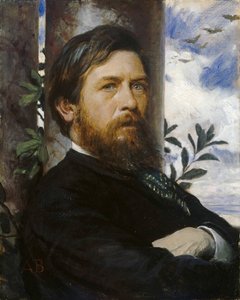
Arnold Böcklin
1827 - 1901 , Suíça
Dados Rápidos
- Artistic Movement Or Style: Simbolismo
- Artists Or Movements Influenced By This Artist:
- Hans Thoma
- Pre-Rafaelitas
- Artists Who Influenced This Artist:
- Schirmer
- Feuerbach
- Date Of Birth: 16 Out 1827
- Date Of Death: 16 Jan 1901
- Full Name: Arnold Böcklin
- Nationality: Suíço
- Notable Artworks:
- Ilha dos Mortos
- Ninfas e Sâtiros
- Safo
- Place Of Birth: Basel, Suíça
Artigos Relacionados
Os 10 Ícones do Simbolismo: Obras que Transformaram a Arte e Decoram sua Casa
Descubra os 10 quadros icônicos do Simbolismo! Explore a história de Klimt, Munch e Redon. Encontre reproduções de arte de alta qualidade para decorar sua casa com obras-primas atemporais. Explore a coleção completa em OriginalUniqueArt.com.

Hieronymus Bosch: As 25 Obras-Primas do Mestre da Fantasia | OriginalUniqueArt
Descubra as 25 obras-primas de Hieronymus Bosch, o mestre da fantasia medieval. Explore a simbologia, história e cores vibrantes de pinturas como 'Jardim das Delícias Terrenas'. Encontre reproduções de arte exclusivas para decorar sua casa com OriginalUniqueArt.com!
Thomas Barker of Bath: Landscape Painting & Societal Reflection in Early 19th-Century England
Explore the life & work of Thomas Barker of Bath, a key figure in 19th-century English Romanticism. Discover his Parisian success, iconic paintings like 'The Bride of Death', and lasting artistic legacy. Learn more at OriginalUniqueArt.

Echoes of Absence: Loss & Grief in Visual Art Through the Ages
Explore the profound history of grief in art, from Renaissance masterpieces to contemporary expressions. Discover how artists have captured loss, mourning, and mortality through powerful imagery & symbolism. OriginalUniqueArt offers expert insights.
Iconic Art of the 18th & 19th Centuries: Masterpieces for Your Home | OriginalUniqueArt
Journey through 18th & 19th century art! Explore iconic masterpieces by Monet, Van Gogh & more. Discover the stories behind these timeless paintings and find museum-quality reproductions for your home at OriginalUniqueArt.com.
