
 Visualizar na parede
 Compartilhar
 Compartilhar
 Detalhes
 Guia
Guia

 Baixar imagem
 Semelhantes
 Raio X
 Ver diaporama
 Perguntas e Respostas
 Estatísticas
Ruine dans un paysage au clair de lune


 Ler mais
Giclée / Impressão de Arte
Impressão giclée ou em tela de qualidade de museu, com produção rápida e opções flexíveis de acabamento. ( Comprar pintura feita à mão Alternar para Imagem Digital)




P118B €10

P118H €10

P118W €10

P438Z €10

P508JH €12

P508YH €12

P805H €10

P805Z €10

P919BZ €10

P919G €10

P919XJ €10

P959ZH €10

P968JZ €12

W106C €8

W218G €10

W218JH €8

W218Y €10

W307PJ €10

W316G €10

W316PJ €8

W316Y €10

W398PJ €8

W4111J €10

W500HY €15

W500JH €15

W692G €12

W849H €8

W940BG €15

W953PJ €8




Escolha entre os nossos tamanhos pré-definidos que respeitam as proporções originais da obra de arte.

Insira a largura e a altura desejadas para se ajustarem à sua moldura ou parede. Uma impressão pode ser apenas cortada, nunca ampliada além da imagem original; portanto, um tamanho com proporções diferentes resultará na perda de parte da imagem. Enviamos uma maquete digital para sua aprovação antes de realizarmos a impressão. A imagem exibida nesta página não mostra o corte real — apenas a maquete o faz.
Entrega mundial () em 2 semanas, em vez das 4/5 semanas padrão. (9 Novembro)

Envio expresso gratuito para todo o mundo

Tela de Linho de Alta Qualidade

Seguro de transporte completo

Garantia de Reembolso de Impostos Alfandegários

Garantia de Fidelidade Cromática

Política de Devolução em 100 Dias (Apenas para Defeitos)

Garantia de reembolso de 100%

Oferta de desconto por quantidade
 A opção de vidro está disponível apenas para tamanhos inferiores a 110 cm

Ruine dans un paysage au clair de lune
Giclée / Impressão de Arte
Tamanho da Reprodução
-


Preço Total
€ 72
A Nocturnal Vision of Decay and Grace
In the quietude of Ruine dans un paysage au clair de lune, we are invited to witness a moment suspended in time, where the boundaries between the physical world and the realm of dreams begin to dissolve. The painting presents a hauntingly beautiful depiction of a castle ruin, its fractured stones standing as silent sentinels amidst a sprawling field. Surrounded by a dense arrangement of trees that seem to cradle the wreckage, the scene is bathed in the ethereal glow of moonlight. This soft, silvery light filters through a dramatic, cloudy sky, casting long, mysterious shadows and imbuing the landscape with an atmosphere of profound stillness. Within this nocturnal stage, a lone horse wanders through the grass near the crumbling architecture, while two distant figures—one positioned toward the left and another toward the right—add a sense of human scale and narrative mystery to the composition.
The technique employed in this work captures the very essence of Symbolism, utilizing light and shadow to evoke deep emotional responses. The interplay between the luminous moonbeams and the dark, heavy textures of the clouds creates a visual tension that is both captivating and unsettling. For the discerning collector or interior designer, this piece offers more than mere decoration; it provides a window into a world of introspection. The way the light catches the edges of the ruins and the soft movement of the horse suggests a life force that persists even amidst decay, making it an ideal centerpiece for spaces designed to inspire contemplation, peace, and a touch of the sublime.
The Poetics of the Moonlit Ruin
Beyond its visual splendor, Ruine dans un paysage au clair de lune serves as a poignant meditation on the passage of time and the inevitable reclamation of man-made structures by nature. The ruins are not merely architectural debris; they function as a memento mori, reminding the viewer of the transience of human achievement against the eternal backdrop of the natural world. The presence of the figures and the wandering horse introduces a layer of storytelling, prompting us to wonder about the histories embedded within these stones and the journeys of those who pass through this moonlit landscape.
The emotional impact of the painting lies in its ability to balance melancholy with enchantment. There is a certain magic in the way the moonlight transforms a scene of destruction into one of breathtaking beauty. This duality makes the artwork particularly compelling for those seeking to infuse their environments with depth and soul. Whether placed in a grand library or a contemporary living space, a high-quality reproduction of this masterpiece brings with it an aura of mystery and a timeless elegance that transcends modern trends, inviting every observer to explore the stories hidden within the shadows.
Perguntas e Respostas
Com qual sentimento "Ruine dans un paysage au clair de lune" está associada?
"Ruine dans un paysage au clair de lune" está associada a um sentimento Mysterious. O tom emocional descreve a impressão que a obra transmite.
O que retrata "Ruine dans un paysage au clair de lune" e qual é a sua atmosfera?
"Ruine dans un paysage au clair de lune" apresenta castle ruin, horse, people, trees, moonlight, clouds, grass, night sky, e o seu estado de espírito registrado é Mystical.
Como o meio e o movimento se combinam em "Ruine dans un paysage au clair de lune"?
"Ruine dans un paysage au clair de lune" é feita em Oil On Canvas, no estilo Symbolism.
Biografia do Artista
Early Life and Training
Arnold Böcklin, a figure of profound melancholy and haunting beauty, was born on October 16, 1827, in Basel, Switzerland—a city steeped in history and artistic tradition. His father, Christian Frederick Böcklin, descended from an old family rooted in the silk trade, while his mother, Ursula Lippe, hailed from the same city as well. From a young age, Arnold displayed a keen interest in art, enrolling at the Düsseldorf Academy under the tutelage of Johann Wilhelm Schirmer. It was here that he forged a lasting friendship with Anselm Feuerbach, a connection that would profoundly shape his artistic sensibilities. Böcklin’s time in Düsseldorf firmly placed him within the orbit of the Düsseldorf School of Painting, an environment known for its emphasis on realism and meticulous technique. This early training provided him with a solid foundation, but it was his subsequent travels and encounters that truly ignited his unique vision.Artistic Career and Symbolism
Böcklin’s artistic journey took him beyond the familiar landscapes of Düsseldorf, leading him through Paris and Rome—cities brimming with artistic heritage and inspiring new avenues for exploration. In Paris, he found work at the Louvre, immersing himself in the masterpieces of the Old Masters, a period that would deeply influence his later style. His time in Rome proved equally transformative, exposing him to the grandeur of classical architecture and the evocative atmosphere of the Italian countryside. This exposure led Böcklin to incorporate allegorical and mythological figures into his work—a departure from purely landscape painting—and to explore themes of death, mortality, and the subconscious. His early works, such as *Great Park*, showcased ancient mythology with a dramatic flair, establishing a distinctive style characterized by a blend of Romanticism, Symbolism, and a touch of the macabre. Pieces like *Nymph and Satyr* (1858) and *Sappho* (1859) further solidified his reputation as an artist capable of capturing both beauty and unsettling emotion. Notably, Böcklin’s self-portrait, *Portrait of Myself with Death Playing the Violin* (1872), stands out for its introspective nature and symbolic depth, offering a glimpse into the artist's own preoccupation with mortality.The Isle of the Dead and Last Years
Perhaps the most enduring legacy of Arnold Böcklin’s career is his five versions of *The Isle of the Dead* (1880-1886). This series, inspired by the English Cemetery in Florence—where his daughter was buried—became an iconic representation of death and remembrance. The paintings evoke a sense of profound melancholy and timelessness, drawing upon elements of Gothic architecture, classical mythology, and dreamlike imagery. *The Isle of the Dead* resonated deeply with audiences and artists alike, influencing figures such as the composer Rachmaninoff, who drew inspiration for his symphonic poem of the same name, and the Surrealist painter Salvador Dalí, who saw in Böcklin’s work a precursor to his own explorations of the subconscious. In his later years, Böcklin retreated to Italy, settling near Fiesole, where he continued to paint haunting landscapes and allegorical scenes—works that reflected his deepening preoccupation with death and the mysteries of the afterlife.Legacy and Influence
Arnold Böcklin’s impact on the art world extends far beyond his own creations. He is considered a pivotal figure in the development of Symbolism, a movement characterized by its emphasis on subjective experience, emotional intensity, and the exploration of hidden meanings. His work anticipated many of the themes and techniques that would later be embraced by Surrealist artists such as Max Ernst and Giorgio de Chirico, who saw in Böcklin’s paintings a profound expression of the irrational and the uncanny. Böcklin's distinctive style—characterized by its somber palette, evocative imagery, and symbolic depth—continues to fascinate and inspire artists today. His influence can be seen in countless works of art, literature, and music, solidifying his place as one of the most important and enigmatic figures in modern European art.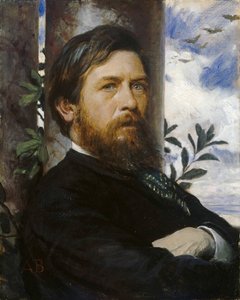
Arnold Böcklin
1827 - 1901 , Suíça
Dados Rápidos
- Artistic Movement Or Style: Simbolismo
- Artists Or Movements Influenced By This Artist:
- Hans Thoma
- Pre-Rafaelitas
- Artists Who Influenced This Artist:
- Schirmer
- Feuerbach
- Date Of Birth: 16 Out 1827
- Date Of Death: 16 Jan 1901
- Full Name: Arnold Böcklin
- Nationality: Suíço
- Notable Artworks:
- Ilha dos Mortos
- Ninfas e Sâtiros
- Safo
- Place Of Birth: Basel, Suíça
Artigos Relacionados

10 Breathtaking Masterpieces That Redefine the Landscape Genre
Journey through history with 10 iconic landscape paintings that capture the soul of nature. From Impressionist light to Romantic vistas, explore the stories behind these timeless masterpieces and find museum-quality art reproductions for your home. Discover all masterpieces on OriginalUniqueArt.com
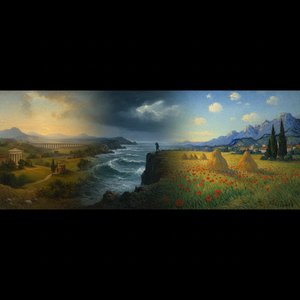
10 Breathtaking Masterpieces That Redefine the Landscape Genre
Journey through history with 10 iconic landscape paintings that capture the soul of nature. From Impressionist light to dramatic vistas, explore the stories behind these timeless masterpieces and find museum-quality reproductions for your decor. Discover all masterpieces on OriginalUniqueArt.com

Beyond the Horizon: 10 Masterpieces That Redefine Landscape Art
Journey through history with 10 iconic landscape paintings that capture the soul of nature. From Impressionist light to dramatic vistas, explore the stories behind these timeless masterpieces and find museum-quality reproductions for your decor. Discover all masterpieces on OriginalUniqueArt.com.

Beyond the Horizon: 10 Masterpieces That Redefine Landscape Art
Journey through history with 10 iconic landscape paintings that capture the soul of nature. From Impressionist light to Romantic vistas, explore the stories behind these timeless masterpieces and find museum-quality reproductions for your decor. Discover all masterpieces on OriginalUniqueArt.com

Beyond the Horizon: 10 Masterpieces That Redefine Landscape Art
Journey through history with 10 iconic landscape paintings that capture the soul of nature. From Impressionist light to dramatic vistas, explore the stories behind these timeless masterpieces and find museum-quality reproductions for your decor. Discover all masterpieces on OriginalUniqueArt.com
