
 Visualizar na parede
 Compartilhar
 Compartilhar
 Detalhes
 Guia
Guia

 Baixar imagem
 Semelhantes
 Raio X
 Ver diaporama
 Q&A
Q&A Estatísticas
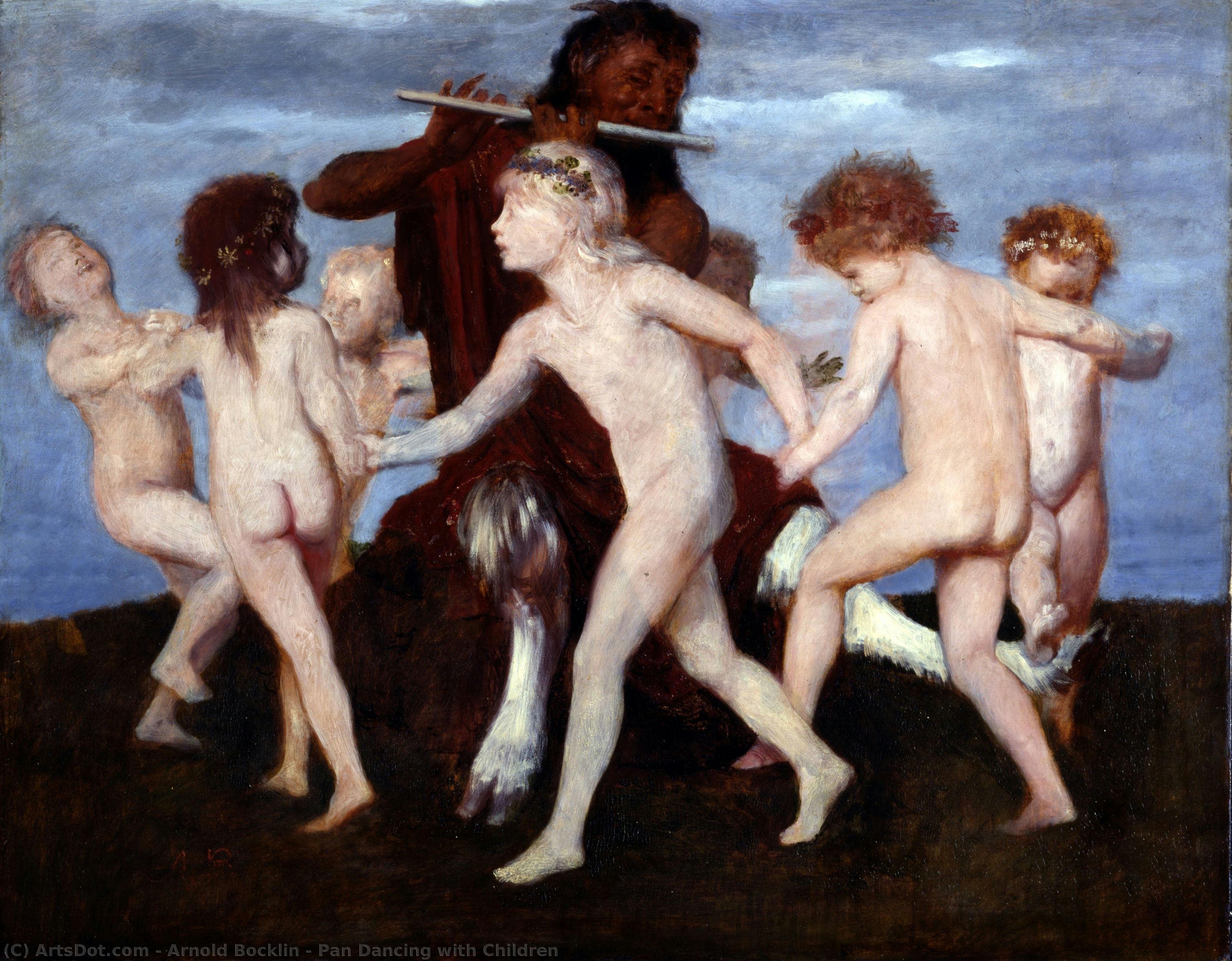
Pan Dancing with Children


 Ler mais
Obtenha um arquivo pronto para impressão que vai muito além da visualização na web. Cada imagem digital que vendemos provém de um arquivo mestre de alta resolução em nosso banco de dados — geralmente entre 5.000 e 15.000 pixels de largura — para que você possa imprimir em grandes formatos, realizar cortes precisos ou reproduzir detalhes minuciosos com total confiança.
Nenhum arquivo sai do nosso estúdio sem passar por um cuidadoso processo de revisão. Um especialista digital verifica as cores em relação à pintura original e as corrige se necessário, aumentando então a clareza e o detalhe com ferramentas profissionais de retoque — sempre mantendo a fidelidade às pinceladas e ao estilo do artista. O resultado é uma imagem que se assemelha à pintura, e não a um scan com filtros.
Aprovação antes da finalização: nosso especialista enviará a imagem por e-mail em até 72 horas para sua revisão. Não ficou satisfeito? Solicite melhorias ou correções, ou peça o reembolso caso a qualidade não atenda às suas expectativas.
Esta é a qualidade em que confiam editoras, estúdios de design, galerias e gráficas.
Imagem Digital
Baixe um arquivo de alta resolução para exibição pessoal, impressão e projetos criativos. ( Alternar para Impressão Comprar pintura feita à mão)
Incluído em cada compra de imagem digital
Entrega Digital Especializada e Garantida
Ao escolher o OriginalUniqueArt.com, você não está apenas adquirindo uma imagem — você está recebendo uma obra de arte digital profissionalmente aprimorada, elaborada com precisão e com garantia de satisfação. Aqui está tudo o que acompanha seu pedido, automaticamente:

Entrega rápida por e-mail
O seu arquivo de imagem digital em alta resolução será enviado por e-mail em até 72 horas após o pedido — pronto para uso imediato.

Arquivo Digital com IA Otimizado
Sua obra de arte é otimizada profissionalmente por meio de ferramentas avançadas de IA e edição manual, garantindo o máximo de detalhes, clareza e precisão de cores.

Reenvio gratuito vitalício
Apagou ou perdeu o seu ficheiro acidentalmente? Não se preocupe – nós reenviamos para si a qualquer momento, gratuitamente.

Sem Taxas de Importação - Sempre
Desfrute da sua obra de arte instantaneamente, sem taxas alfandegárias, impostos ou custos de entrega — downloads digitais são sempre isentos de taxas.

Garantia de Fidelidade de Cores
Garantimos que sua imagem digital reflita as cores originais com a maior fidelidade possível, utilizando ferramentas profissionais e gerenciamento de cores.

Garantia de satisfação de 100 dias
Se não estiver satisfeito com a sua imagem digital, nós a revisaremos ou reembolsaremos 100% dentro de 100 dias — sem perguntas.

Garantia de Reembolso 100%
Não está satisfeito? Receba o reembolso total em até 100 dias após o recebimento do seu arquivo digital — sem perguntas.

Descontos para pedidos em lote
Compre 3 imagens, economize 10% - Compre 5, economize 15% - Compre 10+, economize 20%. Ideal para projetos criativos, galerias e agências.
The Enigmatic Dance: Arnold Böcklin’s “Pan Dancing with Children”
Arnold Böcklin's "Pan Dancing with Children," painted around 1884, isn’t merely a depiction of a pastoral scene; it’s an immersion into a realm of mythic beauty and unsettling serenity. This captivating work, currently residing within the Museum Folkwang in Essen, Germany, transcends simple representation, offering instead a profound meditation on childhood innocence, primal connection to nature, and the lingering presence of ancient spirits. Böcklin, a key figure in the Symbolist movement, masterfully employed a muted palette—primarily ochres, browns, and deep greens—to create an atmosphere thick with twilight and dreamlike suggestion. The figures themselves are rendered with a remarkable degree of detail, yet possess an almost ethereal quality, as if caught between worlds.
The painting’s composition is deliberately ambiguous. A central group of nude children, seemingly unburdened by adult concerns, frolic around Pan, the god of the wild, shepherds, and flocks. They are engaged in a variety of activities: playing musical instruments crafted from branches, holding hands in playful circles, and gazing upwards with an expression that blends curiosity and contentment. The inclusion of putti—small winged infants—further enhances the sense of otherworldly grace and innocence. Notice how Böcklin subtly integrates elements of classical mythology – the flute Pan holds is a direct reference to the god’s traditional instrument – alongside the rustic setting, creating a harmonious blend of ancient lore and contemporary observation.
A Glimpse into Symbolist Aesthetics
Böcklin's work firmly establishes him as a pivotal figure in the Symbolist movement, which sought to evoke emotions and ideas rather than simply depict reality. Rejecting the naturalism prevalent in earlier art movements, Symbolists like Böcklin prioritized subjective experience and explored themes of death, memory, and the subconscious. “Pan Dancing with Children” exemplifies this approach through its evocative atmosphere and symbolic imagery. The painting’s muted colors, soft lighting, and dreamlike quality contribute to a sense of melancholy and longing—a feeling that resonates deeply within the viewer.
The choice of nudity is particularly significant. It isn't presented in a provocative manner but rather as an embodiment of primal innocence and connection to nature. The children’s vulnerability underscores their purity, while their joyful dance suggests a liberation from worldly concerns. Böcklin’s meticulous attention to detail—from the texture of the children’s skin to the delicate folds of their clothing—further emphasizes their tangible presence within the scene.
Technique and Materials: A Masterful Blend
While often categorized as a painting, “Pan Dancing with Children” incorporates elements of mixed media. Böcklin skillfully combined oil paints with photographic techniques, creating a unique visual texture that blends the immediacy of photography with the depth and richness of traditional painting. This hybrid approach allowed him to capture fleeting moments of light and shadow, imbuing the scene with an unparalleled sense of realism. The use of layering and glazing—applying thin washes of paint over previous layers—contributes to the work’s luminous quality and creates a subtle interplay of colors.
The artist's background in Düsseldorf, associated with the school known for its emphasis on realistic depiction, is evident in the meticulous rendering of the figures and their surroundings. However, Böcklin departs from traditional academic techniques by prioritizing atmosphere and emotional impact over precise representation. This deliberate shift reflects his commitment to Symbolist principles and his desire to create a work that transcends mere visual observation.
Symbolism and Interpretation: Echoes of Ancient Myths
Beyond its aesthetic qualities, “Pan Dancing with Children” is rich in symbolic meaning. Pan himself represents the untamed spirit of nature—a force both benevolent and potentially dangerous. The children’s dance can be interpreted as a celebration of life, joy, and connection to the natural world. However, there's also an undercurrent of melancholy—a sense that this idyllic scene is fleeting and destined to fade away. The painting subtly evokes themes of mortality and the cyclical nature of time.
The inclusion of ancient myths – Pan’s role as a shepherd god, the presence of putti – connects the work to a broader cultural heritage, suggesting a timeless resonance between humanity and the natural world. Böcklin's masterful use of symbolism invites viewers to engage in their own interpretations, creating a deeply personal and emotionally resonant experience. Reproductions of this iconic artwork continue to captivate audiences with its haunting beauty and profound sense of mystery.
Perguntas e Respostas
"Pan Dancing with Children", de Arnold Böcklin é uma obra de arte clara ou escura?
Em termos de luminosidade percebida, "Pan Dancing with Children", de Arnold Böcklin é balanced.
Qual é o lugar de "Pan Dancing with Children", de Arnold Böcklin na história da arte?
Historicamente, "Pan Dancing with Children" é uma obra Symbolist Painting da mais ampla era 19th Century.
Qual é a recomendação de impressão para "Pan Dancing with Children" — qual tamanho e qual orientação?
Tamanho Medium, orientação Landscape: esta é a configuração de impressão sugerida para "Pan Dancing with Children", de Arnold Böcklin.
Biografia do Artista
Early Life and Training
Arnold Böcklin, a figure of profound melancholy and haunting beauty, was born on October 16, 1827, in Basel, Switzerland—a city steeped in history and artistic tradition. His father, Christian Frederick Böcklin, descended from an old family rooted in the silk trade, while his mother, Ursula Lippe, hailed from the same city as well. From a young age, Arnold displayed a keen interest in art, enrolling at the Düsseldorf Academy under the tutelage of Johann Wilhelm Schirmer. It was here that he forged a lasting friendship with Anselm Feuerbach, a connection that would profoundly shape his artistic sensibilities. Böcklin’s time in Düsseldorf firmly placed him within the orbit of the Düsseldorf School of Painting, an environment known for its emphasis on realism and meticulous technique. This early training provided him with a solid foundation, but it was his subsequent travels and encounters that truly ignited his unique vision.Artistic Career and Symbolism
Böcklin’s artistic journey took him beyond the familiar landscapes of Düsseldorf, leading him through Paris and Rome—cities brimming with artistic heritage and inspiring new avenues for exploration. In Paris, he found work at the Louvre, immersing himself in the masterpieces of the Old Masters, a period that would deeply influence his later style. His time in Rome proved equally transformative, exposing him to the grandeur of classical architecture and the evocative atmosphere of the Italian countryside. This exposure led Böcklin to incorporate allegorical and mythological figures into his work—a departure from purely landscape painting—and to explore themes of death, mortality, and the subconscious. His early works, such as *Great Park*, showcased ancient mythology with a dramatic flair, establishing a distinctive style characterized by a blend of Romanticism, Symbolism, and a touch of the macabre. Pieces like *Nymph and Satyr* (1858) and *Sappho* (1859) further solidified his reputation as an artist capable of capturing both beauty and unsettling emotion. Notably, Böcklin’s self-portrait, *Portrait of Myself with Death Playing the Violin* (1872), stands out for its introspective nature and symbolic depth, offering a glimpse into the artist's own preoccupation with mortality.The Isle of the Dead and Last Years
Perhaps the most enduring legacy of Arnold Böcklin’s career is his five versions of *The Isle of the Dead* (1880-1886). This series, inspired by the English Cemetery in Florence—where his daughter was buried—became an iconic representation of death and remembrance. The paintings evoke a sense of profound melancholy and timelessness, drawing upon elements of Gothic architecture, classical mythology, and dreamlike imagery. *The Isle of the Dead* resonated deeply with audiences and artists alike, influencing figures such as the composer Rachmaninoff, who drew inspiration for his symphonic poem of the same name, and the Surrealist painter Salvador Dalí, who saw in Böcklin’s work a precursor to his own explorations of the subconscious. In his later years, Böcklin retreated to Italy, settling near Fiesole, where he continued to paint haunting landscapes and allegorical scenes—works that reflected his deepening preoccupation with death and the mysteries of the afterlife.Legacy and Influence
Arnold Böcklin’s impact on the art world extends far beyond his own creations. He is considered a pivotal figure in the development of Symbolism, a movement characterized by its emphasis on subjective experience, emotional intensity, and the exploration of hidden meanings. His work anticipated many of the themes and techniques that would later be embraced by Surrealist artists such as Max Ernst and Giorgio de Chirico, who saw in Böcklin’s paintings a profound expression of the irrational and the uncanny. Böcklin's distinctive style—characterized by its somber palette, evocative imagery, and symbolic depth—continues to fascinate and inspire artists today. His influence can be seen in countless works of art, literature, and music, solidifying his place as one of the most important and enigmatic figures in modern European art.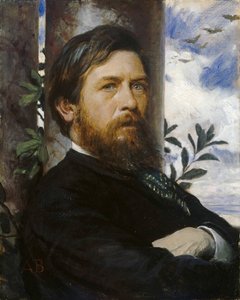
Arnold Böcklin
1827 - 1901 , Suíça
Breve Biografia
- Artistic Movement Or Style: Simbolismo
- Artists Or Movements Influenced By This Artist:
- Hans Thoma
- Pre-Rafaelitas
- Artists Who Influenced This Artist:
- Schirmer
- Feuerbach
- Date Of Birth: 16 Out 1827
- Date Of Death: 16 Jan 1901
- Full Name: Arnold Böcklin
- Nationality: Suíço
- Notable Artworks:
- Ilha dos Mortos
- Ninfas e Sâtiros
- Safo
- Place Of Birth: Basel, Suíça