

 Compartilhar
 Compartilhar
 Detalhes
 Guia
Guia

 Baixar imagem
 Semelhantes
 Ver diaporama
 Estatísticas
Vénus au collier
 Bronze
- Sculpture
- Classical Modernism
 1828
1828- Modern
 176.0 x 63.0 cm
 Museu de Belas Artes de Lyon
 Ler mais
Reprodução em Óleo Feita à Mão
Óleo sobre tela pintado à mão no tamanho e moldura de sua escolha, feito sob encomenda pelos nossos artistas. ( Alternar para Impressão Alternar para Imagem Digital)




































Escolha entre os nossos tamanhos pré-definidos que respeitam as proporções originais da obra de arte.

Insira a largura e a altura desejadas para se ajustarem à sua moldura ou parede. Como esta obra é pintada à mão, para um tamanho com proporções diferentes, o artista poderá pintar um pouco mais ao redor da imagem ou reduzir ligeiramente a composição — você escolhe. Enviamos uma maquete digital para sua aprovação antes de iniciar a pintura. A imagem exibida nesta página não representa o resultado real — apenas a maquete mostra o resultado final.
Após o pedido, a equipa OriginalUniqueArt.com enviará um e-mail ao cliente para solicitar instruções e fornecer uma prévia do esboço.
Entrega mundial () em 3 a 4 semanas, em vez das 5 semanas padrão. (28 Outubro). Sem comprometer a qualidade.

Envio expresso gratuito para todo o mundo

Tela de Linho de Alta Qualidade

Seguro de transporte completo

Garantia de Reembolso de Impostos Alfandegários

Garantia de Fidelidade Cromática

Política de Devolução em 100 Dias (Apenas para Defeitos)

Garantia de reembolso de 100%

Oferta de desconto por quantidade
 A opção de vidro está disponível apenas para tamanhos inferiores a 110 cm

Vénus au collier
Técnica de Reprodução
Tamanho da Reprodução
-


Preço Total
€ 264
The Serene Power of Maillol’s *Vénus au Collier*
Aristide Maillol's *Vénus au Collier*, sculpted between 1918 and 1928, isn’t merely a depiction of a woman; it’s an embodiment of timeless grace and a profound meditation on the relationship between form, stillness, and the subtle poetry of gesture. Emerging from the fertile ground of early 20th-century French sculpture, this work represents a pivotal moment in Maillol's artistic evolution – a deliberate retreat from the overt naturalism of his earlier years towards a refined, almost austere aesthetic that would profoundly influence generations of artists. The piece, cast around 1930, captures a woman in a state of quiet contemplation, holding a mirror to her reflection, an act imbued with both vulnerability and self-awareness. It’s a scene stripped bare of extraneous detail, focusing instead on the exquisite curve of the body, the smooth planes of the skin, and the delicate suggestion of movement within the pose. Maillol's genius lies in his ability to evoke emotion not through dramatic narrative or overt expression, but through the sheer elegance of form itself.A Sculptor’s Journey: From Painter to Master of Stone
Maillol’s artistic trajectory is a fascinating one, beginning with an initial passion for painting and a flirtation with the Symbolist movement – particularly evident in his early work alongside figures like Pierre Bonnard and Maurice Denis. However, it was through his encounter with Paul Gauguin that he began to question the limitations of representation, seeking instead a more symbolic language rooted in decorative arts and classical ideals. This shift is powerfully reflected in *Vénus au Collier*. He abandoned the vibrant colors and dynamic compositions of his earlier paintings, embracing the cool, muted tones of bronze and prioritizing the fundamental principles of sculpture: solidity, balance, and timelessness. The work demonstrates a deliberate rejection of academic conventions, favoring instead a simplified, almost geometric approach to form – a hallmark of Maillol’s mature style. The choice of bronze itself is significant; it lends an enduring quality to the piece, mirroring the artist's desire for works that transcend fleeting trends and speak across generations.Symbolism in Stillness: The Mirror and the Gesture
At first glance, *Vénus au Collier* appears remarkably serene, almost meditative. Yet, closer observation reveals a subtle complexity of gesture. The woman’s hand holding the mirror is not simply an act of vanity; it's a deliberate engagement with self-reflection – a moment of quiet introspection within a world often defined by external demands. The placement of the necklace across her shoulders adds another layer of symbolic meaning, subtly altering the figure’s posture and creating a dynamic tension between stillness and movement. Interestingly, the original necklace was later removed from the sculpture, a decision that dramatically shifted its interpretation. The removal transformed the gesture into something more abstract, emphasizing the woman's pose and the inherent beauty of her form. This act highlights Maillol’s belief that art should be about capturing essence rather than replicating surface detail.A Legacy in Bronze: Influence and Enduring Appeal
*Vénus au Collier* stands as a testament to Aristide Maillol’s profound impact on 20th-century sculpture. His work bridged the gap between Symbolism and Modernism, paving the way for artists like Henry Moore who would later explore similar themes of simplification and abstraction. The piece's enduring appeal lies in its ability to evoke a sense of quiet contemplation and timeless beauty – qualities that resonate deeply with viewers across cultures and generations. Reproductions of *Vénus au Collier* offer an accessible entry point into Maillol’s world, allowing individuals to experience the serenity and grace of this iconic sculpture within their own homes or spaces. Its elegant form and subtle symbolism make it a captivating addition to any collection, reflecting a timeless appreciation for beauty and introspection.Perguntas e Respostas
Qual é o nível de contraste de "Vénus au collier", de Aristide Maillol?
O nível de contraste de "Vénus au collier", de Aristide Maillol é Gentle.
O que "Vénus au collier" compartilha com o restante da obra de Aristide Maillol?
Na produção de Aristide Maillol, "Vénus au collier" insere-se no estilo Classical Modernism, acompanhando os temas de classical forms, greek influence, feminine beauty, serenity, modern sculpture, simplification, catalan heritage, regionalism.
Em qual museu se encontra a obra original de "Vénus au collier"?
"Vénus au collier", de Aristide Maillol está em exibição no Museu de Belas Artes de Lyon, Lyon, França. A referência ao museu diz respeito à obra original, não a reproduções.
Biografia do Artista
Aristide Maillol (1861–1944) - Art UK
Aristide Joseph Bonaventure Maillol, a name synonymous with the serene power and classical beauty of early 20th-century sculpture, emerged from humble beginnings in the small fishing village of Banyuls-sur-Mer, France. Born in 1861, his artistic journey was not one of immediate recognition but rather a gradual unfolding, a deliberate refinement of vision that ultimately positioned him as a pivotal figure bridging Symbolism and the burgeoning world of modern sculpture. Initially drawn to painting, Maillol’s early studies at the École des Beaux-Arts in Paris exposed him to the prevailing academic styles, yet it was the influence of contemporaries like Pierre Puvis de Chavannes and, crucially, Paul Gauguin that truly ignited his artistic spirit. Gauguin encouraged a departure from strict realism, fostering an appreciation for decorative arts and a search for more profound, symbolic expression—a seed that would blossom in Maillol’s later work. This encouragement led him to establish a tapestry workshop in Banyuls in 1893, a period of intense technical learning and aesthetic exploration that honed his skills and laid the groundwork for his eventual mastery of form.From Tapestry to Timeless Forms
The transition from painting and tapestry design to sculpture was not instantaneous but rather a slow, deliberate evolution occurring around the age of forty. Maillol began experimenting with small terracotta figures, gradually scaling up his ambitions as he gained confidence and technical proficiency. This shift coincided with a growing dissatisfaction with the prevailing artistic trends of the time, particularly the dramatic realism championed by Auguste Rodin. While acknowledging Rodin’s genius, Maillol sought a different path—one rooted in classical ideals of beauty, balance, and enduring form. He rejected fleeting emotionalism in favor of a more timeless, monumental quality, emphasizing the inherent structure and stability of the human body. This wasn't merely an aesthetic choice; it was a philosophical one, reflecting a belief in the power of art to transcend the ephemeral and connect with universal truths. His sculptures weren’t intended as portraits of individuals but rather as embodiments of archetypal figures—representations of humanity itself.The Female Form: A Monument to Serenity
The female figure became the central subject of Maillol's artistic exploration, and it is through his depictions of women that he achieved lasting renown. These were not idealized representations in the conventional sense; rather, they possessed a grounded physicality, a sense of weight and presence that distinguished them from more ethereal portrayals. His figures are often depicted reclining or in gentle motion, their forms imbued with a serene composure and quiet strength. La Méditerranée (1902-1905), perhaps his most celebrated work, exemplifies this approach—a monumental depiction of his wife, rendered with a profound sense of peace and timelessness. Other significant works, such as Action enchaînée (1905-1908) and L'Ile-de-France (1925), demonstrate Maillol’s ability to convey movement within a stable, classical framework. Beyond sculpture, he also explored woodcuts and prints, creating illustrations for literary masterpieces like Virgil’s Eclogues and Paul Verlaine’s Chansons pour elle, further demonstrating his versatility and artistic range.Legacy and Enduring Influence
Aristide Maillol’s impact on the development of modern sculpture is undeniable. His deliberate rejection of Rodin’s dramatic realism and his embrace of classical principles paved the way for a new generation of sculptors, including Henry Moore, who were inspired by his emphasis on simplified forms and monumental scale. He represented a crucial link between Symbolism and the burgeoning modernist movements, establishing a standard for classical figuration in European art that resonated for decades. His later years were marked by a close relationship with Dina Vierny, who served not only as his model but also as a dedicated administrator of his estate, ensuring the preservation and promotion of his work. Even during the turmoil of World War II, Maillol continued to sculpt in relative isolation at Banyuls-sur-Mer, remaining committed to his artistic vision until his untimely death in an automobile accident in 1944. Today, the Musée Maillol in Paris stands as a testament to his enduring legacy, housing a comprehensive collection of his sculptures and drawings—a space where visitors can immerse themselves in the serene beauty and timeless power of his art. His work continues to inspire awe and admiration, reminding us of the profound capacity of sculpture to capture the essence of human form and spirit. ## Notable Artworks- La Méditerranée (1902-1905): A monumental depiction of Maillol’s wife, embodying tranquility and timelessness
- Action enchaînée (1905-1908): Demonstrates movement within a stable classical framework
- Monument Cézanne (1911-1916): Reflects the influence of Cézanne's exploration of form and volume
- Vénus (1924): Represents Maillol’s fascination with idealized female figures
- La Rivière (1943): A poignant work created during World War II, capturing beauty amidst adversity

Aristide Maillol
1861 - 1944 , França
Dados Rápidos
- Artistic Movement Or Style: Classicisme et Symbolisme
- Artists Or Movements Influenced By This Artist: ['Henry Moore']
- Artists Who Influenced This Artist:
- Pierre Puvis de Chavannes
- Paul Gauguin
- Date Of Birth: 1861
- Date Of Death: 1944
- Full Name: Aristide Joseph Bonaventure Maillol
- Nationality: Francês
- Notable Artworks:
- La Méditerranée
- Action enchainée
- L'Ile-de-France
- Place Of Birth (City And Country): Banyuls-sur-Mer, França
Artigos Relacionados

As 10 Obras em Bronze Mais Icônicas que Transformaram a História da Arte | OriginalUniqueArt
Descubra as 10 esculturas em bronze mais influentes da história! Explore a arte de Rodin, Michelangelo e outros mestres. Reproduções de alta qualidade para decorar sua casa com elegância. OriginalUniqueArt.

Esculturas em Bronze Icônicas: 10 Obras que Revolucionaram a Arte | OriginalUniqueArt
Descubra as 10 esculturas em bronze mais icônicas da história! Explore a arte de Rodin, Michelangelo e outros mestres. Encontre reproduções de alta qualidade para sua casa em OriginalUniqueArt.com.

The Enduring Legacy of Bronze Sculpture: A Collector's Guide to Form & Cultural Significance
Explore the rich history & enduring appeal of bronze sculpture with expert insights for collectors at OriginalUniqueArt. Learn about casting techniques, iconic artists, and collecting tips to build a discerning art collection.

The Enduring Legacy of Bronze: A Historical & Artistic Exploration for the Collector
Explore the rich history & enduring appeal of bronze sculpture with expert insights for collectors at OriginalUniqueArt. Learn about casting techniques, iconic artists, collecting tips & contemporary interpretations.
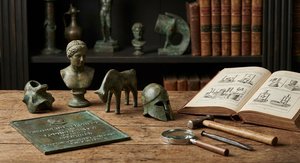
The Enduring Legacy of Bronze: History, Technique & Artistic Expression for the Collector
Explore the rich history & enduring appeal of bronze sculpture with expert insights for collectors at OriginalUniqueArt. Learn about casting techniques, iconic artists, and collecting tips.
