

 Visualizar na parede
 Compartilhar
 Compartilhar
 Detalhes
 Guia
Guia

 Baixar imagem
 Semelhantes
 Raio X
 Ver diaporama
 Estatísticas
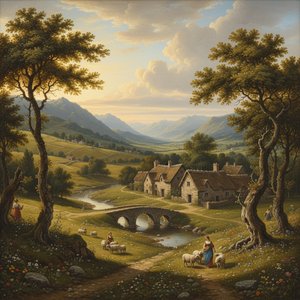
O Poço Vilarejo
 Acrílico sobre tela
- Arte de Parede
- Academic Naturalism
 1927
1927 42.0 x 37.0 cm
 Museu do Oriente
 Ler mais
Giclée / Impressão de Arte
Impressão giclée ou em tela de qualidade de museu, com produção rápida e opções flexíveis de acabamento. ( Comprar pintura feita à mão Alternar para Imagem Digital)




P118B €10

P118H €10

P118W €10

P438Z €10

P508JH €12

P508YH €12

P805H €10

P805Z €10

P919BZ €10

P919G €10

P919XJ €10

P959ZH €10

P968JZ €12

W106C €8

W218G €10

W218JH €8

W218Y €10

W307PJ €10

W316G €10

W316PJ €8

W316Y €10

W398PJ €8

W4111J €10

W500HY €15

W500JH €15

W692G €12

W849H €8

W940BG €15

W953PJ €8




Escolha entre os nossos tamanhos pré-definidos que respeitam as proporções originais da obra de arte.

Insira a largura e a altura desejadas para se ajustarem à sua moldura ou parede. Uma impressão pode ser apenas cortada, nunca ampliada além da imagem original; portanto, um tamanho com proporções diferentes resultará na perda de parte da imagem. Enviamos uma maquete digital para sua aprovação antes de realizarmos a impressão. A imagem exibida nesta página não mostra o corte real — apenas a maquete o faz.
Entrega mundial () em 2 semanas, em vez das 4/5 semanas padrão. (26 Outubro)

Envio expresso gratuito para todo o mundo

Tela de Linho de Alta Qualidade

Seguro de transporte completo

Garantia de Reembolso de Impostos Alfandegários

Garantia de Fidelidade Cromática

Política de Devolução em 100 Dias (Apenas para Defeitos)

Garantia de reembolso de 100%

Oferta de desconto por quantidade
 A opção de vidro está disponível apenas para tamanhos inferiores a 110 cm

O Poço Vilarejo
Giclée / Impressão de Arte
Tamanho da Reprodução
-


Preço Total
€ 70
Uma Nostalgia Rural Pintada em Luz e Verde
Este pequeno óleo sobre tela captura uma cena cotidiana da vida rural portuguesa do início do século XX, evocando profundamente o sentimento de saudade que permeia a obra de António Xavier Trindade por suas raízes ancestrais. Inspirado pela memória de um lar distante, o pintor retrata um poço comunitário cercado por uma exuberante vegetação tropical – palmeiras coco e outras plantas típicas da região do Konkan Ocidental –, criando uma imagem que transcende apenas a descrição documental. Uma mulher diligente busca água fresca para sustentar sua família, enquanto casas simples e thatch village houses escondem-se sob uma densa floresta ao fundo, reforçando o contexto histórico de uma época marcada pela presença colonial portuguesa.- Artista: António Xavier Trindade (1870 – 1935)
- Título: O Poço Vilarejo
- Data: 1927
- Dimensões: 42 x 37 cm
Estilo e Técnica
Trindade dominou as técnicas da pintura naturalista europeia, buscando reproduzir fielmente o mundo observável com precisão científica e sensibilidade artística. Sua abordagem inovadora combinava elementos do Impressionismo e do Pontilhismo, utilizando pequenos pontos de cor para criar efeitos luminosos e atmosferísticos que capturam a luz suave do sol tropical sobre as folhas verdes e o poço. Essa escolha estética demonstra uma busca pela beleza pura e pela expressão emocional através da pintura.Contexto Histórico e Simbolismo
A pintura foi produzida durante um período significativo da história colonial portuguesa na Índia, quando Goa desempenhava um papel importante no comércio internacional e na cultura católica. O poço comunitário simboliza a importância da água como fonte de vida e sustento para toda uma comunidade rural, representando valores tradicionais como cooperação e cuidado com o meio ambiente. Além disso, a imagem da mulher carregada de água reflete o papel fundamental das mulheres na sociedade indiana antiga e contemporânea, destacando sua força e resiliência diante dos desafios cotidianos.Impacto Emocional
“O Poço Vilarejo” não é apenas uma reprodução artística; é um convite à contemplação e à reflexão sobre a beleza da natureza e a riqueza das culturas tradicionais. A pintura transmite uma sensação de paz interior e nostalgia por tempos passados, evocando imagens familiares e valores humanos universais que permanecem relevantes até hoje. Uma obra para quem aprecia a arte como expressão da alma humana e busca inspiração em paisagens simples e significativas.Perguntas e Respostas
A imagem de "O Poço Vilarejo", de António Xavier Trindade pode ser reproduzida livremente?
Quanto aos direitos autorais, "O Poço Vilarejo" está em em domínio público — seus direitos autorais expiraram.
Qual tamanho e orientação são recomendados para uma impressão de "O Poço Vilarejo", de António Xavier Trindade?
Recomenda-se uma impressão de "O Poço Vilarejo", de António Xavier Trindade no tamanho Médio com orientação Retrato.
"O Poço Vilarejo" encontra-se no país de seu criador?
Não – a obra de arte encontra-se no exterior. António Xavier Trindade nasceu em Índia, e o original de "O Poço Vilarejo" encontra-se num museu em Portugal.
Biografia do Artista
Uma Vida Gravada na Luz: O Mundo de António Xavier Trindade
António Xavier Trindade, um nome que ressoa com um poder silencioso nos anais da história da arte indiana, foi muito mais do que apenas um pintor; ele foi uma ponte cultural. Nascido em Sanguem, Goa, em 1870, de pais católicos, a sua jornada começou entre as paisagens exuberantes e o complexo tapete colonial da Índia Portuguesa. Este ambiente formativo moldaria indelevelmente a sua visão artística, fomentando uma mistura única de formação académica ocidental com uma compreensão intrínina da vida e do caráter indianos. A promessa precoce de Trindade levou-o à prestigiada Sir Jamsetjee Jeejeebhoy School of Art, em Bombaim, uma instituição crucial que o expôs ao naturalismo europeu enquanto nutria, simultaneamente, uma crescente geração de artistas indianos. Foi aqui, nestes corredores sagrados, que ele aperfeiçoou as suas competências, dominando técnicas que mais tarde definiriam o seu estilo característico e lhe renderiam distinções como a Medalha de Prata Mayo por mérito artístico em 1892 — um testemunho do seu talento emergente.A Escola de Bombaim e uma Estrela Ascendente
A ascensão de Trindade na cena artística de Bombaim foi rápida e segura. Nomeado professor de desenho e pintura na Sir J.J. School of Art em 1898, ele não só contribuiu para a educação das gerações futuras, como também consolidou a sua posição como uma figura de destaque na florescente Escola de Bombaim. Mais tarde, ao assumir o papel de Superintendente do Reay Workshop of Art, de 1914 a 1926, influenciou ainda mais a produção artística e a pedagogia. No entanto, não foi apenas o reconhecimento institucional que marcou o seu sucesso; foi a qualidade cativante da sua própria obra. Embora inicialmente tenha abraçado o retrato tradicional e as paisagens, Trindade desenvolveu gradualmente um estilo caracterizado pelo realismo, pela sensibilidade à luz e pela capacidade de capturar a profundidade psicológica dos seus temas. Tornou-se conhecido por retratar mulheres indianas com uma dignidade e intimidade raramente vistas na arte da era colonial, oferecendo vislumbres das suas vidas para além dos confins das expectativas sociais. Isto rendeu-lhe o carinhoso título de “Rembrandt do Oriente”, reconhecendo tanto a sua mestria técnica como a sua profunda compreensão da emoção humana.Temas e Técnicas: Uma Síntese de Mundos
A década de 1920 testemunhou uma maturação na expressão artística de Trindade, marcada por um foco crescente em retratos, paisagens e naturezas-mortas. As suas telas tornaram-se janelas para as vidas dos seus contemporâneos — patronos ricos, familiares e indivíduos comuns — cada um representado com detalhe meticuloso e uma ressonância emocional subtil, mas poderosa. Dolce Far Niente (Flora ou Mãe Reclinada), premiado com a medalha de ouro da Bombay Art Society em 1920, exemplifica este período; não é meramente a representação de uma mulher em repouso, mas uma exploração da maternidade, da serenidade e da beleza tranquila da vida doméstica. Da mesma forma, New Year’s Song (1928) e Hindu Girl (1930), vencedores do prémio do Governador, mostram a sua capacidade de capturar nuances culturais e personalidades individuais com uma sensibilidade notável. A técnica de Trindade estava enraizada nos princípios académicos ocidentais — o domínio do chiaroscuro, um desenho preciso e uma compreensão sofisticada da teoria das cores — mas ele infundiu estes elementos com uma sensibilidade indiana, criando uma linguagem visual única que transcendia as fronte de estilos. Ele não estava simplesmente a replicar o que tinha aprendido; estava a transformá-lo, imbuindo-o do espírito da sua pátria.Legado e Influência Duradoura
Apesar de enfrentar desafios pessoais — incluindo o declínio da saúde e a eventual cegueira na fase tardia da vida — Trindade continuou a pintar, apoiado pela sua filha Ângela Trindade, também uma artista talentosa que deu continuidade ao legado do pai. A sua obra ganhou maior reconhecimento com uma exposição no Festival do Império em Wembley, Londres, em 1934, levando a sua arte a um público internacional. Hoje, as pinturas de António Xavier Trindade são tesouros de museus e colecionadores privados, estando representadas de forma notável por uma coleção significativa detida pela Fundação Oriente, em Goa. As exposições permanentes lá estabelecidas — incluindo uma mostra dedicada para celebrar o seu 150.º aniversário em 2021 — garantem que a sua visão artística continue a inspirar e a cativar públicos por gerações. A sua influência estende-se para além da mera apreciação estética; ele representa um momento crucial na história da arte indiana, uma época em que os artistas começaram a forjar as suas próprias identidades, fundindo a tradição com a modernidade e desafiando o olhar colonial predominante. A vida e a obra de Trindade permanecem como um testemunho do poder da expressão artística para transcender fronteiras culturais e iluminar a experiência humana partilhada.Obras Notáveis
- Dolce Far Niente (Flora ou Mãe Reclinada) – Medalha de Ouro da Bombay Art Society, 1920.
- New Year’s Song – Prémio do Governador, 1928.
- Hindu Girl – Prémio do Governador, 1930.
- Girl with a Vase - National Gallery of Modern Art, Nova Deli.
- Self-portrait in Green - Fundação Oriente.

António Xavier Trindade
1870 - 1935 , Índia
Dados Rápidos
- Artistic Movement Or Style: Escola de Bombay, Realismo
- Date Of Birth: 1870
- Full Name: António Xavier Trindade
- Nationality: Portuguesa
- Notable Artworks:
- Dolce Farniente
- Canção do Ano
- Garota Hindu
- Place Of Birth: Sanquém, Índia
Artigos Relacionados

Cultivating Visions: A Historical Journey Through Rural Landscapes in Art
Explore the rich history of rural landscape painting with OriginalUniqueArt. Discover Impressionist masterpieces, key artists & movements. Find your perfect serene artwork and bring nature's beauty home.

Evocations of Place: A Historical Journey Through Landscape Art
Explore the rich history of landscape art with OriginalUniqueArt. Discover renowned artists, movements like Impressionism & Romanticism, and expert guidance for collecting timeless pieces. Find your perfect serene escape today!

Os 10 Mestres da Paisagem Romântica: Arte para Inspirar a Sua Casa
Descubra os 10 quadros mais emblemáticos da Paisagem Romântica! Explore a história de Turner, Friedrich e outros mestres. Encontre reproduções de arte exclusivas para inspirar sua decoração em OriginalUniqueArt.com.
Evoking Arcadia: A Historical & Aesthetic Exploration of Rural Landscape Art
Explore the rich history of pastoral landscape art, from classical Arcadia to Impressionism & beyond. Discover key artists, movements, and how to collect serene rural scenes for your home. Expert insights at OriginalUniqueArt.

John Constable: As 25 Obras-Primas que Definem o Mestre da Paisagem Inglesa | OriginalUniqueArt
Descubra as 25 obras-primas de John Constable, o mestre da paisagem inglesa! Explore a arte romântica, cores vibrantes e histórias fascinantes por trás de 'Hay Wain' e outras pinturas icônicas. Encontre reproduções de alta qualidade para decorar sua casa com OriginalUniqueArt.com.


