
 Visualizar na parede
 Compartilhar
 Compartilhar
 Detalhes
 Guia
Guia

 Baixar imagem
 Semelhantes
 Raio X
 Ver diaporama
 Perguntas e Respostas
 Estatísticas
Retrato de Ester

- 56.0 x 46.0 cm


 Ler mais
Giclée / Impressão de Arte
Impressão giclée ou em tela de qualidade de museu, com produção rápida e opções flexíveis de acabamento. ( Comprar pintura feita à mão Alternar para Imagem Digital)




P118B €10

P118H €10

P118W €10

P438Z €10

P508JH €12

P508YH €12

P805H €10

P805Z €10

P919BZ €10

P919G €10

P919XJ €10

P959ZH €10

P968JZ €12

W106C €8

W218G €10

W218JH €8

W218Y €10

W307PJ €10

W316G €10

W316PJ €8

W316Y €10

W398PJ €8

W4111J €10

W500HY €15

W500JH €15

W692G €12

W849H €8

W940BG €15

W953PJ €8




Escolha entre os nossos tamanhos pré-definidos que respeitam as proporções originais da obra de arte.

Insira a largura e a altura desejadas para se ajustarem à sua moldura ou parede. Uma impressão pode ser apenas cortada, nunca ampliada além da imagem original; portanto, um tamanho com proporções diferentes resultará na perda de parte da imagem. Enviamos uma maquete digital para sua aprovação antes de realizarmos a impressão. A imagem exibida nesta página não mostra o corte real — apenas a maquete o faz.
Entrega mundial () em 2 semanas, em vez das 4/5 semanas padrão. (7 Novembro)

Envio expresso gratuito para todo o mundo

Tela de Linho de Alta Qualidade

Seguro de transporte completo

Garantia de Reembolso de Impostos Alfandegários

Garantia de Fidelidade Cromática

Política de Devolução em 100 Dias (Apenas para Defeitos)

Garantia de reembolso de 100%

Oferta de desconto por quantidade
 A opção de vidro está disponível apenas para tamanhos inferiores a 110 cm

Retrato de Ester
Giclée / Impressão de Arte
Tamanho da Reprodução
-


Preço Total
€ 72
Uma Voz Silenciada Revelada: Retrato de Ester e o Legado de António Teixeira Carneiro Júnior
“Retrato de Ester,” pintado por António Teixeira Carneiro Júnior em torno de 1905, é mais do que uma simples imagem facial; é um testemunho da profunda influência do Expressionismo francês na arte portuguesa da época. Esta obra permanece no Centro de Arte Moderna Gulbenkian em Lisboa, Portugal, onde captura uma beleza melancólica e uma intensidade emocional que transcendem o tempo.
- O Artista: António Teixeira Carneiro Júnior (1872-1930) nasceu em Amarante, Portugal, numa família humilde marcada pela adversidade. Sua infância foi definida pela ausência paterna e pelo prematuro falecimento da mãe, experiências que o encaminharam para a Santa Casa da Misericórdia onde iniciou seu contato com o mundo artístico através do estudo de ilustrações religiosas. Essa origem improvável proporcionou uma base sólida para sua formação artística na Escola Superior de Belas Artes do Porto.
- Estilo e Técnica: Carneiro adotou um estilo expressionista caracterizado pela busca por transmitir emoções internas e subjetivas, utilizando uma paleta de cores sombrias e pinceladas vigorosas que enfatizam a textura da tela. Sua abordagem técnica demonstra domínio da perspectiva e do desenho anatômico, elementos essenciais para capturar a expressão facial com precisão e sensibilidade.
- Contexto Histórico: O trabalho de Carneiro floresceu durante um período crucial na história artística portuguesa, influenciado pelas vanguardas europeias que buscavam romper com o academicismo tradicional. Como muitos artistas portugueses da época, ele encontrou inspiração nas obras de artistas como Edvard Munch e Franz Kafka, explorando temas relacionados à dor emocional e à espiritualidade humana.
- Simbolismo Emocional: O sorriso suave da modelo em “Retrato de Ester” não é apenas um gesto físico; ele representa uma busca por alegria e esperança em meio às dificuldades da vida. Os olhos fixos no espectador sugerem uma conexão profunda entre o artista e o observador, convidando à reflexão sobre questões existenciais e emocionais.
- Impacto Visual: A composição equilibrada do retrato, combinada com a habilidade técnica de Carneiro em capturar a luz e sombra, cria uma atmosfera envolvente que transmite uma sensação de melancolia e beleza estética. Esta obra permanece como um exemplo marcante da capacidade da arte portuguesa expressionista em expressar emoções humanas complexas e significativas.
Uma reprodução meticulosa deste retrato pode enriquecer qualquer espaço interior, trazendo consigo a força emocional e o legado artístico de António Teixeira Carneiro Júnior – um artista que transformou sombras em luz e silêncio em voz.
Perguntas e Respostas
De que forma as cores de "Retrato de Ester", de António Carneiro se relacionam com a sua emoção?
A paleta Tons escuros de "Retrato de Ester", de António Carneiro harmoniza-se com seu tom emocional Contemplativo. A cor é uma das formas pelas quais uma obra transmite sentimento.
Quais temas aparecem em "Retrato de Ester", de António Carneiro?
Os temas presentes em "Retrato de Ester", de António Carneiro incluem portuguese painting, portraiture, psychological depth, religious imagery, lisbon art scene, expressionist style, childhood loss. Juntos, eles sintetizam o assunto da obra.
Que emoção a obra "Retrato de Ester" do Portuguese Expressionism transmite?
Dentro do movimento Portuguese Expressionism, "Retrato de Ester" é registrada com um tom Contemplativo.
Biografia do Artista
A Life Forged in Shadow and Light: The World of António Teixeira Carneiro Júnior
António Teixeira Carneiro Júnior, a pivotal figure in Portuguese Expressionism, was an artist whose life story is as compelling and emotionally resonant as the canvases he imbued with psychological depth. Born in Amarante, Portugal, in 1872, his early years were marked by profound loss and abandonment. The absence of his father and the untimely death of his mother led to a childhood spent within the walls of the Santa Casa da Misericórdia orphanage in Porto. This formative experience, while undoubtedly difficult, proved unexpectedly crucial; it was there that Carneiro received his initial artistic training, nurturing a nascent talent for drawing through copying religious illustrations. The institution provided not merely shelter but also a spark—an early recognition of an ability that would define his life’s path. It was this foundation that ultimately led him to the Escola Superior de Belas-Artes do Porto in 1884, where he studied under João Marques de Oliveira, beginning a formal artistic education that would soon blossom into something uniquely his own.Parisian Influences and the Birth of an Expressionist Vision
The trajectory of Carneiro’s artistry took a significant turn with his sojourn to Paris. Enrolling at the Académie Julien in 1897, he immersed himself in the artistic currents of the French capital, studying under luminaries like Jean-Paul Laurens and Jean-Joseph Benjamin-Constant. This period proved transformative, exposing him to new techniques and aesthetic philosophies that would profoundly influence his style. However, Carneiro didn’t simply absorb these influences; he synthesized them with a distinctly Portuguese sensibility, forging an artistic voice that was both modern and deeply rooted in his own cultural heritage. It was during this time that he began to move away from the prevailing naturalism of the era, gravitating towards Symbolist ideas and exploring themes of spirituality, melancholy, and introspection. He became fascinated by the works of artists like Puvis de Chavannes and Rodin, absorbing their expressive qualities and incorporating them into his own evolving style. This period culminated in the creation of “A Vida” (Life), a monumental triptych completed around 1900, which earned him a Silver Medal at the Exposition Universelle in Paris—a pivotal moment that signaled the beginning of widespread recognition for his unique artistic vision. The work itself is a testament to his burgeoning expressionist style, capturing not merely outward appearances but the inner emotional landscape of existence.A Master of Psychological Portraiture and Landscape
Carneiro’s oeuvre is characterized by an intense focus on psychological depth, particularly evident in his portraits. He wasn't interested in mere physical likeness; rather, he sought to capture the essence of his subjects—their inner turmoil, their hopes, their fears. His figures often possess a haunting quality, their eyes gazing out with an unsettling intensity that draws the viewer into their emotional world. This ability to convey profound psychological states extended beyond portraiture and permeated his landscapes as well. He didn’t simply depict scenes; he imbued them with mood and atmosphere, transforming natural settings into reflections of the human condition. His landscapes are often stark and dramatic, reflecting a sense of isolation and existential questioning. Throughout his career, Carneiro also engaged in illustration, producing evocative drawings for Dante's *Inferno* that showcase his mastery of line and shadow. He was a prolific artist, constantly experimenting with different techniques and styles, yet always remaining true to his core artistic principles. The influence of Rembrandt is particularly evident in the dramatic use of light and shadow within many of his works.Rediscovering Carneiro: Museums and Continued Appreciation
Today, António Teixeira Carneiro Júnior's works can be found in prominent collections across Portugal, including the Centro de Arte Moderna Gulbenkian in Lisbon and the Museu da Fundação Dionísio Pinheiro e Alice Cardoso Pinheiro in Águeda. These institutions provide opportunities for audiences to engage with his art firsthand, appreciating the nuances of his technique and the depth of his emotional expression. The Museu da Fundação Dionísio Pinheiro e Alice Cardoso Pinheiro, in particular, holds a significant collection of Carneiro’s work, offering valuable insights into his artistic development. His paintings continue to be exhibited internationally, ensuring that his legacy endures for future generations. As scholars and art enthusiasts alike rediscover the richness and complexity of his oeuvre, António Teixeira Carneiro Júnior is rightfully taking his place among the most important figures in Portuguese Expressionism—an artist whose life and work serve as a testament to the power of art to illuminate the human condition.Legacy and Influence: A Professor and Cultural Force
Beyond his accomplishments as a painter and illustrator, António Carneiro left an enduring legacy as an educator and cultural figure. In 1918, he was appointed Chair of the drawing department at the Escola de Belas-Artes do Porto, where he profoundly influenced generations of aspiring artists. He wasn’t merely a technical instructor; he encouraged his students to explore their own artistic voices, to challenge conventions, and to embrace experimentation. His teachings fostered a spirit of innovation that helped shape the course of Portuguese art in the 20th century. Furthermore, Carneiro was deeply involved in Portugal's literary and cultural scene, contributing to influential magazines like *Atlantida* and *Renascença Portuguesa*. He actively participated in intellectual debates and played a key role in shaping the artistic discourse of his time. His multifaceted contributions—as an artist, educator, and cultural commentator—cemented his position as one of Portugal’s most important modern masters. He remains a figure whose work continues to resonate with audiences today, offering a powerful glimpse into the complexities of the human soul.
António Carneiro
1872 - 1930 , Portugal
Dados Rápidos
- Artistic Movement Or Style: Expressionismo
- Artists Or Movements Influenced By This Artist: ['Renascença Portuguesa']
- Artists Who Influenced This Artist:
- João Marques de Oliveira
- Benjamin-Constant
- Date Of Birth: 1872
- Date Of Death: 1930
- Full Name: António Teixeira Carneiro Júnior
- Nationality: Português
- Notable Artworks:
- A Vida
- Dionísio Pinheiro
- Untitled
- Place Of Birth: Amarante, Portugal
Artigos Relacionados
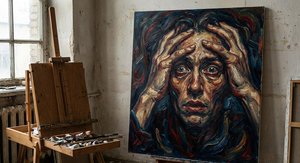
Figurative Expressionism: Emotional Intensity & Subjective Reality in 20th-Century Art
Explore the powerful world of Figurative Expressionism with OriginalUniqueArt. Discover key artists like Kirchner & Beckmann, understand its emotional depth, and learn how to collect this influential 20th-century art movement.

Franz Marc: Expressionism, Spirituality & the Animal Symbolism of a Modern Master
Explore the profound world of Franz Marc's Expressionist paintings. Discover his spiritual connection to animals, innovative use of color, and lasting impact on modern art history. Learn more at OriginalUniqueArt.
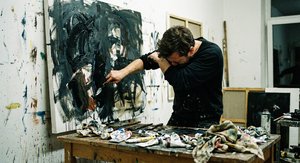
The Raw Emotion of Expressionism: A Deep Dive into its History, Characteristics & Enduring Influence
Explore the raw emotion of Expressionism with OriginalUniqueArt. Discover its history, key artists like Kirchner & Munch, and lasting influence on modern art. Expert insights for collectors & enthusiasts.

As 10 Obras de Arte Mais Inspiradoras para a Alma | OriginalUniqueArt.com
Descubra as 10 obras de arte mais inspiradoras que tocam a alma! Explore a história, simbolismo e emoções por trás de Van Gogh, Da Vinci, Monet e outros mestres. Encontre reproduções de alta qualidade para sua decoração em OriginalUniqueArt.com.

Expressionismo Alemão: 10 Obras-Primas que Moldaram a Arte Moderna | OriginalUniqueArt
Descubra as 10 obras-primas do Expressionismo Alemão que revolucionaram a arte moderna. Explore a paixão de Munch, Kirchner e Kandinsky! Reproduções de museu em OriginalUniqueArt.com. Explore a coleção online.


