

 Compartilhar
 Compartilhar
 Detalhes
 Guia
Guia

 Baixar imagem
 Semelhantes
 Ver diaporama
 Estatísticas
Paris


 Ler mais
Giclée / Impressão de Arte
Impressão giclée ou em tela de qualidade de museu, com produção rápida e opções flexíveis de acabamento. ( Comprar pintura feita à mão Alternar para Imagem Digital)




































Escolha entre os nossos tamanhos pré-definidos que respeitam as proporções originais da obra de arte.

Insira a largura e a altura desejadas para se ajustarem à sua moldura ou parede. Uma impressão pode ser apenas cortada, nunca ampliada além da imagem original; portanto, um tamanho com proporções diferentes resultará na perda de parte da imagem. Enviamos uma maquete digital para sua aprovação antes de realizarmos a impressão. A imagem exibida nesta página não mostra o corte real — apenas a maquete o faz.
Entrega mundial () em 2 semanas, em vez das 4/5 semanas padrão. (28 Outubro)

Envio expresso gratuito para todo o mundo

Tela de Linho de Alta Qualidade

Seguro de transporte completo

Garantia de Reembolso de Impostos Alfandegários

Garantia de Fidelidade Cromática

Política de Devolução em 100 Dias (Apenas para Defeitos)

Garantia de reembolso de 100%

Oferta de desconto por quantidade
 A opção de vidro está disponível apenas para tamanhos inferiores a 110 cm

Paris
Giclée / Impressão de Arte
Tamanho da Reprodução
-


Preço Total
€ 70
Antonio Canova’s “Paris”: A Testament to Classical Idealism
Antonio Canova’s sculpture "Paris," completed in 1816, stands as an enduring emblem of Neoclassical artistic achievement—a masterful distillation of Greek sculptural tradition infused with profound humanist emotion. Created during a period marked by intellectual ferment and the burgeoning Romantic movement, this monumental marble figure transcends mere representation; it embodies an aspiration for moral virtue and heroic contemplation.
Subject Matter and Mythological Inspiration
The sculpture depicts Paris, the Trojan prince famed for his abduction of Helen—a pivotal event that ignited the Trojan War. Canova’s choice to portray Paris wasn't merely decorative but deliberate. He sought to elevate the mythological narrative into a meditation on human dignity and moral fortitude. The figure embodies the heroic ideal championed by Neoclassical thinkers who admired the virtues of Stoicism and rational contemplation—qualities considered essential for cultivating inner peace and achieving excellence.
Technique and Material Considerations
Canova’s unparalleled skill in marble carving is evident throughout “Paris.” He employed a meticulous process involving preparatory sketches, clay modeling, and wax casting—techniques honed over decades of experience. The sculpture's surface possesses an astonishing smoothness achieved through painstaking polishing, revealing the intricate musculature and subtle drapery folds with breathtaking clarity. The use of Carrara marble—renowned for its purity and translucency—allowed Canova to capture the luminosity characteristic of classical sculptures and imbue the figure with a palpable sense of presence.
Historical Context and Artistic Influences
"Paris" emerged from the crucible of the Napoleonic era, when Rome served as Napoleon’s imperial capital. This context profoundly shaped Canova's artistic sensibilities—he was deeply influenced by Michelangelo Buonarroti’s monumental sculptures in St. Peter’s Basilica, which exemplified the grandeur and expressive power of classical art. The sculpture reflects a broader cultural preoccupation with reviving Greco-Roman ideals amidst the turbulent upheavals of the Enlightenment and Romanticism—a desire to recapture the serenity and moral seriousness associated with antiquity.
Symbolism and Emotional Impact
The pose of “Paris”—one hand raised in contemplation, the other resting on his hip—communicates a state of profound thoughtfulness and inner resilience. Closed eyes convey an inward gaze, suggesting a preoccupation with ethical considerations and spiritual reflection. The drapery folds are rendered with meticulous detail, mirroring the flowing garments worn by Greek sculptures and symbolizing nobility and grace. Ultimately, “Paris” serves as a powerful reminder of humanity’s capacity for moral virtue—a timeless masterpiece that continues to inspire awe and admiration.
Perguntas e Respostas
Qual cor mais se destaca em "Paris"?
Rosy Brown (#a29484) é a cor predominante de "Paris", de Antonio Canova.
Onde posso ver a obra original "Paris", de Antonio Canova?
A obra original "Paris", de Antonio Canova encontra-se no Neue Pinakothek, München, Deutschland. Uma reprodução permite que a obra seja exibida em sua casa.
Que tipo de obra é "Paris"?
"Paris" é uma obra de Sculpture.
Biografia do Artista
Antonio Canova: Uma Vida em Mármore
- Nascimento: Possagno, Itália (1757)
- Falecimento: 1822
Antonio Canova ergue-se como uma figura monumental na história da arte ocidental, sendo amplamente reconhecido como o escultor neoclássico por excelência. Sua maestria no entalhe do mármore e sua capacidade de infundir formas clássicas com uma emoção profunda asseguraram seu lugar entre os maiores artistas de todos os tempos. Nascido em Possagno, na Itália, filho de Pietro Canova, um mestre pedreiro, a vida de Canova foi moldada pelo ambiente artístico que o cercava desde a infância.
Primeiros Anos e Formação
- Raízes Familiares: A profissão de seu pai proporcionou o primeiro contato com a escultura em pedra, enquanto seu avô, Pasino Canonia, um escultor especializado em altares e baixos-relevos, desempenhou um papel crucial no cultivo de seu talento natural.
- Desenvolvimento Artístico Precoce: Antes mesmo dos dez anos, Canova já demonstrava uma habilidade notável, criando pequenos santuários de mármore que revelavam sua capacidade inata. Ele aperfeiçoou suas técnicas como aprendiz sob a tutela de Giuseppe Bernardi ('Torretto') e Giovanni Ferrari.
- Estudos Acadêmicos: Seus estudos na Accademia di Belle Arti di Venezia renderam inúmeros prêmios, consolidando sua reputação como um jovem artista promissor. Um ateliê situado em um monastério ofereceu-lhe o espaço necessário para desenvolver seu ofício.
- Primeiras Comissões: Trabalhos iniciais, como as estátuas de Orfeu e Eurídice para o Senador Giovanni Falier (1775-1777), exibiam um estilo Rococó emergente, prenunciando o refinamento neoclássico que viria a definir sua maturidade.
A Ascensão à Fama e o Estilo Neoclássico
- A Definição do Neoclassicismo: A obra de Canova é caracterizada por formas elegantes, figuras idealizadas e um retorno aos princípios estéticos da Grécia e Roma Antigas. Ele evitou com maestria o melodrama da arte barroca, ao mesmo tempo em que resistiu à frieça frequentemente associada às tentativas anteriores de renascimento clássico.
- Obras Primordiais e Reconhecimento: Esculturas como Cupido e Psiquê (c. 1787-1793), Madalena Penitente e Hércules e Licas estabeleceram sua reputação por toda a Europa, tornando seu trabalho altamente cobiçado pela realeza e pela nobreza.
- A Promoção de sua Reputação: Canova promoveu estrategicamente sua carreira através da publicação de gravuras de suas obras e da criação de versões em mármore de moldes em gesso, garantindo uma ampla disseminação de sua arte pelo continente.
- Aclamação Internacional: Comissões vindas de toda a Europa, incluindo uma estátua de Teseu e o Minotauro para Girolamo Zulian (embaixador veneziano em Roma), consolidaram seu status como um dos artistas mais celebrados da época.
Grandes Obras e Legado
- Esculturas Notáveis: Além das já mencionadas, o vasto catálogo de Canova inclui obras significativas como Vênus Itálica, A Musa Polímnia, As Três Graças Dançando e sua tocante representação de Eurídice.
- Comissões Monumentais: Ele recebeu encomendas prestigiosas para monumentos funerários, com destaque para o elaborado Túmulo do Papa Clemente XIII na Basílica de São Pedro, em Roma — um testemunho de sua habilidade tanto na escultura quanto no design arquitetônico.
- Gipsoteca Antonio Canova: O museu Gipsoteca Antonio Canova abriga a coleção mais importante de suas obras, oferecendo uma visão inestimável de seu processo criativo e evolução artística.
- Influência sobre Gerações Posteriores: A influência de Canova estendeu-se muito além de sua vida, moldando o curso da escultura neoclássica e inspirando gerações de artistas com sua maestria técnica e poder expressivo.
Significância Histórica
- A Personificação do Neoclassicismo: Antonio Canova tornou-se sinônimo do movimento neoclássico, personificando seus ideais de ordem, clareza e o retorno à antiguidade clássica.
- Escultor da Corte e Diplomata: Sua posição como escultor de corte de diversos governantes europeus conferiu-lhe uma influência política considerável, permitindo-lhe moldar os gostos artísticos por todo o continente.
- Inovação Técnica: A habilidade inigualável de Canova ao esculpir o mármore desafiou os limites do que era considerado possível, estabelecendo um novo padrão de excelência escultórica.
- Um Legado Artístico Duradouro: Suas esculturas continuam a cativar públicos em todo o mundo, consolidando seu lugar como um dos artistas mais importantes e influentes da história.

Antonio Canova
1757 - 1822 , Itália
Dados Rápidos
- Artistic Movement Or Style: Neoclassicismo
- Artists Or Movements Influenced By This Artist: ['Artistas Neoclássicos']
- Artists Who Influenced This Artist: ['Escultores Barrocos']
- Date Of Birth: 1757
- Date Of Death: 1822
- Full Name: Antonio Canova
- Nationality: Italiano
- Notable Artworks:
- Cupid & Psique
- As Três Graças
- Madalena Penitente
- Place Of Birth (City And Country): Possagno, Itália
Artigos Relacionados

Timeless Elegance: A Complete Guide to the Sublime Beauty and Artistry of Marble Sculpture
Discover the sublime beauty of marble art through an expert exploration of Renaissance and Neoclassical masterpieces. From the delicate textures of Carpeaux to the grandeur of Sansovino, immerse yourself in a guide to timeless elegance and sculptural perfection.

Esculturas em Bronze Icônicas: 10 Obras que Revolucionaram a Arte | OriginalUniqueArt
Descubra as 10 esculturas em bronze mais icônicas da história! Explore a arte de Rodin, Michelangelo e outros mestres. Encontre reproduções de alta qualidade para sua casa em OriginalUniqueArt.com.

The Enduring Allure of Marble in Art History: From Classical Sculpture to Modern Abstraction
Explore the captivating history of marble sculpture from ancient Greece to modern art. Discover renowned artists like Canova & Michelangelo, carving techniques, and investment insights at OriginalUniqueArt.

The Enduring Form: Exploring Themes & Techniques in Sculpture Across Historical Periods
Explore the rich history of sculpture from ancient masterpieces to contemporary innovations. Discover key techniques, influential artists & investment potential for discerning art collectors.
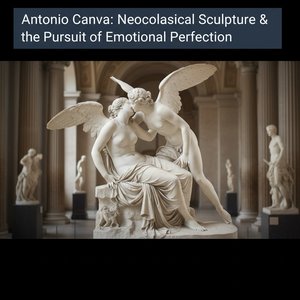
Antonio Canova: Neoclassical Sculpture & the Pursuit of Emotional Perfection
Explore the life & art of Antonio Canova, the greatest Neoclassical sculptor. Discover his masterpieces, innovative techniques, and lasting influence on fine art collecting. Expert insights for discerning investors.
